
Its danger hides in places people least expect.
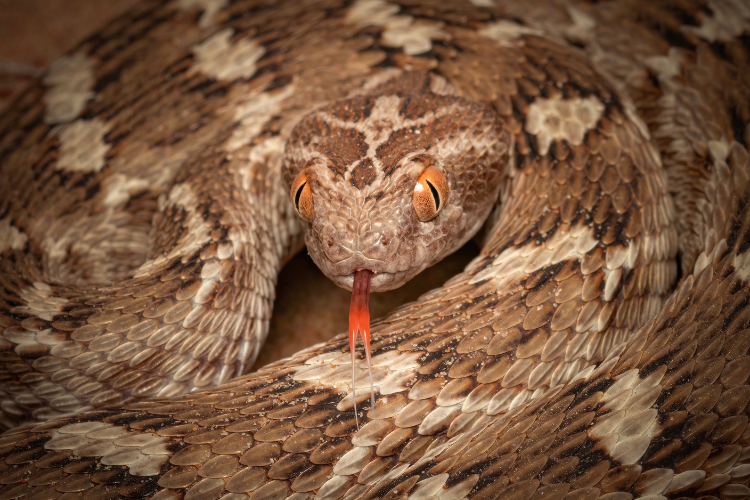
Fear usually follows spectacle. Bright colors, raised hoods, dramatic strikes. Yet the deadliest snake on Earth does not rely on fear to succeed. It lives close to people, moves through ordinary landscapes, and rarely announces itself before contact occurs. Deaths accumulate not through rare encounters, but through repetition. Across multiple continents, the same pattern unfolds again and again, where routine activities intersect with biology, limited medical access, and a predator that thrives in human proximity. The danger is not exotic. It is familiar, underestimated, and deeply embedded in daily life.
1. This snake thrives where human activity never stops.
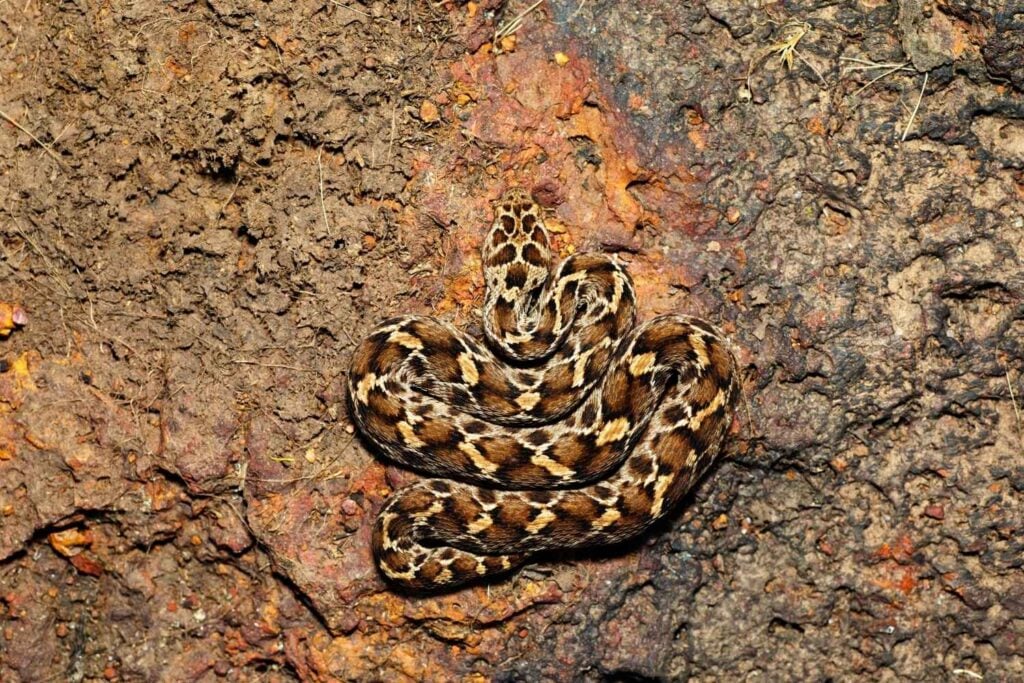
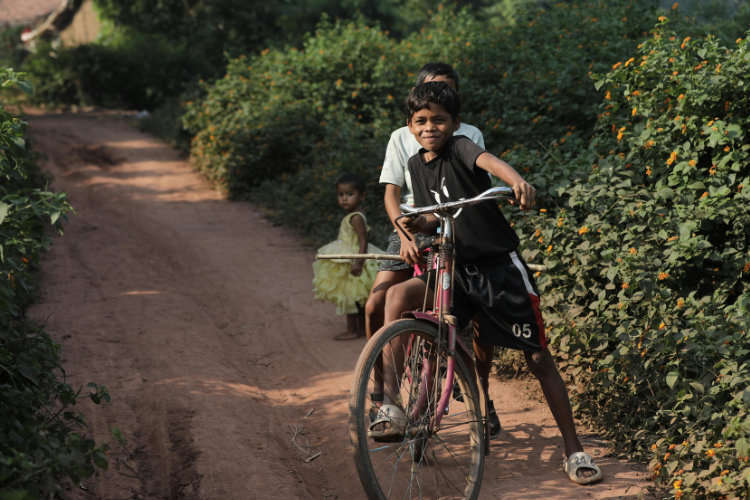
In many of the regions with the highest snakebite death rates, people and snakes occupy the same space by necessity rather than choice. Across rural India, Sri Lanka, Pakistan, and large parts of sub-Saharan Africa, farms, footpaths, irrigation ditches, and village outskirts overlap directly with this snake’s habitat. These are not wilderness zones but working landscapes shaped by subsistence agriculture. Every planting and harvesting season increases exposure, especially where people move barefoot through tall grass and dry soil.
The snake responsible is the saw-scaled viper, part of the Echis genus. It thrives in semi-arid farmland and scrubland created by human settlement. Instead of retreating as villages expand, it benefits from rodents drawn to grain storage. Human density does not reduce encounters. It concentrates them.
2. Most bites happen during routine, non-threatening moments.
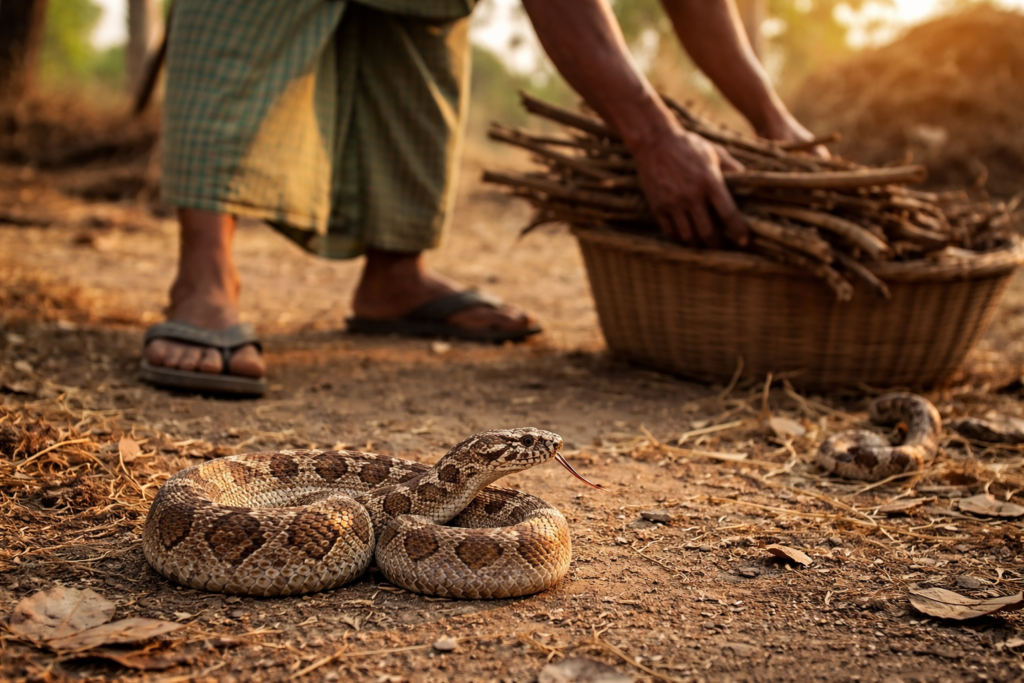
Unlike cinematic snake encounters, most fatal bites do not involve provocation or surprise attacks. Victims are often walking to fields, collecting firewood, or stepping outside at night. The snake is usually unseen. Contact happens at ankle level when a foot lands inches from a coiled body that relies on camouflage to remain undetected.
Saw-scaled vipers are particularly dangerous because of their defensive temperament. When startled, they strike quickly and repeatedly. Many bites occur at night or early morning when visibility is poor. The lack of warning behaviors leaves little margin for avoidance. These are not reckless encounters. They are collisions between routine human movement and a snake optimized to remain invisible until pressure forces action.
3. Venom damage escalates long before symptoms feel severe.
The venom of the saw-scaled viper is hemotoxic, meaning it disrupts blood clotting and damages blood vessels. Early symptoms often appear deceptively mild. Pain and swelling may be localized, encouraging victims to delay treatment. Meanwhile, internal bleeding can begin silently, affecting organs long before outward signs appear.
As venom spreads, victims may experience uncontrolled bleeding, shock, and kidney failure. In severe cases, death occurs hours or days later, not immediately after the bite. This delayed progression is especially dangerous in regions where medical facilities are distant. Time lost to underestimation or transportation allows the venom to progress beyond reversal.
4. Children face a uniquely high risk of fatal outcomes.
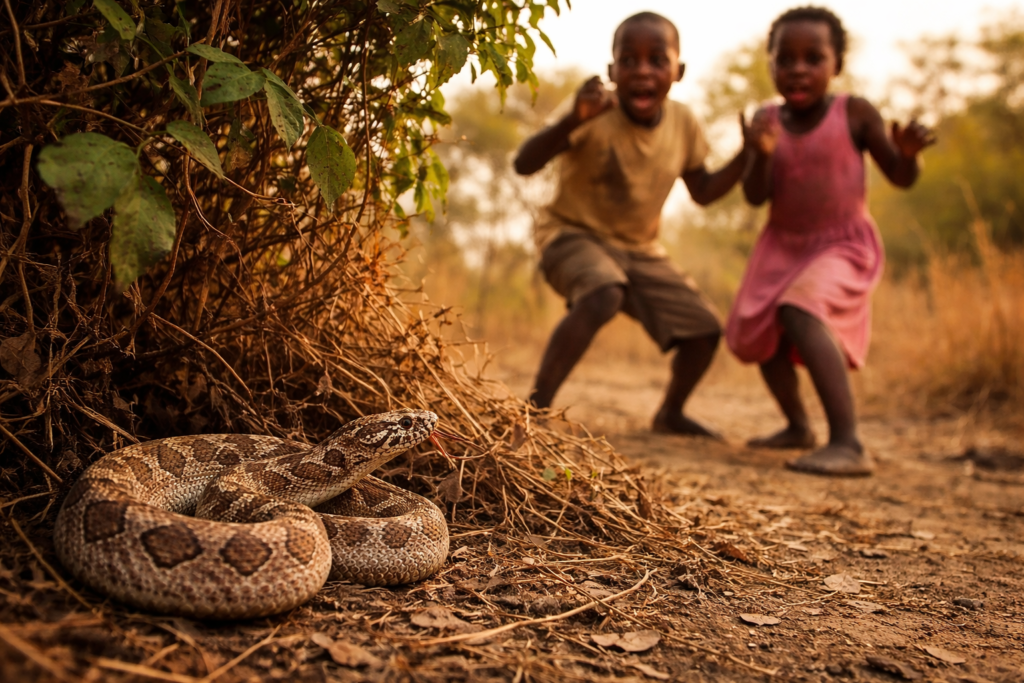
Children are disproportionately affected by saw-scaled viper bites for several reasons. Their smaller body mass allows venom to circulate more quickly. They are also more likely to play barefoot or sit close to the ground, increasing contact risk. In rural areas, children often assist with farming, herding, or gathering tasks that place them directly in snake habitat.
Medical response is often delayed when children are bitten, either due to transportation challenges or misjudgment of severity. Even when treatment is available, dosing antivenom correctly can be more complex in pediatric cases. The result is a higher fatality rate compared to adults. These deaths rarely make international headlines, but they represent a significant portion of the global toll.
5. Defensive aggression makes this snake especially dangerous.
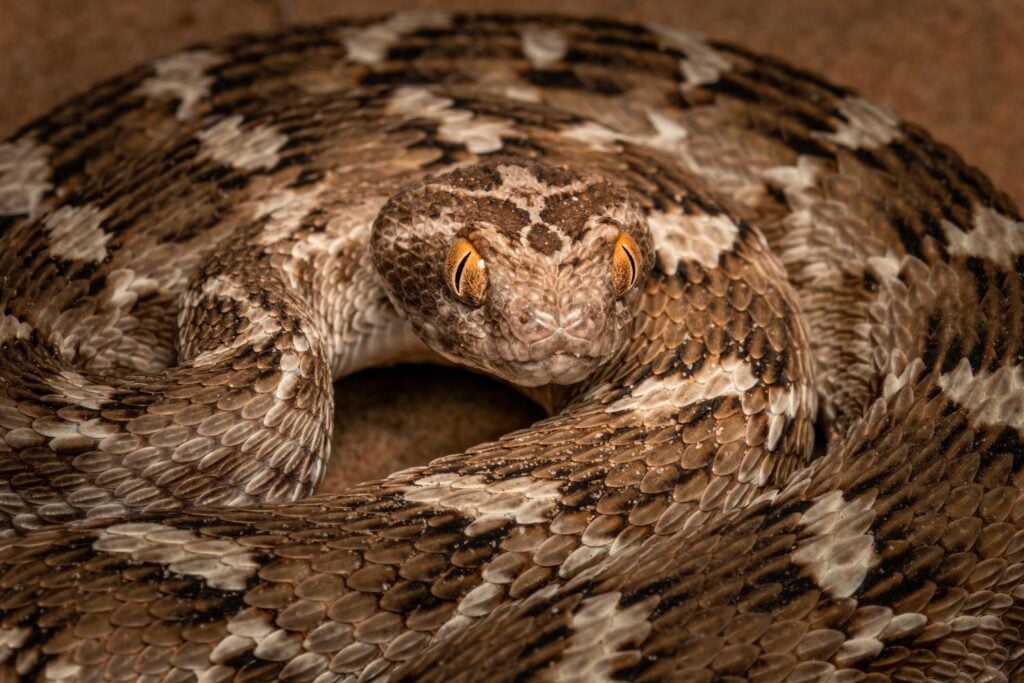
The saw-scaled viper is not large, but it is highly reactive. When threatened, it coils tightly and produces a rasping sound by rubbing its scales together. This warning is often too subtle or brief to register before a strike occurs. Once engaged, the snake may deliver multiple bites in rapid succession.
This behavior contrasts with larger snakes that retreat when disturbed. In cluttered environments like fields or village paths, escape routes are limited for both humans and snakes. Defensive aggression becomes the default response. The result is a higher likelihood of envenomation even during accidental encounters.
6. Geography determines survival more than venom strength.
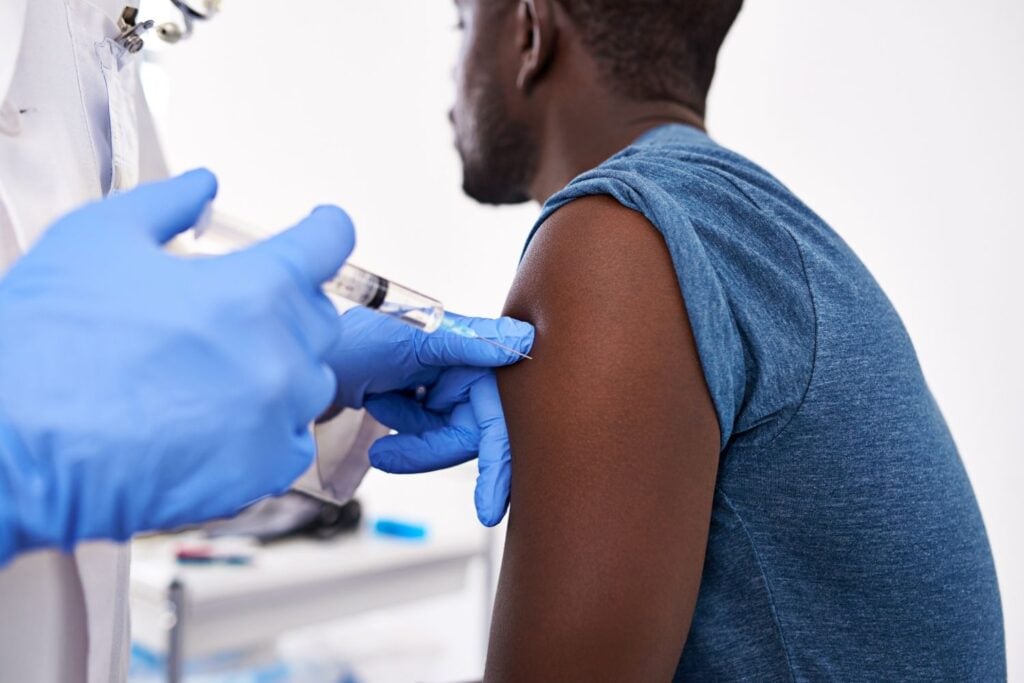
In regions with well-equipped hospitals, saw-scaled viper bites are often survivable. In contrast, outcomes differ sharply in rural India, Bangladesh, and parts of West Africa, where clinics may be hours away and antivenom scarce. Victims often travel long distances by foot, motorcycle, or improvised transport while venom continues to circulate. Even basic supportive care may be unavailable upon arrival.
Antivenom distribution remains uneven across these regions. Some local clinics lack refrigeration or trained staff to administer treatment safely. In many villages, traditional remedies are attempted first due to cost or accessibility. Each delay allows internal bleeding and organ damage to worsen, turning manageable bites into fatal ones.
7. Underreporting hides the true global death toll.
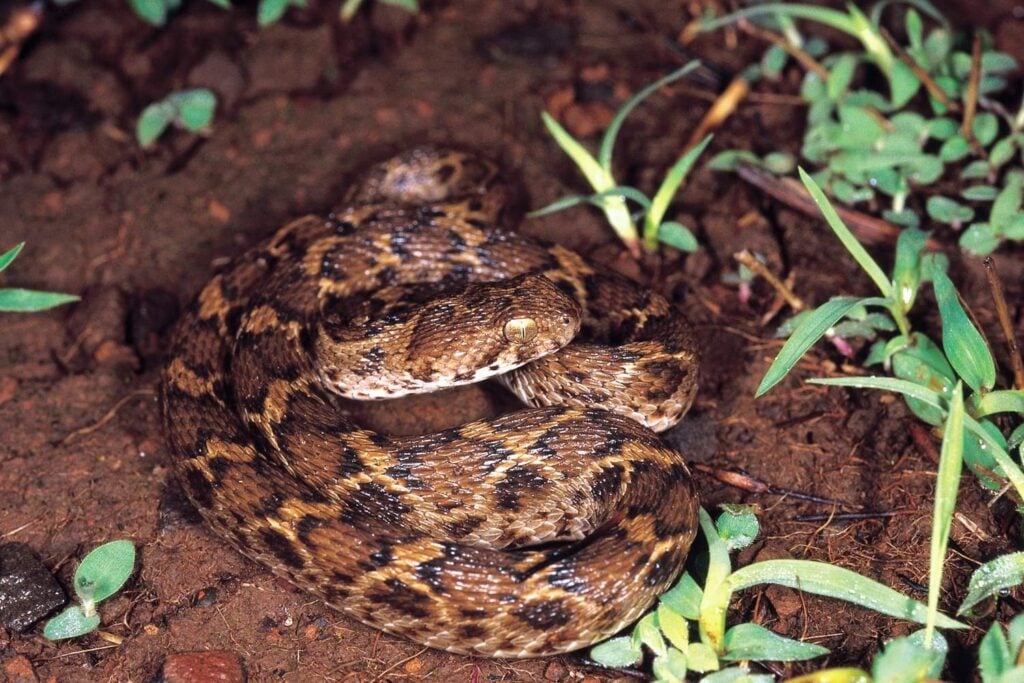
Official snakebite statistics dramatically underestimate the impact of saw-scaled vipers. Many deaths occur outside formal healthcare systems and go undocumented. Rural fatalities are often attributed to unknown illness or internal bleeding without identification of the cause. Entire regions lack consistent reporting infrastructure.
Families may not seek care due to cost, distance, or mistrust. Deaths are absorbed into communities without documentation. This invisibility distorts global risk assessments. Underestimation delays funding for prevention, antivenom production, and training in the most affected areas.
8. Seasonal patterns create predictable death surges.
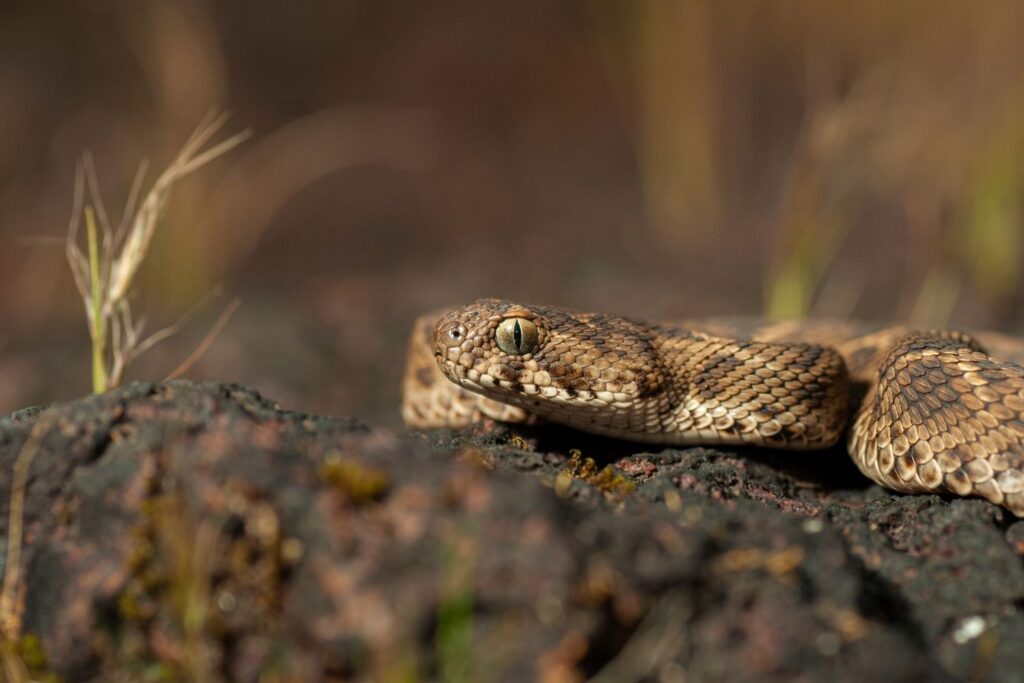
Saw-scaled viper activity increases during warm, wet seasons in South Asia and sub-Saharan Africa, particularly during monsoon periods. Heavy rains flood burrows and drive snakes into homes, footpaths, and storage areas. At the same time, agricultural labor intensifies, placing more people directly in exposed environments. These overlapping pressures create predictable spikes in bites every year.
Despite this consistency, early warning systems are rare. Protective footwear and lighting remain uncommon in the most affected regions. Communities often recognize the danger only after injuries begin. Without seasonal intervention, the same regions experience repeated surges with little structural change.
9. Familiarity breeds dangerous complacency.
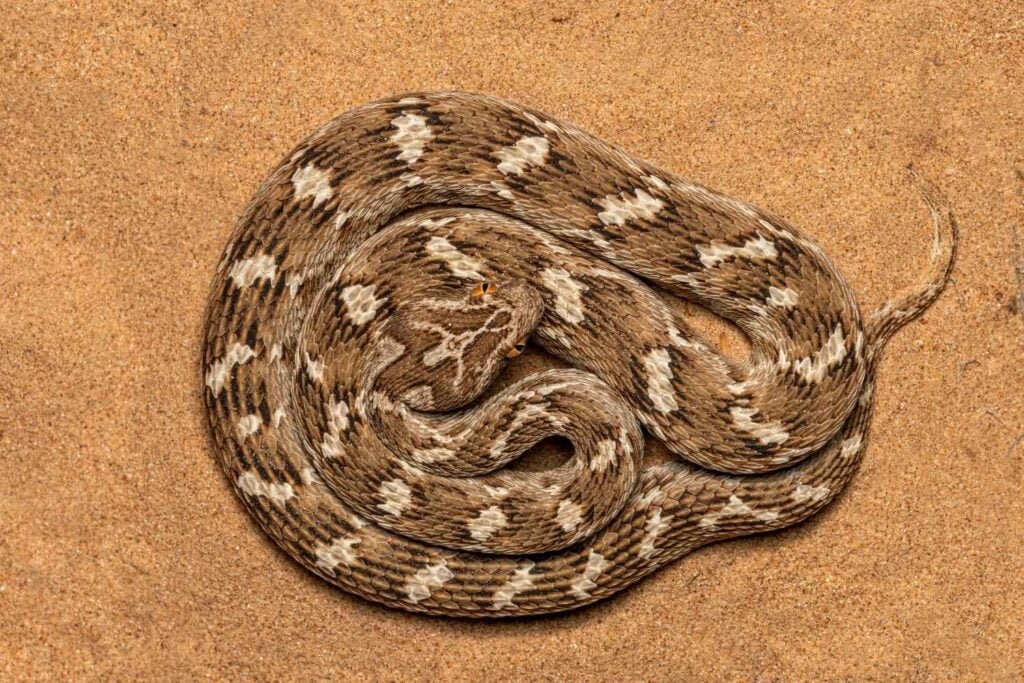
In many regions, saw-scaled vipers are a known presence. This familiarity reduces perceived threat over time. People grow accustomed to seeing them without incident, leading to reduced caution. Children grow up viewing the snake as background wildlife.
This normalization reduces preventive behavior. Footwear is neglected, lighting remains poor, vegetation grows unchecked. Risk becomes routine rather than urgent. The danger persists not because it is unknown, but because it is underestimated.
10. Its lethality comes from proximity, not reputation.
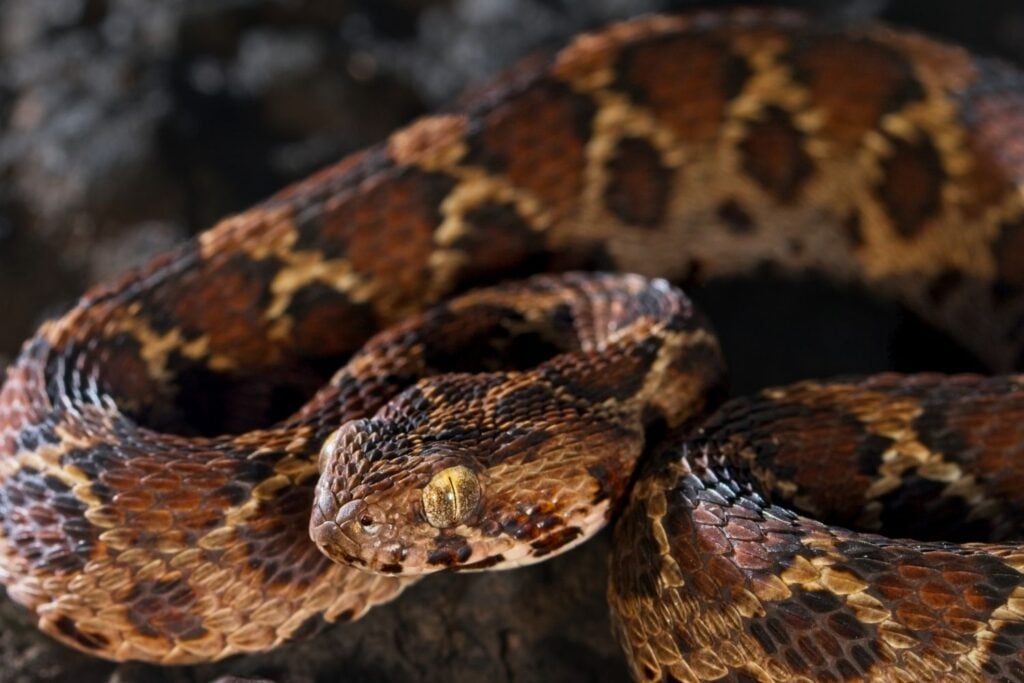
The saw-scaled viper is not the largest, fastest, or most visually striking snake. It does not dominate popular imagination like cobras or mambas. Yet it kills more people because it lives where people live, moves when people move, and strikes during ordinary moments.
Its success lies in being overlooked. It thrives in human-altered landscapes and benefits from daily routines. The deadliest snake in the world is not the one people fear most. It is the one they forget to look for until damage is already done.