
The quietest creatures often carry the biggest threat.

The most dangerous animals in the world aren’t always the ones that bare their teeth. Sometimes they flutter, crawl, or waddle right past us, hiding lethal defenses beneath soft fur or gentle eyes. From venom that shuts down a heart in minutes to toxins that linger in the air, nature’s assassins often wear the most misleading disguises. Some are small enough to fit in your palm, others stroll through your backyard without a sound. Together they remind us that danger doesn’t always roar, it sometimes hums, hops, or purrs.
1. The slow-moving blue-ringed octopus kills in silence.

Barely the size of a golf ball, this Australian tide pool creature carries venom strong enough to paralyze a human in minutes. As stated by National Geographic, a single bite can deliver tetrodotoxin, the same neurotoxin found in pufferfish, which shuts down the nervous system while leaving the victim fully conscious. Its bright blue rings only flash when threatened, but that warning often comes too late. Divers call it “the beautiful accident” for a reason—those tiny arms hide one of the ocean’s deadliest weapons.
2. The cute-looking cone snail is a master of paralysis.

Collectors often pick them up for their gorgeous patterned shells, unaware that the snail inside carries a venom-tipped harpoon. Victims have described the sting as painless at first, followed by spreading numbness and respiratory failure, as reported by the U.S. National Library of Medicine. There’s no known antivenom. These small marine predators evolved to immobilize fish instantly, but humans are collateral damage. What makes them particularly deceptive is their stillness; they sit motionless on coral, waiting—patient and pretty—as if they pose no threat at all.
3. The African buffalo doesn’t warn before charging.
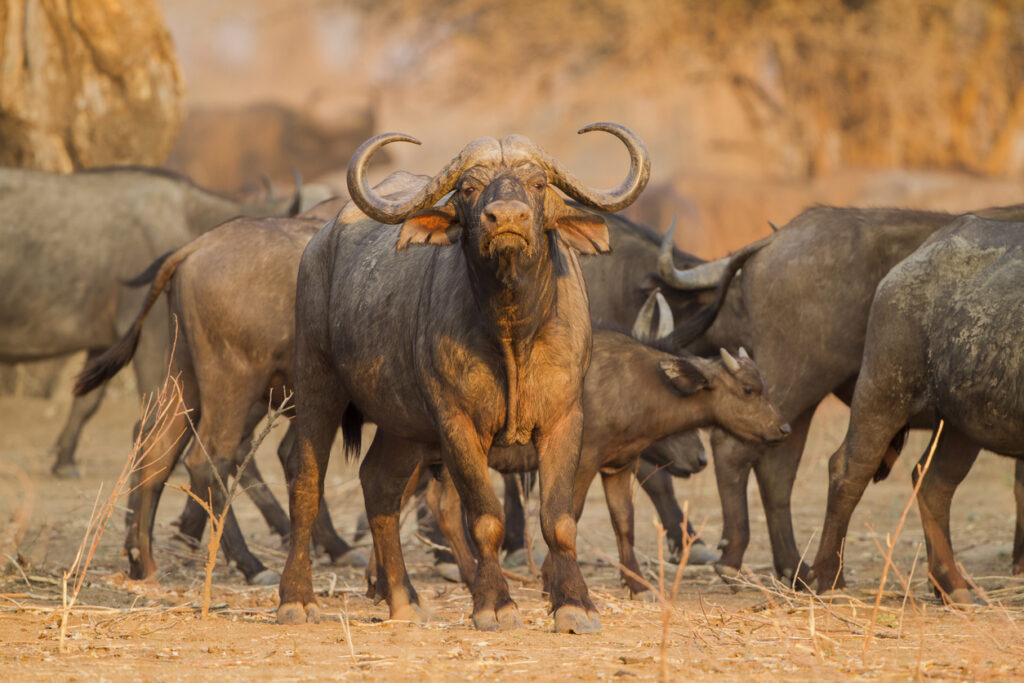
Unlike most wild herbivores, African buffaloes are known to attack unprovoked. According to BBC Earth, they kill hundreds of people each year across sub-Saharan Africa, often ambushing hunters or tourists who get too close. Weighing over 1,500 pounds, they can run up to 35 miles per hour and keep going even after being shot. Locals call them “the Black Death,” not out of folklore, but from experience. Their unpredictability makes them one of Africa’s most feared animals, despite their cow-like calm.
4. The adorable platypus hides venom in its heel.
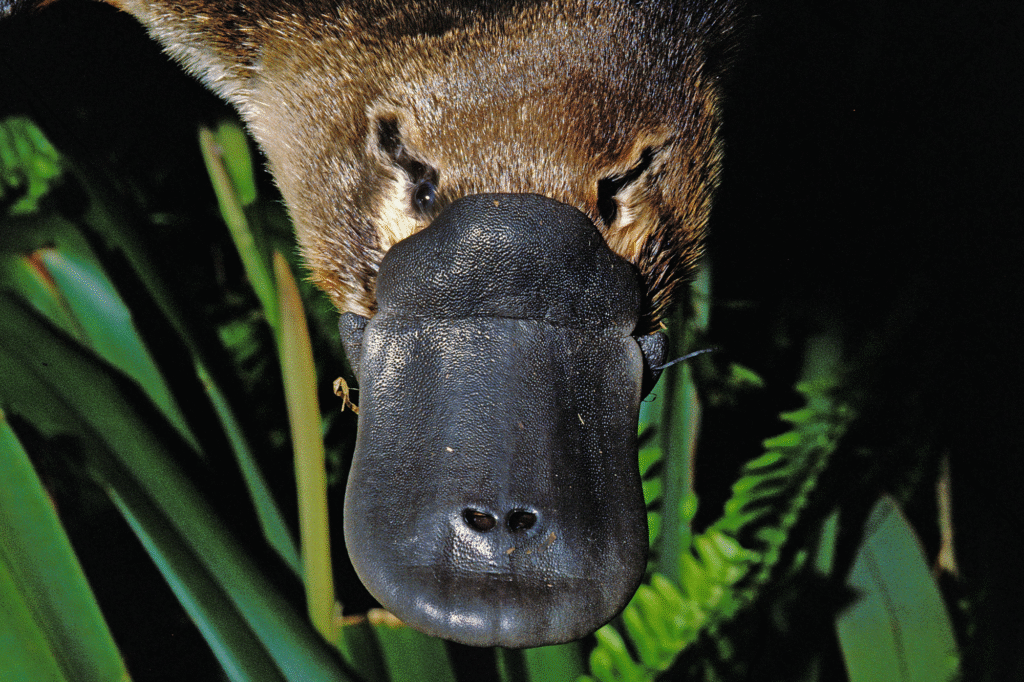
Male platypuses have venomous spurs on their hind legs that can deliver intense pain lasting for weeks. The toxin doesn’t kill humans, but it causes swelling so severe that morphine barely touches it. Scientists believe males use it during mating battles, but dogs and small animals have died from the same sting. People once thought of the platypus as nature’s joke—a creature too strange to be real—but there’s nothing funny about the kind of pain it leaves behind.
5. The swan’s beauty disguises its territorial fury.

In parks and ponds, swans glide gracefully across the water, but try entering their nesting zone and they’ll come for you with wingspans wider than your arms. They can break bones, drown intruders, and have been known to attack boats and kayaks. Their aggression isn’t random—it’s devotion. They guard mates and cygnets with near-military precision. Beneath that white serenity is a heart wired for war, one that doesn’t hesitate to strike first when it senses even a hint of threat.
6. The seemingly gentle hippo kills more than lions.

People often picture them yawning by rivers, but hippos are fiercely territorial and incredibly fast on land and water. They kill more than 500 people in Africa each year, mostly by capsizing boats or crushing anything that blocks their way. Their canines can reach over a foot long, and they bite with nearly twice the force of a lion. Despite their pudgy charm, hippos are the silent emperors of their rivers—short-tempered, unstoppable, and perfectly adapted for destruction.
7. The slow loris hides venom behind a sweet face.

With its big, round eyes and gentle movements, the slow loris looks like a plush toy come to life. But it’s the only venomous primate known to exist. Glands in its elbows produce a toxin that mixes with saliva when it bites, causing extreme pain, swelling, and in some cases, anaphylactic shock. Many victims never saw the attack coming. They tend to mistake curiosity for calm, forgetting that nature’s deadliest designs are often wrapped in softness and silence.
8. The box jellyfish glows softly before it kills.

Lurking in the tropical waters near northern Australia and Southeast Asia, box jellyfish deliver venom that stops a human heart in less than five minutes. Their tentacles are nearly invisible underwater, and the sting feels like fire. Death can come before rescue even reaches the shore. What makes them haunting isn’t just their lethality, but their ghost-like presence—pale, graceful, and almost beautiful. They’re reminders that danger doesn’t always come with warning colors; sometimes, it drifts quietly just below the surface.
9. The moose’s calm stare masks a volatile temper.

Towering and serene, moose are often mistaken for docile giants, but during mating season or when defending calves, they’ll attack with staggering speed. They’ve trampled hikers, flipped vehicles, and charged snowmobiles without hesitation. In Alaska and parts of Canada, more people are injured by moose than by bears each year. Their unpredictability stems from sheer instinct—a flash of fear or a rustle in the brush is enough to turn tranquility into chaos in seconds.
10. The cassowary can disembowel with one kick.

This towering bird from Australia and New Guinea has legs built for combat. Each foot carries a dagger-like claw capable of slicing open a human abdomen. Cassowaries are shy, preferring rainforest shadows, but when threatened, they sprint and kick with precision. Tourists often underestimate them because of their bright feathers and prehistoric look. Yet in recorded cases, the bird has killed zookeepers and locals alike. It doesn’t growl or roar; it simply strikes, and the forest goes quiet again.
11. The golden poison dart frog glows like jewelry but kills faster.

This tiny frog from Colombia’s rainforests secretes enough toxin to kill ten grown men. Indigenous people once used its skin to coat blow darts for hunting. Its bright color isn’t for beauty—it’s a billboard for death. In captivity, away from its natural diet, the frog loses its toxicity, which suggests its power comes directly from the environment itself. It’s proof that danger isn’t born from appearance, but from what the world feeds into it over time.
12. The gentle elephant is capable of sudden rage.
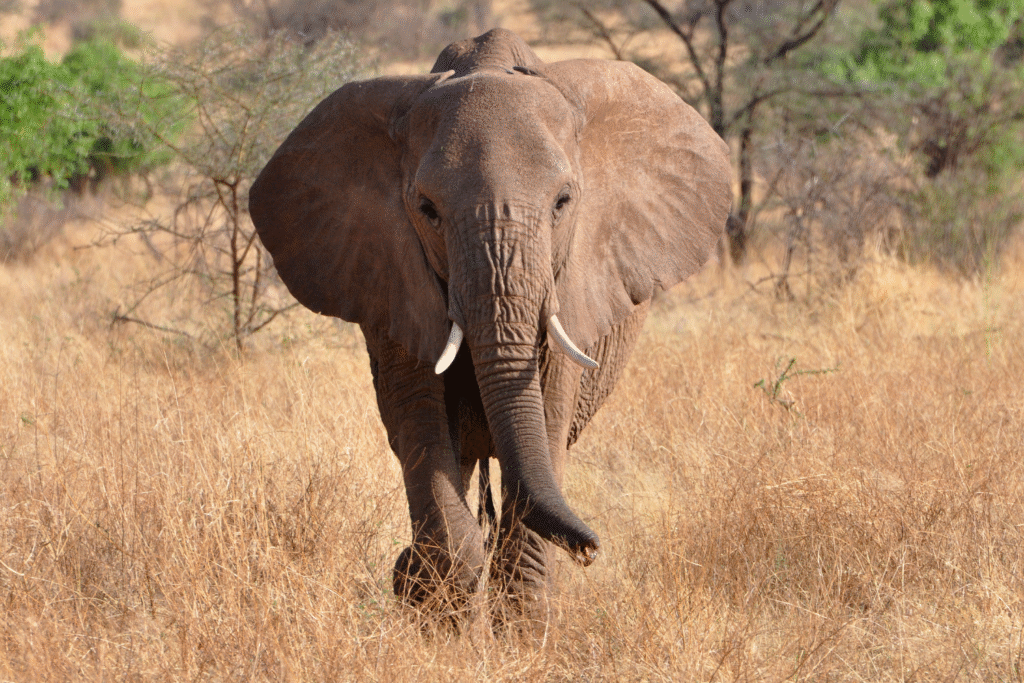
They’re symbols of wisdom and peace, but elephants can turn deadly without warning, especially when stressed or provoked. In parts of India and Africa, elephants kill hundreds of people each year, often destroying vehicles and villages in their path. Their anger builds slowly, sometimes from trauma or the loss of a calf. When it erupts, nothing stops them. The same creature that mourns its dead also remembers its enemies, making it one of the most emotionally complex—and unpredictable—killers alive.