
Silent heart disease hides until it’s too late.
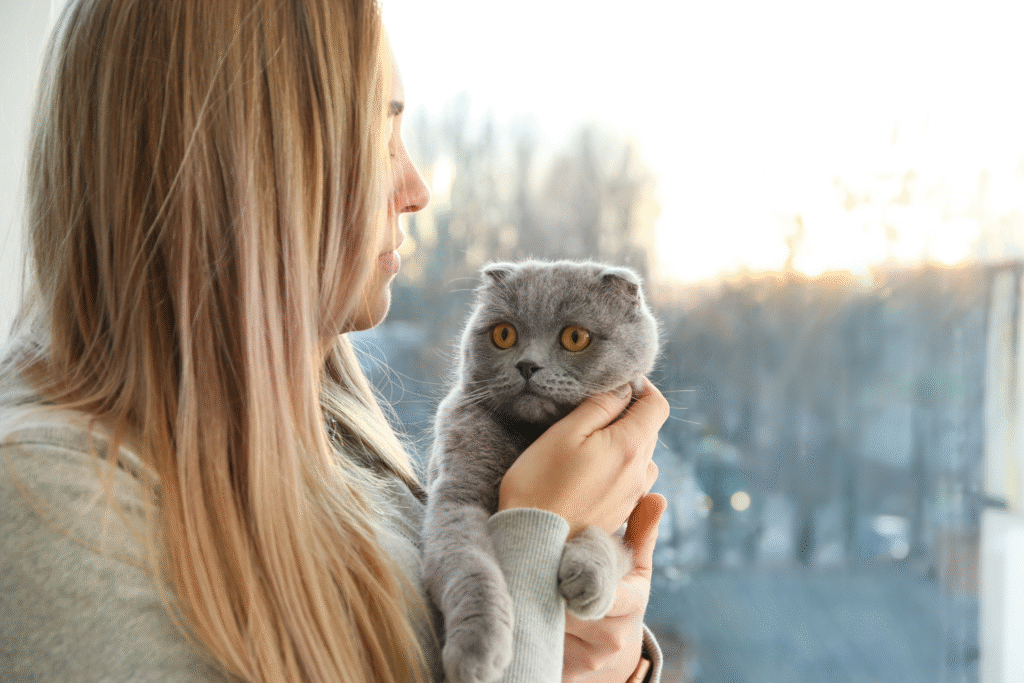
It’s one of the most devastating experiences a cat owner can face—your cat seemed healthy, playful, and then suddenly collapsed without warning. Many of these unexplained deaths trace back to undiagnosed heart disease, particularly hypertrophic cardiomyopathy (HCM), the most common cardiac condition in cats. The disease thickens the heart muscle until it can no longer pump blood effectively. Because symptoms often stay hidden until the final moments, most owners never realize what’s brewing inside. Understanding the subtle signs and knowing how to act early could mean everything.
1. Hypertrophic cardiomyopathy is the leading silent killer.

HCM causes the heart walls to thicken, reducing its ability to fill properly. Blood flow becomes restricted, creating a slow buildup of pressure that ends in sudden failure. According to the Cornell Feline Health Center, HCM affects up to one in seven cats, often without any visible symptoms. The tragedy lies in how stealthy it is—cats can live years before the first fainting spell or collapse. Genetics play a major role, especially in breeds like Maine Coons and Ragdolls, which carry mutations that silently prime the heart for disaster.
2. Genetics make certain breeds more at risk.
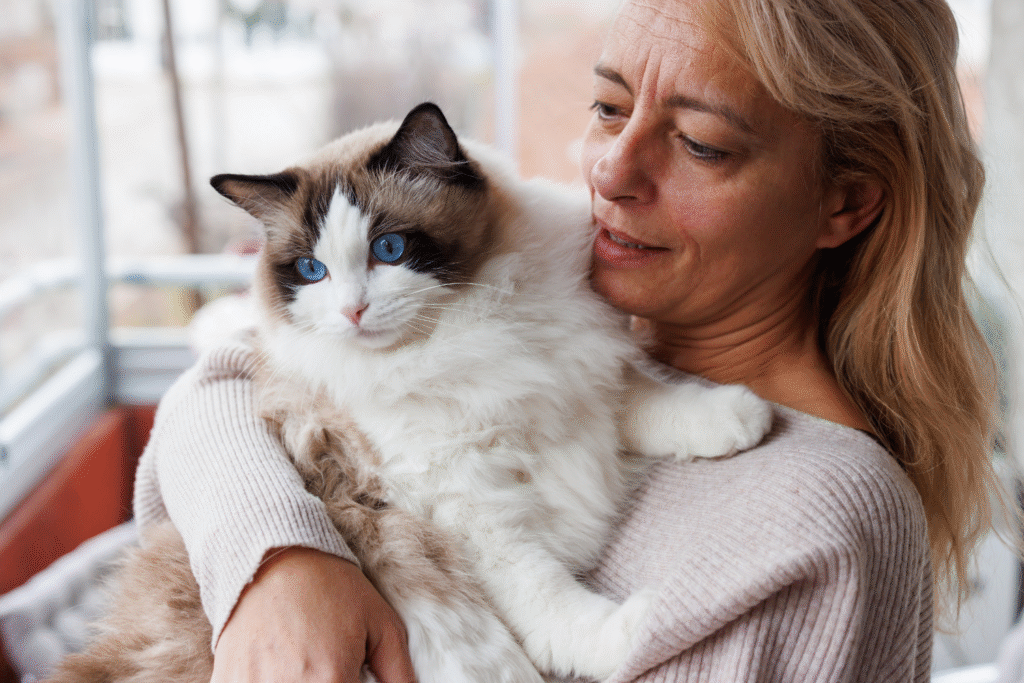
Some cats are born with heart genes that turn against them. Researchers have pinpointed specific DNA mutations in breeds like the Maine Coon and Ragdoll, both of which can develop HCM early in life. The mutation doesn’t always express right away, which is why even young cats can drop suddenly without warning. Testing is the only way to know for sure, as discovered by the Journal of Veterinary Internal Medicine. When breeders and owners screen genetically, the disease can often be managed—or even prevented—from developing into a death sentence.
3. Early signs are often too subtle to catch.
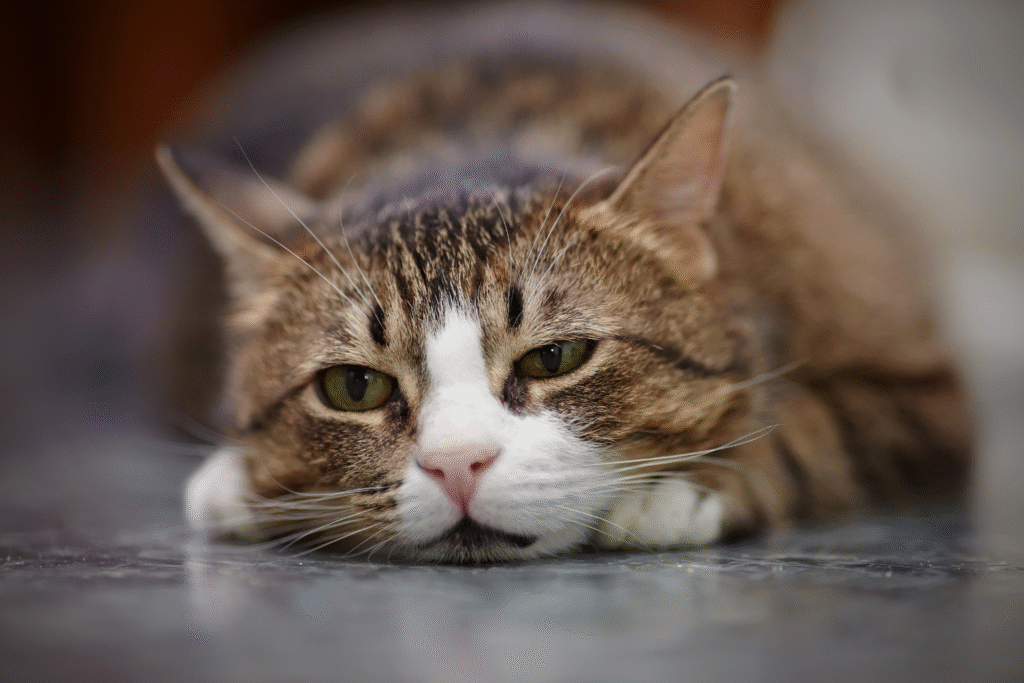
Slight fatigue, reduced jumping, or short bouts of open-mouth breathing may be the only clues. As reported by the American Veterinary Medical Association, cats rarely show pain or distress until the disease has advanced. Owners mistake these small changes for laziness or old age. Meanwhile, the heart thickens quietly with each beat. Some cats even hide during flare-ups, a behavior rooted in their instinct to mask weakness. Recognizing those early, almost invisible shifts in activity or breathing can be the difference between treatment and tragedy.
4. Blood clots are a sudden and deadly complication.

When the heart struggles to pump effectively, blood can pool and form clots that travel through the body. One of the most terrifying outcomes is a saddle thrombus, when a clot lodges in the arteries leading to the hind legs. Cats suddenly collapse, crying out in pain, unable to move their back limbs. It’s a medical emergency with a grim prognosis. The clot itself is often the first outward sign of heart disease that’s been quietly worsening for months, sometimes years.
5. Sudden collapse often strikes without any warning signs.
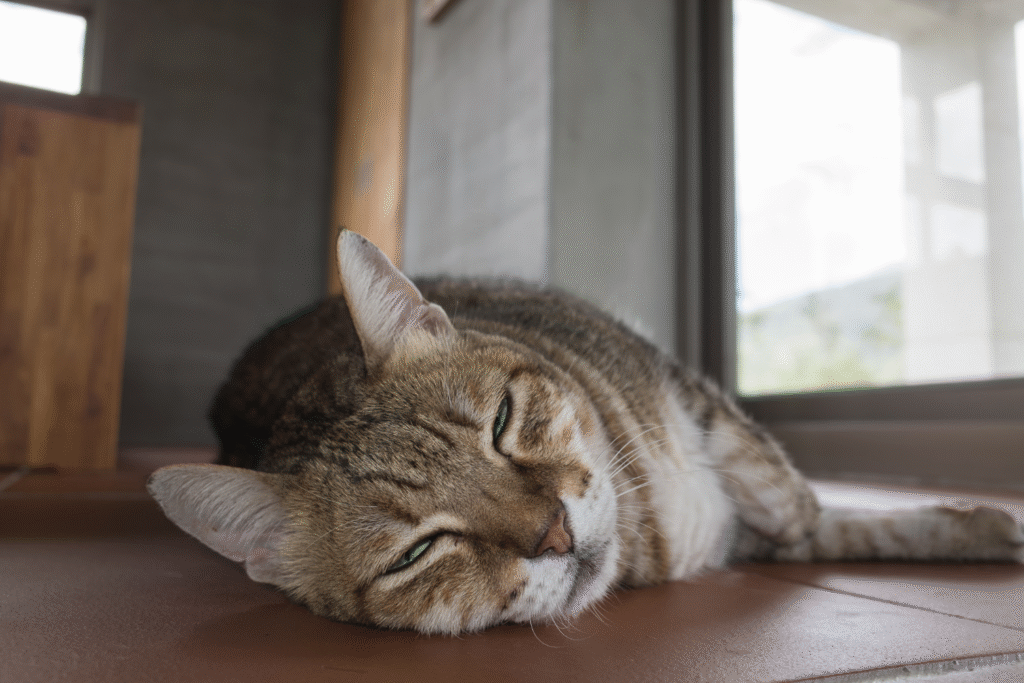
Some cats simply fall over mid-groom or during play, their hearts overwhelmed in seconds. This collapse, known as sudden cardiac death, happens when the heart’s electrical system misfires under the stress of thickened muscle. By the time it occurs, the damage is irreversible. It’s the reason many owners describe their cat as “fine one moment and gone the next.” Even cats with normal vet checkups can experience this if no specialized heart screening was ever performed.
6. Routine exams rarely catch hidden heart problems early.
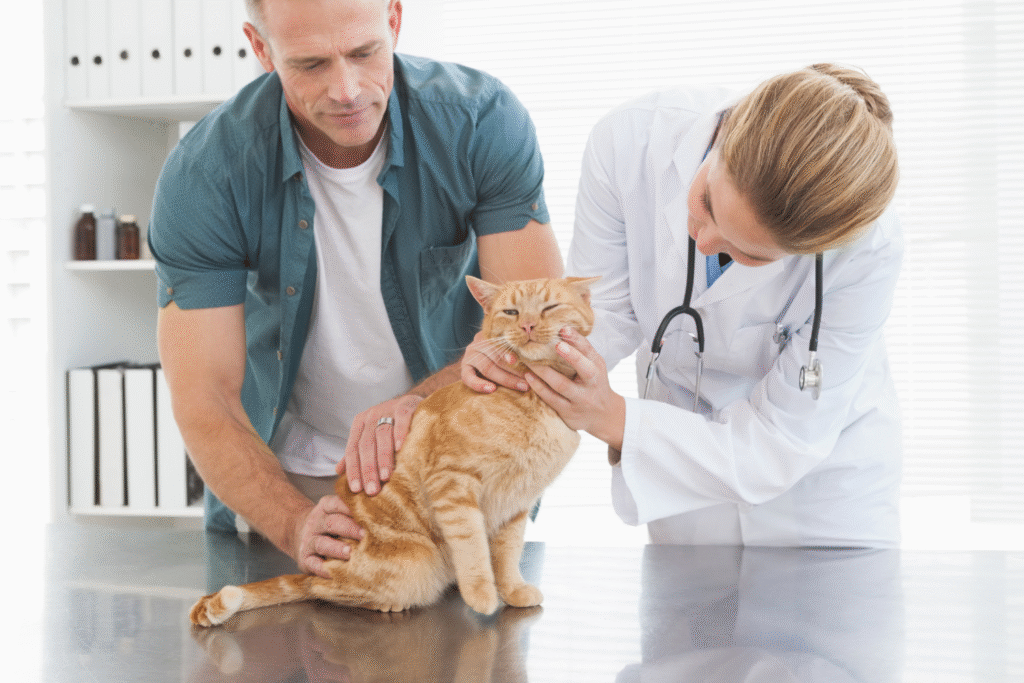
A regular stethoscope check may not pick up the faint murmurs or irregular rhythms that come with HCM. Cats often breathe too quickly in exam settings, masking the sound entirely. Without echocardiograms or blood tests that measure cardiac proteins, many cases go unnoticed. That’s why proactive owners request advanced screening—especially if their cat’s breed or family history suggests a risk. Waiting until symptoms appear usually means the disease has already progressed too far for meaningful intervention.
7. Diets too high in sodium can worsen heart strain.
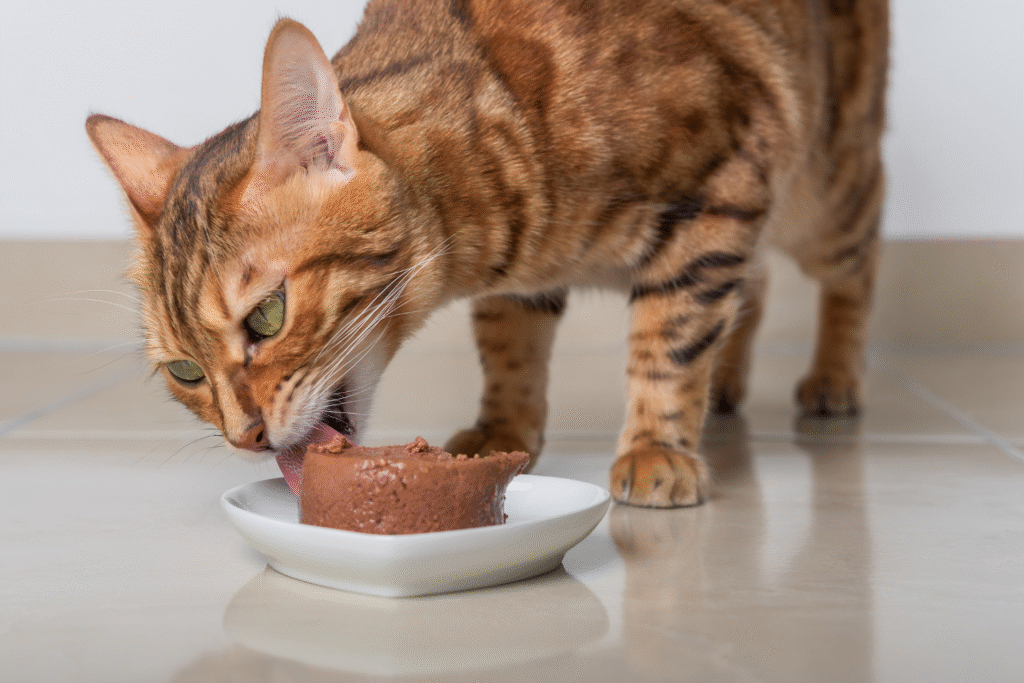
Just like in humans, excess sodium forces the heart to retain fluid and work harder. Many commercial cat foods, particularly some dry formulas, contain more sodium than recommended for sensitive hearts. Over time, that extra strain compounds the natural thickening process of HCM. Low-sodium diets aren’t a cure, but they can reduce stress on a struggling heart. Vets often recommend adjusting food choices early, before symptoms or secondary complications begin to appear.
8. Stress can trigger fatal cardiac episodes in vulnerable cats.

Cats with undiagnosed heart disease may appear perfectly fine until something frightens or startles them. Sudden stress spikes heart rate and blood pressure, sometimes triggering arrhythmias or acute heart failure. Loud noises, travel, or even vet visits can be enough. It’s a cruel irony—what seems like a minor scare can become the final event for a fragile heart. Keeping environments calm and predictable is one of the most underrated forms of cardiac protection.
9. Screening can reveal disease years before symptoms show.
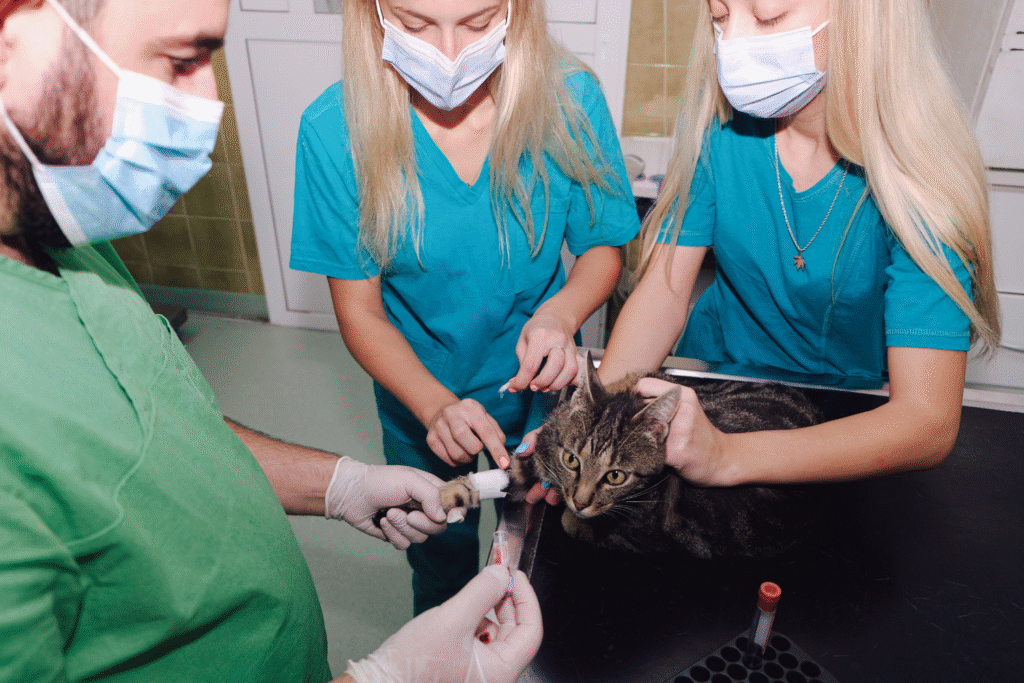
Modern veterinary tools like NT-proBNP blood tests and echocardiograms can detect heart changes before they’re visible on the surface. Annual testing for at-risk breeds is now considered best practice. It’s painless, quick, and often life-saving. When discovered early, HCM can be managed through medication that slows progression and reduces heart stress. The key is acting before symptoms appear, because once they do, damage to the muscle can’t be undone.
10. Preventing sudden death starts with simple awareness.
Knowing your cat’s breed risks, watching for subtle changes, and scheduling heart screenings create the best defense. Most cats that die suddenly from heart disease had no warning signs their owners could see, but many could have been saved through early detection. It’s not paranoia—it’s prevention. The smallest checkup could mean the difference between a quiet night at home and a heartbreak that happens in seconds.