
The most dangerous part of a dog is rarely the dog.
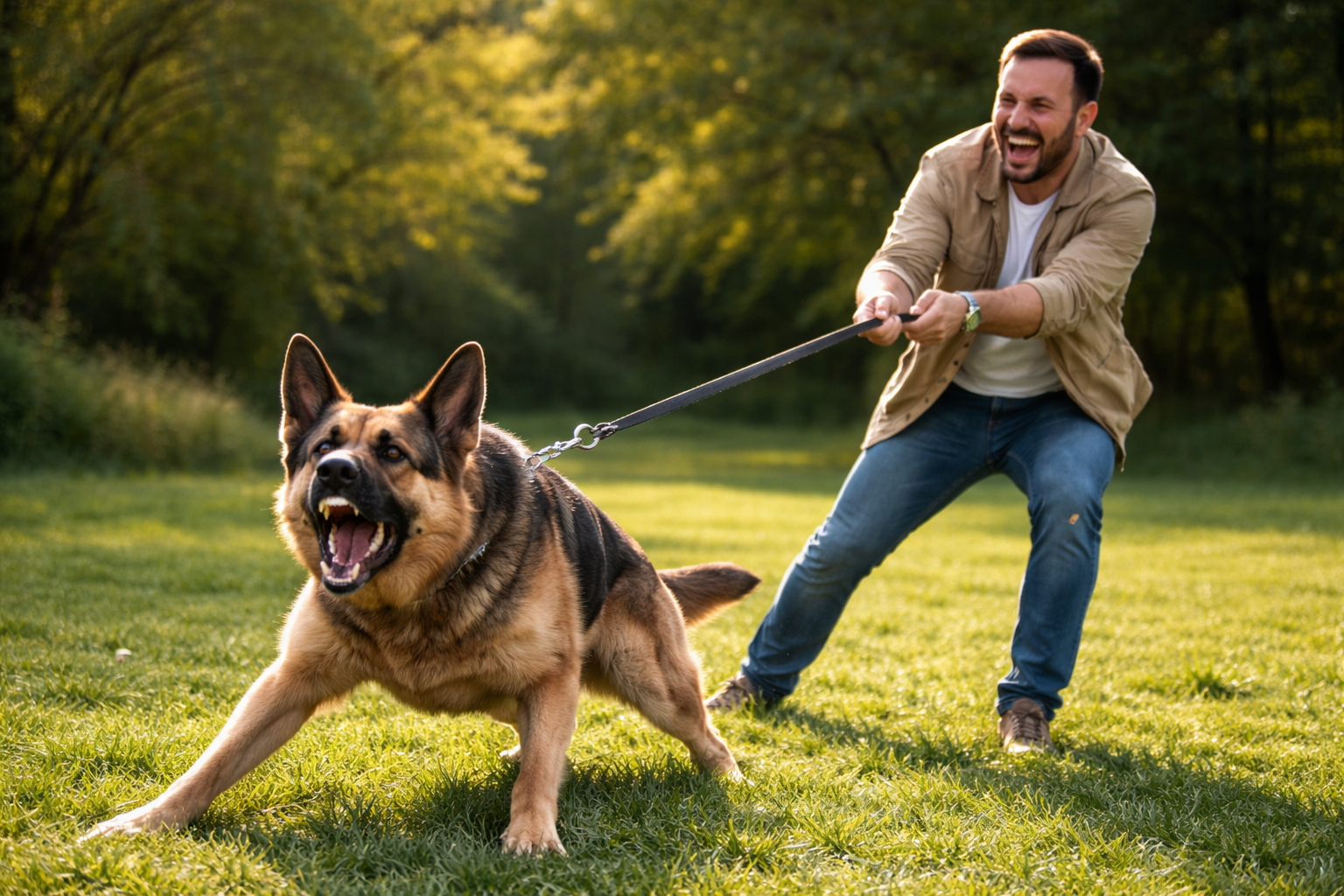
We tend to focus on teeth, muscle, and breed labels when tragedy makes headlines. But the deeper pattern usually begins long before any bite. It begins with choices, with gaps in training, with warning signs dismissed as quirks. Some stories explode into public view. Others unfold quietly in neighborhoods, parks, and living rooms. When things go wrong, it is tempting to blame the animal alone. The reality is more uncomfortable. The line between companion and catastrophe is often drawn by human hands, not canine instincts.
1. Pit Bulls Are Statistically More Dangerous.

Pit bulls top the list of dangerous breeds, and the numbers are impossible to ignore. Though they make up just 6% of the U.S. dog population, they’re responsible for a shocking 68% of recorded dog bites since 1982. Even more chilling, research by the CDC reveals pit bulls cause more fatalities than any other breed.
These dogs don’t just bite, they attack with devastating force, often targeting the head and neck. Their sheer strength and tenacity make them a breed that demands constant vigilance and responsible handling.
2. Rottweilers Pose Significant Risks.

Rottweilers are walking weapons when poorly managed. Their immense size and jaw strength make their bites life-threatening, often causing horrific injuries or death. Known for their territorial instincts, they’re not just protective, they’re dangerously aggressive.
In the wrong hands, Rottweilers can become uncontrollable forces of destruction. Without strict discipline and early socialization, their natural instincts can spiral into catastrophic consequences. Their power demands owners who are equally strong-willed and prepared to take on the challenge.
3. German Shepherds Can Cause Severe Injuries.

German Shepherds are intelligent and loyal, but when they turn, the results are terrifying. Their bite strength can crush bones and sever arteries, leading to fatal blood loss.
Their popularity doesn’t make them any less of a threat. Combined with their agility and speed, a poorly trained German Shepherd can turn into a lethal force faster than you’d expect. Owners must ensure these dogs have proper outlets for their energy to avoid dangerous outcomes.
4. Chow Chows Have A Deceptive Appearance.

Don’t be fooled by their fluffy coats, Chow Chows are anything but cuddly. Between 1979 and 1998, they were linked to 238 attacks, 40 of which were fatal. Even more alarming, 37 of those victims were children.
Their unpredictability makes them a nightmare for families. Chow Chows have a deeply ingrained territorial nature that can erupt unexpectedly, catching owners off guard in the worst ways. Their aloof temperament often hides the potential for sudden aggression.
5. Poorly Trained Dogs Negatively Impact Service Dog Teams.

Untrained dogs aren’t just an annoyance, they’re a disaster waiting to happen. A staggering 93% of service dog handlers report dangerous encounters with out-of-control dogs in public. Worse still, 79% have endured attacks or interference that compromise their service dog’s ability to work.
These interactions aren’t harmless inconveniences. They jeopardize the lives of disabled individuals who depend on their service animals to navigate daily life. A single attack can permanently disrupt the training and reliability of a service dog. Even a brief interaction can lead to trauma that affects their ability to function.
6. Irresponsible Owners Create Dangerous Situations.

When owners neglect their responsibilities, the results can be catastrophic. Dogs trained for aggression often end up attacking strangers, family members, or other pets. These incidents aren’t rare, they’re horrifyingly common.
Every bite, mauling, or fatality represents a preventable tragedy. Owners who choose to ignore the power and needs of their dogs create conditions that lead to irreversible damage. This kind of negligence turns even well-meaning animals into dangerous threats.
7. Off-Leash Dogs Pose Significant Risks.

An off-leash dog is an accident waiting to happen. Whether they bolt into traffic, attack another pet, or provoke law enforcement, the dangers are endless.
Allowing a dog off-leash without proper training isn’t just risky, it’s reckless. One wrong move in an uncontrolled environment can lead to devastating consequences for everyone involved. The freedom owners seek can quickly turn into a nightmare for everyone nearby.
8. Multiple Dog Fights Increase Aggression.

Allowing dogs to fight is like adding fuel to a fire. Each violent encounter ramps up their aggression, making future attacks more likely and more severe.
Breaking this cycle is critical. Fighting not only increases their aggression but also reduces their ability to coexist peacefully with other animals or humans. Each altercation leaves lasting scars, both physical and mental, that worsen over time.
9. Neglecting Physical Condition Affects Behavior.

A dog’s health is a direct reflection of its behavior. Obesity and lack of exercise lead to frustration, aggression, and dangerous outbursts.
Physical neglect doesn’t just harm a dog’s body. It creates a volatile situation where their pent-up energy is channeled into destructive and aggressive behavior. Neglected health often translates into unpredictable, dangerous actions that put everyone around them at risk.
10. Poor Supervision With Children Is Dangerous.

Dogs and children can be a deadly combination without supervision. Bites, rough play, and territorial aggression lead to devastating injuries, many of which are avoidable.
Every unsupervised interaction is a gamble. Children’s unpredictable behavior combined with a dog’s instinctive reactions creates a perfect storm for tragedy. The responsibility for preventing these incidents lies entirely with the adults present.
11. Ignoring Minor Behavioral Issues Can Lead To Major Problems.

What starts as harmless barking or chewing can escalate into destructive, aggressive, and dangerous behavior. Ignoring these signs is like ignoring a ticking time bomb.
A small issue left unchecked can grow into a nightmare. Early intervention is the only way to stop minor quirks from becoming life-altering dangers. Every delay increases the risk of these behaviors becoming deeply ingrained and harder to manage.
12. Dog Behavioral Problems Negatively Impact Owner Well-Being.

Living with a poorly behaved dog isn’t just stressful, it’s soul-crushing. Owners report feelings of despair, frustration, and even depression when faced with behavioral issues.
The emotional toll doesn’t just affect the owner. It creates a toxic environment that makes recovery and training even harder. The ripple effects of these problems can destroy the joy of pet ownership entirely. Over time, unresolved issues can make the bond between owner and dog feel more like a burden than a blessing.
Dogs can be a source of incredible joy or unimaginable terror, depending on how they are raised, trained, and managed. Each of these brutal truths highlights the delicate balance between love and responsibility that comes with dog ownership. When that balance is ignored, the consequences can be fatal for both dogs and humans. Understanding these dangers isn’t just important, it’s essential for creating a safer world for everyone.