
A hidden supply chain finally comes into focus.

Designer dogs were once marketed as harmless hybrids with cute names and celebrity appeal. But investigators now warn that a growing number of these mixes trace back to large backyard breeding networks operating behind closed gates. The deeper authorities look, the more they find improvised kennels, unregulated litters and buyers who never realize the origins of the puppies they hold. What seemed like a boutique trend has quietly become a pipeline with consequences no one expected.
1. Investigators found designer breeds fueling unregulated markets.

Multiple animal welfare groups have confirmed that the spike in high priced mixes created a demand backyard breeders rapidly filled, according to the Humane Society of the United States. These operations often work outside licensing requirements and move puppies through informal channels where oversight is nearly impossible. The popularity of doodles, pomskies and maltipoos has accelerated the issue faster than regulators can track.
This demand widened gaps in enforcement. Breeders supplying trendy mixes can multiply litters quickly, creating a supply chain the public rarely sees and that authorities struggle to disrupt.
2. Many designer puppies come from overcrowded, hidden facilities.
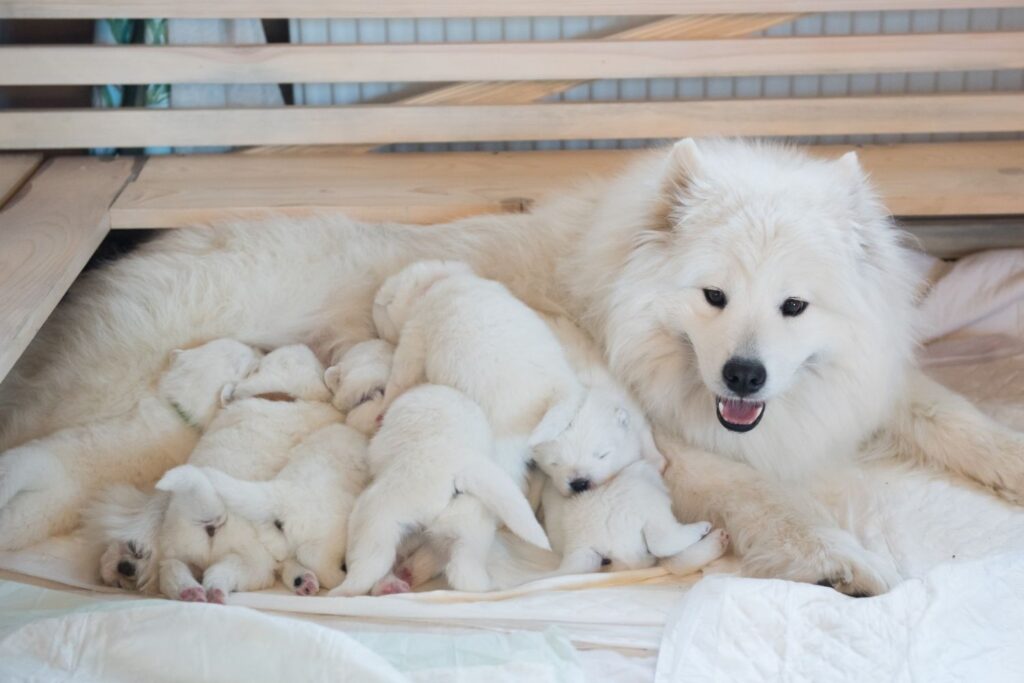
State level inspection reports show that many facilities marketing designer litters keep dozens of dogs in cramped, makeshift structures as stated by the ASPCA. These setups often appear clean when photographed for buyers but look vastly different during surprise inspections. Investigators repeatedly found limited ventilation, poor sanitation and dogs confined in small cages for extended periods.
Conditions like these create an unseen cost. Puppies sold as premium “boutique” dogs often originate from environments where basic care is difficult, and the public rarely learns the truth.
3. Online ads help large breeding networks stay anonymous.

Investigators tracking digital listings discovered that many sellers use rotating phone numbers, vague locations and changing brand names, as reported by USA Today. This structure allows backyard breeders to avoid accountability while maintaining a constant flow of puppies. The anonymity lets them move animals quickly without revealing the size or conditions of the breeding operation.
That anonymity becomes a shield. Buyers often meet sellers in parking lots or neutral locations, never realizing how many adult dogs are producing litters behind the scenes.
4. Designer mixes encourage nonstop breeding cycles.

Because designer dogs are marketed as rare, some breeders keep females in continuous cycles to meet demand. Investigators found dogs bred again soon after recovery, reducing their health and life expectancy. These cycles create a factory style schedule that focuses on output rather than well being.
This relentless pace affects every generation. Puppies may inherit weakened immune systems, and the mothers often show signs of exhaustion long before breeders retire them.
5. Viral trends drive rapid expansion of backyard operations.
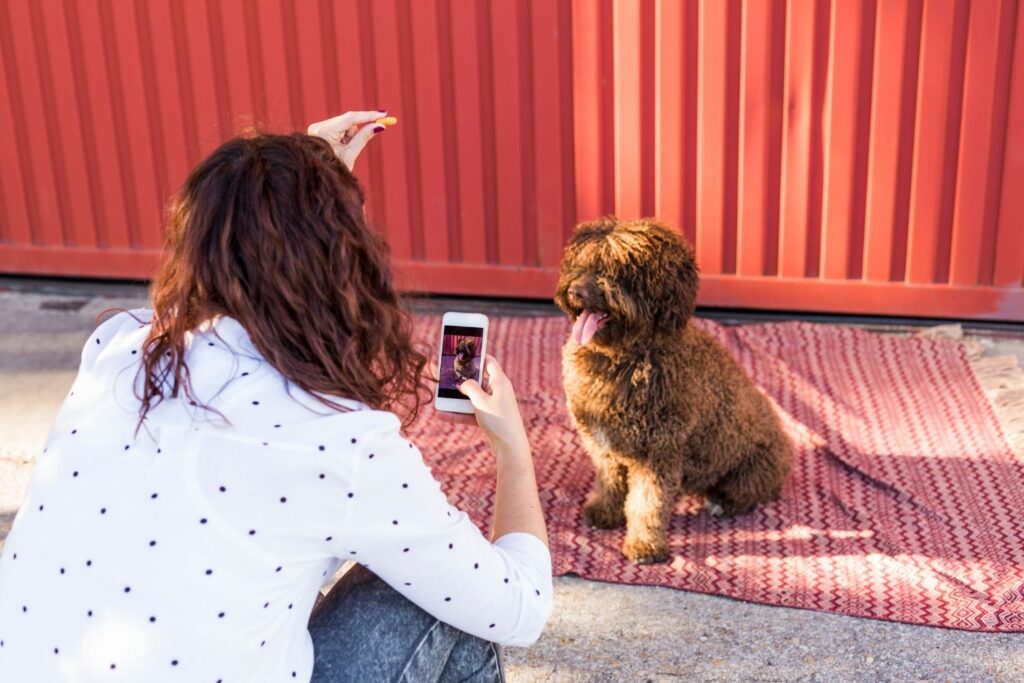
When a breed mix goes viral on social media, demand often doubles overnight. Backyard breeders react immediately, producing litters long before responsible breeders could plan or health test for them. The sudden popularity of doodles revealed how quickly a trend can become an industry, attracting those interested in profit rather than preservation.
These cycles repeat constantly. As each new mix emerges, new operations appear, amplifying the same problems across regions.
6. Many buyers assume designer mixes avoid genetic issues.

Marketing often suggests that mixed designer breeds are naturally healthier, but investigators found the opposite in many cases. Without health testing, puppies inherit conditions from both parent lines. Families frequently report early onset joint issues, cardiac concerns or chronic allergies, realizing too late that the absence of oversight increases risk.
This misunderstanding creates a false sense of safety. Backyard breeders rely on it, knowing buyers rarely ask for medical histories or lineage documentation.
7. Transporters move puppies long distances to mask origins.

Investigators discovered routes where vans move litters across state lines to create the appearance of local breeding. Puppies may travel hundreds of miles before meeting a buyer, making it impossible to know how many dogs were bred at the original site or in what conditions. Some transporters operate like small distributors, delivering puppies to multiple middlemen.
This movement erases the trail. By the time a puppy is sold, the original breeder is several layers removed from the transaction.
8. Backyard breeding increases disease spread across regions.

Large, unregulated breeding operations often lack vaccination protocols, making outbreaks more likely. Investigators have documented cases where puppies exposed to parvo or respiratory infections moved through several buyers before symptoms appeared. Each sale widens the network of risk and complicates tracking.
The consequences reach shelters too. Sick designer puppies surrendered by overwhelmed owners add medical costs and strain to already crowded systems.
9. Retired breeding dogs face uncertain futures.

When backyard breeders no longer profit from older dogs, many are surrendered, abandoned or sold cheaply online. Investigators frequently rescue adult dogs with limited socialization, dental disease or untreated injuries. Their years spent breeding leave them vulnerable once their litters stop generating income.
Their recovery requires time. Shelters and rescues step in, but the emotional and medical toll of years in confinement can be profound.
10. Public demand remains the key driver behind the pipeline.

Investigators repeatedly emphasize that the entire system survives on consumer demand for novel mixes. Each purchase from an unknown seller supports a chain that hides suffering behind playful names and pretty photos. Awareness becomes the first tool for dismantling it, shifting families toward reputable sources that prioritize health and humane care.
Change grows with informed choices. When demand shifts toward ethical breeders and adoption, the pipeline loses its strength, and dogs gain the protections they deserve.