
Heavy rains peeled back layers of mud to expose a prehistoric trail.
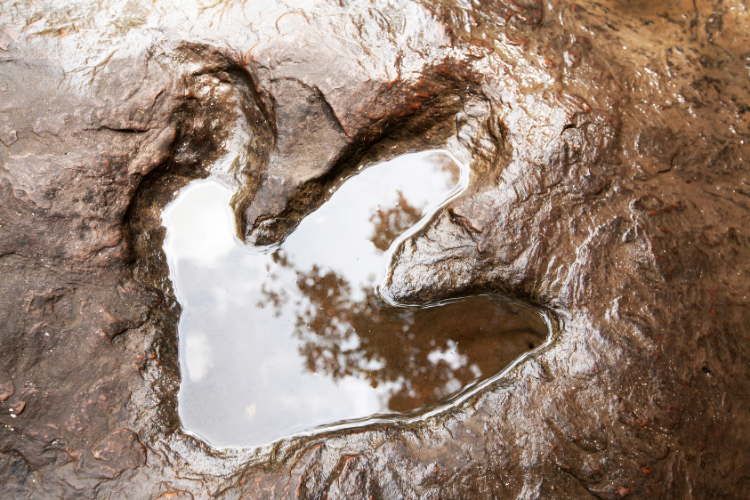
After weeks of flooding in parts of Texas, riverbeds are drying just enough to reveal something far older than fallen trees or debris. Underneath the washed-out sediment, a network of dinosaur tracks has appeared, each footprint pressed deep into limestone more than 100 million years ago.
The discovery isn’t entirely new—these tracks have shown themselves in the past—but every reemergence brings a fresh rush of wonder. This time, both predator and herbivore tracks lie side by side, sketching out a fragment of an ancient drama left behind in stone.
1. Predatory prints belonging to Acrocanthosaurus were uncovered.
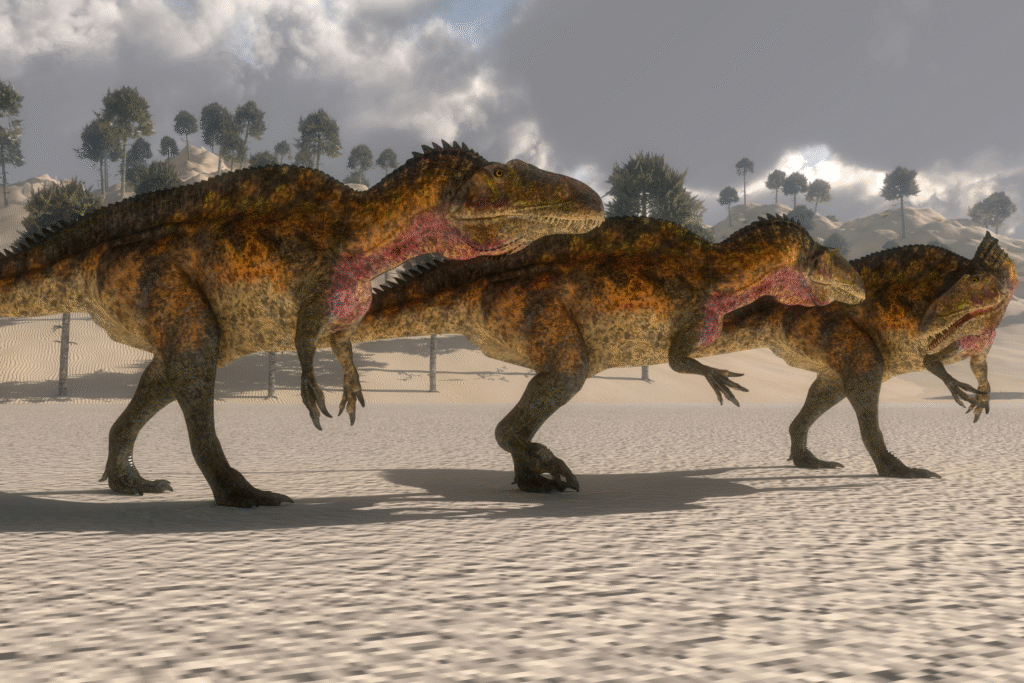
When the floodwaters receded, the three-toed marks of Acrocanthosaurus, a 15,000-pound carnivore, came sharply into view, according to the Texas Parks and Wildlife Department. These weren’t faint impressions. They were strikingly clear, each clawed step fixed into the riverbed as if the animal had just passed through.
Standing over them, visitors can imagine the scale of the predator that once ruled the floodplains of Cretaceous Texas. The tracks offer a frozen moment in time, where a massive hunter roamed the same ground now filled with picnics, hiking trails, and weekend anglers. The juxtaposition is hard to shake.
2. Sauropod tracks tell a quieter part of the story.
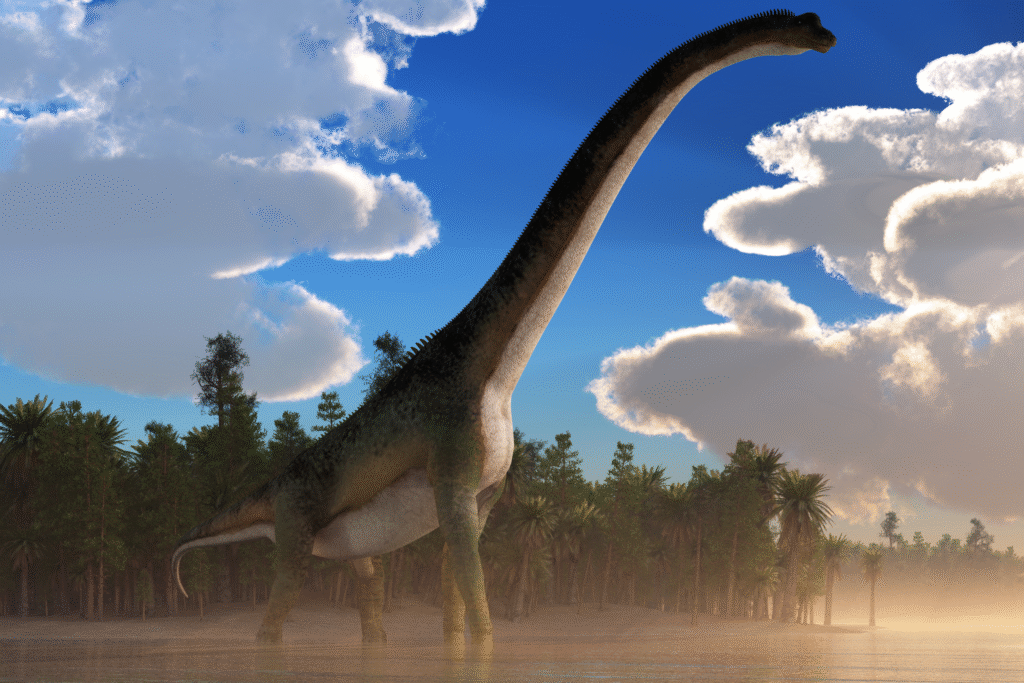
Not far from the predator’s path, massive round footprints etched by Sauroposeidon reveal the movement of a plant-eating giant, as stated by CNN. Unlike the sharp and pointed claw marks of Acrocanthosaurus, these impressions are wide, almost bowl-shaped, pressed into the limestone by sheer weight.
They trace the path of an animal longer than a school bus, moving slowly through the same mud that hardened into stone. Where the carnivore’s prints feel like a chase frozen in motion, the sauropod’s trail feels steady and deliberate, a snapshot of calm survival beside looming danger.
3. Floodwaters are what make the tracks appear at all.
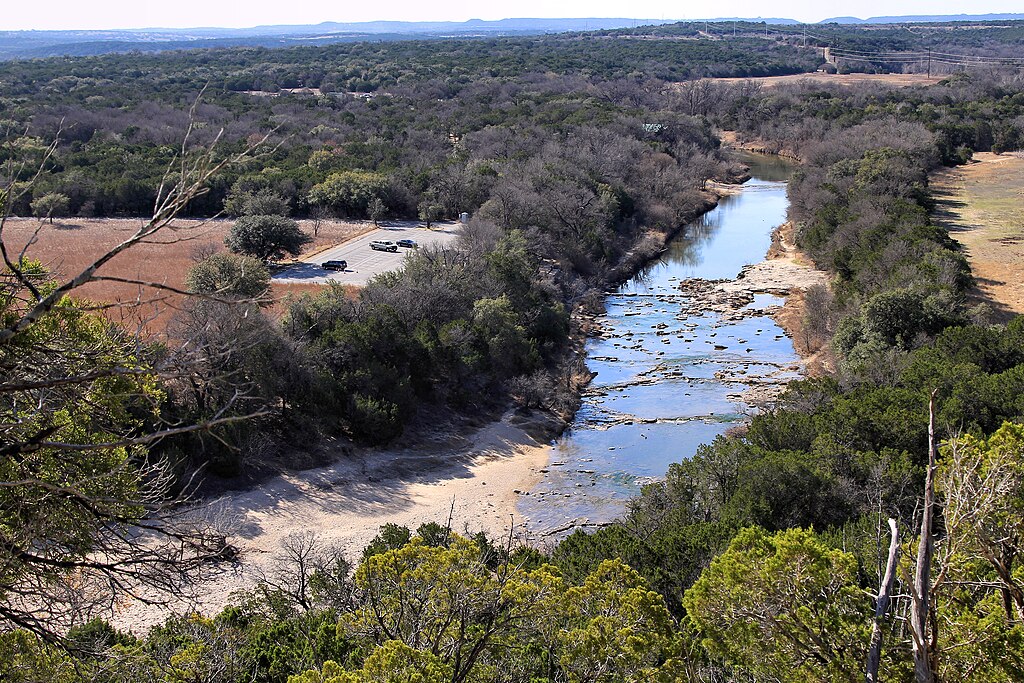
The Paluxy River’s tendency to flood, scour, and recede acts as a natural archaeologist, as discovered by researchers at Dinosaur Valley State Park. Most of the time, the tracks lie hidden beneath layers of silt and debris, protected but invisible. Then heavy rains wash the river clean, and suddenly the ancient trail is there for anyone willing to walk along its bed.
This rhythm of hiding and revealing turns every flood season into a chance encounter with history. Locals often anticipate these moments, knowing the river will eventually give up another round of secrets carved in stone.
4. Families are now flocking to the park for a glimpse.
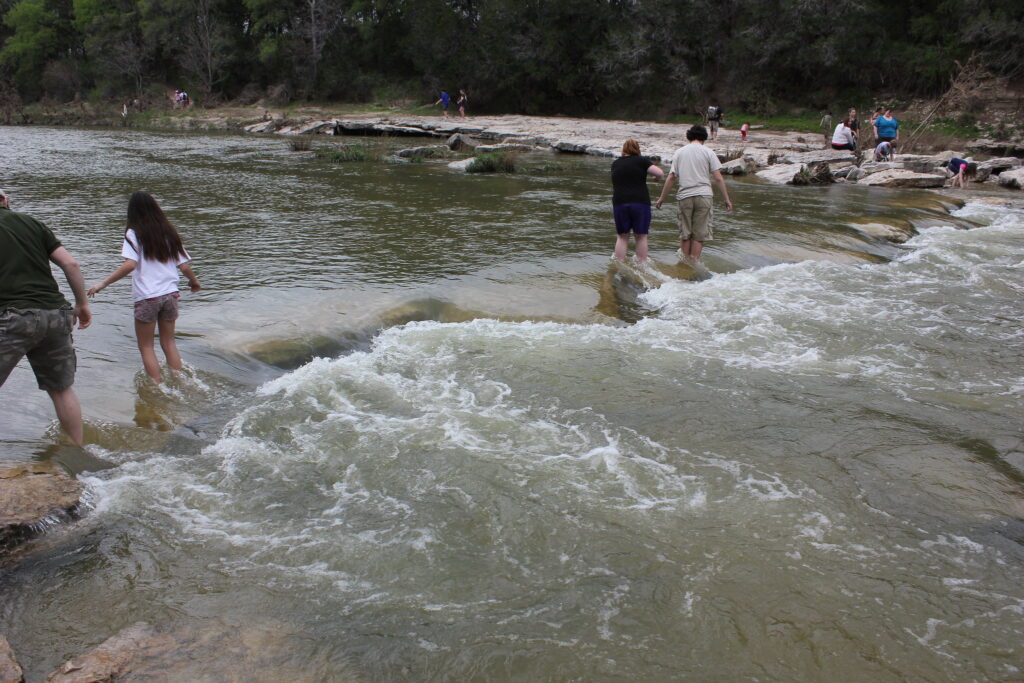
Word spread quickly once the tracks reappeared, and Dinosaur Valley State Park saw an uptick in visitors. Parents brought children, eager to stand in footprints left by giants, and hikers detoured just to see the prehistoric trail. For many, it was a reminder that history doesn’t only exist in books—it lives underfoot.
The park becomes more than a recreational escape during these moments. It transforms into a classroom without walls, where history and science mix seamlessly with adventure. That mix keeps the park buzzing with awe long after the tracks fade again.
5. The footprints reveal how ecosystems once overlapped.
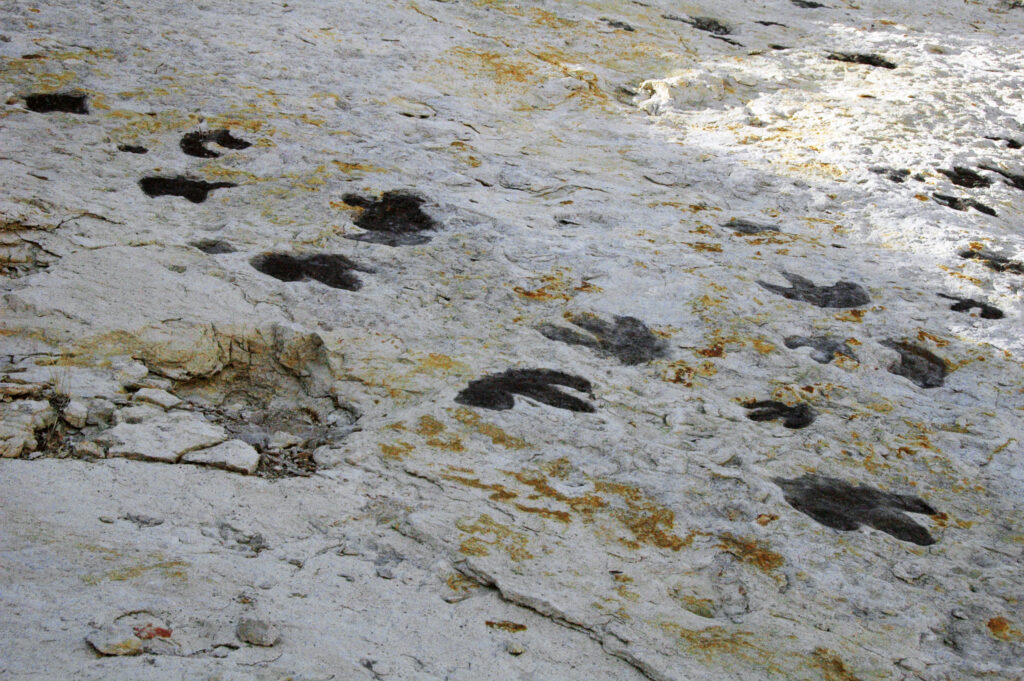
Seeing predator and herbivore tracks in the same stretch of limestone paints a vivid ecological picture. It suggests that these animals weren’t separated by time or territory—they moved through the same wetlands, perhaps even within sight of one another.
That overlap hints at ancient dynamics where survival and danger constantly brushed against each other. For modern observers, it’s like catching the faint outline of an old story where setting, characters, and action all converge in a single patch of rock.
6. Preservation is a constant concern for scientists.
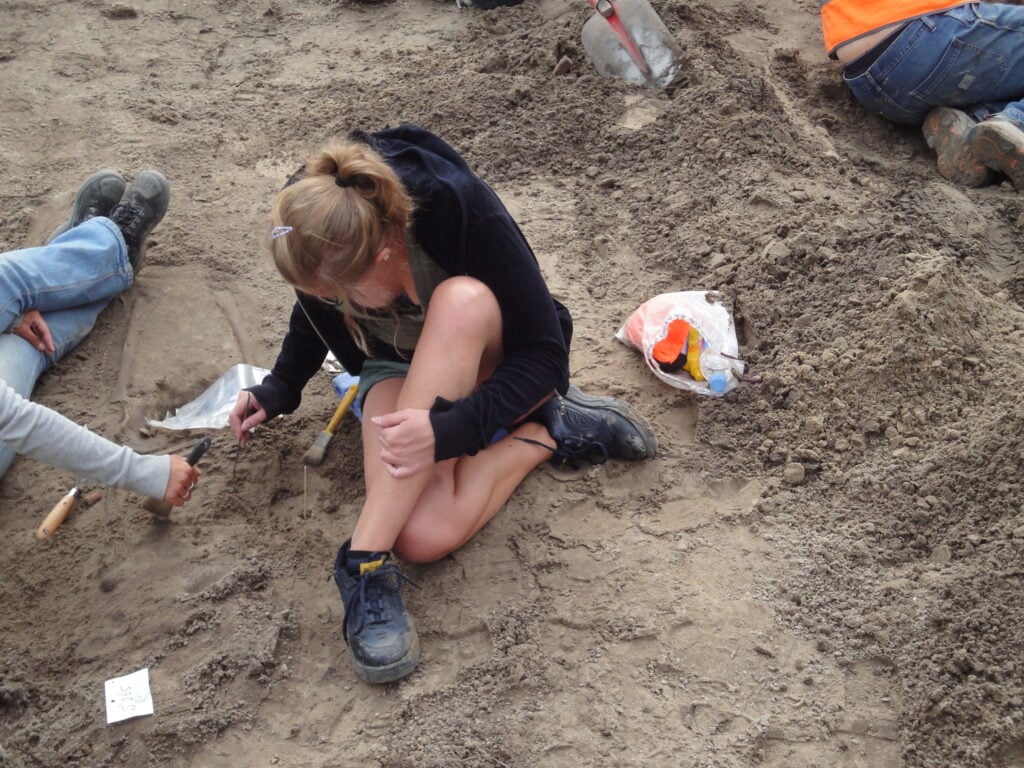
The same floods that reveal the tracks also threaten them. Erosion, weathering, and human traffic all risk damaging impressions that have lasted millions of years. Scientists and park officials regularly step in to map, photograph, and sometimes even cover the tracks again for protection.
Balancing public access with conservation remains tricky. Visitors want to stand inside the footprints, while scientists want to ensure those steps remain visible for generations yet to come. The solution is usually temporary exposure, followed by deliberate preservation.
7. Technology is giving the tracks a second life.
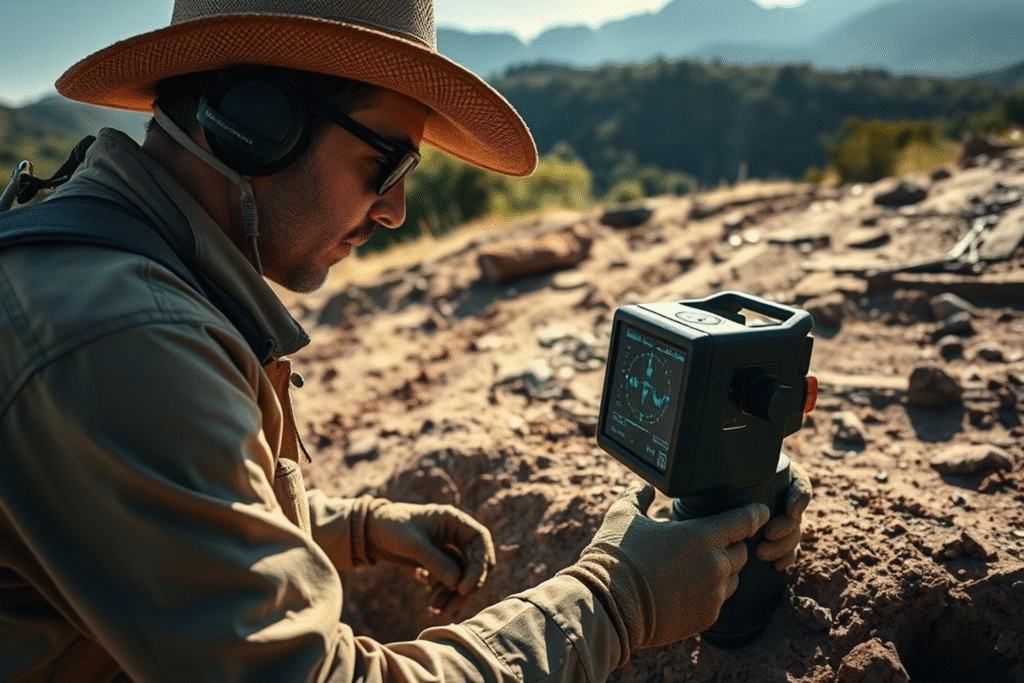
When footprints reappear, researchers rush to capture them with 3D mapping, drones, and digital scans. These tools preserve the details even after the river buries the tracks again. For scientists, this means they can analyze the shape, depth, and stride without depending on unpredictable floods.
The technology also gives the public access to virtual replicas, letting anyone examine dinosaur tracks without traveling to Texas. It’s a blend of old and new—prehistoric footsteps immortalized by cutting-edge tools.
8. Locals see the tracks as part of their identity.
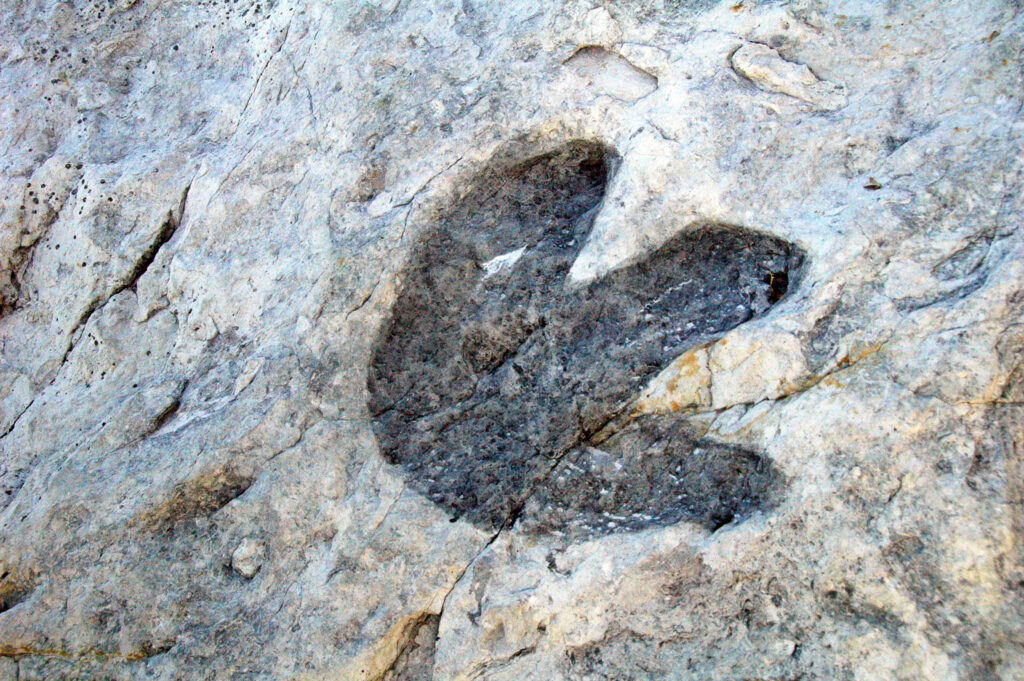
For communities around Glen Rose, the riverbed footprints aren’t just scientific curiosities—they’re cultural landmarks. Residents take pride in living near a place where dinosaurs once walked, and the reemergence of tracks brings a sense of local ownership.
This pride shows up in school trips, roadside attractions, and the casual way residents talk about the Paluxy. It’s part of the landscape, part of the story of Texas, and part of what keeps people connected to their home.
9. The tracks remind us how fleeting human time really is.

Standing inside the footprint of a dinosaur makes scale and time suddenly tangible. These impressions outlasted ice ages, extinctions, and the rise of humans. Yet they can vanish under a single season of river silt. That fragility contrasts with their age, leaving people to reconsider what permanence really means.
Moments like this tug at perspective. Human structures, roads, and cities feel solid, but they rarely endure even a fraction of what one dinosaur’s step has already survived.
10. Texas once again proves its land still holds surprises.
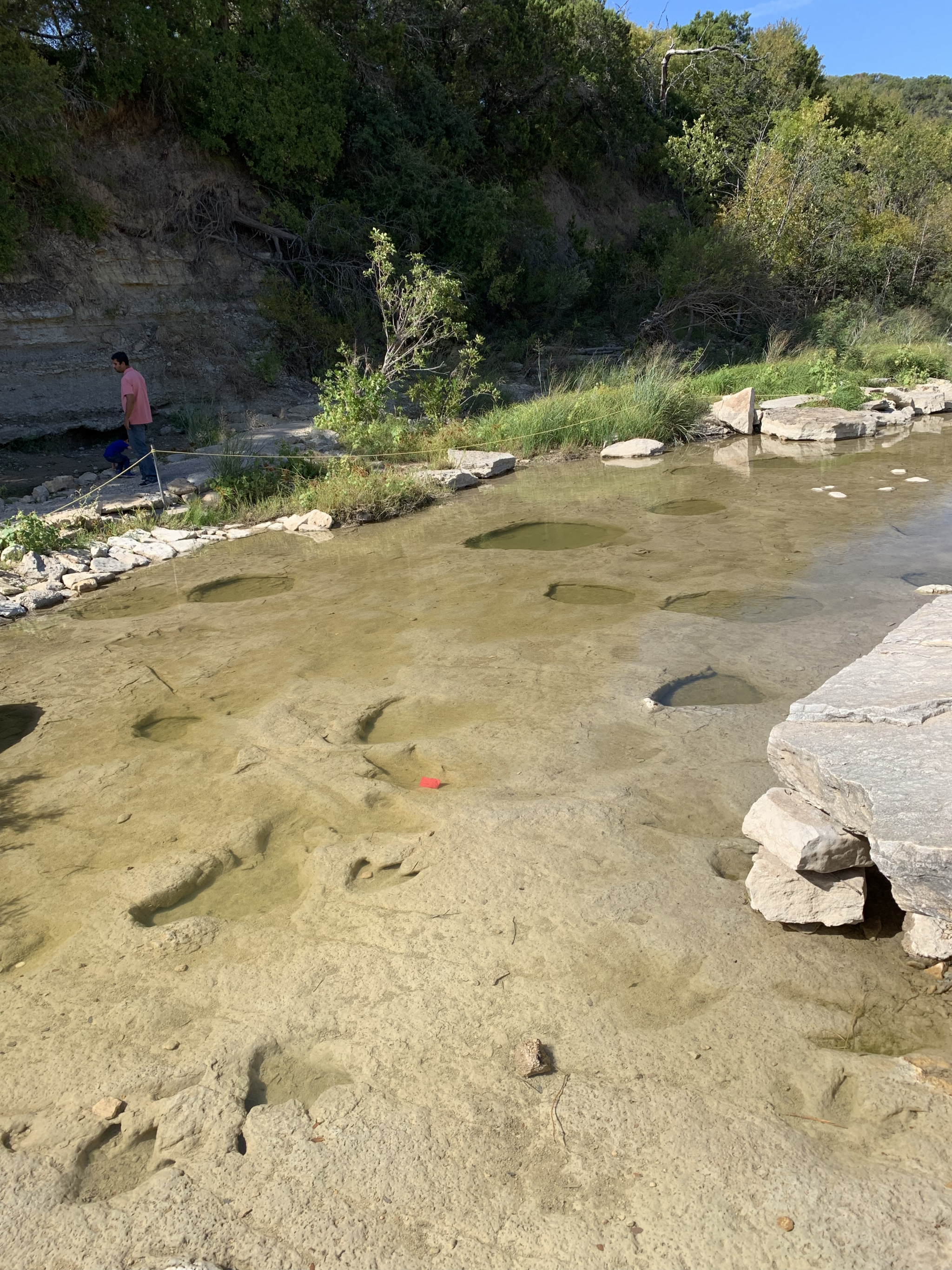
Every time the Paluxy River strips itself bare, the story of ancient life unfolds a little differently. Tracks appear, vanish, and reappear with each cycle, giving the land a voice that refuses to go quiet.
For visitors, the experience is both simple and extraordinary. They aren’t just looking at stone—they’re stepping into the shadow of creatures that ruled the Earth long before humans arrived. And in Texas, that reminder comes not from a museum display but from the living ground itself.