
Fossil graveyards finally show the real chaos.
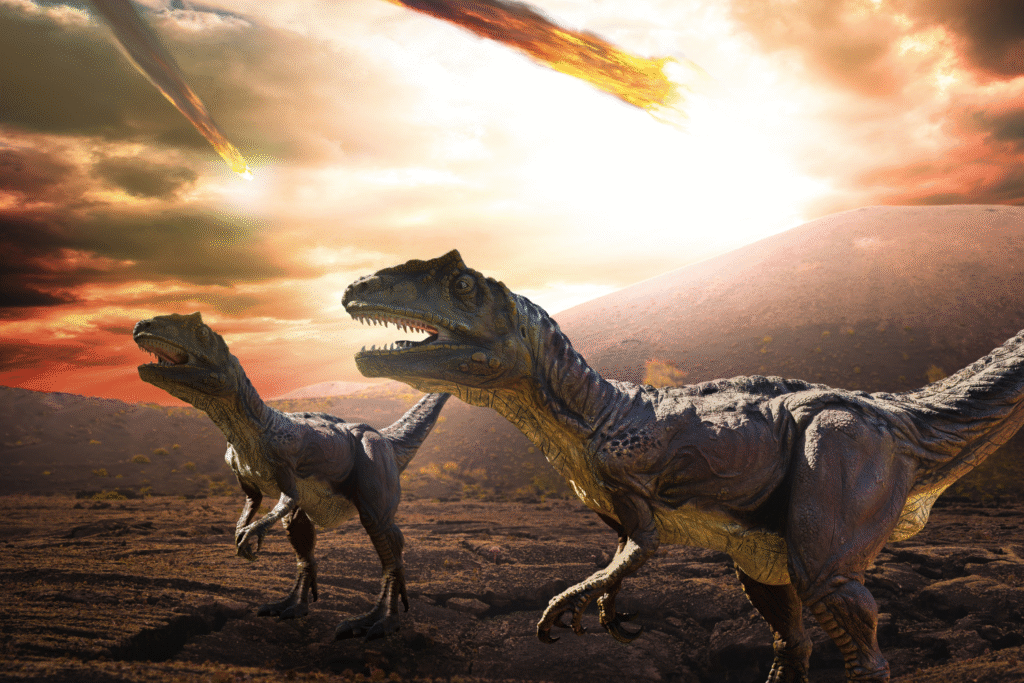
For decades, scientists understood the general story of dinosaur extinction. A massive asteroid slammed into Earth 66 million years ago, and our planet’s mighty reptiles vanished forever. But the details remained frustratingly fuzzy. We had the smoking gun, we had the victim, but we never really knew what the crime scene looked like. That picture is changing dramatically as researchers uncover fossil sites that capture not just death, but the brutal, violent moments when extinction began. These discoveries reveal that the final hours for dinosaurs weren’t the quiet fade scientists once imagined, but rather a nightmare of glass rain, crushing waves, and suffocating debris.
1. Glass bullets rained from the sky like deadly hail.
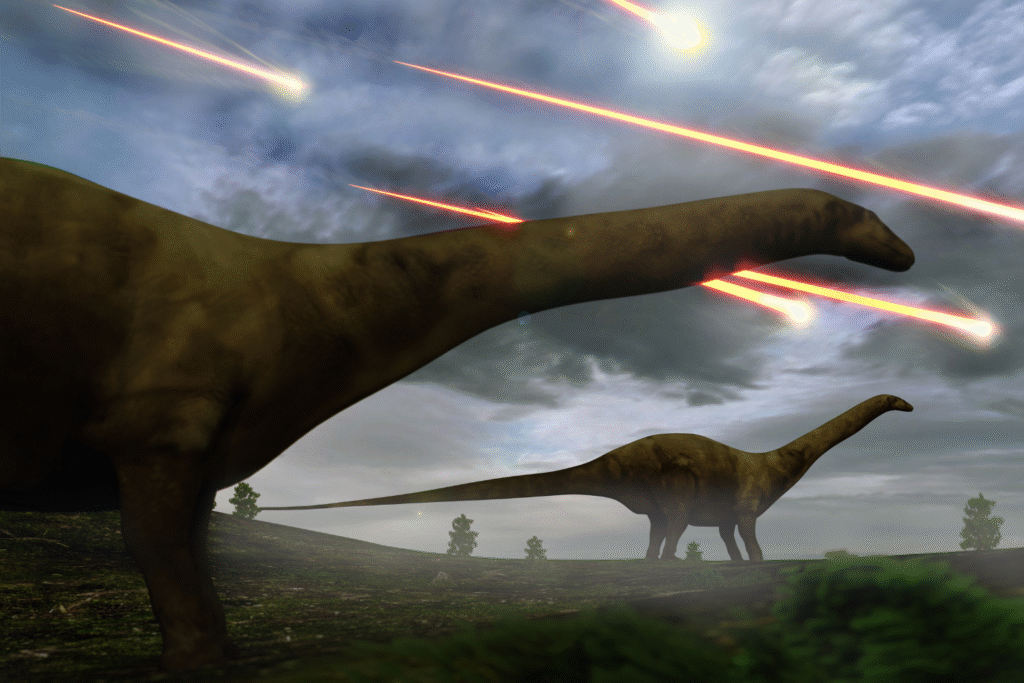
When that six-mile-wide asteroid punched through Earth’s atmosphere 66 million years ago, it vaporized rock and sent billions of tiny glass spheres screaming back toward Earth at terminal velocity. According to University of Washington researchers who studied the Tanis fossil site in 2019, these glass bullets moved at roughly 200 miles per hour and could have killed any creature standing in their path.
Scientists found these deadly spherules jammed in fossilized fish gills at North Dakota’s Hell Creek Formation. Rather than just passing out, these fish were literally choking to death on glass while desperately trying to breathe. The spherules probably ignited wildfires across entire continents too.
2. Massive earthquake waves turned rivers into killing machines.
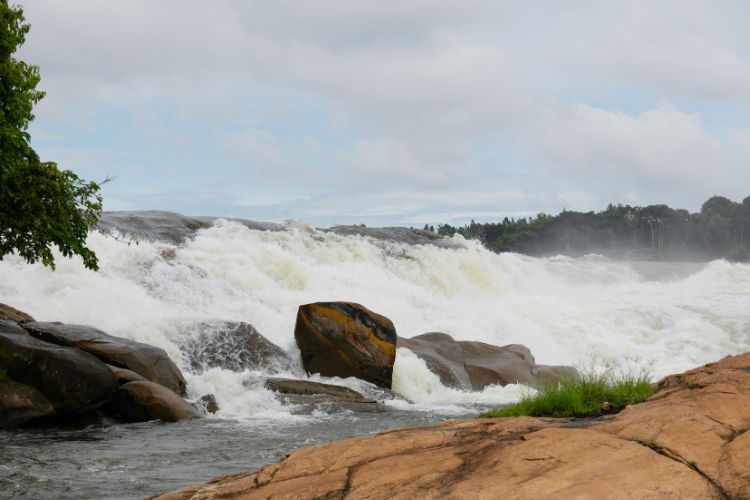
Here’s what happened next. Minutes after impact, seismic shock waves raced through Earth’s crust at incredible speeds, creating what scientists call seiches – basically standing waves that slosh back and forth like water in a bathtub you’re violently shaking. Rivers that had been flowing peacefully for millions of years suddenly turned into churning death traps, actually flowing backwards as massive walls of debris swept inland. The beginning of the end started with violent shaking that raised giant waves in an inland sea, as reported by paleontologist Robert DePalma in his 2019 study.
These waves hit heights of over 30 feet, scooping up fish, dinosaurs, trees, and sediment like some horrific blender. The fossils tell the story, creatures jumbled together standing straight up, frozen mid-tumble.
3. Dinosaurs were buried alive under debris avalanches.
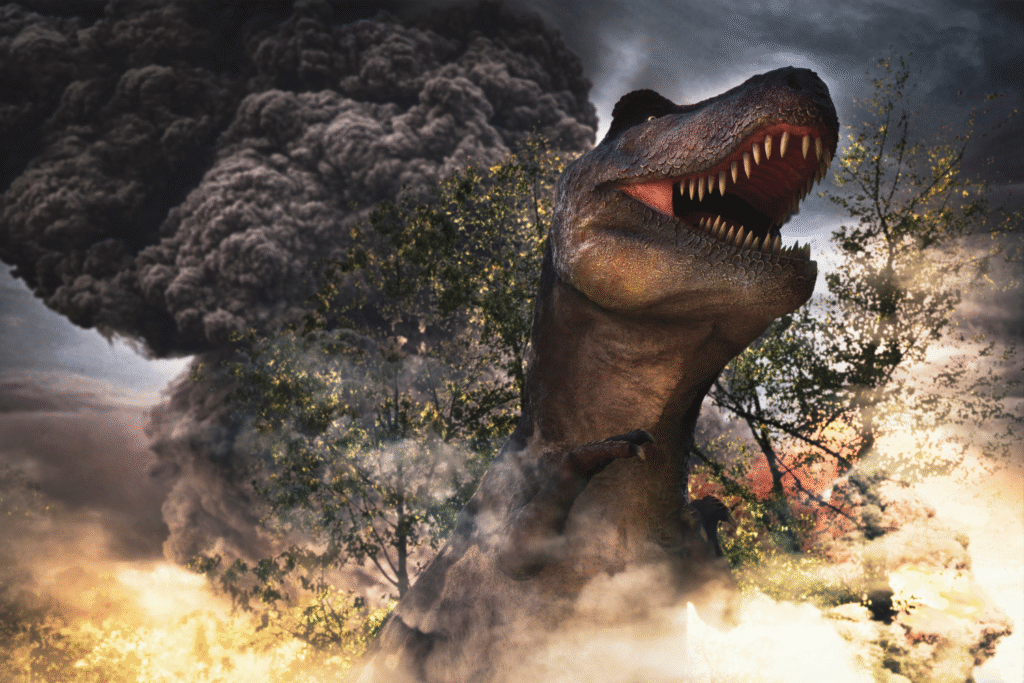
When the seiche waves finally pulled back, they left behind a landscape that had turned into a death trap. Any animals that somehow survived the glass rain and crushing waves found themselves trapped beneath tons of sediment that piled up with shocking speed. This wasn’t some gentle burial – it was more like getting caught in a concrete mixer filled with mud, sand, dead fish, and shattered trees.
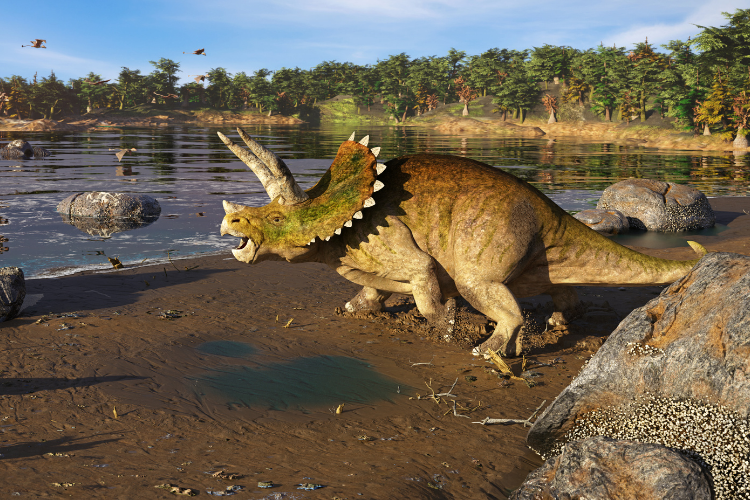
As discovered by DePalma’s team during their six-year excavation, at least two huge seiches hit the land maybe 20 minutes apart, dumping six feet of deposits over everything. The fossils capture the suffocating end: Triceratops with their skin still on, turtles stabbed through by wooden stakes, fish stacked up like cordwood.
4. Fighting dinosaurs reveal prehistoric battles frozen in time.
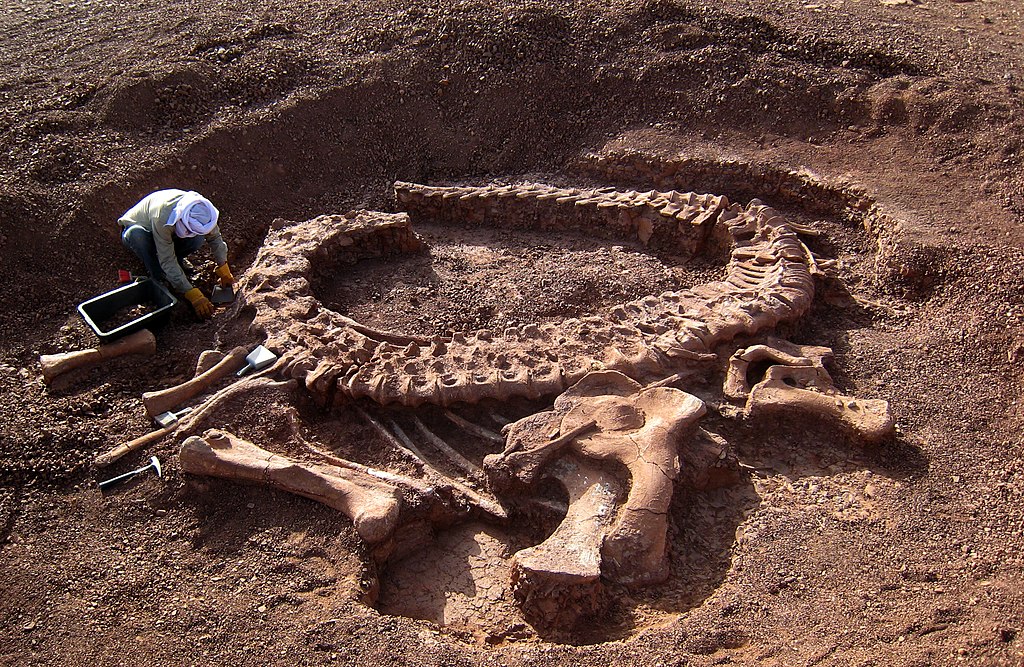
Long before that asteroid showed up, dinosaur life was way more brutal than most people realize. The famous “Fighting Dinosaurs” fossil from Mongolia’s Gobi Desert, which got another look using fancy new imaging in 2024, shows a Velociraptor and Protoceratops locked in a death match from 75 million years ago.
Scientists studying Late Jurassic fossils found an Allosaurus hip bone with a massive hole punched clean through it, almost certainly from a Stegosaurus tail spike. The wound never healed, meaning this hit was lights out. Meanwhile, Stegosaurus neck plates are covered in Allosaurus tooth marks. The fossil record basically reads like a prehistoric crime scene where these animals were waging actual warfare on each other.
5. Mass disease outbreaks ravaged dinosaur populations before extinction.
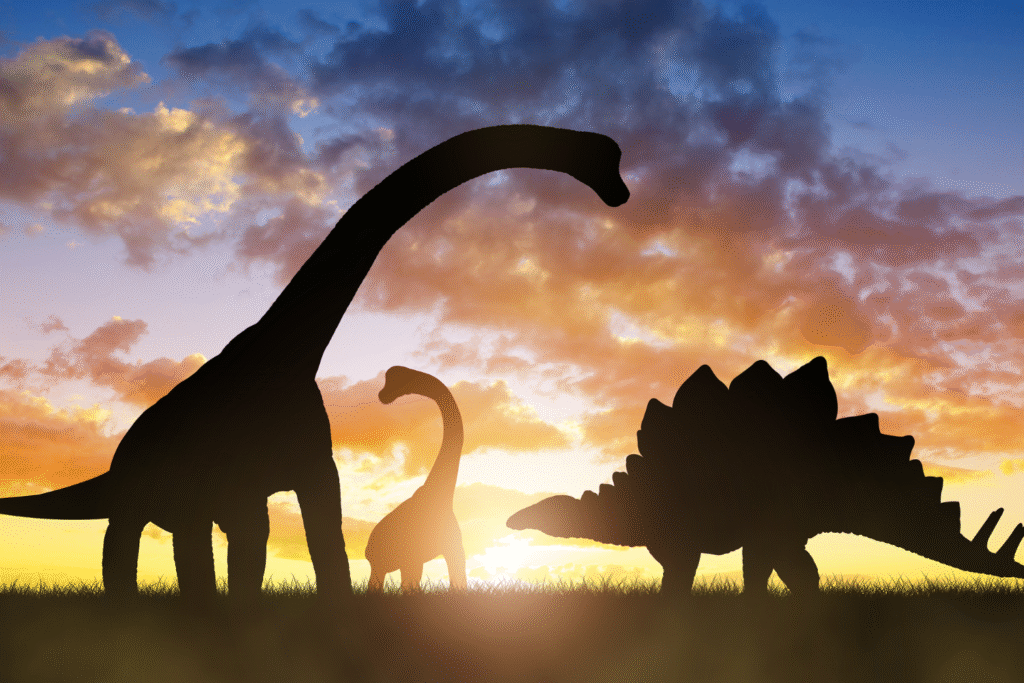
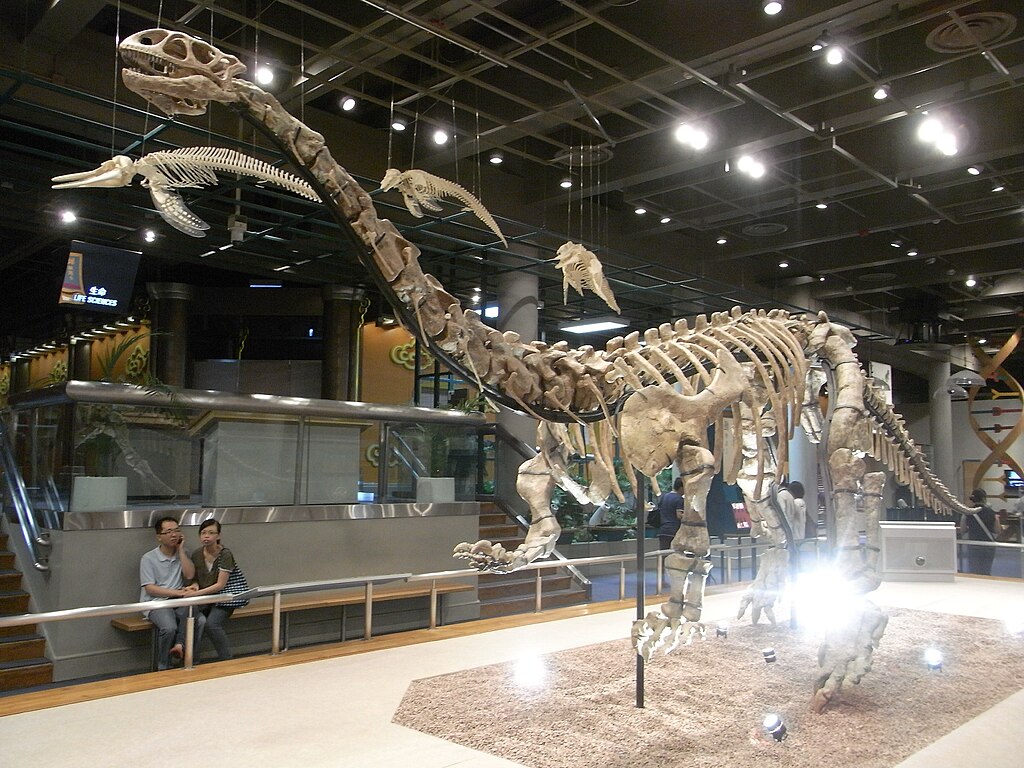
Turns out dinosaurs weren’t just dealing with outside threats – they were also fighting nasty diseases that were weakening entire populations. Research that came out in September 2025 looked at fossilized bones from Brazil’s Bauru Group and found that sauropod dinosaurs were suffering from brutal bone infections called osteomyelitis up to 80 million years ago, way before the final extinction.
These weren’t just minor health problems. The unhealed wounds show deadly germs were spreading through herds, causing painful bone rot and infections that could kill even the biggest creatures. Disease outbreaks might have been weakening dinosaur populations for millions of years, making them sitting ducks when the asteroid finally showed up. Climate changes probably created perfect conditions for bacterial outbreaks too.
6. Storm systems became prehistoric death traps for young dinosaurs.

Weather back then could be just as deadly as any predator, and fossil evidence from September 2025 shows how violent storms regularly wiped out entire generations. Baby pterosaurs found in Germany’s 150-million-year-old Solnhofen limestone have clear wing injuries from being violently thrown around by powerful storm systems.
These young flying reptiles, which University of Leicester researchers nicknamed “Lucky” and “Lucky II,” got caught in severe thunderstorms that literally broke their wings before tossing them into ancient lagoons where they drowned. Small, fragile dinosaurs and pterosaurs were especially vulnerable to these weather disasters, while bigger adults could usually tough out the storms. It shows how brutal nature was even on normal days.
7. Ecosystem collapse turned herbivores into walking skeletons.
The real killer might not have been the initial impact but the slow starvation that came after, as plant life across the planet just withered and died. Analysis of fossilized plant material from the end-Cretaceous boundary, finished in 2024, shows the asteroid impact basically shut down photosynthesis for months or even years.
Without sunlight getting through the debris-filled atmosphere, plants couldn’t make food, and the whole food web just disappeared. Massive plant-eating dinosaurs that needed tons of vegetation every day suddenly found themselves in a world where their food had vanished overnight. Many survived that first day only to slowly starve to death, their bodies gradually wasting away as they searched desperately for anything green.
8. Pathological skull injuries show dinosaurs engaged in deadly head-butting contests.
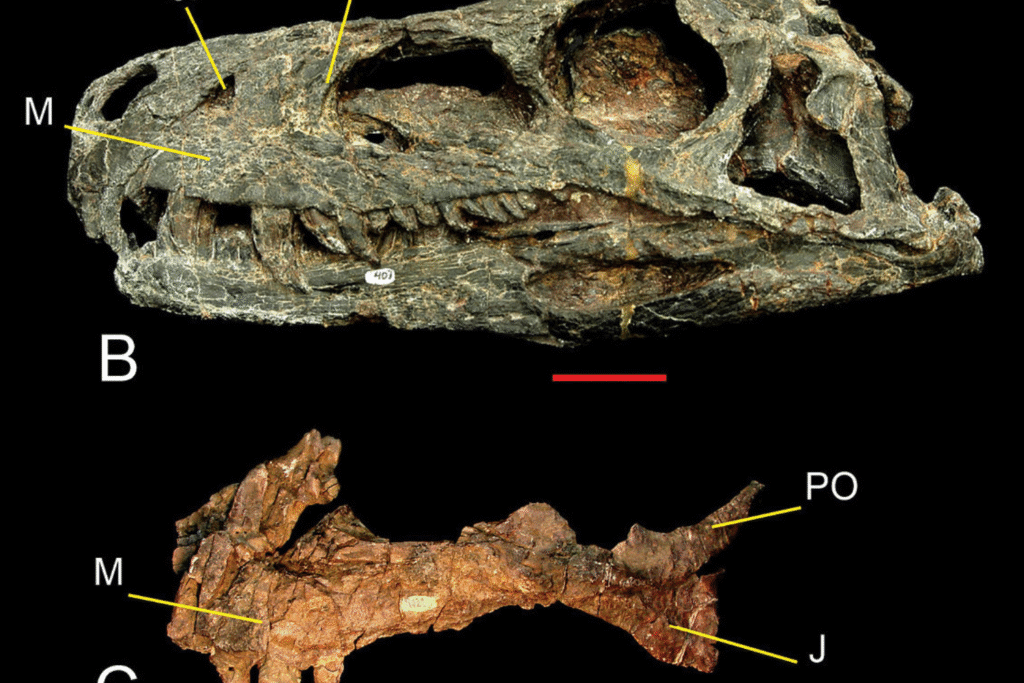
Recent finds from Argentina’s Ischigualasto Formation revealed the oldest evidence of violent behavior in dinosaur history, going back 230 million years. Researchers looking at herrerasaurid specimens in 2025 found damaged skull bones that clearly show these early dinosaurs were literally beating each other’s brains in during fights over territory or mates.
The injuries never healed, meaning many of these fights ended in death. Unlike predator-prey violence, these wounds suggest ritualized combat between the same species, kind of like bighorn sheep smashing heads together. This discovery pushes back the timeline of dinosaur violence by millions of years, showing that brutal competition within species was baked into their DNA from the very beginning.
9. Crushing versus slashing reveals two distinct killing strategies among giant predators.
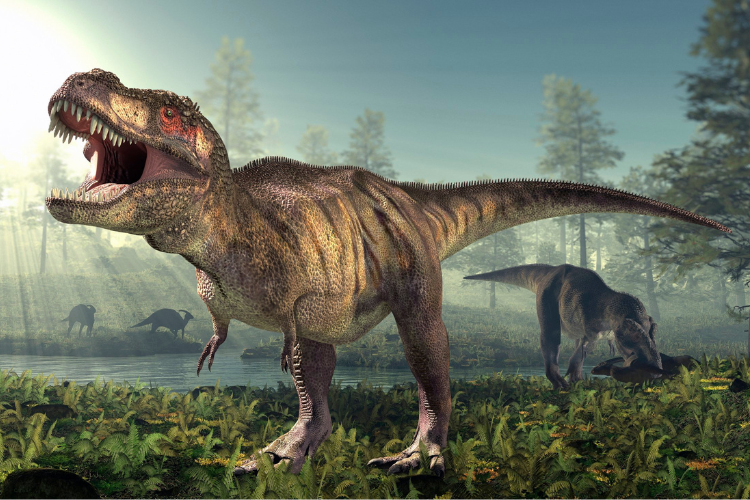
Advanced CT scanning done on dinosaur skulls in 2025 showed that giant predatory dinosaurs evolved two completely different ways to kill their prey. While Tyrannosaurus rex developed a skull built for crushing – literally pulverizing bones with bite forces over 12,000 pounds per square inch – other massive predators like Giganotosaurus went the slashing route, using razor-sharp teeth in a sawing motion.
T. rex could bite clean through a Triceratops spine, while Giganotosaurus caused massive bleeding wounds that killed through blood loss. Both strategies worked perfectly, but it paints a terrifying picture of ecosystems where plant-eaters faced multiple types of nightmare death depending on which apex predator found them first.
10. Microscopic analysis reveals dinosaurs died choking on their own blood.
The most disturbing evidence comes from microscopic examination of fossilized soft tissues, completed using cutting-edge techniques in 2025. Scientists analyzing dinosaur fossils from multiple sites found preserved blood vessels and lung tissues that show serious internal damage and respiratory problems during the final extinction event.
The tissue analysis shows many dinosaurs didn’t die instantly but experienced prolonged suffering as glass particles and debris accumulated in their breathing systems. Microscopic glass fragments embedded in fossilized lung tissue reveal these animals faced severe respiratory distress as their airways became clogged with debris and fluid. This research gives us the most detailed and sobering view of how individual creatures experienced the extinction event, showing the biological reality behind what was clearly a traumatic end to their lives.