
A hidden room is reshaping Roman social history.
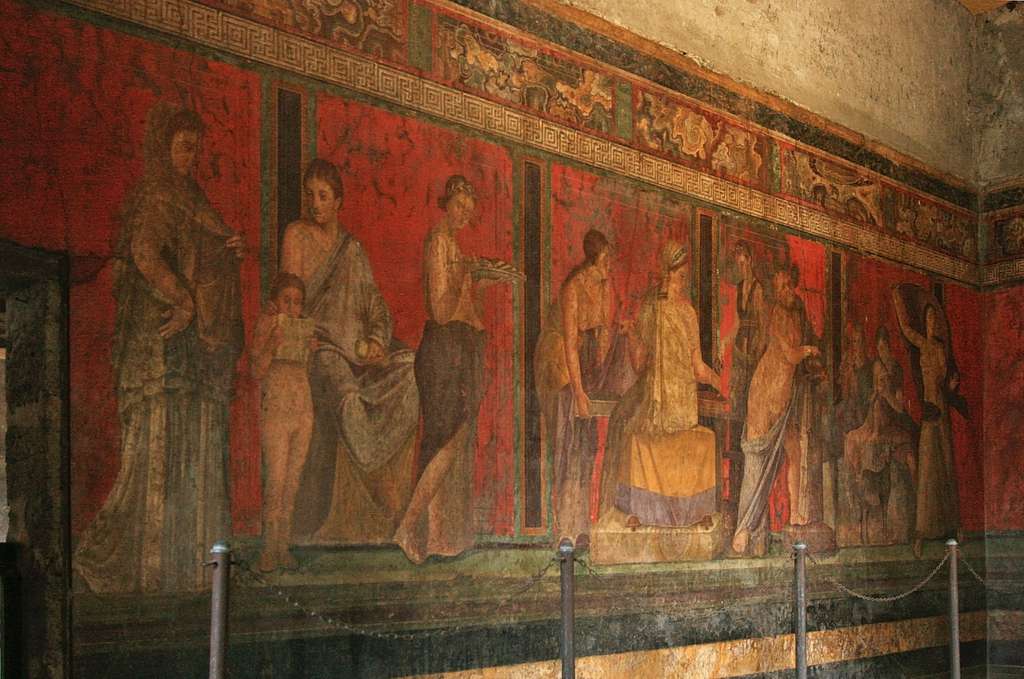
Archaeologists excavating Pompeii uncovered a lavishly painted chamber whose walls explode with color, movement, and ritual meaning. The frescoes depict Dionysian imagery at a scale and intimacy rarely seen inside domestic spaces. Found within a wealthy residence, the room appears designed not for quiet viewing but for immersive experience. The discovery raises new questions about how Roman elites staged identity, power, and belief during private gatherings. What looks like decoration may instead document carefully choreographed performances tied to status, secrecy, and ritualized excess.
1. The frescoes place Dionysus inside elite domestic life.

At first glance, the imagery appears theatrical, even excessive, with life sized figures surrounding the viewer. The presence of Dionysus inside a private dining space challenges assumptions that such cult imagery remained marginal or purely religious. Its placement suggests intentional integration into elite social rituals.
The frescoes were found in a banquet style room of a Pompeian domus, according to the Archaeological Park of Pompeii. Scholars note the god’s centrality implies hosts framed dining as ritual theater, blending religion, power, and spectacle within elite domestic performance.
2. Banquet guests were meant to feel surrounded.
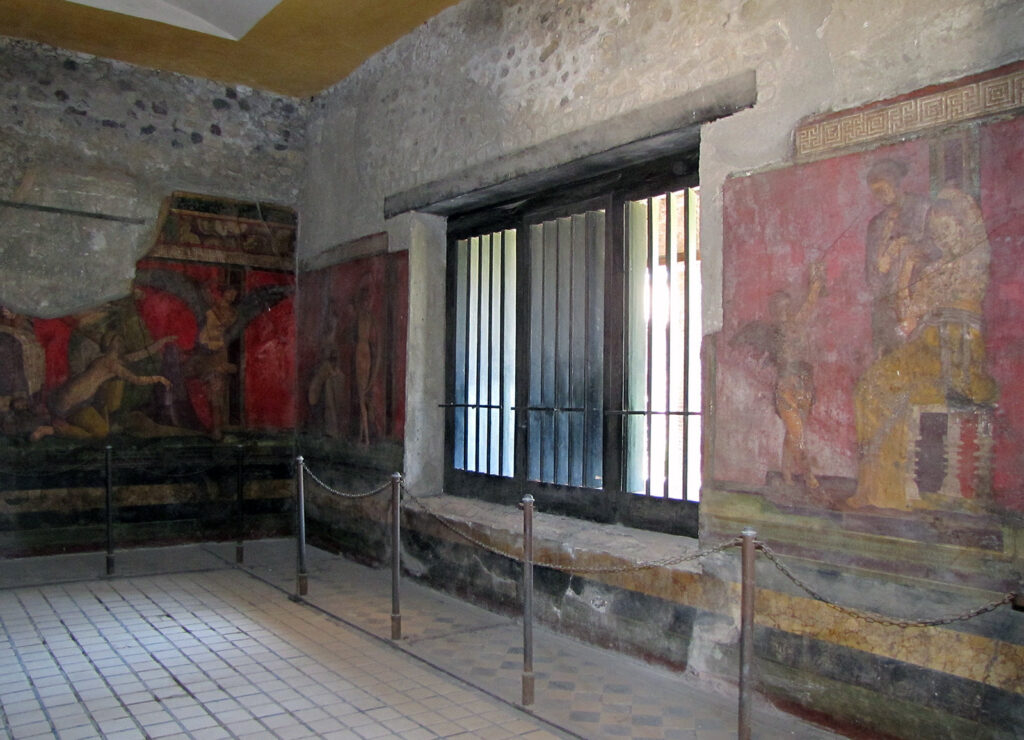
Unlike narrative panels meant to be observed passively, these frescoes wrap continuously around the room. Figures appear to move with the viewer, collapsing boundaries between art and audience. The effect would have intensified as banquets unfolded.
Researchers describe the paintings as immersive rather than decorative, as reported by the Italian Ministry of Culture. This design suggests guests were not just diners but participants, visually absorbed into a Dionysian world while reclining, drinking, and negotiating status within the household.
3. Dionysian imagery signaled controlled transgression.
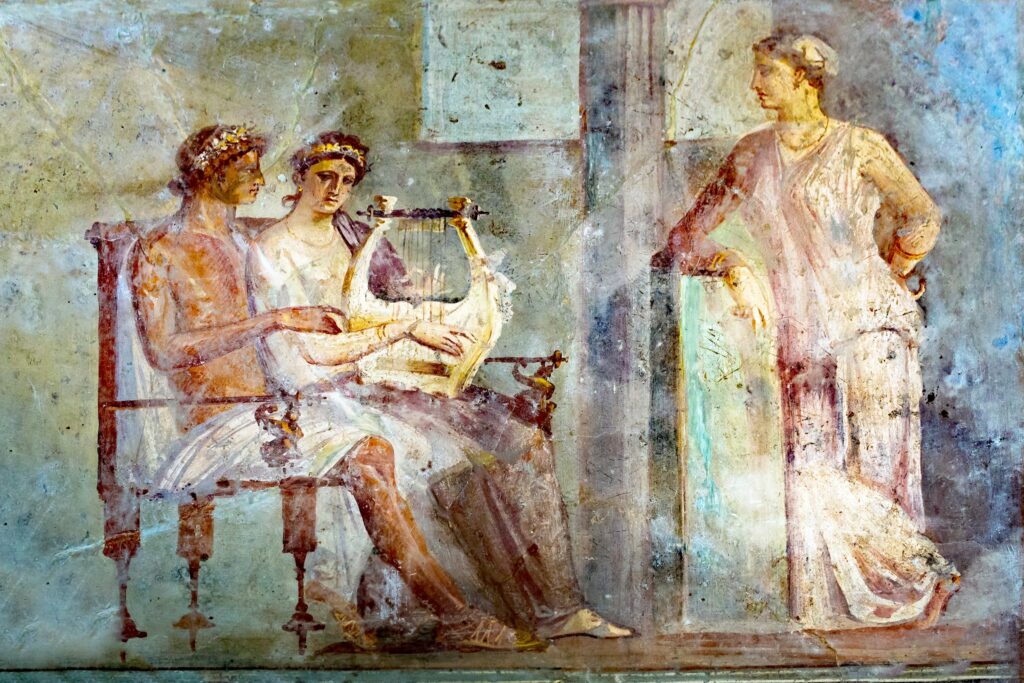
Dionysus represents ecstasy, chaos, and loss of restraint, all dangerous forces in Roman moral thought. Displaying such imagery publicly required confidence and control. The frescoes suggest elites claimed mastery over excess by staging it deliberately.
Art historians argue these scenes communicated dominance over disorder, as discovered by scholars cited in studies from the British Museum. Hosting banquets beneath Dionysian imagery framed indulgence as cultivated, signaling power through the ability to flirt with excess without losing authority.
4. The room’s layout reinforces ritualized dining.

The architectural proportions of the chamber align with known Roman triclinia, where guests reclined in specific arrangements. The frescoes interact with these positions, placing figures at eye level for diners rather than standing viewers.
This alignment suggests the paintings were designed alongside furniture placement. The ritual unfolded spatially, with guests consuming food and imagery simultaneously, reinforcing hierarchy, intimacy, and shared performance within a carefully managed social script.
5. Female figures complicate assumptions about cult roles.
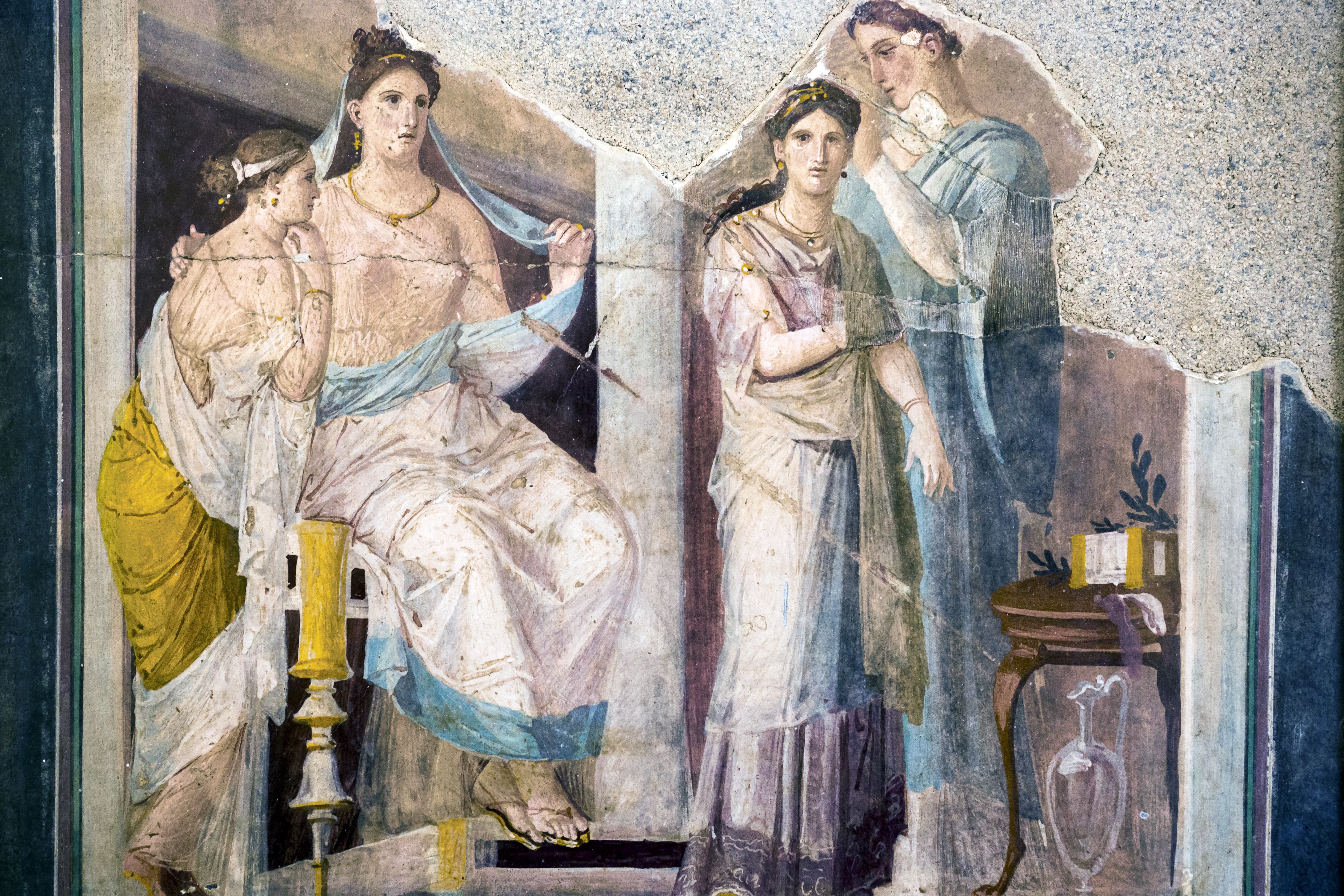
Several frescoed figures appear female, actively participating in Dionysian scenes. This challenges the idea that elite women were excluded from ritualized banquet culture or relegated to passive roles.
Their depiction suggests women may have been symbolically present even if physically absent. The imagery complicates readings of gender in elite ritual spaces, hinting that social performance extended beyond who attended to what identities were invoked visually.
6. The paintings blur entertainment and religious practice.

Roman banquets often featured music, poetry, and performance. These frescoes suggest religious symbolism merged seamlessly with entertainment. The gods were not distant but part of the evening’s atmosphere.
This blending implies religion functioned as social language. Invoking Dionysus during dining framed pleasure as sanctioned and meaningful, turning entertainment into ritualized expression rather than simple indulgence.
7. Preservation reveals intentional visual sequencing.
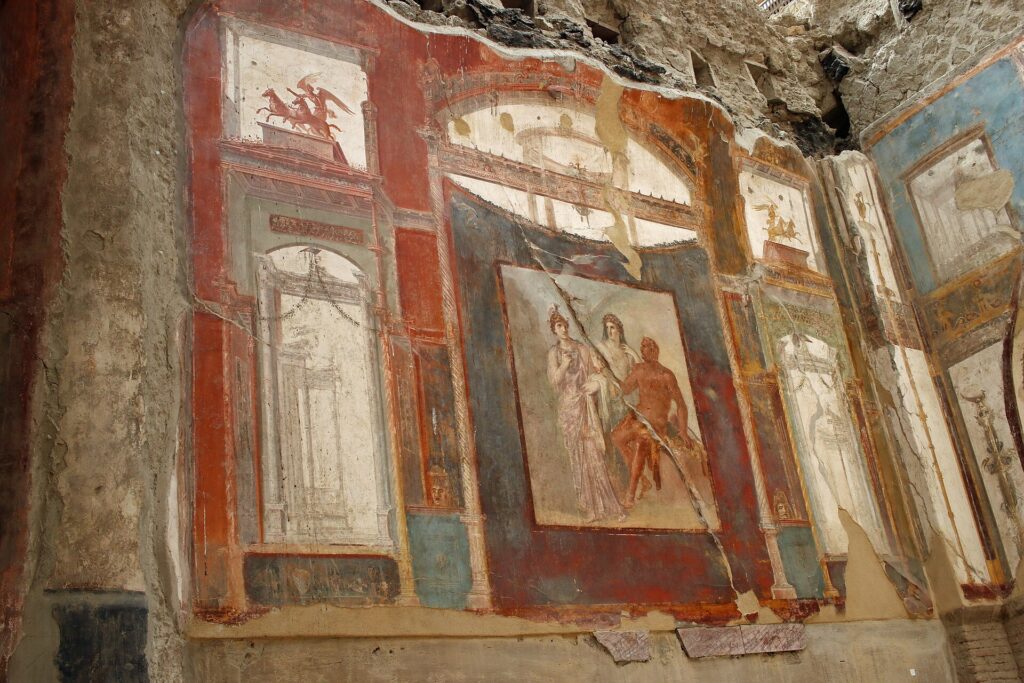
The frescoes appear arranged to guide the viewer’s gaze around the room in sequence. This suggests narrative planning rather than random decoration.
Such sequencing would unfold over the course of a meal. As conversation, wine, and light shifted, different scenes gained prominence, reinforcing the sense that banquets were staged events with visual pacing and symbolic progression.
8. The find reframes Pompeii elite identity.
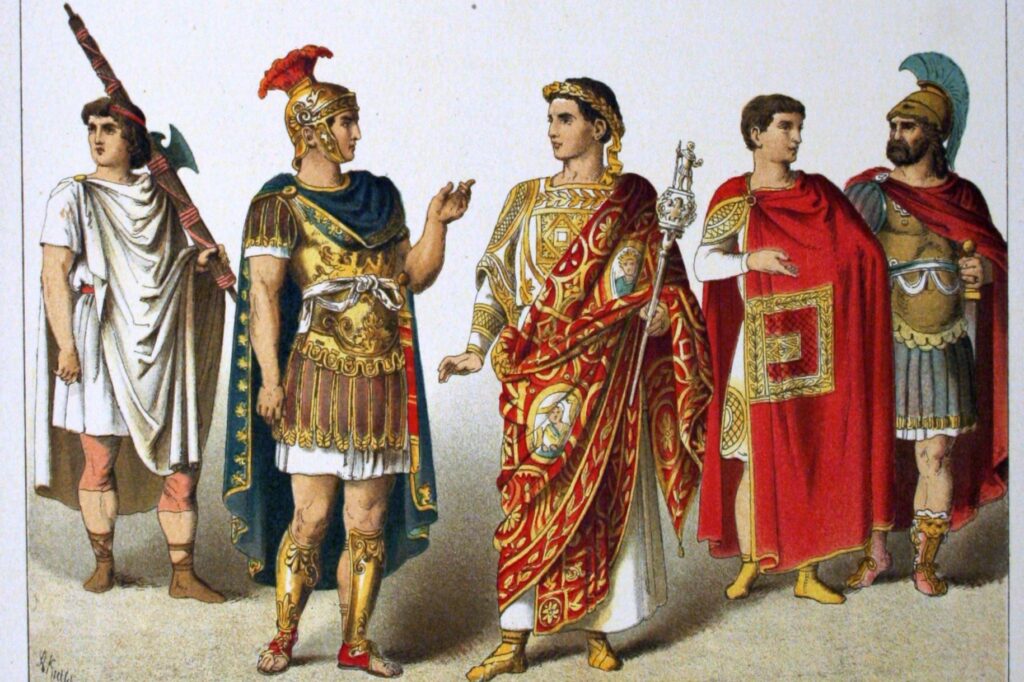
Pompeii’s elites have often been portrayed as imitators of Roman fashion. These frescoes suggest confident local identity, using bold imagery to assert sophistication and cultural fluency.
Rather than copying Rome, the hosts curated a space that fused religious depth with social ambition. The room signals that provincial elites actively shaped Roman culture rather than merely consuming it.
9. Ritual privacy mattered more than public display.
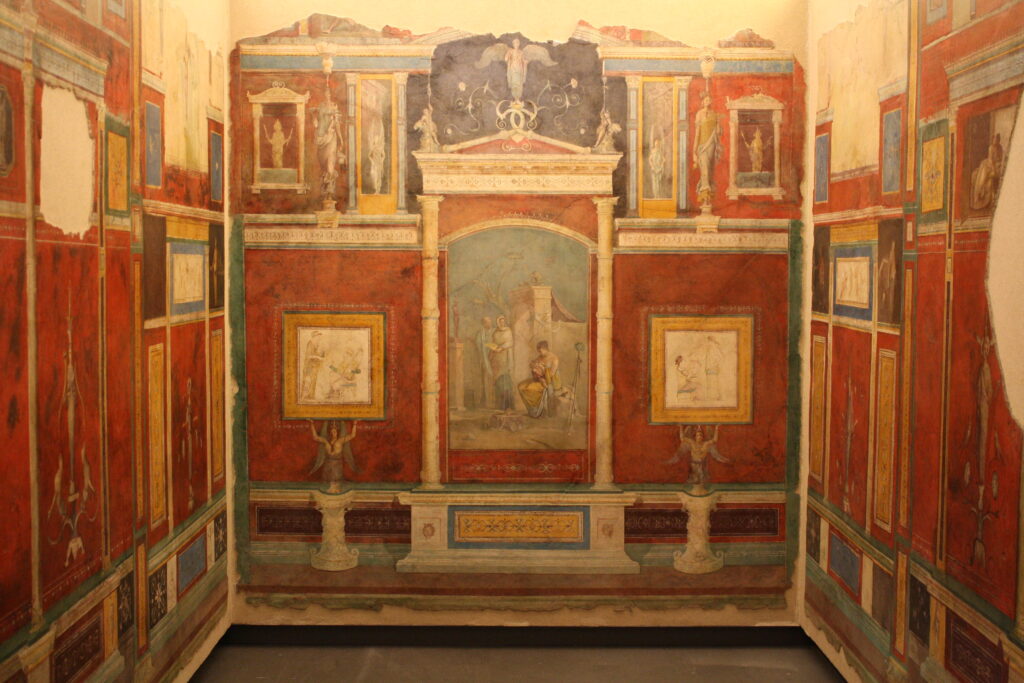
The frescoes were hidden from street view, accessible only to invited guests. This privacy implies the rituals were selective, not communal.
Such restriction heightened their meaning. Participation required invitation, reinforcing bonds and obligations. The art functioned as gatekeeper, marking insiders who shared knowledge, trust, and ritual experience.
10. The discovery reshapes Roman banquet interpretation.
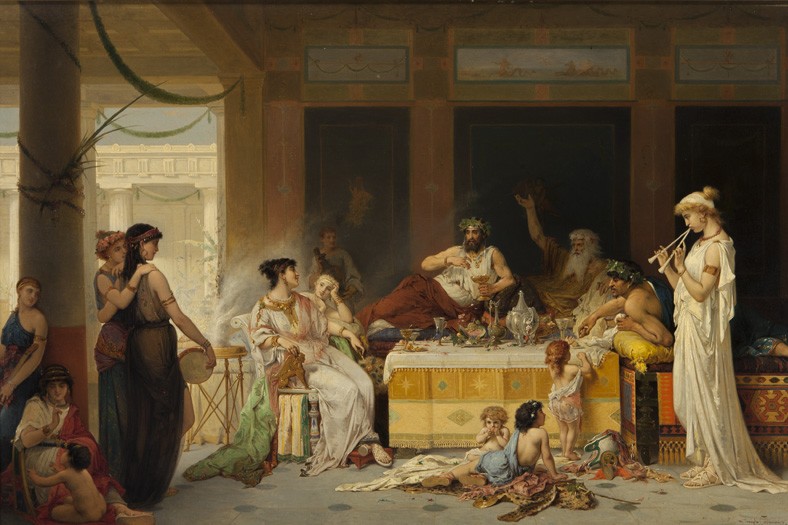
Previously, banquets were understood mainly through texts and tableware. These frescoes add immersive visual evidence of how space, belief, and performance merged.
The room suggests banquets were carefully choreographed rituals where art shaped behavior. This discovery forces historians to reconsider elite dining not as leisure, but as controlled ceremony central to Roman social power.