
Their disappearances are less mystery and more instinct.
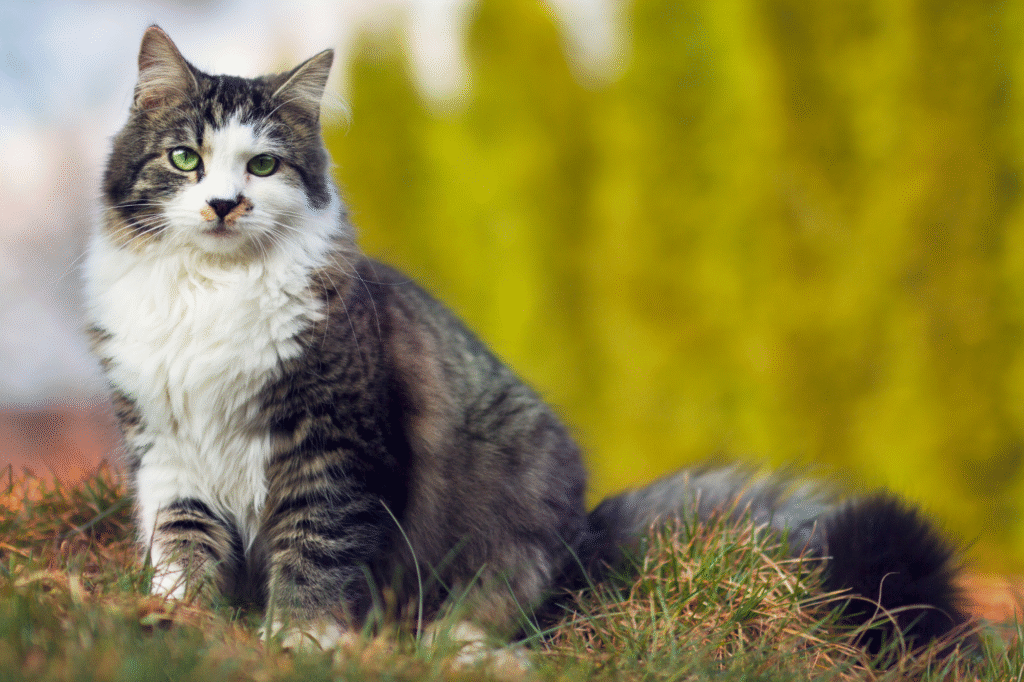
It’s one of the strangest parts of living with a cat—one day they’re stretched out on the couch, the next they’re gone without a trace. Then, just as quietly, they return days later as if nothing unusual occurred. New behavioral research is finally shedding light on why cats vanish and what they’re really doing out there. Their wanderings, it turns out, are rooted in biology, survival instincts, and complex territorial patterns. Behind every silent return is a story written in scent trails, weather patterns, and primal memory.
1. Territorial instincts drive them to patrol distant zones.
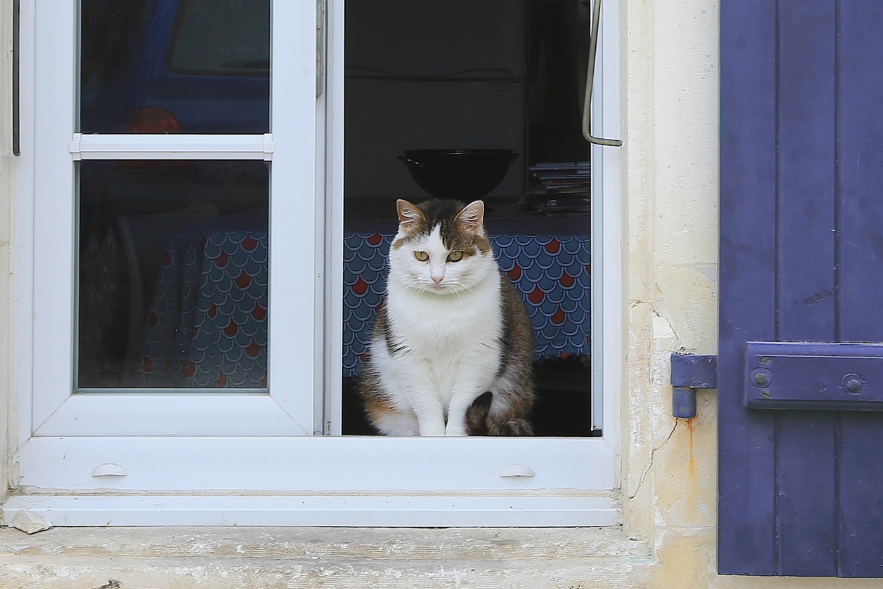
Cats operate on invisible boundaries mapped out by scent and memory. According to the American Society for the Prevention of Cruelty to Animals, outdoor cats can maintain territories spanning several acres, and even indoor cats may attempt to patrol familiar routes when they slip outside. These journeys aren’t aimless—they’re territorial checks meant to reinforce dominance and detect intruders. When they return home, it’s rarely random timing; it’s because their internal map tells them the patrol is complete. The instinct is ancient, passed down from wild ancestors who roamed to survive.
2. Mating behavior often overrides their usual sense of home.
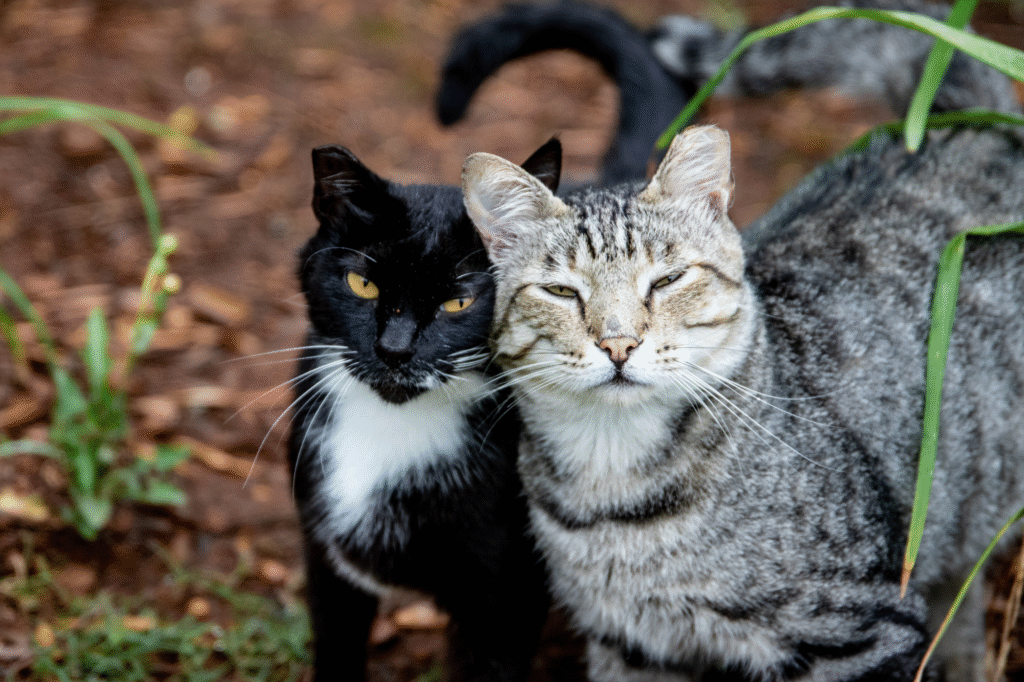
When hormones surge, even neutered or spayed cats can feel the residual pull to wander. During breeding season, unaltered males travel long distances tracking pheromones carried on the wind, as discovered by the Journal of Feline Medicine and Surgery. Females may roam too, seeking nesting spots or potential mates. The drive can temporarily override their attachment to home territory, leading to multi-day absences. Once the urge fades, their homing instinct leads them straight back as if no time has passed, leaving owners mystified but relieved.
3. Their hunting instincts pull them farther than expected.
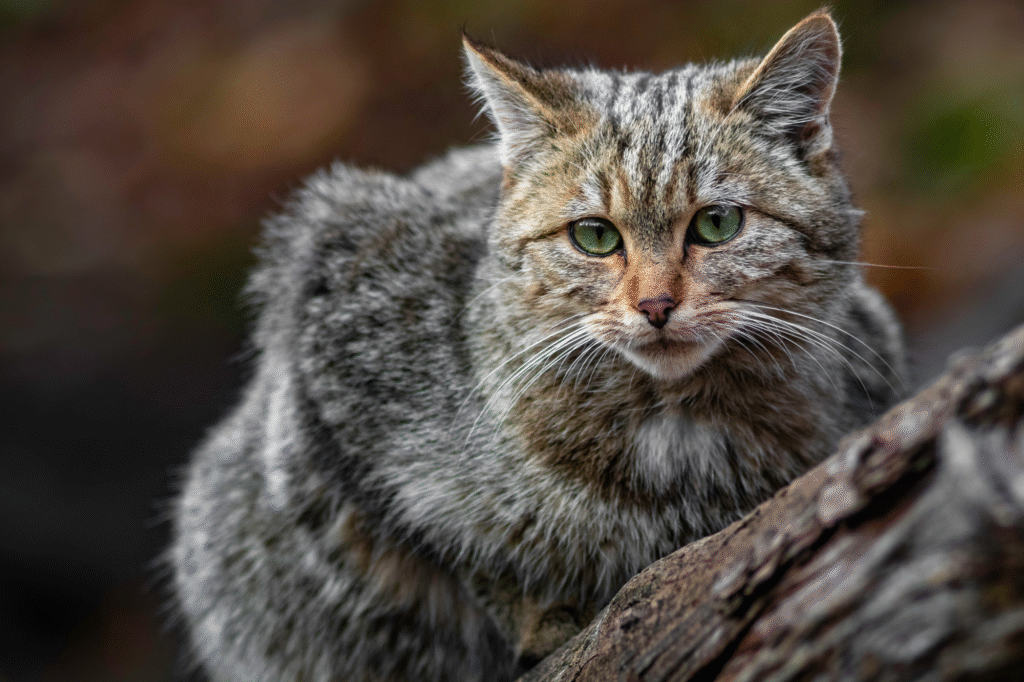
Cats are solitary hunters by nature, and when prey is scarce nearby, they’ll expand their range dramatically. As reported by the University of Illinois College of Veterinary Medicine, GPS-tracked outdoor cats have been recorded roaming several miles in a single night in search of rodents or birds. The thrill of the chase activates ancient predatory circuits that dull their awareness of time. Returning home doesn’t always mean hunger—it often follows the simple satisfaction of a successful hunt and a safe window of rest before setting off again.
4. Some vanish into secondary “safe houses” they’ve chosen.
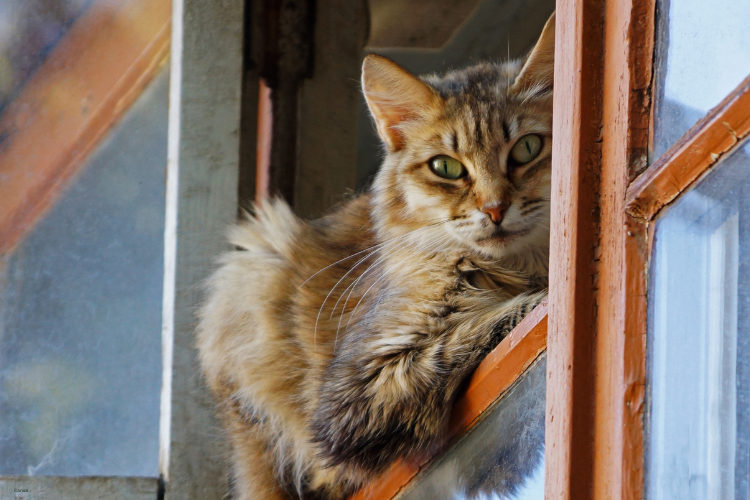
Many cats maintain backup shelters, quiet sheds, porches, or neighbor’s garages, where they rest between outings. These places act as secondary homes that smell familiar and provide protection from predators or bad weather. Sometimes, kind neighbors unknowingly host someone’s missing pet, mistaking them for strays. This behavior stems from a wildcat survival tactic: having multiple safe zones in case one territory becomes dangerous. When your cat strolls home days later, it’s often from one of these secret hideouts tucked just out of sight.
5. Stress or disruption at home can trigger escape mode.
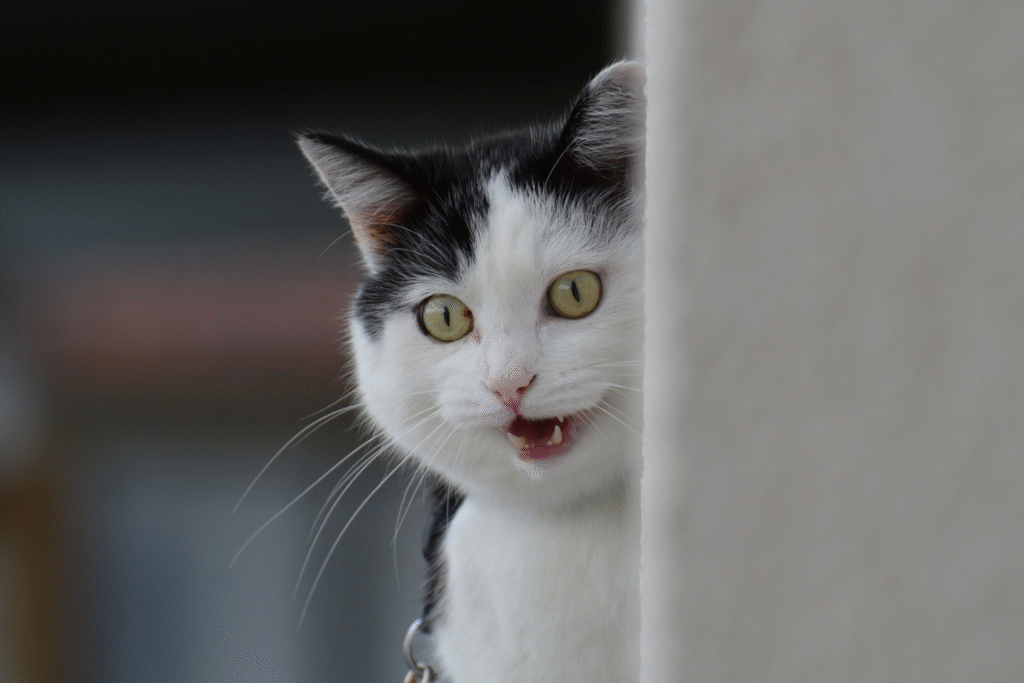
A sudden loud noise, new pet, or unfamiliar visitor can drive cats into panic flight. Their instinct is to find quiet ground far away from the disturbance, even if it means hiding for days. They won’t move again until they feel completely safe. Changes like moving houses or rearranging furniture can also cause this temporary “reset” response. Once calm returns, so do they, slipping back into routine without visible anxiety. For them, it was never rebellion, it was survival logic at work.
6. Their sense of direction is built from scent and magnetism.
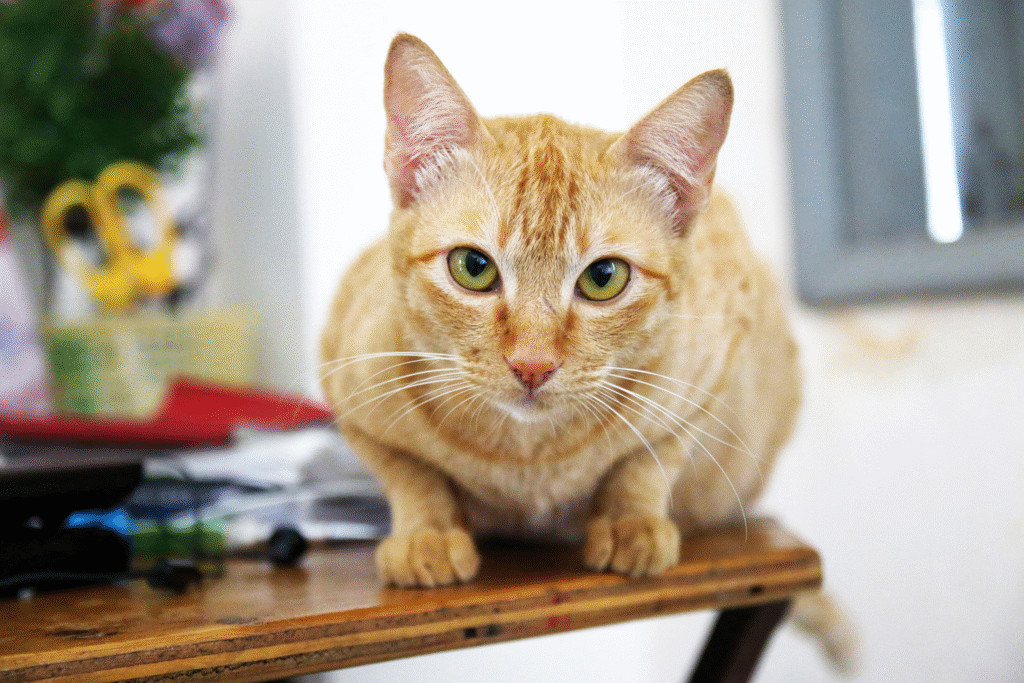
Cats use scent marking, visual landmarks, and even magnetic field cues to navigate. Studies on animal orientation suggest their whiskers and inner ear balance organs help them detect subtle environmental changes. This biological compass allows them to travel long distances and still find their way home. Their quiet reappearance at the front door isn’t magic, it’s sensory precision. The world outside may look chaotic to us, but to a cat, it’s a mapped network of smells and magnetic whispers pointing toward safety.
7. Weather changes often influence when they return.
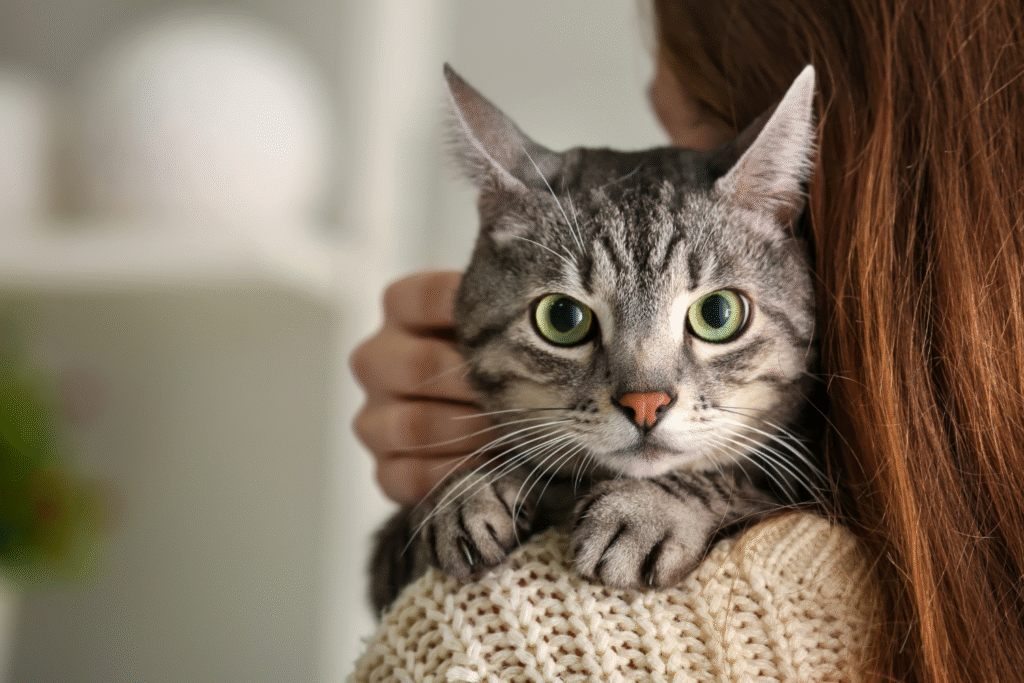
Heavy rain, snow, or extreme heat alters scent trails and prey movement, forcing cats to shelter until conditions improve. They’ll vanish longer during storm seasons or cold snaps simply because travel becomes riskier. Once the weather stabilizes, they retrace familiar routes, guided by improved visibility and scent. It’s why cats often “reappear” the moment skies clear—they were never lost, just waiting for nature to calm before resuming their careful, deliberate navigation homeward.
8. Older cats may wander from confusion or memory lapses.

Feline cognitive dysfunction, a condition similar to dementia, can cause disorientation. Older cats sometimes stray beyond familiar territory and struggle to retrace their steps. They may hide out of fear until their bearings return. These absences are less about adventure and more about vulnerability. Gentle reintroduction and supervised outdoor time can help prevent repeat incidents. Aging, for a cat, often means the instincts that once kept them safe begin to fray, turning exploration into unintentional exile.
9. Some vanish simply to seek solitude and reset.
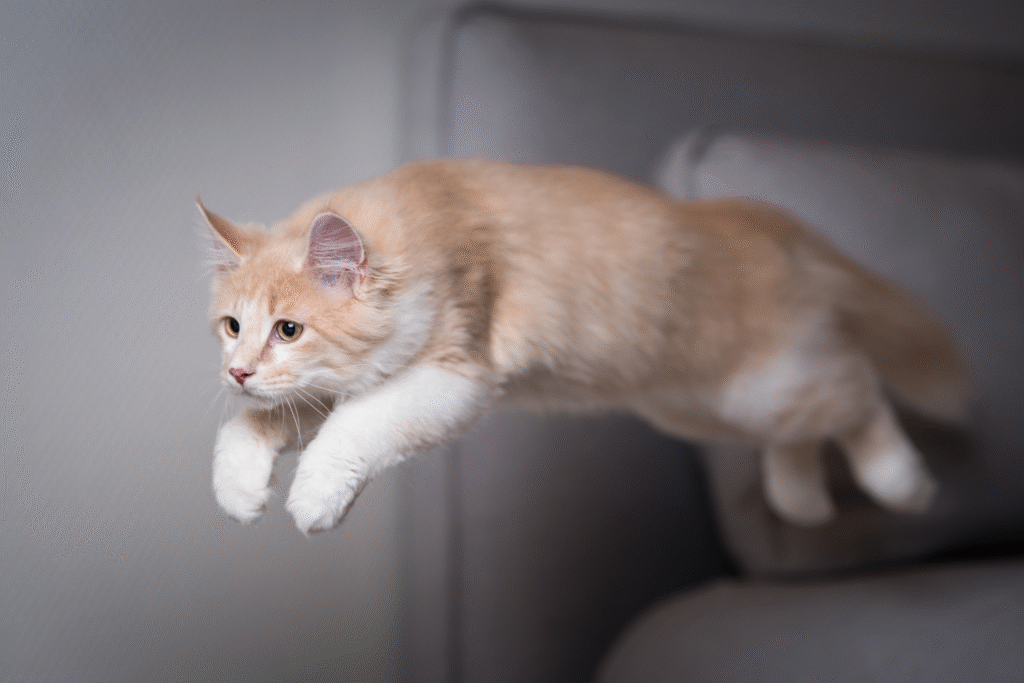
Cats are solitary creatures by design. When overstimulated, too much noise, handling, or human presence—they may withdraw completely. These short-term disappearances are their way of decompressing. Unlike dogs, who seek reassurance, cats regulate stress by vanishing until they feel balanced again. They don’t return with guilt because, in their minds, nothing went wrong. They left, recalibrated, and came home on their own terms. It’s emotional maintenance expressed through distance.
10. Their nonchalance after returning is pure evolutionary calm.

That blank, unbothered look after days away isn’t arrogance, it’s biology. In the wild, showing distress signals weakness, so cats evolved to mask vulnerability. Returning home with quiet composure is their way of signaling safety restored. They slip back into routine seamlessly, as if erasing the absence entirely. For humans, it’s frustratingly mysterious. For cats, it’s just another completed cycle of instinct, independence, and perfect control over when to disappear, and when to return to the life waiting inside.