
Early diagnosis could change everything for aging dogs.
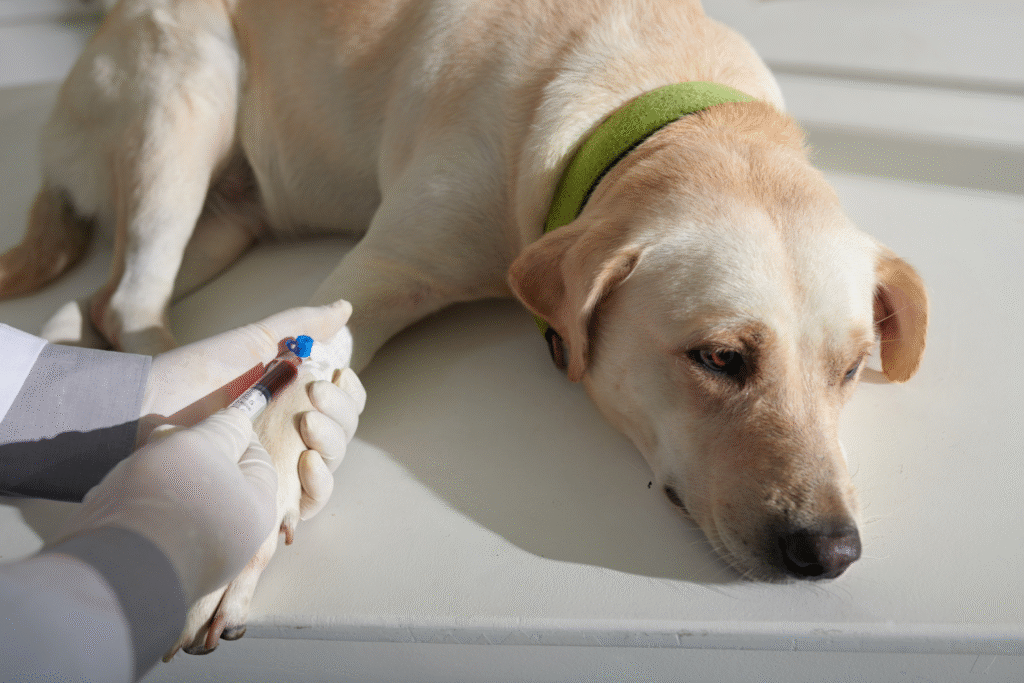
Arthritis is one of the most common causes of chronic pain in dogs, often going unnoticed until stiffness and limping set in. But scientists are now developing a breakthrough blood test that could detect the disease years before symptoms appear. This technology analyzes molecular markers circulating in the bloodstream—tiny clues that joints are beginning to degenerate. If proven effective, it could shift veterinary medicine toward true prevention rather than late treatment. For dogs and their owners, it might mean catching arthritis before pain ever takes hold.
1. Researchers have developed a prototype blood test to detect canine arthritis.

Veterinary scientists at the University of Glasgow, in collaboration with MI:RNA Ltd., have created a blood test that identifies molecular signatures of early joint damage long before visible symptoms occur, as reported by dvm360. The test analyzes microRNA biomarkers—tiny fragments of genetic material that fluctuate when inflammation begins in joint tissue. These early biochemical shifts provide a snapshot of developing osteoarthritis. What makes this test remarkable is its sensitivity: it picks up on changes invisible to X-rays or physical exams, offering the chance to start care while the joint is still healthy.
2. Biomarkers in a dog’s blood shift before any limping starts.

A study published in the Journal of Veterinary Internal Medicine showed that proteins and inflammatory molecules like C-reactive protein and interleukin-6 rise months before arthritis symptoms become obvious. This means a dog’s body begins sending distress signals well before the first sign of stiffness. With the right testing technology, veterinarians could interpret those molecular alerts early and design personalized treatment plans. It’s a scientific leap that could turn arthritis care from damage control into proactive prevention, according to the journal’s 2023 findings.
3. Blood tests can reveal cartilage breakdown long before pain appears.

Researchers at the University of Copenhagen’s Faculty of Health and Medical Sciences discovered that increased levels of serum cartilage oligomeric matrix protein (COMP) correspond directly with early microscopic joint damage in dogs. This discovery is reshaping how veterinarians think about disease progression. If vets can detect those subtle changes early, they can adjust a dog’s lifestyle—introducing diet changes or supplements—to protect joint tissue before it deteriorates, as confirmed by the Copenhagen team’s study.
4. Detecting arthritis early could extend a dog’s active years.

When inflammation is caught before structural damage sets in, treatments like physiotherapy, weight control, and joint-friendly diets are far more effective. A predictive blood test would let owners make changes before discomfort even begins, reducing pain and prolonging mobility. The ability to prevent rather than repair could reshape how we think about canine aging altogether, giving older dogs many more comfortable, energetic years.
5. Veterinarians could shift toward proactive rather than reactive care.
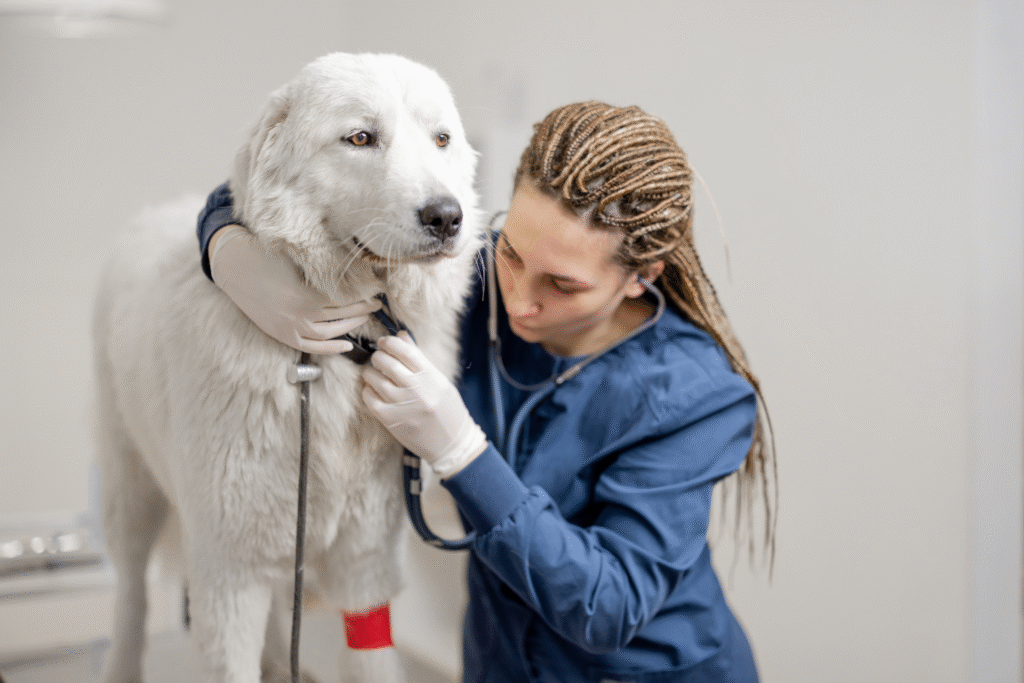
Most arthritis cases today are diagnosed once limping and stiffness are visible—by then, cartilage damage is often irreversible. With a screening blood test, veterinarians could intervene long before the disease reaches that point. Preventive therapy could include anti-inflammatory support, omega-3 supplementation, and tailored exercise routines. Over time, that approach might redefine what “joint health” means in veterinary care.
6. The test could reduce reliance on invasive diagnostics and imaging.

X-rays and MRIs can only show joint damage after it happens, often requiring sedation and higher costs. A blood test, on the other hand, could be done during a simple wellness exam. Dogs wouldn’t need to undergo stressful procedures, and early detection could become a routine part of checkups. The convenience factor alone might help more owners stay ahead of chronic disease progression.
7. Biomarker tracking could make treatments more personalized than ever.

Every dog’s body responds differently to inflammation and aging. With biomarker data in hand, vets could tailor care to each animal’s physiology, adjusting diet, medication, and activity plans with greater precision. It’s a step toward personalized veterinary medicine, where prevention and treatment are guided by individual biology rather than broad guidelines.
8. Dogs most prone to arthritis could be monitored more closely.

Larger breeds and highly active dogs are more likely to develop osteoarthritis, often earlier in life. Regular blood tests could flag molecular warning signs before symptoms surface, allowing owners to moderate activity levels and support joint health sooner. The result could be fewer cases of severe arthritis in breeds like Labradors, German Shepherds, and Golden Retrievers, who are most at risk.
9. Scientists are working to validate accuracy across breeds and ages.

The test still needs to be standardized and proven consistent across varying genetics, sizes, and health profiles. Researchers are running trials to confirm that biomarker levels remain reliable indicators in all breeds, from Chihuahuas to Great Danes. Once accuracy and affordability are achieved, this tool could transition from research labs to routine clinical use.
10. A simple blood draw could redefine how we protect canine joints.
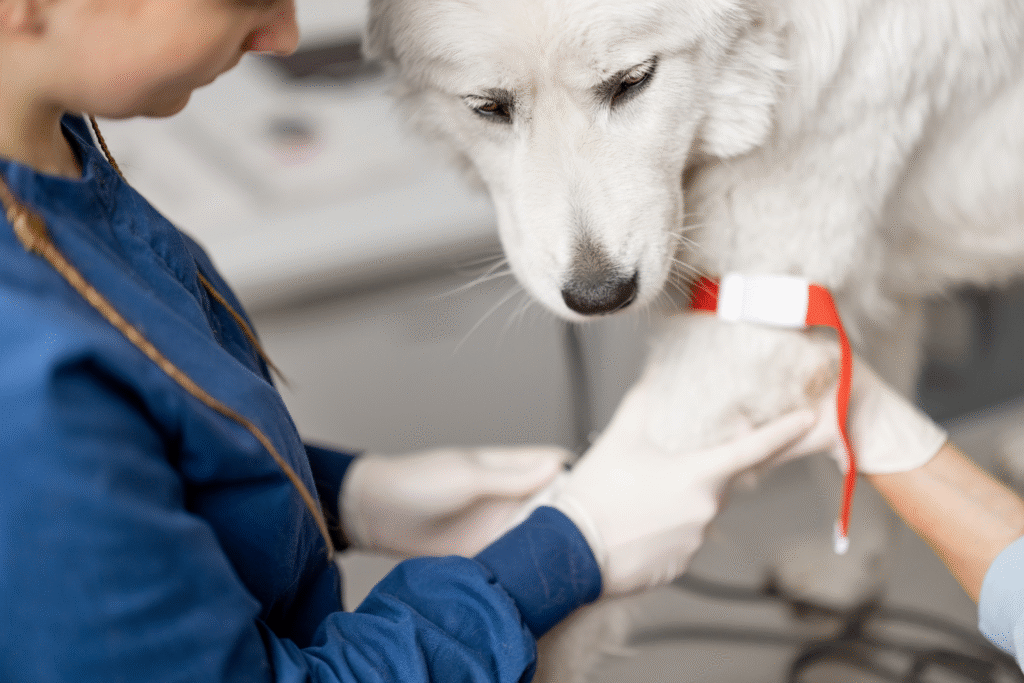
Once perfected, this diagnostic test could become as common as annual vaccinations or dental cleanings. Early arthritis screening might soon be a standard part of senior wellness visits, helping vets stop joint disease before it begins. That future—where pain-free aging is the norm for dogs—could quietly transform how we care for our four-legged companions for decades to come.