
Some breeds carry instincts that surface without warning.
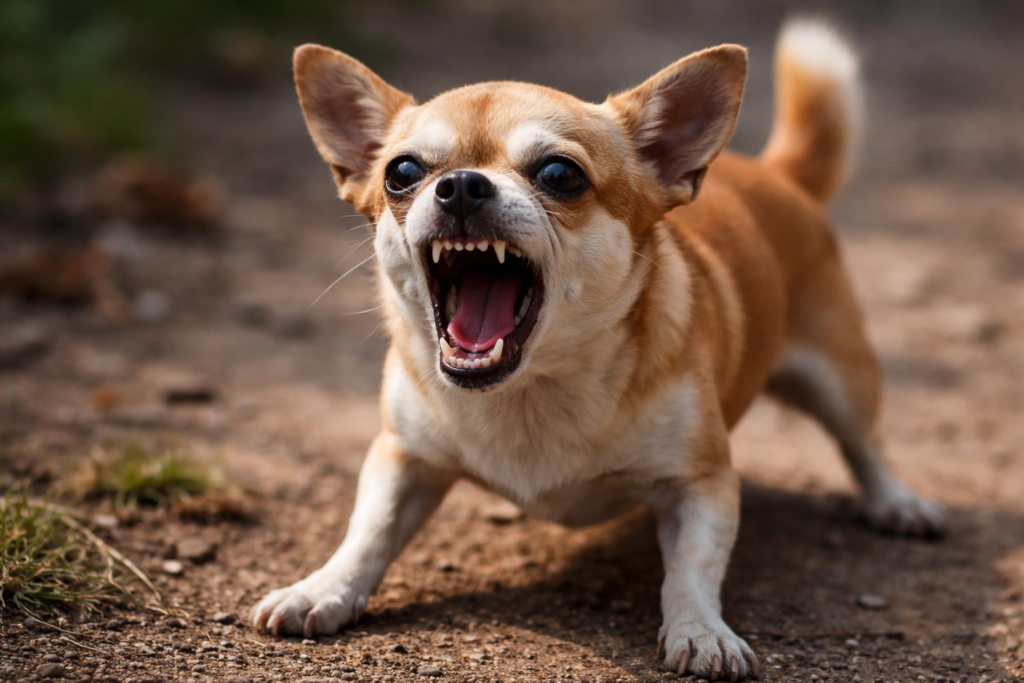
Not every dog is wired the same, even when raised with care and consistency. Certain breeds were shaped by generations of work that required fast reactions, heightened awareness, or intense loyalty. Those traits can be remarkable strengths, but they can also create sharp behavioral shifts when pressure builds. What looks calm on the surface may conceal powerful instincts waiting for the right trigger. Sudden aggression in these breeds is rarely random. It is usually the product of history, biology, and sensitivity intersecting in ways many owners never fully anticipate.
1. Cocker Spaniels show notable spikes in unexpected reactivity.
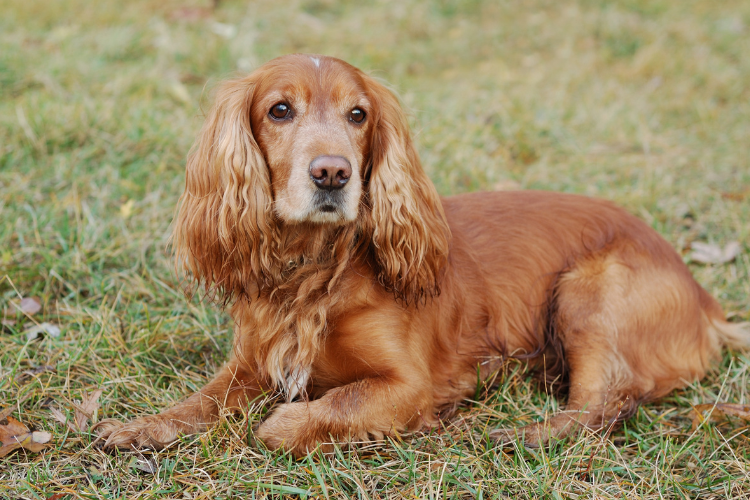
Many people are surprised to learn that Cocker Spaniels appear frequently in research linking sudden aggression to underlying discomfort or neurological sensitivity. These dogs are often affectionate, yet they can react sharply when startled or touched around sensitive areas. Their history as hunting dogs contributes to quick reflexes that ignite before conscious thought has time to intervene.
Over time, unresolved pain or anxiety can magnify these reactions. Families sometimes miss early signs because the breed looks gentle, creating a mismatch between expectation and reality. With the right environment, Cockers thrive, but their vulnerabilities require attention most owners do not anticipate. This sets the tone for why sudden aggression must be viewed through a lens of health and care.
2. Chihuahuas demonstrate fast, defensive reactions under stress.
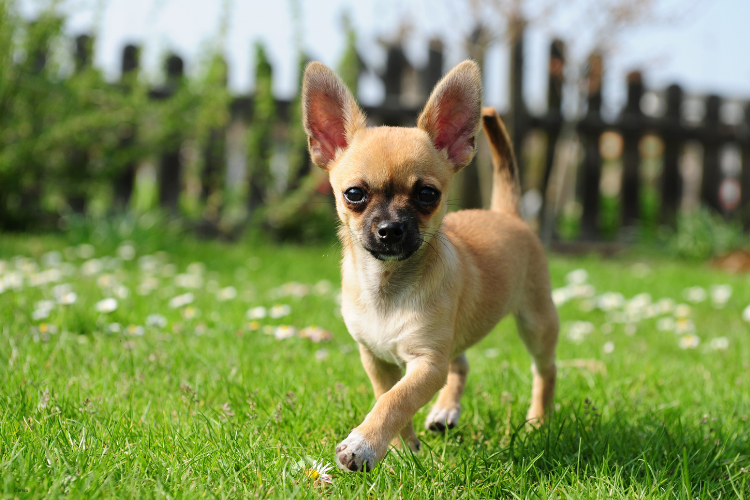
Small dogs often rely on quick bursts of intensity to protect themselves, and Chihuahuas exemplify this instinct. Their size forces them to rely on rapid responses when they feel cornered or overwhelmed. Many of these reactions appear as sudden snaps that surprise people unfamiliar with the breed’s sensitivity. Researchers believe overstimulation plays a major role in these episodes.
When families misinterpret fear as stubbornness, the dog’s stress deepens. This pattern can turn minor moments into sudden outbursts. Gentle handling and predictable routines reduce the risk, but without them the dog’s defensive nature becomes more pronounced. This dynamic mirrors what appears in several other sensitive breeds.
3. Akitas reveal strong instinctive triggers that escalate quickly.
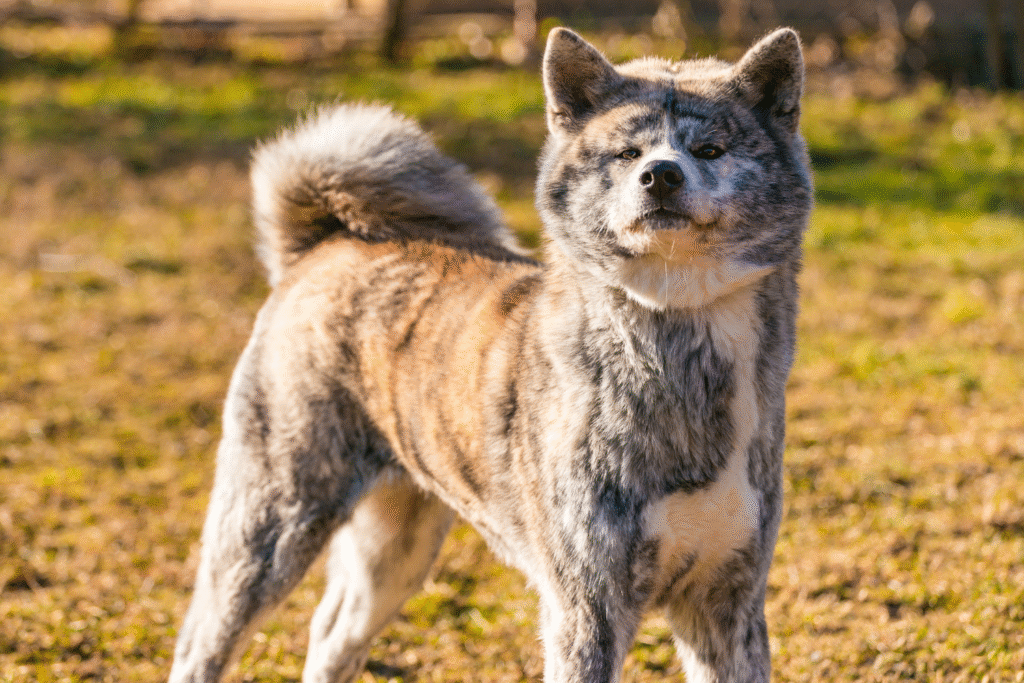
Akitas rely on deep rooted guarding instincts that once protected homes and property. These instincts can activate without warning when the dog misreads movement or unfamiliar contact. Their calm exterior often hides a high threshold that suddenly breaks when pressure builds. This contrast is why experts advise structured upbringing from an early age.
Trust and consistent leadership help these dogs stay grounded. Without that foundation, minor confusion can become sudden reactivity. The shift may catch owners off guard, especially when the dog seems composed only moments before. Understanding their instincts helps keep interactions calm and predictable.
4. Chow Chows exhibit abrupt reactions tied to personal space.

Chow Chows often maintain strict emotional boundaries, and sudden aggression typically emerges when those boundaries are crossed. Their independent nature masks a deep sensitivity to touch or sudden approach, especially from strangers. Episodes often occur during grooming, restraint or fast movement near their face.
Proper socialization softens these triggers, but ignoring their need for space increases the likelihood of unexpected reactions. Owners who misinterpret their quiet demeanor sometimes create situations that end poorly. Respecting the breed’s reserved personality goes a long way toward preventing conflict.
5. Dachshunds can react sharply due to chronic pain risks.

Long backed dogs like Dachshunds face a higher chance of spinal discomfort, and aggression often appears suddenly when pain is triggered. A quick lift or unexpected twist may cause a defensive snap. Many owners do not realize how frequently discomfort fuels these reactions.
As the dog ages, these risks grow. Monitoring posture, mobility and handling techniques helps prevent sudden escalation. Once pain becomes chronic, their threshold narrows dramatically. This reinforces how medical issues and behavior blend in ways that appear sudden but are rooted in discomfort.
6. Shiba Inus may shift from calm to reactive within seconds.

Shibas carry strong instincts toward self protection and independence. When overwhelmed by noise, handling or confinement, they may react without warning. Their expressive communication sometimes disappears when stress peaks, leaving owners surprised by the speed of their response.
Training helps them manage pressure, but only when applied patiently. Their sudden outbursts often reflect a desire to escape situations that feel too restrictive. Understanding their emotional boundaries makes life easier for both dog and owner.
7. Jack Russell Terriers can erupt when overstimulated.

High energy dogs sometimes react out of sheer overload, and Jack Russells fit this pattern closely. Their sharp focus and intense drive make them prone to sudden behavior shifts when excitement runs too high. These moments appear as quick snaps, guarding behavior or lashing out during play.
Keeping their environment enriched but controlled reduces these spikes. Without clear rules and enough outlets for energy, their reactions grow unpredictable. This illustrates how excitement and aggression can intertwine in breeds built for relentless work.
8. Rottweilers may react abruptly when confidence is unbalanced.
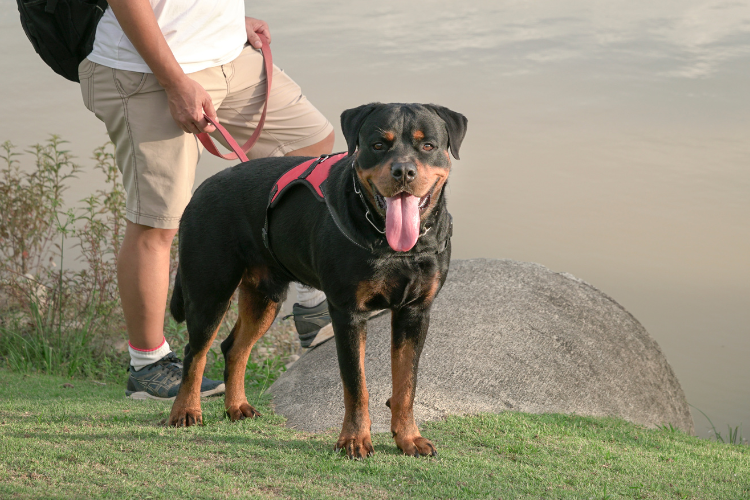
Rottweilers thrive under calm, steady leadership. When they feel uncertain or responsible for managing a situation alone, sudden aggression can surface. This typically appears when unfamiliar people approach too quickly or when the dog feels pressured to intervene.
Balanced training keeps their behavior predictable. Leaving them to guess their role increases the chance of unexpected reactions. Their loyalty becomes a vulnerability when boundaries are unclear, showing how structure prevents sudden escalation.
9. Australian Cattle Dogs can shift rapidly when guarding resources.
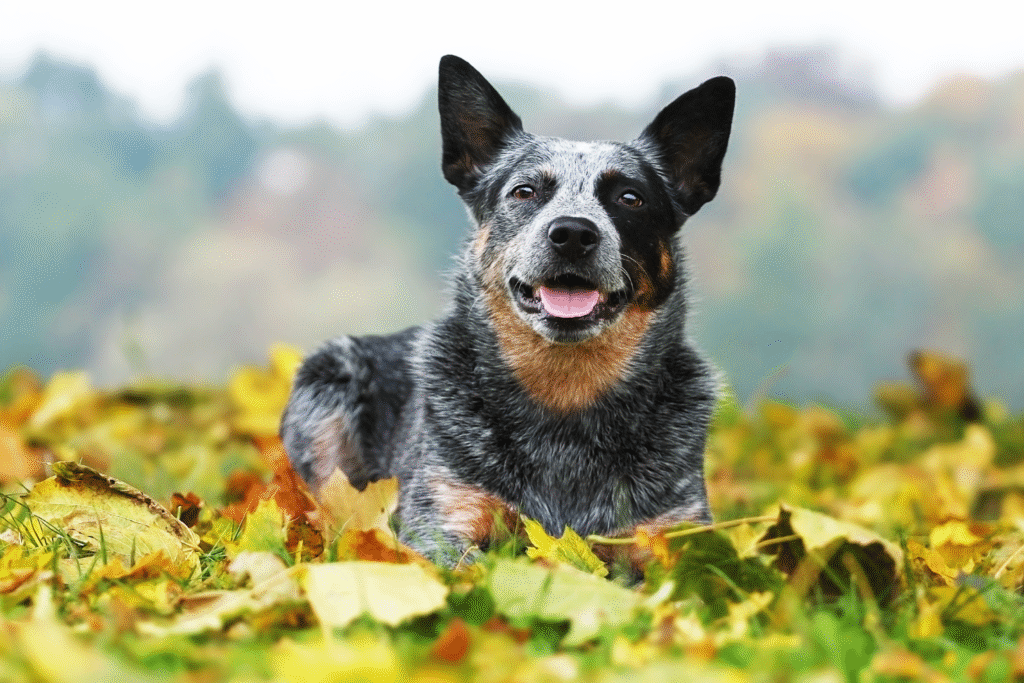
This breed’s working history shapes powerful instincts around control and space. Sudden aggression often occurs when food, toys or sleeping areas feel threatened. Their reactions are fast because the behavior was originally designed for herding and protection.
Families who enforce consistent routines reduce triggers that lead to abrupt outbursts. Without guidance, their natural assertiveness fills the gaps. The breed’s intelligence allows them to adapt quickly when boundaries are clear.
10. Shar Peis display surprising defensive behavior during discomfort.

Shar Peis commonly struggle with skin inflammation and joint pain, both of which increase irritability. Pain based aggression often appears suddenly because the dog reacts before thinking. This makes routine handling more challenging than owners expect.
Structured care routines help minimize these issues. When medical needs go unmet, their behavior becomes more reactive. Understanding the health connection sheds light on why their aggression seems to come out of nowhere.
11. Border Collies show sudden reactivity tied to sensory overload.
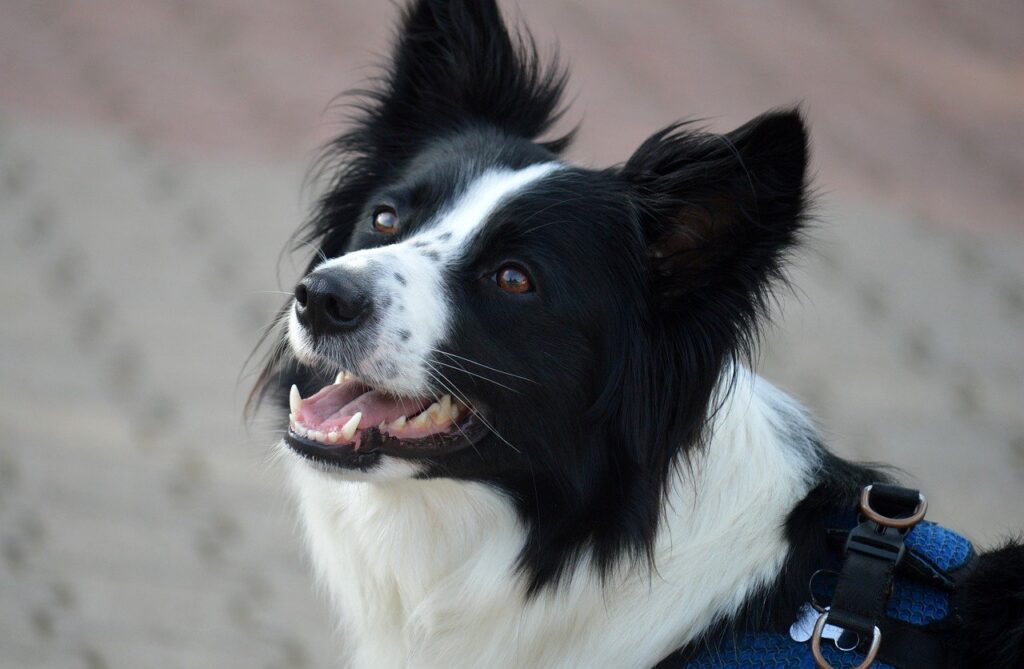
Their heightened sensitivity makes Border Collies finely tuned to movement, sound and emotion. When those stimuli stack too quickly, their reactions turn sharp and unexpected. This can appear during play, herding impulses or surprise interactions.
Environments filled with constant noise push them past their threshold. Mental enrichment and controlled routines help soften the intensity. Their brilliance becomes a challenge without the stability to manage it, closing the article with a reminder that even the smartest breeds carry vulnerabilities that surface suddenly in the wrong situations.