
Some dogs naturally welcome feline companions into their world.
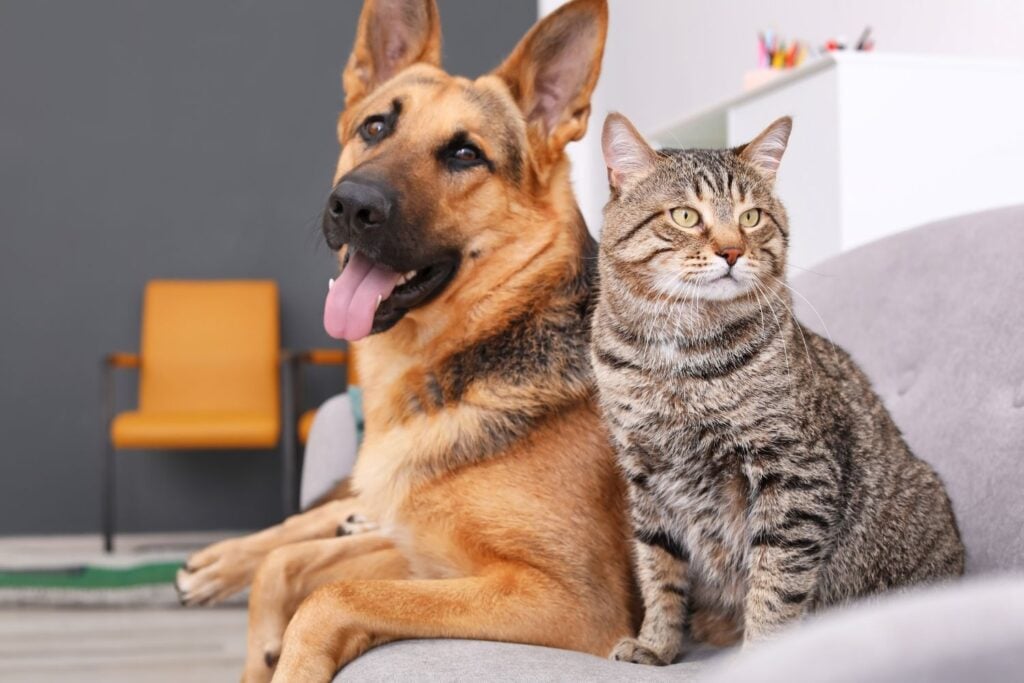
For many pet owners, the idea of dogs and cats living peacefully together feels uncertain at best. Stories of chaotic chases and territorial stand offs have shaped expectations for generations. Yet behind those stereotypes lies a quieter truth about temperament and instinct. Certain dog breeds approach smaller animals with patience rather than pursuit, curiosity instead of competition. Their personalities align with the independence and sensitivity that define feline behavior. When the right match appears inside the same household, the result can look surprisingly natural. What seems like an unlikely friendship often turns into something calmer and more cooperative than anyone expected.
1. Golden Retrievers consistently show remarkable patience with cats.
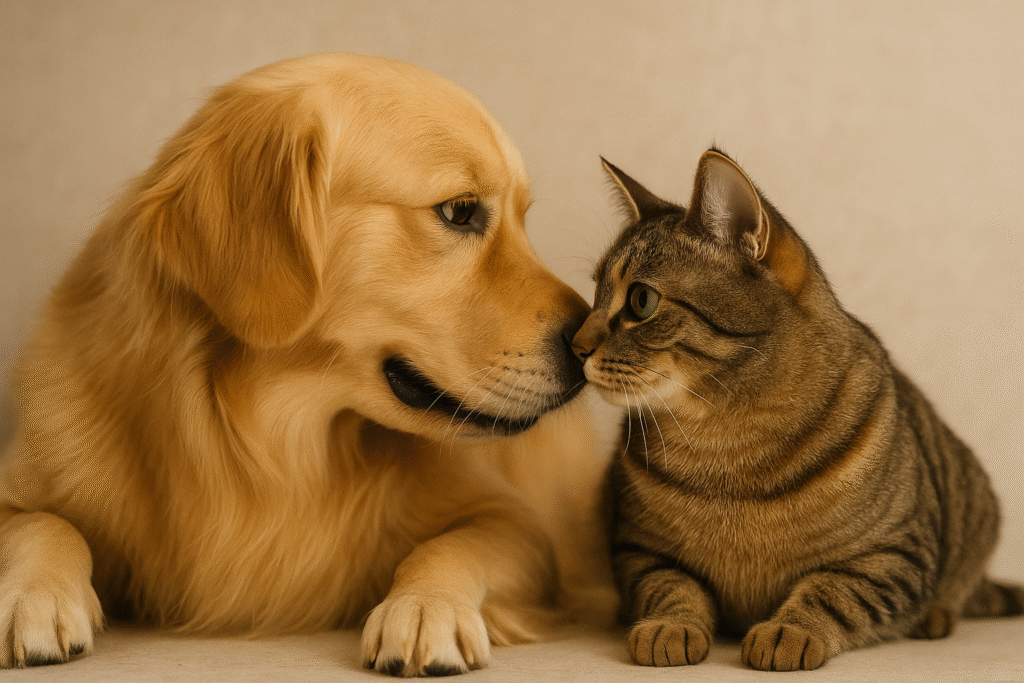
These gentle giants were bred to retrieve waterfowl without damaging delicate feathers, creating a soft mouth and careful nature that translates beautifully to interactions with cats. According to the American Kennel Club, Golden Retrievers rank among the most patient and tolerant breeds with other animals, making them ideal companions for feline family members. Their easy-going temperament means they rarely see cats as threats or prey, instead viewing them as interesting household companions to potentially befriend. Many Golden Retrievers actively seek out cat companionship, often following their feline friends around the house and even sharing sleeping spaces when the cats allow such intimate arrangements.
2. Cavalier King Charles Spaniels mirror feline energy levels perfectly.

These small spaniels possess a calm, gentle demeanor that rarely threatens or overwhelms cats, making them excellent candidates for multi-pet households where harmony is the goal. Their moderate exercise needs align well with typical cat activity levels, preventing the high-energy chaos that can stress feline family members. Unlike many terrier breeds, Cavaliers lack strong prey drive and instead display the patient, accepting attitude that cats find non-threatening, as reported by the Cavalier King Charles Spaniel Club. Their compact size also means they’re less likely to accidentally intimidate cats through sheer physical presence, creating space for natural friendships to develop organically.
3. Basset Hounds demonstrate legendary calmness around feline companions.
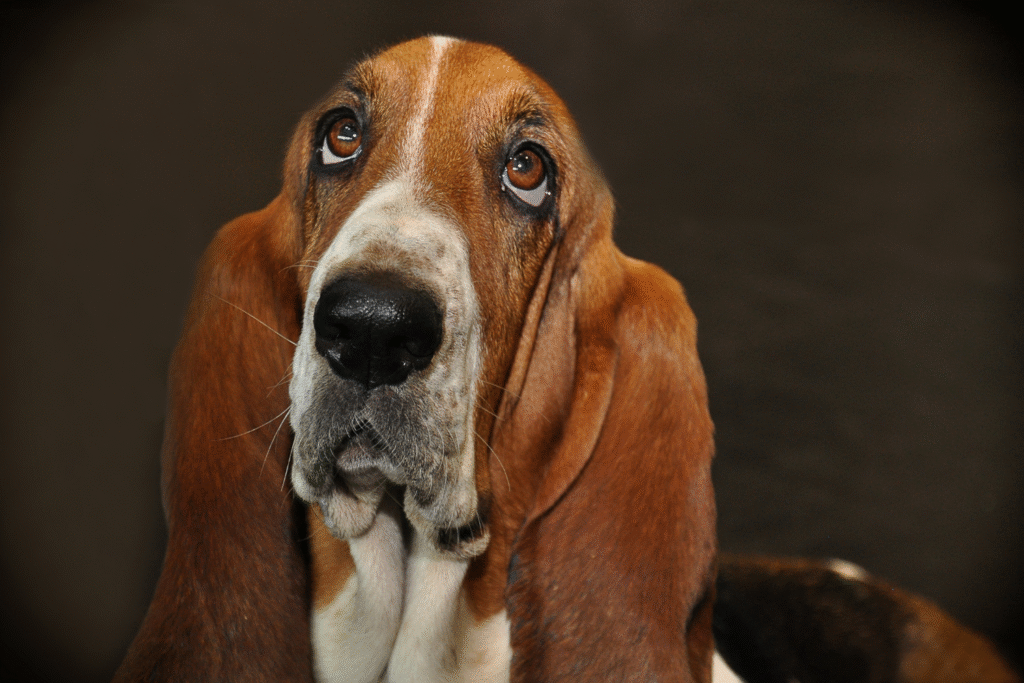
Originally bred for slow, methodical hunting, Basset Hounds possess the patience and low-energy temperament that cats find completely non-threatening and often quite appealing. The American Basset Hound Association notes that these dogs are known for their gentle nature with all small animals, making them particularly suitable for homes with cats who need calm, predictable canine companions. Their laid-back approach to life means they won’t chase cats or create the high-stress environment that many breeds inadvertently generate. Many Basset Hounds actually prefer the company of cats to other dogs, finding feline independence and quiet confidence more appealing than typical canine energy.
4. Pugs naturally respect feline boundaries without training interventions.
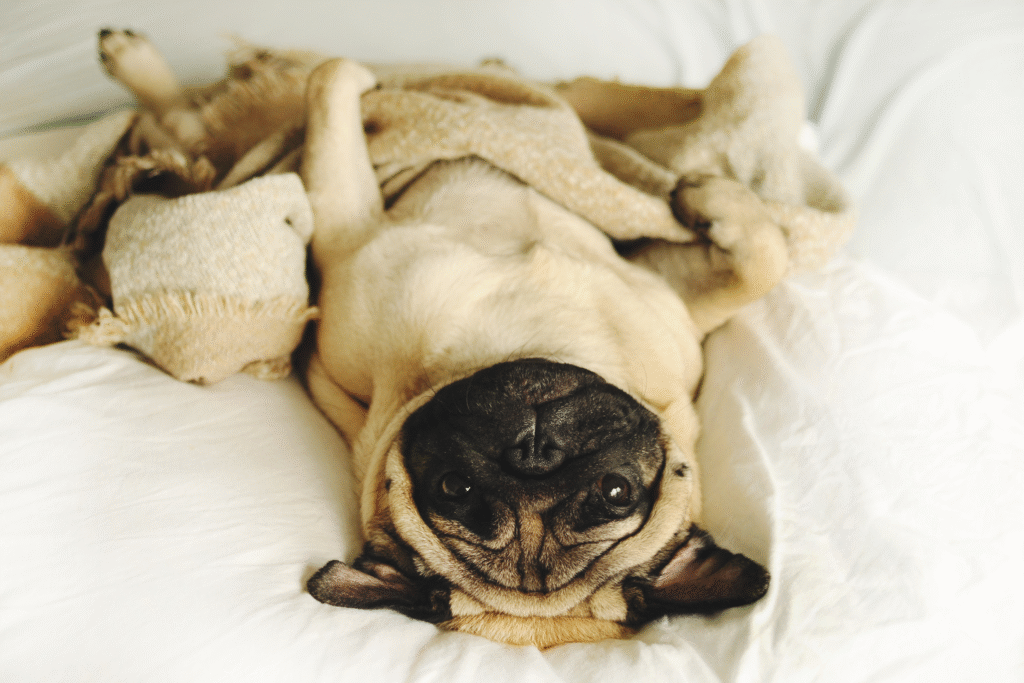
These compact companions were bred primarily as lap dogs, resulting in temperaments that value peaceful coexistence over territorial disputes or predatory behavior toward smaller animals. Their breathing difficulties actually work in cats’ favor, as Pugs prefer calm, sedentary activities that align perfectly with typical feline preferences for quiet companionship. The breed’s naturally social nature extends to cats, with many Pugs actively seeking feline approval and friendship rather than dominance. Their smaller size and gentle demeanor create an environment where cats feel secure enough to express interest in canine friendship without fear of being overwhelmed.
5. Newfoundlands protect cats like beloved family members consistently.
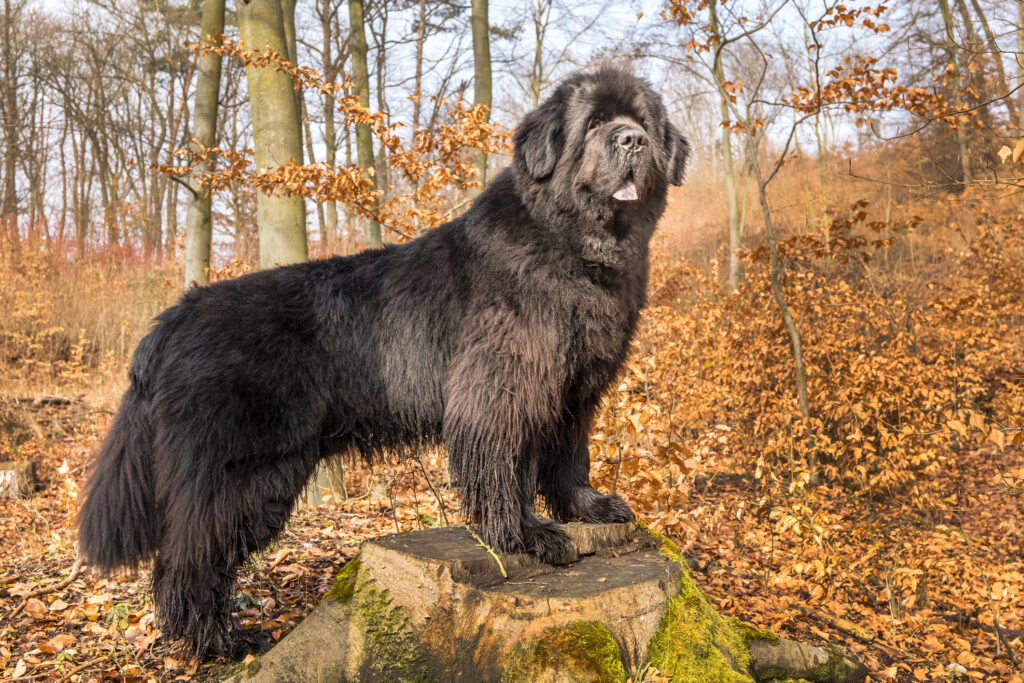
These massive water dogs possess incredibly gentle temperaments despite their imposing size, often becoming protective guardians of smaller household pets including cats. Their calm, steady personalities create a sense of security that many cats find comforting, leading to unlikely friendships between giants and tiny felines. Newfoundlands were bred to work alongside humans in cooperative settings, developing patience and gentleness that extends naturally to other species in their care. Many cats actually seek out these gentle giants for warmth and security, often sleeping curled up against their massive, patient canine protectors.
6. Bichon Frises share similar grooming obsessions with cats.

These fluffy white dogs possess calm, adaptable temperaments that mesh well with feline energy levels and household preferences for peaceful coexistence. Their moderate size and gentle nature mean they’re unlikely to overwhelm cats, while their playful spirit can actually encourage shy cats to engage more actively. Bichons lack the prey drive that makes many breeds problematic with cats, instead displaying curiosity and friendliness that cats often find appealing. The breed’s history as companion animals has created dogs that value harmony over dominance, making them excellent candidates for multi-species households seeking peaceful integration.
7. Bulldogs typically ignore cats in the most perfect way.
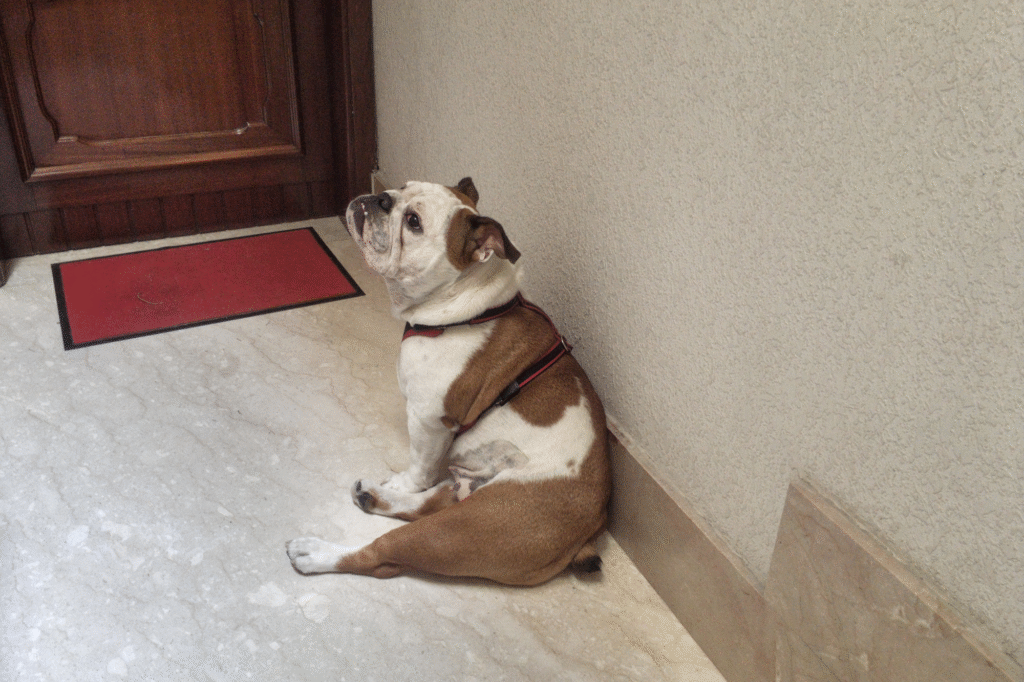
These low-energy dogs are generally too tired and heat-sensitive to bother chasing cats around the house, creating an environment of peaceful coexistence through benign neglect. Their calm, steady temperaments mean they rarely react strongly to typical cat behaviors like sudden movements or unexpected appearances. Bulldogs prefer comfortable spots for napping, often sharing prime real estate with cats who appreciate their warm, stationary presence. The breed’s breathing issues actually work in favor of cat relationships, as Bulldogs conserve energy for essential activities and avoid unnecessary excitement or chase behaviors.
8. Collies demonstrate protective instincts toward cats naturally.

These intelligent herding dogs often extend their protective instincts to include cats, viewing them as part of the family flock that requires gentle guidance and care. Their high intelligence allows them to quickly learn household rules about cat interactions, while their gentle herding style rarely intimidates feline family members. Collies possess the patience needed to wait for cats to warm up to them, understanding that forcing friendships rarely works with independent feline personalities. Many develop strong bonds with cats, often following them around and even attempting to gently herd them toward safer areas of the house.
9. Japanese Chin, cats appreciate these dogs’ similar temperaments.

These small, cat-like dogs share many behavioral traits with felines, including independence, cleanliness, and preference for calm household environments over chaotic activity. Their compact size and gentle demeanor create no physical threat to cats, while their somewhat aloof personality appeals to cats who prefer respectful distance. Japanese Chin dogs often mirror cat behaviors, climbing furniture and seeking high perches, which cats find familiar and non-threatening. The breed’s quiet nature and moderate exercise needs align perfectly with typical feline preferences for peaceful, predictable household routines.
10. Papillons often become cats’ favorite playmates through gentle persistence.

These small spaniels possess the perfect combination of gentle playfulness and respect for boundaries that allows them to successfully befriend even cautious cats. Their size prevents them from overwhelming feline friends, while their intelligence helps them read cat body language and respond appropriately to feline social cues. Papillons are naturally social dogs who genuinely enjoy the company of other species, often persisting gently until cats accept their friendship. Many cats discover that these small dogs make excellent play partners, offering just enough energy to be interesting without the overwhelming enthusiasm that larger breeds often display.