
Breeding traditions now collide with modern biology.

Purebred dogs once reflected regional pride, working skill, and careful selection. Over decades, closed registries and intense popularity narrowed gene pools faster than anyone expected. Veterinary geneticists now see warning signs once reserved for endangered wildlife. Fertility issues, immune disorders, and inherited disease clusters are rising together. The concern is not theoretical or distant. It is unfolding inside clinics, breeding programs, and research labs right now, forcing scientists to rethink how survival is defined for beloved breeds.
1. Some popular breeds now share dangerously few ancestors.

Modern pedigree analysis shows certain breeds trace back to surprisingly small founder groups. When registration rules closed stud books in the twentieth century, diversity froze in place. Over time, popular sires dominated reproduction, squeezing out rare lines.
This pattern increases the odds that harmful recessive genes meet. According to the American Kennel Club Canine Health Foundation, several breeds now function genetically like small isolated populations, with rising disease frequency becoming statistically unavoidable.
2. Fertility rates are falling in unexpected places.
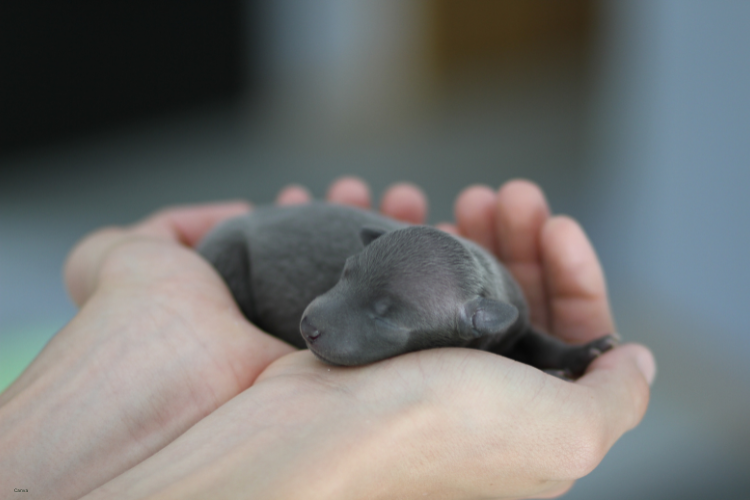
Veterinary reproduction specialists have noticed declining litter sizes and higher pregnancy loss across multiple purebred lines. These trends appear even in dogs receiving excellent care, nutrition, and veterinary monitoring.
Reduced fertility often signals deeper genetic load problems. As reported by researchers at the Royal Veterinary College in London, breeds with low genetic diversity show measurable declines in sperm quality and ovulation success compared to more genetically mixed dogs.
3. Autoimmune disease clusters are no longer rare events.

Certain breeds now show predictable patterns of immune system failure. Disorders like lupus, inflammatory bowel disease, and autoimmune thyroiditis appear repeatedly within family lines.
This clustering reflects reduced variation in immune related genes. As discovered by scientists at the University of California Davis Veterinary Genetics Laboratory, limited diversity in key immune markers leaves entire breeds vulnerable to the same triggers and chronic conditions.
4. Closed registries unintentionally lock in harmful mutations.

Breed standards were designed to preserve appearance and temperament. What they also preserve, quietly, are genetic mistakes passed down unchanged for generations.
Once a mutation becomes common inside a closed registry, removing it is nearly impossible without introducing new blood. Over time, selection for looks unintentionally overrides selection for health, even when breeders act responsibly and transparently.
5. Shortened lifespans reflect cumulative genetic stress.

Many breeds now live shorter lives than their ancestors did decades ago. This shift cannot be explained by environment alone, especially as veterinary care improves.
Multiple inherited conditions often overlap in the same dog, compounding health challenges. The body spends years compensating until it no longer can, leading to earlier organ failure and reduced resilience during illness or injury.
6. Behavioral instability can emerge from genetic bottlenecks.

Genes influence not just bodies but nervous systems. In tightly bred populations, anxiety, compulsive behaviors, and abnormal fear responses appear with greater frequency.
These traits often surprise owners because they develop gradually. Reduced genetic buffering limits adaptability, making some dogs less able to cope with modern environments despite careful socialization and training from attentive caregivers.
7. Rare diseases become common through silent carriers.
Many inherited disorders hide for generations inside healthy looking dogs. When diversity shrinks, carriers are more likely to pair unknowingly.
The result is sudden appearance of severe disease in puppies from respected lines. These outcomes are devastating emotionally and financially, yet they reflect mathematics rather than negligence within constrained genetic systems.
8. Artificial selection favors extremes over biological balance.

Exaggerated physical traits often win in show rings and online popularity. Unfortunately, these extremes can stress joints, airways, skin, and eyes.
As selection narrows toward specific looks, supporting traits disappear. The body loses redundancy. Small defects that once mattered little now cascade into chronic pain, reduced mobility, or lifelong medical management.
9. Genetic rescue remains controversial but increasingly discussed.

Some scientists advocate carefully managed outcrossing programs. The idea is not to erase breeds but to restore lost variation responsibly.
Resistance remains strong among traditionalists. Yet examples from conservation biology show population recovery without identity loss. The conversation has shifted from if intervention is needed to how carefully it can be done.
10. Future breeding may depend on genomic transparency.

Affordable DNA sequencing now allows breeders to see risks before mating decisions occur. This technology changes accountability and possibility.
When health data guides choices, diversity can slowly recover. The survival of many breeds may depend less on appearance and more on whether humans allow genetics, rather than tradition alone, to lead the way forward.