
Recognizing when a dog cough means serious cardiac concern.

A dog’s cough can be easy to overlook, often dismissed as a passing irritation or a mild case of kennel cough. Yet sometimes that subtle sound carries a warning about the heart. When fluid starts backing up in the lungs or pressure builds from a weakened heart, coughing can be one of the first outward clues. The challenge lies in telling a harmless cough from a life-threatening one. Understanding what makes a “heart cough” different helps owners act fast—protecting not only their dog’s comfort but also their life expectancy.
1. The cough lingers longer than a week without improvement.

A cough that doesn’t fade after several days may point to something more serious than an airway infection. Heart issues, particularly congestive heart failure, often cause persistent coughing as the heart struggles to circulate blood properly. Fluid can seep into the lungs, triggering irritation. According to the Morris Animal Foundation, early detection of heart-related coughing can delay disease progression. If your dog’s cough persists despite rest or medicine, it’s time to consider the possibility that the problem originates in the chest—not the throat. Ignoring it risks letting treatable symptoms evolve into critical conditions.
2. The dog coughs more when lying down or at night.

When dogs rest, blood flow redistributes, and if their heart isn’t working efficiently, that shift can cause fluid to pool in the lungs. The resulting pressure makes lying down or sleeping a trigger for coughing spells. Experts at Small Door Veterinary Hospital explain that this pattern is typical in dogs developing early heart failure. Owners often notice the cough more in the quiet hours, when the home is still and each sound carries. It’s that rhythm—the night cough, the restlessness—that quietly signals the heart, not the lungs, might be struggling.
3. Fatigue and exercise intolerance appear alongside the cough.

If your dog tires easily, hesitates during play, or seems winded after normal walks, the issue may go beyond stamina. As discovered by the Journal of Veterinary Cardiology, dogs with heart disease often show reduced activity before other symptoms become clear. Their heart can’t pump oxygen efficiently, so what once was fun becomes fatiguing. When this happens in tandem with coughing, it strongly hints that the heart—not the respiratory tract—is at fault. That tired look after short walks isn’t just age catching up; it’s the body working harder than it should for simple movement.
4. The sound of the cough changes over time.
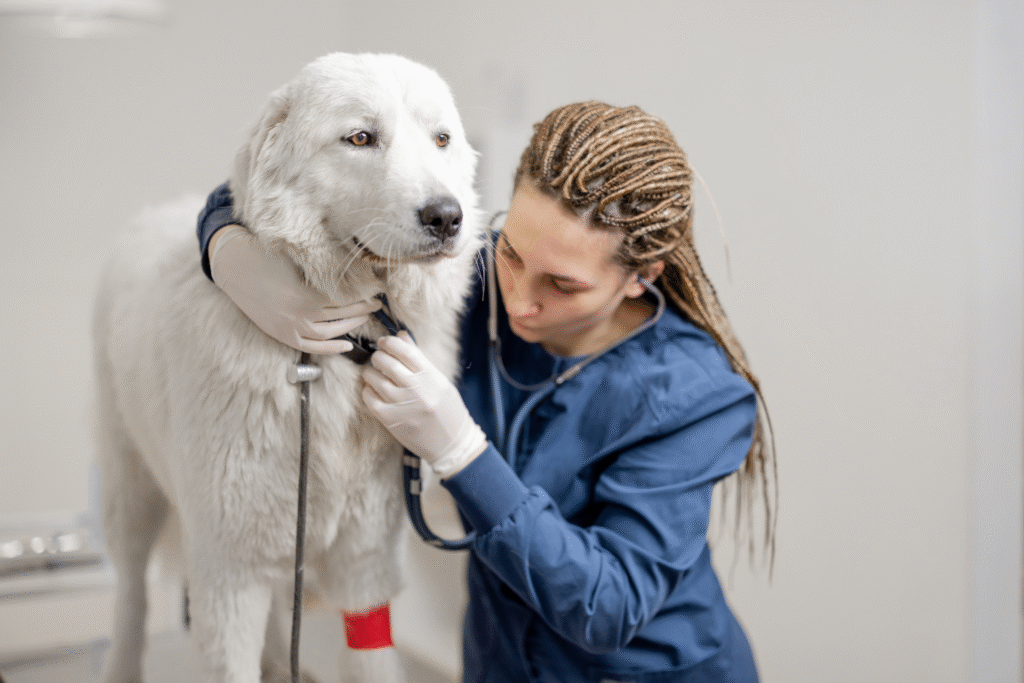
Not all coughs sound the same, and a shift in tone can be revealing. A dry, honking cough may point toward tracheal irritation, but a wet or raspy one often suggests fluid in the lungs from congestive heart failure. This change in sound happens gradually, which means you might only notice after weeks of hearing it. The texture of a heart-related cough tends to come from deep in the chest, almost like a gurgle or wheeze. Recording a short clip for your veterinarian can help pinpoint the difference quickly.
5. Breathing becomes faster or more shallow than normal.

Heart disease doesn’t always show up as labored gasps—it can sneak in through subtle changes in breathing rhythm. Dogs may start panting at rest, or their chest may move more quickly with each breath. The reason lies in the buildup of fluid in the lungs, making oxygen exchange harder. Over time, they compensate by breathing faster. If you notice this paired with coughing, it’s more than coincidence. Keep track of breathing rate while your dog is calm; anything over 30 breaths per minute is worth a vet’s attention.
6. A previously diagnosed heart murmur adds risk to the picture.

Many dogs live years with heart murmurs, but when a cough joins the mix, the stakes rise. Murmurs often signal leaky valves or pressure issues that can worsen over time. A consistent cough may mean those changes are beginning to affect lung function. Vets use chest X-rays and echocardiograms to see whether that murmur has progressed. For dogs with known heart irregularities, every new sound or symptom is worth investigation. It’s the small changes—like a nightly cough—that reveal when management plans need adjusting.
7. The cough coincides with swelling or bloating around the abdomen.

When the heart’s pumping efficiency declines, fluid can back up not just into the lungs but also into the belly. This can make the abdomen appear bloated or firm. Owners sometimes mistake it for weight gain or normal aging, but combined with coughing, it points clearly toward heart failure. The swelling can cause discomfort and worsen breathing issues. Once this stage appears, prompt medical attention becomes critical. Diuretics and cardiac medications can relieve pressure, but only if the condition is identified early enough for treatment to help.
8. Fainting or collapsing follows bouts of coughing.

If your dog coughs, then briefly loses balance or consciousness, this is an urgent warning sign. A weak heart may not pump enough blood to the brain during coughing fits, leading to collapse. These episodes can look like clumsy stumbles or momentary stillness. They’re frightening to witness but provide important diagnostic clues for veterinarians. The underlying issue usually involves arrhythmias or congestive failure—both treatable if caught early. Fainting tied to coughing almost always merits immediate evaluation, as it signals a heart working at its limits.
9. The cough worsens in humid or hot weather.

Environmental factors can amplify heart-related coughing. Warm or humid air adds strain to dogs whose hearts are already compromised. The thick air makes breathing more difficult, and mild fluid buildup suddenly becomes symptomatic. You might notice that your dog coughs more in summer or after a hot walk. It’s not a seasonal allergy—it’s the cardiovascular system struggling to adapt. Keeping your dog in cool, dry conditions during flare-ups can ease discomfort while you arrange a veterinary checkup for deeper evaluation.
10. Medication for other conditions fails to relieve the cough.

If antibiotics, anti-inflammatories, or cough suppressants don’t help, the problem might not be in the lungs at all. Many owners try standard respiratory treatments first, but a lack of improvement suggests something systemic—like a failing heart. Once veterinary tests rule out infection or allergies, heart imaging and blood pressure checks can reveal what’s truly going on. The key takeaway is persistence matters: when the cough ignores every standard remedy, it’s time to look deeper. The body often whispers before it screams, and a lingering cough can be that first quiet plea for help.