
Your dog is older than your house.

You think you adopted a Labrador in 2024. What you actually brought home may carry wiring shaped in Newfoundland fishing villages, Scottish highlands, or German forests centuries ago. Modern couches and fenced yards have not erased those instructions. They simply redirected them. When your dog circles before lying down or freezes at a distant sound, it is not random behavior. It is history surfacing in a suburban setting.
1. Border Collies still herd without sheep.

Developed along the Anglo Scottish border to control livestock across rugged terrain, Border Collies were selectively bred for intense eye contact and movement control. That instinct does not vanish inside an apartment.
In modern homes, herding behavior may target children, other pets, or even vacuum cleaners. The crouched posture, fixed stare, and circling are not misbehavior. They are expressions of centuries of selection for stock management under shepherd direction.
2. Beagles follow scents beyond your backyard.
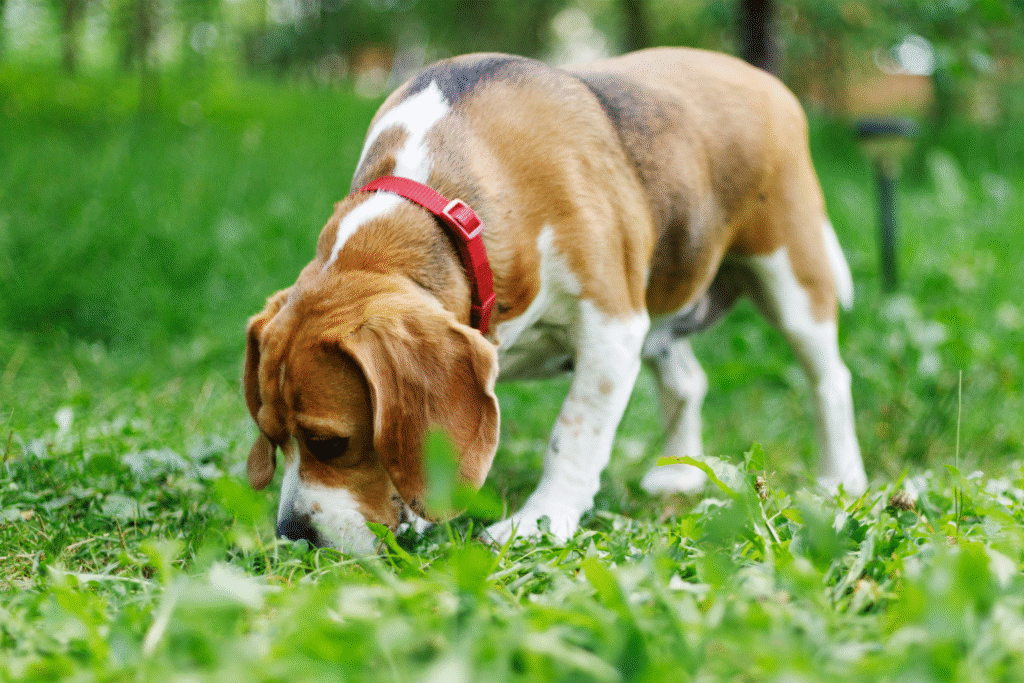
Originating in England as pack hunting hounds, Beagles were bred to track hare over long distances using scent rather than sight. Their noses contain hundreds of millions of scent receptors.
When a Beagle ignores recall in favor of a trail, it reflects genetic priority. Scent processing overrides visual cues. That single minded focus in your neighborhood park mirrors coordinated pack hunts once organized by mounted hunters.
3. Dachshunds dig as if badgers wait.
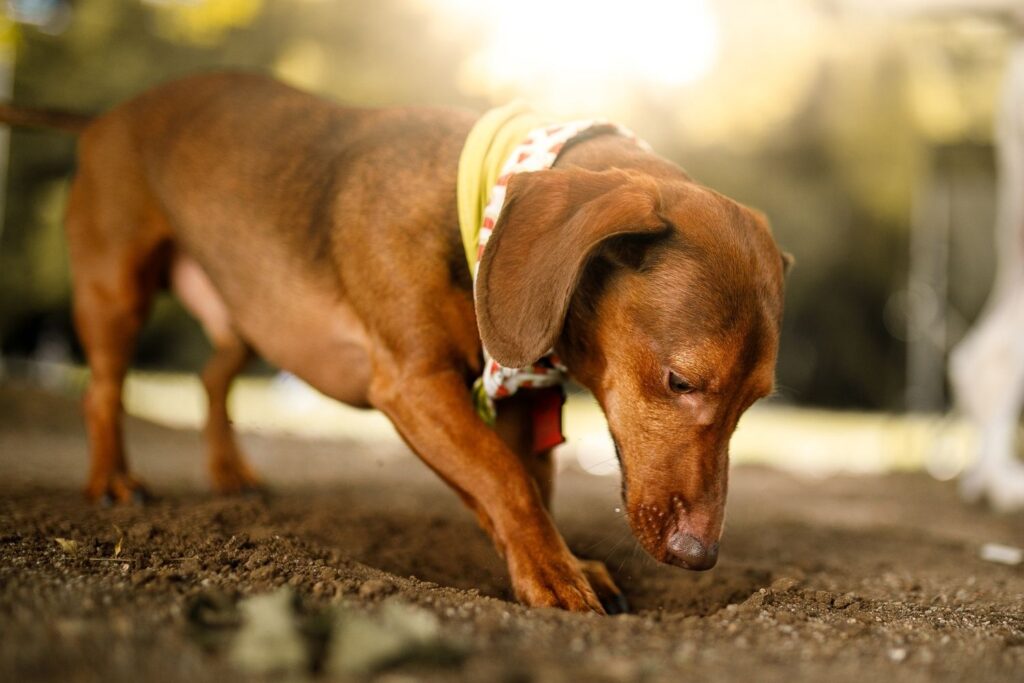
In Germany, Dachshunds were engineered to pursue badgers into underground dens. Their elongated bodies and strong forelimbs allowed them to navigate tunnels with persistence.
Modern flower beds become substitutes for burrows. Persistent digging is not simple boredom. It is rooted in breeding designed for underground pursuit and confrontation in tight spaces.
4. Siberian Huskies resist containment instinctively.

Bred by the Chukchi people in Siberia for long distance sled work, Siberian Huskies evolved to roam and pull over vast frozen landscapes. Independence was necessary for survival.
In fenced yards, that drive can manifest as escape attempts or relentless pacing. Containment challenges reflect an inherited expectation of movement across miles rather than remaining within limited boundaries.
5. German Shepherds monitor everything constantly.
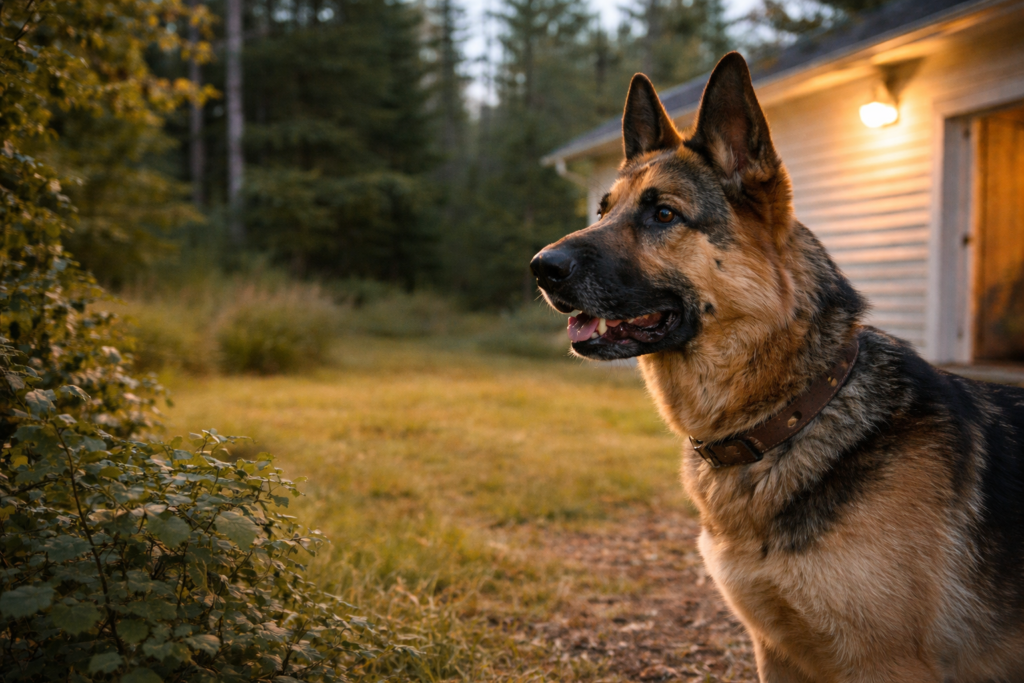
Developed in late nineteenth century Germany for herding and later military and police roles, German Shepherds were selected for vigilance and responsiveness to subtle environmental change.
In living rooms, this translates to alertness at distant sounds or strangers approaching the door. Their scanning behavior mirrors past responsibilities guarding flocks and working alongside handlers in unpredictable situations.
6. Labrador Retrievers carry objects compulsively.
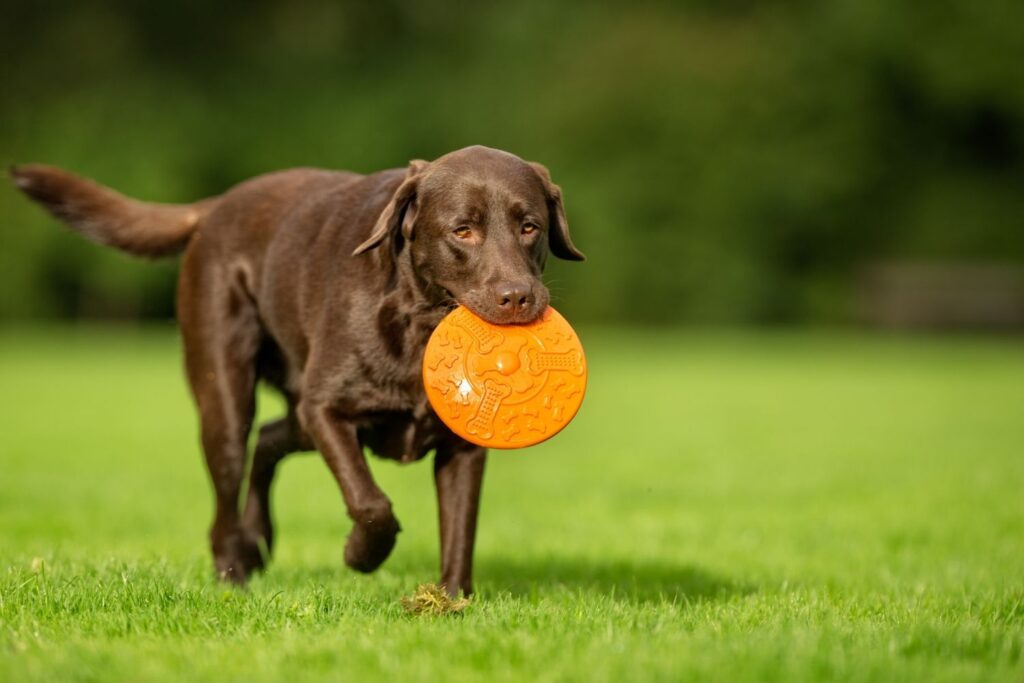
Originating from fishing communities in Newfoundland, Labradors were bred to retrieve nets and waterfowl from cold waters. A soft mouth and strong retrieve drive were essential.
Modern Labradors often carry shoes, toys, or household objects gently in their mouths. The behavior reflects retrieval instinct seeking outlet. It persists even when no ducks are present.
7. Terriers react intensely to small movements.

Terriers were developed in Britain and Ireland to eliminate rodents and small predators. Quick reactions and tenacity were essential traits for dispatching prey efficiently.
In homes, rapid movement from squirrels, birds, or even fluttering curtains can trigger explosive responses. The intensity traces back to vermin control roles embedded deeply in breed history.
8. Great Pyrenees patrol imaginary boundaries.

Bred in the Pyrenees Mountains to guard livestock from wolves, Great Pyrenees dogs were expected to operate independently and defend territory at night.
In suburban neighborhoods, that instinct may appear as nocturnal barking or perimeter patrol of fenced yards. The behavior reflects protective scanning once essential for safeguarding flocks in remote terrain.
9. Pointers freeze at invisible signals.
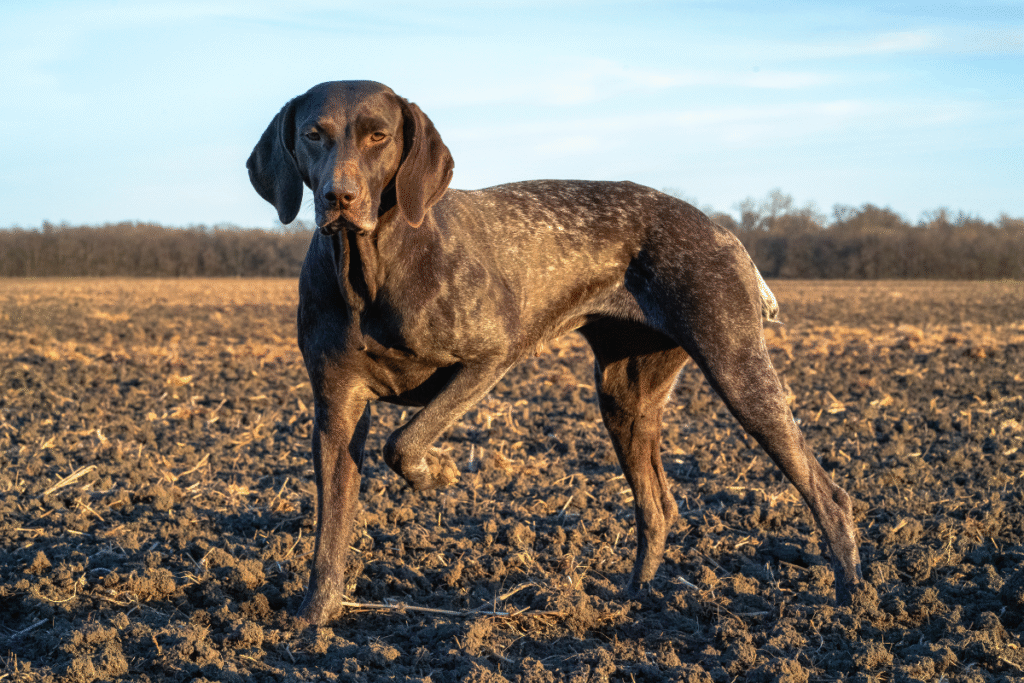
English Pointers were refined in eighteenth century Britain to locate game birds and indicate their presence by freezing in a rigid stance. The posture signaled hunters to prepare.
In parks, a Pointer may suddenly lock into position when detecting scent carried on wind currents humans cannot perceive. The frozen stance is a direct inheritance from coordinated hunting partnerships.
10. Cavalier King Charles Spaniels seek proximity.

Bred as companion dogs in seventeenth century European courts, Cavaliers were selected specifically for closeness and human orientation rather than working tasks.
Their persistent desire to sit on laps or follow owners room to room reflects intentional selection for constant social attachment. In that case, history shows up not as work drive but as enduring companionship instinct.