
These risks are often hard to recognize.

Kidney failure in dogs rarely appears overnight, yet many cases escalate quickly once symptoms surface. Veterinarians see patterns repeat across clinics, breeds, and regions, often tied to everyday exposures owners never suspect. What makes kidney damage especially dangerous is how long it can progress silently before detection. By the time thirst, weight loss, or lethargy become obvious, significant function may already be lost. Understanding what commonly pushes healthy kidneys into crisis can change outcomes, timelines, and decisions when it matters most.
1. Chronic dehydration quietly strains the kidneys over time.
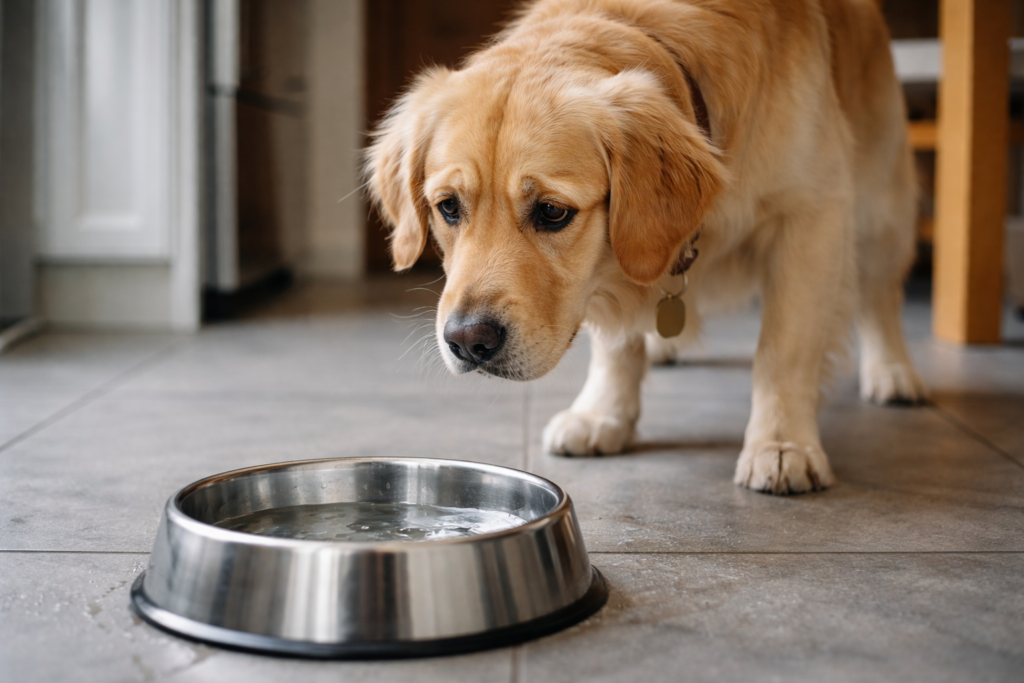
Dehydration does not always look dramatic. Dogs may still drink, eat, and play while operating below optimal hydration. Over weeks or months, reduced fluid intake forces kidneys to concentrate urine harder, increasing internal stress. Owners often miss the slow buildup until damage is advanced.
Kidneys rely on steady water flow to flush waste efficiently. Chronic dehydration thickens blood and concentrates toxins, accelerating tissue wear. Hot climates, limited access to water, or illness can all contribute. What seems minor day to day can compound into irreversible kidney injury.
2. Toxic foods can trigger sudden kidney shutdown.

Some foods harmless to humans are dangerous to dogs. Ingestion may be accidental, unnoticed, or underestimated. Symptoms often begin subtly, then worsen rapidly. By the time vomiting or lethargy appears, kidneys may already be compromised.
Grapes, raisins, certain nuts, and foods containing xylitol are known risks. These substances can cause acute kidney failure even in small amounts. The exact mechanism is not always predictable, making exposure especially dangerous. Immediate veterinary care is critical, but damage may still progress despite intervention.
3. Household chemicals pose serious hidden kidney risks.

Many common cleaners and automotive products contain compounds toxic to dogs. Spills, residue, or improper storage create exposure opportunities. Dogs explore with noses and mouths, increasing risk without obvious warning.
Antifreeze is particularly dangerous, causing rapid kidney failure after ingestion. Some cleaning agents and rodenticides also damage renal tissue. Even licking paws after contact can be enough. These exposures often happen at home, making prevention dependent on awareness rather than distance.
4. Certain medications stress canine kidneys unexpectedly.

Medications prescribed or given casually can strain kidney function. Pain relievers intended for humans are especially risky. Owners may offer them with good intentions during injury or aging.
Nonsteroidal anti inflammatory drugs can reduce blood flow to the kidneys. Antibiotics and some long term medications also carry renal side effects. Dogs with underlying vulnerability face higher risk. Without proper dosing and monitoring, treatment can accelerate kidney decline rather than relieve symptoms.
5. Infections can cause rapid inflammatory kidney damage.
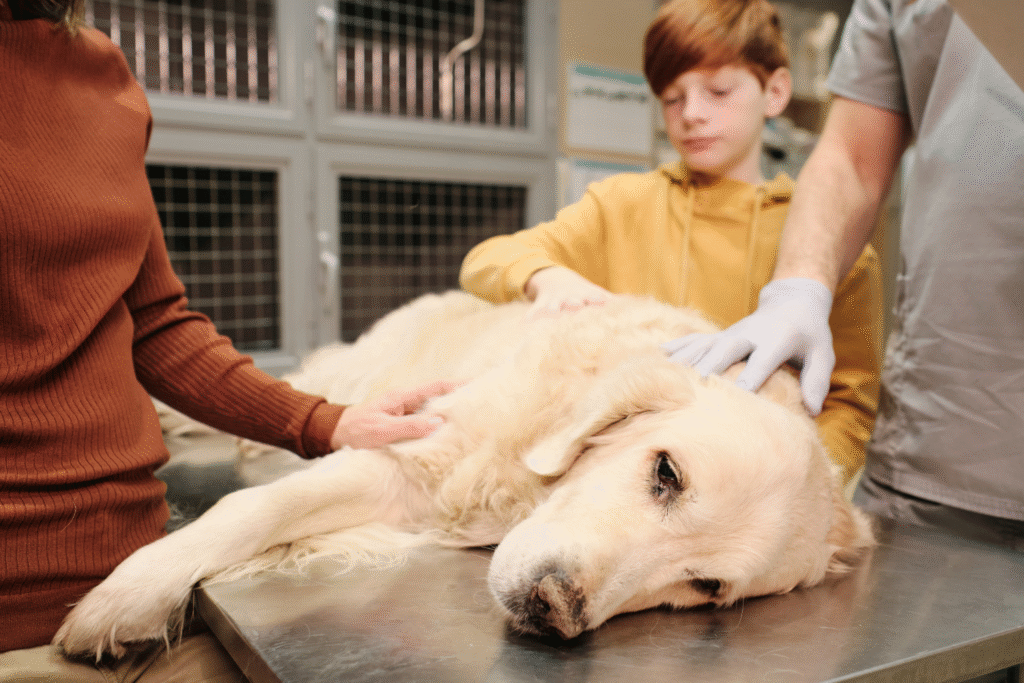
Bacterial infections do not always stay localized. When they spread through the bloodstream, kidneys often become targets. Damage may occur before outward signs appear.
Leptospirosis and severe urinary tract infections are notable examples. These infections inflame renal tissue, impair filtration, and can lead to acute failure. Early treatment improves outcomes, but delays allow inflammation to cause lasting harm. Exposure risk varies by region and environment.
6. Age related decline reduces kidney resilience.
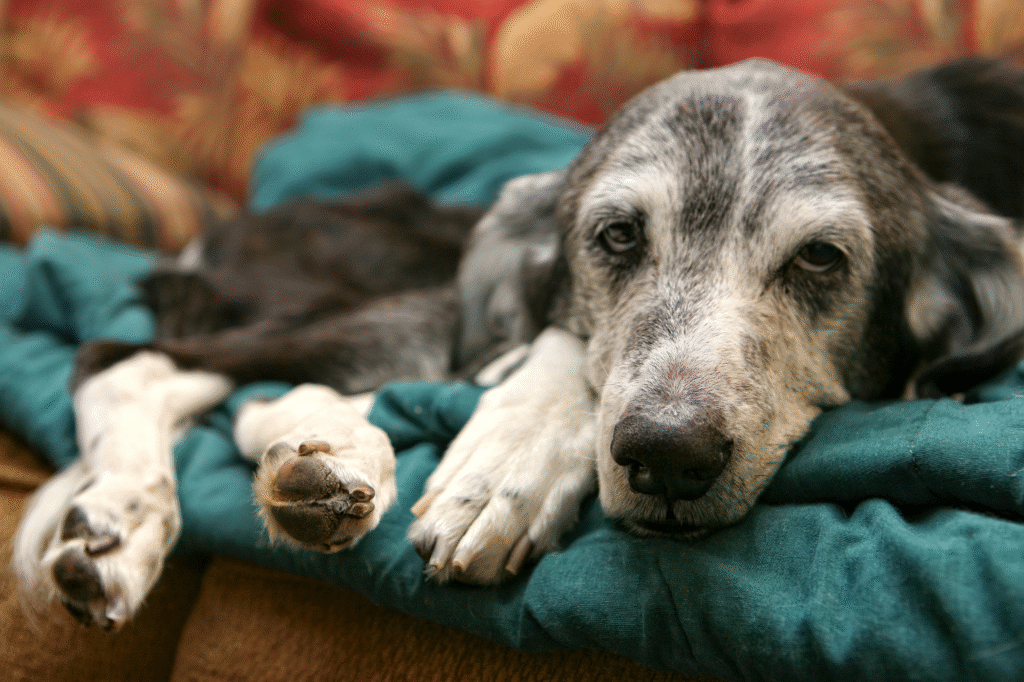
As dogs age, kidney tissue naturally loses efficiency. This gradual decline lowers tolerance for stressors younger dogs may handle easily. Minor insults can have major consequences.
Older dogs process toxins and medications more slowly. Reduced blood flow and cellular repair capacity increase vulnerability. While aging alone does not cause failure, it magnifies the impact of dehydration, illness, or exposure. Monitoring becomes increasingly important with advancing years.
7. Poor dental health contributes to systemic kidney stress.
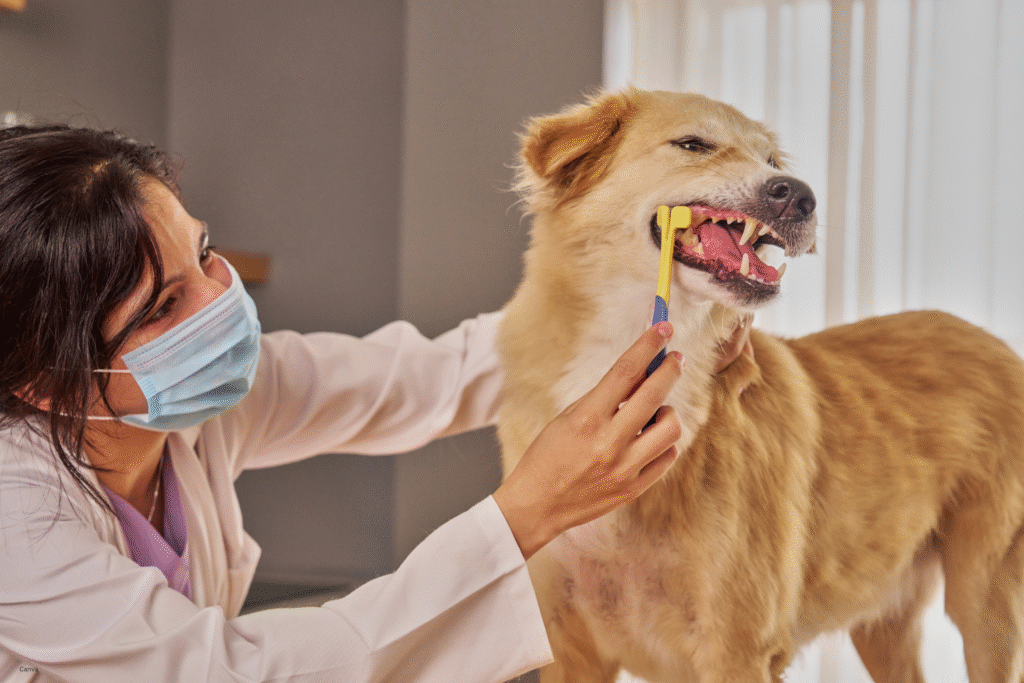
Dental disease often feels unrelated to kidney health. Yet chronic oral infection releases bacteria into the bloodstream. Over time, that burden strains organs tasked with filtration.
Kidneys must process inflammatory byproducts from persistent infection. This accelerates tissue damage and functional loss. Untreated dental disease is common and progressive. Regular dental care reduces systemic strain that quietly undermines kidney longevity.
8. Genetic predisposition raises risk in some dogs.

Some dogs inherit kidneys that are less robust from birth. This vulnerability may remain hidden for years. Owners often discover it only after failure begins.
Certain breeds show higher incidence of congenital kidney disease. Abnormal structure or function increases susceptibility to stress. Genetics do not guarantee failure, but they narrow safety margins. Awareness allows earlier screening and intervention before irreversible damage occurs.
9. Delayed diagnosis allows damage to progress unchecked.
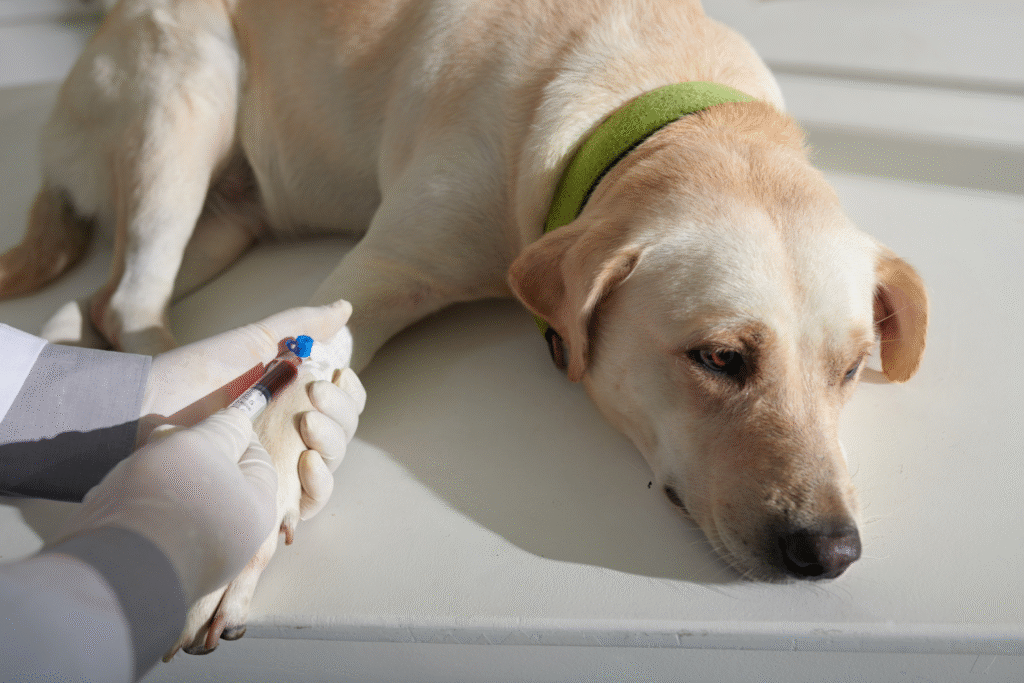
Kidney disease often advances silently. Routine bloodwork may be skipped when dogs appear healthy. By the time symptoms prompt testing, loss is significant.
Early changes are detectable through screening before clinical signs emerge. Without monitoring, intervention windows close. Delayed diagnosis turns manageable decline into crisis. Regular veterinary evaluation remains one of the strongest defenses against catastrophic kidney failure.