
New evidence reveals a widespread and hidden threat.

Lead exposure in dogs rarely announces itself clearly, which is why this new data has unsettled veterinarians. Dogs explore their world through their mouths, and lead lingers in old paint, dust, soil and imported products in ways most owners never consider. The report outlines patterns that stretch across neighborhoods, age groups and breeds, revealing how easy it is for exposure to build unnoticed. What comes next for these dogs depends on how quickly families recognize the environments that place them at risk.
1. Dogs absorb lead through sources owners rarely suspect.
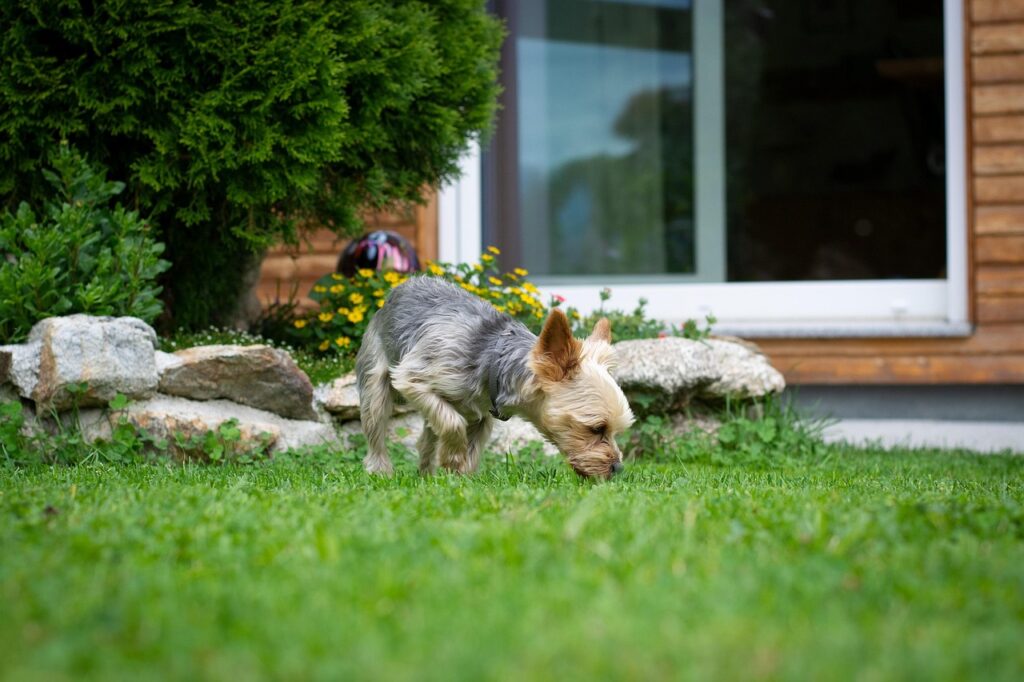
Most families assume lead risks disappeared with old buildings, yet dogs encounter it in soil, toys, imported ceramics and even dust tracked indoors. Their constant sniffing and licking speeds the absorption process, and the lead accumulates before anyone realizes it. The scale of this problem was documented in recent veterinary surveillance, as reported by the Centers for Disease Control and Prevention near the end of their environmental health summaries. That data showed how widespread household exposure still is.
Because symptoms develop slowly, families often overlook the earliest changes. Dogs may seem slightly tired or uninterested in food without any obvious explanation. As the lead level rises, neurological signs become more pronounced and harder to ignore. Early testing is the simplest way to identify the risk before symptoms spiral. Once exposure is confirmed, removing the environmental source becomes the first critical step.
2. Soil around older homes can carry dangerous lead levels.

Many dogs spend hours in yards where soil still holds decades old contamination. Lead binds to dirt, especially near homes built before restrictions changed building materials. When dogs dig or lick their paws after exploring, they ingest small amounts that gradually build in their bloodstream. This risk has been highlighted in environmental housing studies, as stated by the Environmental Protection Agency in their soil contamination reports.
As dogs continue playing in these spaces, the exposure becomes chronic rather than accidental. Families often do not connect yard habits to health changes that appear months later. Irritability, digestive trouble and reduced coordination are common early signs. With soil testing, owners can identify hotspots and take steps to limit access. That shift alone can reverse the trend before permanent damage occurs.
3. Imported toys and chew items can contain unsafe lead levels.

Some brightly colored toys and inexpensive chews come from manufacturers that do not follow strict regulations. Dogs gnaw on these items daily, releasing small amounts of lead into their mouths without any visible warning. Many owners only discover the danger after reading product recalls, as discovered by Consumer Reports in their investigations into contaminated pet goods. The concern grows when dogs show subtle signs that seem unrelated.
The ingestion pattern builds slowly until behavioral and physical changes start appearing. Dogs may develop tremors, unusual vocalization or sudden sensitivity to touch. Identifying the source becomes easier when owners review recent purchases or items the dog has chewed heavily. Removing questionable products and replacing them with verified safe options can halt additional damage. Continued monitoring ensures the dog recovers fully.
4. Household renovation dust can create prolonged exposure.

Renovations stir up paint dust that lingers long after the work ends. Dogs inhale the particles or ingest them while grooming themselves. The exposure is unintentional but significant, especially in homes with older paint layers. Even a small amount can accumulate quickly in a small dog’s system. Families may notice slight weight loss or a distant expression long before they connect it to home improvement work.
Vacuuming and surface cleaning reduce the exposure, but testing the environment ensures safety. When caught early, lead levels drop as the dust disappears. If overlooked, neurological symptoms can intensify until treatment becomes necessary. Creating a safe space for pets during renovations is often enough to prevent the issue entirely.
5. Lead pipes and fixtures can leach into drinking water.

Dogs drink from bowls multiple times a day, which makes water quality a critical factor. Older pipes or corroded fixtures can release lead into tap water without any change in appearance or taste. The exposure becomes steady and accumulative, especially in dogs that drink frequently after exercise. Families often assume clear water means safe water, missing the invisible risk.
Testing household water reveals the problem quickly. Filters certified for lead removal eliminate the source and stabilize the dog’s exposure. Hydration remains essential, so switching to clean water immediately helps reduce ongoing ingestion. Long term recovery depends on how early the contamination is caught and corrected.
6. Dogs living near busy roads may inhale contaminated dust.

Traffic and construction zones generate fine particulate dust that settles on sidewalks, yards and porches. Lead from old fuel deposits and industrial sources can remain embedded in the environment for years. Dogs inhale or ingest the particles during routine walks. The exposure remains unnoticed because dogs rarely show respiratory symptoms early.
Over time, chronic ingestion affects energy, appetite and behavior. Families can lower risk by wiping paws after walks, avoiding dusty zones and using indoor air purifiers. The environment plays a major role in long term recovery. Reducing outdoor exposure often helps the dog stabilize more quickly.
7. Puppies are especially vulnerable to neurological damage.

Young dogs absorb lead more efficiently than adults, which accelerates the damage. Their developing nervous system is sensitive, making even mild exposure harmful. Early signs include clumsy movement or unusual vocalization. Owners sometimes misinterpret these as normal puppy behavior, missing the early clues.
Once symptoms intensify, treatment becomes more urgent. Blood testing reveals the severity and guides veterinary decisions. Removing all lead sources is essential before therapy begins. Puppies recover faster than adults when intervention is early, but delays can lead to long term deficits.
8. Chronic exposure often mimics unrelated medical conditions.

Lead poisoning can look like gastrointestinal disease, behavioral trouble or age related decline. Dogs may show irritability, stiffness or unusual fatigue that overlaps with multiple diagnoses. Families often pursue unrelated treatments before lead becomes a suspected cause. This delay allows the toxin to continue affecting the nervous system.
Veterinarians turn to diagnostic testing when symptoms fail to respond as expected. Elevated levels confirm the suspicion and shift treatment toward detoxification. Recognizing the pattern early prevents complications and speeds recovery. Awareness helps families connect subtle changes to environmental risks before they escalate.
9. Recovery depends on identifying the environment that caused the exposure.

Treatment succeeds only when the dog’s living conditions change. Medication can lower lead levels, but dogs will not improve if the source remains in reach. Families must examine their homes, yards and recent purchases with a new level of detail. Once the source is removed, the body slowly purges the toxin.
Long term monitoring ensures levels continue dropping. Most dogs recover fully when exposure ends early, but severe cases need ongoing care. Understanding the environmental trigger becomes the turning point between prolonged symptoms and lasting health.