
Subtle clues hide in every step they take.

A dog’s paws quietly reflect how their body is functioning beneath the surface. Size shape texture and symmetry shift in response to growth weight joint health and metabolic balance. Veterinarians often observe paw changes during routine exams in cities like Seattle Austin and Toronto before owners notice anything unusual. When paws become larger smaller wider or uneven it is rarely cosmetic. These changes often appear months before visible pain stiffness or mobility loss. Learning to notice paw differences helps catch health concerns earlier while dogs still appear comfortable and active.
1. Larger than expected paws can indicate rapid growth.

Oversized paws in puppies often signal accelerated skeletal growth rather than future size alone. Long bones lengthen rapidly while muscles ligaments and tendons lag behind. This imbalance creates joint instability that increases stress on developing hips knees and elbows. Puppies may stumble rest more often or appear awkward without showing pain. Large breed puppies experience this most frequently during early growth phases when nutrition and growth rate strongly influence orthopedic outcomes and long term mobility.
Veterinarians monitor paw size closely during growth assessments because rapid development raises joint disease risk later. Feeding strategies play a major role according to the American Kennel Club Canine Health Foundation. Diets that moderate growth speed reduce excessive bone stress while supporting healthy development. Controlled exercise also protects vulnerable joints. When growth is paced carefully puppies often mature into stronger adults with fewer orthopedic problems and better long term comfort.
2. Uneven paw size may signal orthopedic imbalance.
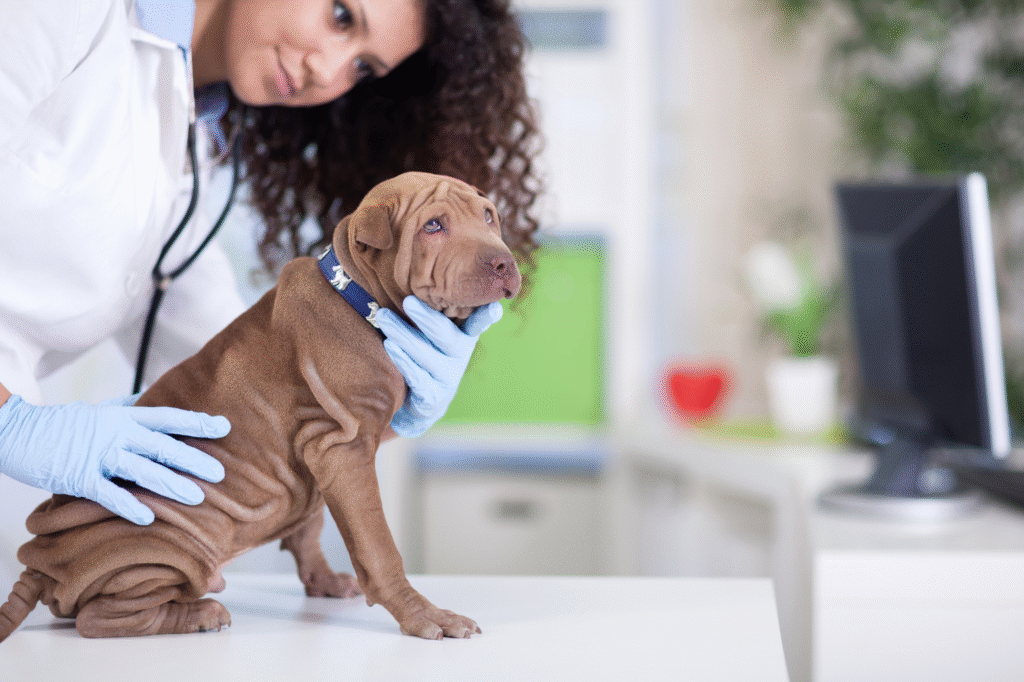
When one paw appears larger than the other it often reflects chronic weight shifting rather than genetics. Dogs instinctively protect sore joints by loading the opposite limb more heavily. Over time that paw develops thicker pads broader toes and a flatter stance. These changes happen gradually which makes them easy to miss. Many dogs remain playful while compensating silently for joint discomfort that has not yet caused visible limping.
Orthopedic specialists recognize paw asymmetry as an early warning sign as reported by the American College of Veterinary Surgeons. Imaging frequently reveals cruciate ligament strain hip dysplasia or spinal tension while dogs still seem active. Early diagnosis prevents prolonged compensation that can damage healthy joints. Addressing the root cause early often shortens recovery time and improves long term mobility outcomes.
3. Exceptionally small paws can reflect endocrine issues.

Paws that appear unusually small relative to body size sometimes indicate hormonal influence rather than breed variation. Growth hormone and thyroid hormones regulate bone density muscle development and tissue maturation. Dogs affected may appear compact or slightly underdeveloped with reduced stamina or delayed physical maturity. These differences are subtle and often dismissed as normal variation until other symptoms emerge later.
Veterinary endocrinology literature identifies paw size as an early physical clue as stated by the Merck Veterinary Manual. Blood testing often confirms treatable hormonal imbalances. When addressed early dogs frequently regain strength energy and healthier body proportions. Ongoing monitoring helps maintain stable metabolism and prevents secondary complications affecting joints weight and overall vitality.
4. Wide splayed paws often suggest chronic weight stress.

Paws widen gradually when joints and connective tissues carry sustained excess load. This commonly results from weight gain muscle loss aging or reduced activity. Pads flatten toes separate and stance widens as the body seeks stability. Because the change is slow owners often notice it only after mobility has already declined or stiffness becomes apparent.
Veterinary clinics frequently see this pattern in middle aged dogs whose routines changed quietly. Weight management alone may not reverse the change. Strengthening core and limb muscles helps redistribute load away from joints. Early intervention slows further structural alteration and preserves joint function. Supporting healthy movement patterns reduces fatigue and helps dogs stay active longer.
5. Thickened pads can point to inflammatory conditions.
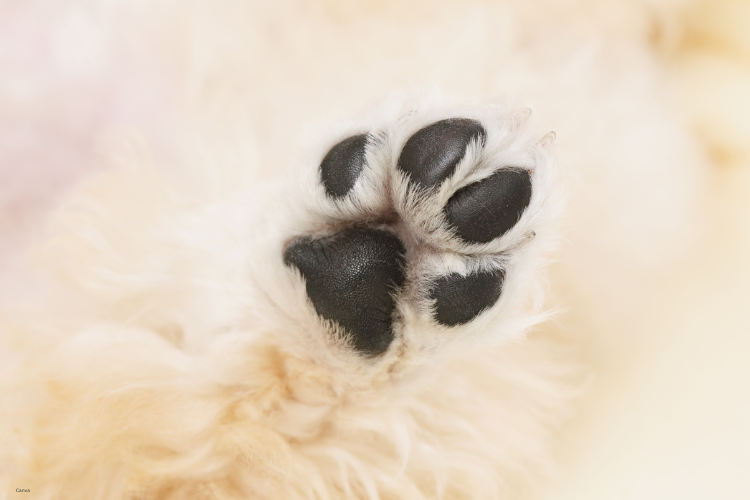
Pad tissue responds quickly to inflammation occurring anywhere in the body. When paws feel unusually firm swollen or warm it often reflects immune activity rather than surface injury. Allergies autoimmune disorders and chronic infections can all alter pad texture before skin ears or digestion show obvious symptoms.
Dermatology specialists often notice pad changes early during evaluations. Monitoring paw texture alongside licking chewing or behavioral shifts helps narrow potential causes. Treating inflammation early prevents progression into more widespread symptoms. Managing the underlying immune response improves comfort and reduces recurring flare ups that impact overall quality of life.
6. Long narrow paws may correlate with joint laxity.
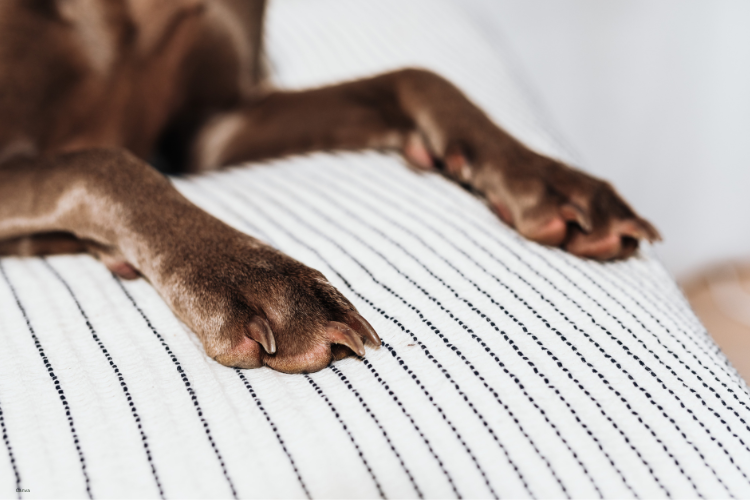
Dogs with elongated narrow paws sometimes have looser connective tissue throughout the body. This allows increased joint movement but reduces stability. While this can enhance speed or agility it also raises injury risk especially during repetitive motion or high impact activity.
Veterinarians working with sporting and working dogs monitor paw structure during training seasons. Conditioning that emphasizes strength and controlled motion protects vulnerable joints. Without targeted support these dogs face higher risk of soft tissue injuries. Proper conditioning helps extend active years and maintain sound movement.
7. Compact paws can mask early arthritis signs.
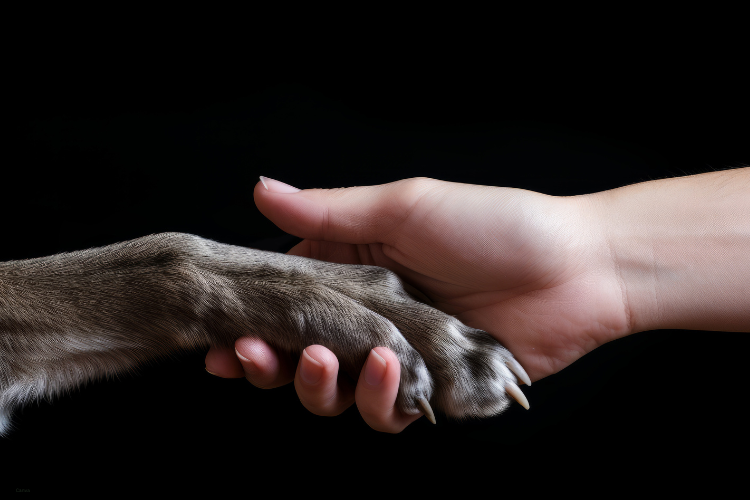
Tightly structured paws distribute pressure efficiently which can hide joint discomfort developing higher in the limb. Dogs may remain energetic while stiffness builds slowly in hips elbows or shoulders. Owners often assume movement changes reflect normal aging rather than pain.
Geriatric assessments combine paw posture with movement transitions. Subtle difficulty rising turning or slowing during walks often appears before limping. Early arthritis management improves comfort and preserves mobility far longer than waiting for visible pain or advanced joint damage.
8. Rapid paw size changes can reflect metabolic shifts.

Noticeable paw size changes over weeks or months often signal systemic issues. Fluid retention can make paws appear puffy while muscle loss or tissue thinning can make them look smaller. These changes are easily mistaken for age weather or activity effects at first.
Veterinary internists view sudden paw changes as diagnostic clues. Kidney liver and hormonal disorders can affect circulation and tissue integrity. Early blood testing often identifies problems before appetite fatigue or mobility decline appear. Timely treatment improves long term stability and comfort.
9. Rough cracked pads may signal nutritional gaps.

Pads rely on hydration essential fatty acids and micronutrients to remain flexible. When nutrition becomes imbalanced pads lose elasticity and crack. This can occur even when calorie intake seems adequate particularly if absorption is poor.
Veterinary nutritionists often treat pad condition as an external reflection of internal nourishment. Adjusting fat sources correcting deficiencies or addressing digestion frequently improves pad health within weeks. Healthier pads often coincide with improved energy coat condition and resilience.