
Reading canine body language can change everything.

Dogs often look wild when they play. Teeth flash, growls rumble, and bodies collide with the kind of force that makes humans freeze. Yet what looks like chaos is often a delicate social exchange that most dogs handle with skill and intuition. The line between play and conflict can be surprisingly thin, and understanding it matters more than most owners realize. Scientists studying dog behavior have found that even the friendliest tussles can switch to real fights in seconds. Knowing how dogs communicate helps us step in before things go too far.
1. Play fights often mimic real aggression perfectly.

When dogs play, they borrow the same moves used in real fights—biting, chasing, and body slamming—but they adjust the intensity. Researchers have noted that playful dogs exaggerate their motions and frequently pause or swap roles to signal fairness, according to the American Veterinary Society of Animal Behavior. These pauses act like punctuation, showing that the roughhousing is still friendly. Without those breaks, things can shift quickly. The subtlety is astonishing, and most dogs understand these unwritten rules far better than humans watching from the sidelines.
2. The tone of a growl can reveal the intent.

A playful growl carries a different rhythm and pitch than one meant for warning. Dogs often growl while chasing or wrestling, and it’s easy to misread that sound as aggression. Researchers using acoustic analysis found that playful growls tend to be shorter and more variable in tone, while aggressive growls are longer and lower, as stated by Scientific Reports. The trick for owners is not to panic when they hear a growl but to watch what the dog’s body is saying at the same time. The sound alone doesn’t tell the whole story.
3. Mutual consent separates fun from fear.

Real play only happens when both dogs agree to the game. Behavioral scientists emphasize that healthy play includes role reversals, loose movements, and voluntary engagement, reported by the Journal of Veterinary Behavior. When one dog keeps trying to leave and the other won’t stop, it’s no longer play. Reading that shift takes observation and calm intervention. Interestingly, many dogs will self-regulate, backing off if they sense discomfort. Humans often miss those cues, assuming dogs will just “work it out,” but attentive owners can prevent many scuffles before they start.
4. A single freeze can signal an impending fight.

When play turns tense, everything changes in an instant. Movements that were bouncy and fluid can suddenly stop, like the world has hit pause. That stillness is often the only warning before escalation. It’s the canine version of saying, “That’s enough.” Dogs that freeze and stare are trying to decide their next move. If the other dog ignores that signal, things can spiral fast. Understanding that silent cue can make the difference between laughter and lunges in the next heartbeat.
5. Facial tension tells a story words never could.
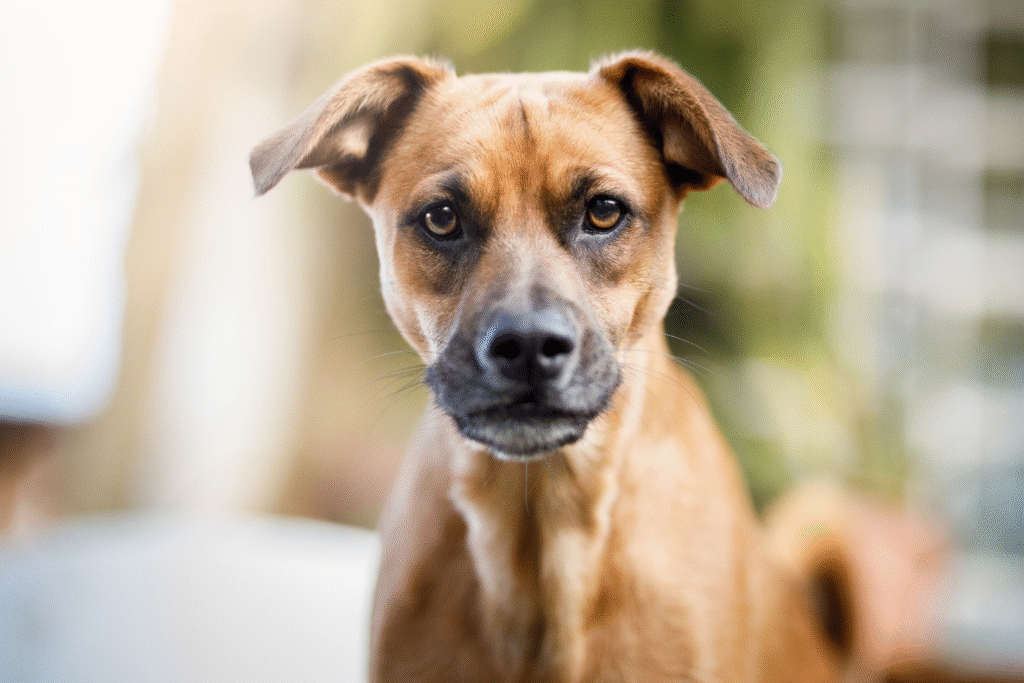
A playful face is loose, with open mouths and floppy ears, while tension around the muzzle or eyes hints that frustration is brewing. Watch for lips tightening or eyes narrowing; those small shifts can reveal the moment fun becomes conflict. Dogs use their entire face to communicate their mood. Owners who learn to recognize those micro expressions become fluent in canine language. It’s a quiet kind of literacy that builds stronger, safer relationships between humans and their dogs.
6. Chasing games are all about balance and choice.
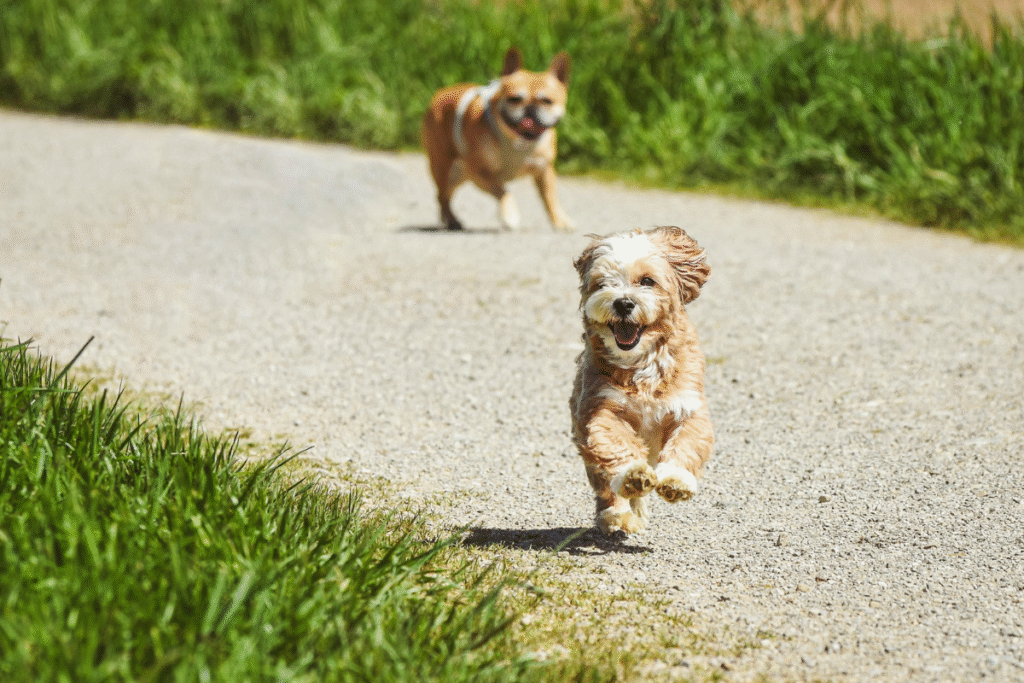
Every good chase has a rhythm. Dogs take turns being the hunter and the hunted, creating an invisible balance. If one dog never stops running or can’t catch a break, stress replaces fun. Sometimes, a dog who feels cornered may snap defensively, not out of aggression but pure fear. Watching for voluntary role switching shows if both dogs are enjoying the thrill or if one is just enduring it. Balance is what keeps the excitement from boiling into chaos.
7. Rough play depends heavily on familiarity.

Dogs who know each other well tend to play rougher because they’ve built trust. That comfort allows them to push boundaries without triggering conflict. Strangers, on the other hand, need more time to figure out each other’s limits. When unfamiliar dogs skip that polite introduction phase, misunderstandings often follow. It’s like humans jumping into a heated debate with someone they just met—context matters. Familiarity lets dogs experiment safely, while new relationships need slower pacing and softer approaches.
8. Human energy often shifts the entire dynamic.

Dogs pick up on their owner’s mood faster than most people realize. Nervous energy, raised voices, or overreacting during play can heighten tension between dogs. A calm observer can defuse moments before they spiral, while panic tends to add fuel. Staying relaxed helps dogs feel secure, and that steadiness is contagious. The best referees are quiet, confident, and unhurried—qualities that dogs instinctively respond to. A peaceful human presence can turn a risky moment back into laughter and wagging tails.
9. Stopping early keeps friendships intact for good.
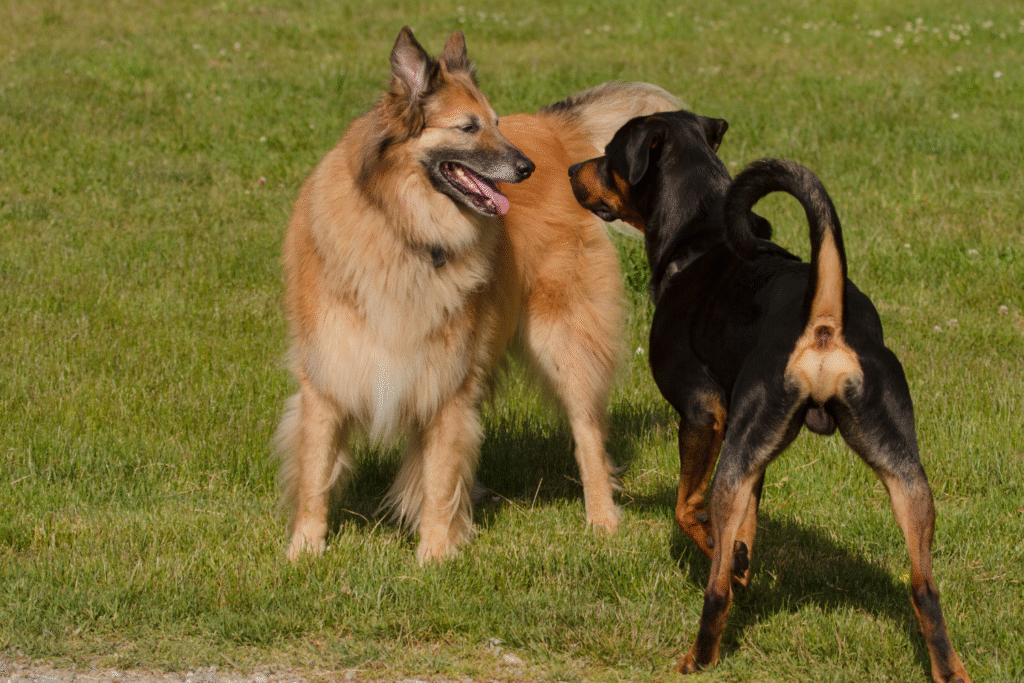
Interrupting play at its peak might feel unnecessary, but it’s smart management. Calling dogs over before they reach exhaustion helps reset the mood. A short break lets excitement cool and ensures both dogs stay in the sweet zone of fun, not frustration. Over time, this teaches them to self-regulate too. Ending sessions on a positive note keeps friendships strong and prevents bad experiences from souring future encounters. It’s a small habit that builds long-term trust and harmony.
10. Learning their signals transforms owners into true allies.

Once you start noticing the subtleties—those pauses, facial shifts, and rhythmic exchanges—you see play in an entirely new way. It becomes less about guessing and more about understanding. The difference between a friendly scuffle and a real fight is often just a few seconds and one missed cue. Learning to read those signs not only prevents conflict but deepens the connection you share with your dog. In that quiet awareness, play becomes more than fun—it becomes communication in its purest form.