
Discover what your dog may be dreaming while asleep.

When your dog twitches, paddles its paws, or softly barks in sleep, it might look like random movement, but scientists say it reveals something far more interesting. Research from Harvard Medical School and other behavioral studies has found that dogs experience sleep stages strikingly similar to humans, including REM sleep, where vivid dreams occur. Those tiny movements aren’t meaningless; they reflect a dog’s emotional memory replaying familiar scenes and sensations. These new insights show that even in rest, dogs are processing their days, their bonds, and perhaps their love for you.
1. Dogs cycle through sleep stages much like humans do.

Dogs alternate between non-REM and REM phases, during which their brains become highly active. According to Harvard University’s research on sleep behavior, this REM stage produces vivid dreams in both humans and dogs. The twitching paws, fluttering eyelids, or soft yips you see are signs of this active mental state. Scientists believe dogs process memories, emotions, and sensory details while dreaming. Understanding that their sleep follows similar neurological rhythms to ours adds depth to how we view their emotional lives, and gives meaning to those nightly movements.
2. Dogs most often dream about familiar people and routines.
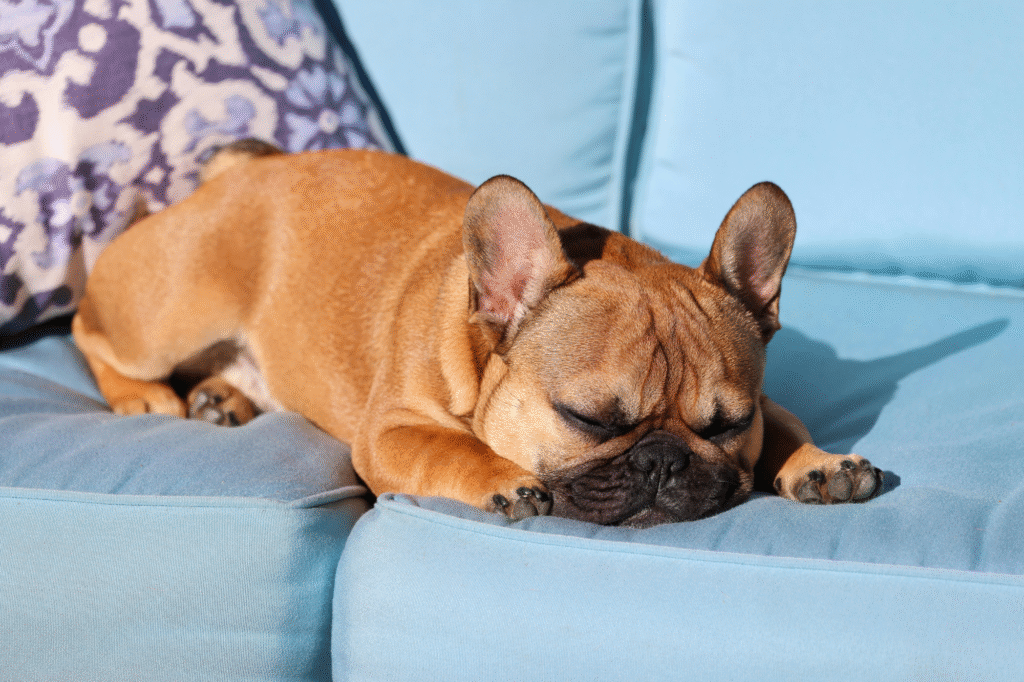
When dogs enter the REM phase, their brains replay experiences that matter to them, usually the people, smells, and daily adventures they know best. As discovered by Harvard researchers studying animal cognition, dogs’ strong emotional bonds with their owners shape much of their dream content. The wagging tail or quiet whine you notice mid-sleep could reflect memories of walks, affection, or play. Essentially, your dog’s subconscious may revisit moments with you, translating the feelings of companionship into dream imagery that mirrors waking joy, as discovered by Harvard.
3. Twitching in sleep shows that dogs act out their dreams.

Neuroscience studies from Scientific American revealed that dogs’ motor neurons briefly release inhibition during REM sleep, allowing muscles to respond to dream activity. These twitches and leg paddles are the body’s reflections of imagined action. A dog “running” in sleep might be reliving a chase, a fetch game, or even a joyful sprint at the park. This brain-body connection proves dreaming is not passive, it’s active rehearsal of lived experiences. The body subtly moves as the mind plays, revealing glimpses of a rich inner world, as reported by Scientific American.
4. Puppies and seniors dream with more visible motion.
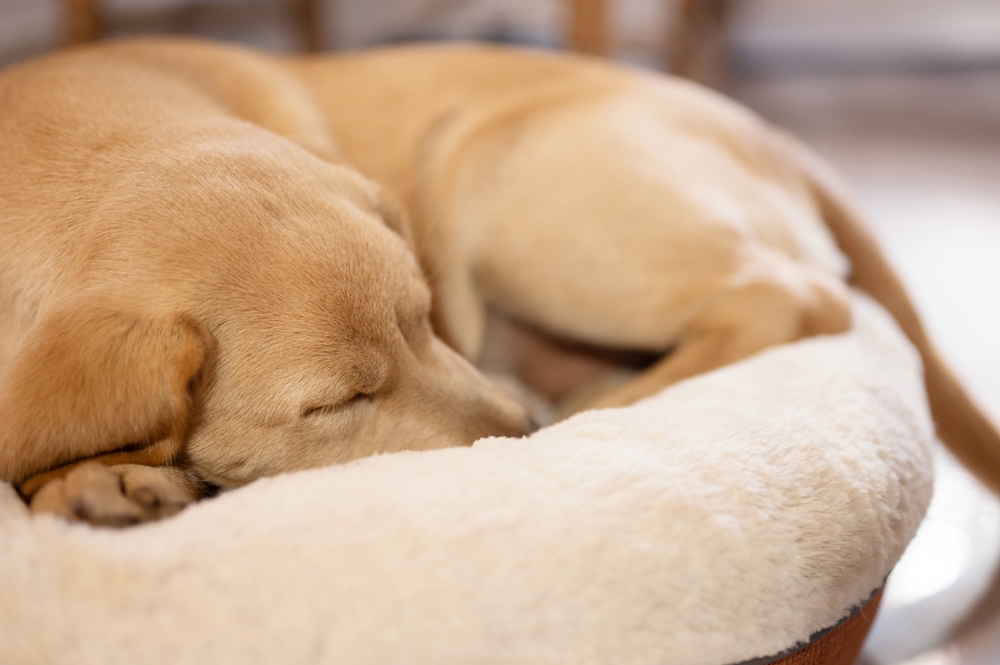
Puppies often twitch more because their developing nervous systems lack full control over muscle inhibition during REM sleep. Likewise, older dogs show greater movement as that inhibition weakens again with age. These visible motions are harmless and natural signs of a brain hard at work. For young dogs, it supports neurological development; for seniors, it may help maintain memory and emotional regulation. Watching these sleep bursts is seeing the brain’s dialogue with the body—a quiet conversation unfolding beneath fur and dreams.
5. Dream twitches differ greatly from seizure movements.
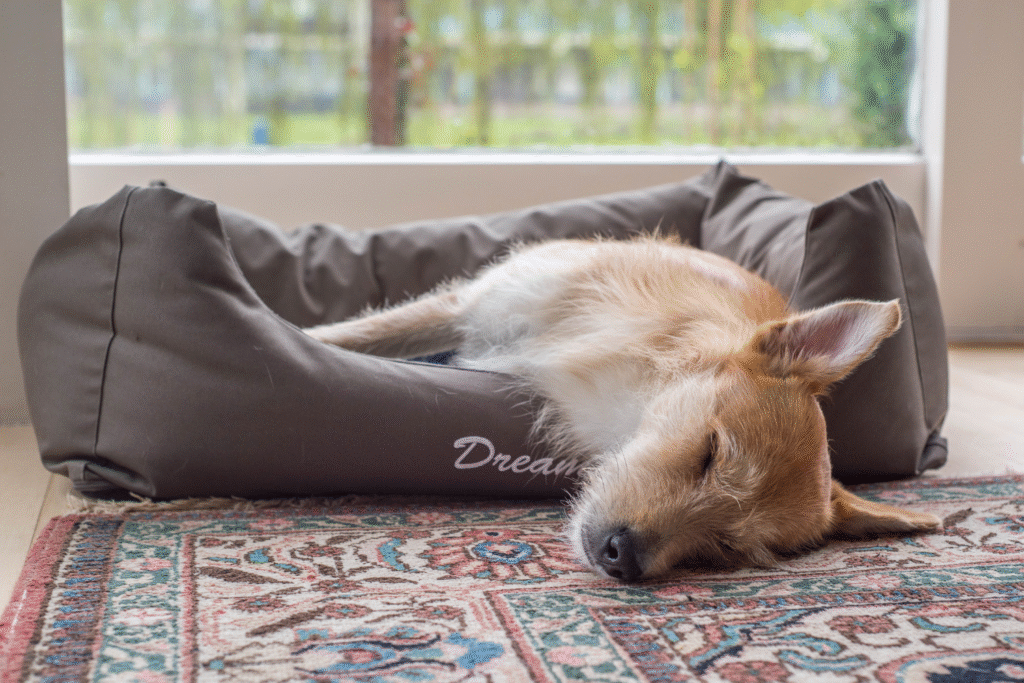
It’s common to worry that strong twitching could mean a medical problem, but dream movement is gentle, rhythmic, and short-lived. Seizures, in contrast, cause prolonged rigidity, uncontrolled jerking, or loss of consciousness. Dreaming dogs breathe evenly, may make soft noises, and awaken easily if called. Understanding the difference helps owners relax and allows dogs to enjoy uninterrupted rest. Twitching in sleep signals health, not harm—a natural function of their dreaming brain maintaining balance between motion and memory during deep rest.
6. Sleep quality shapes emotional balance and behavior.
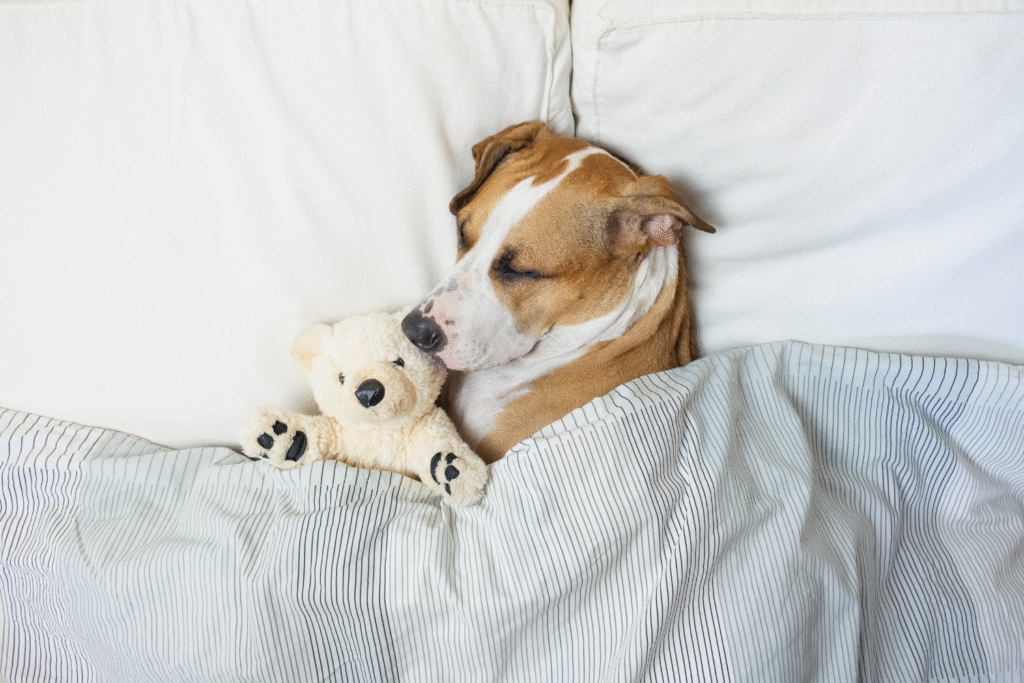
Dogs need restful sleep cycles to process stress and retain learned behaviors. Studies have linked poor sleep to irritability, reduced focus, and anxiety in dogs. A calm environment, familiar scent, and consistent bedtime all support full REM phases. When dogs dream deeply, they consolidate experiences, much like humans reviewing the day. Their relaxed twitching becomes a visible marker of healthy sleep—proof that their body and mind are resetting. The more stable their rest, the more stable their mood when morning arrives.
7. Dream patterns mirror daily emotion and experience.
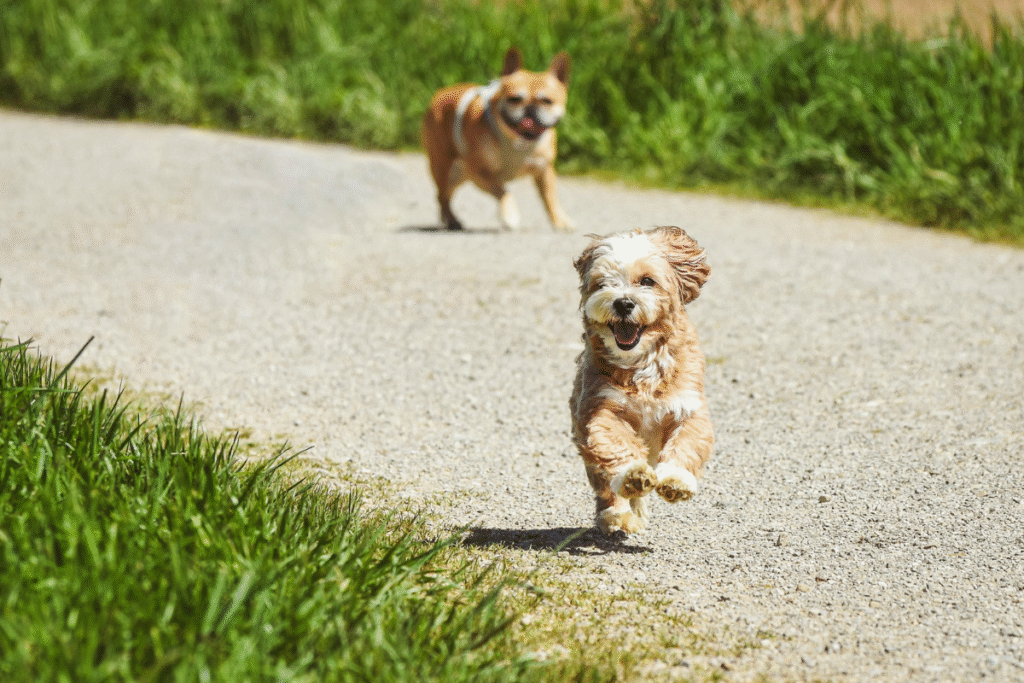
A dog’s dreams reflect what they’ve lived through that day. A thrilling chase, new smells, or a stressful encounter might all resurface during REM. Researchers believe this nightly replay helps regulate emotional balance, letting dogs process excitement or fear. When your dog sleeps after a busy day and their legs twitch or they sigh softly, it’s their brain sifting through memories—replaying highs and lows until equilibrium returns. Dreaming acts as nature’s reset button, making their waking moments calmer and more focused.
8. Environment plays a powerful role in dreaming.
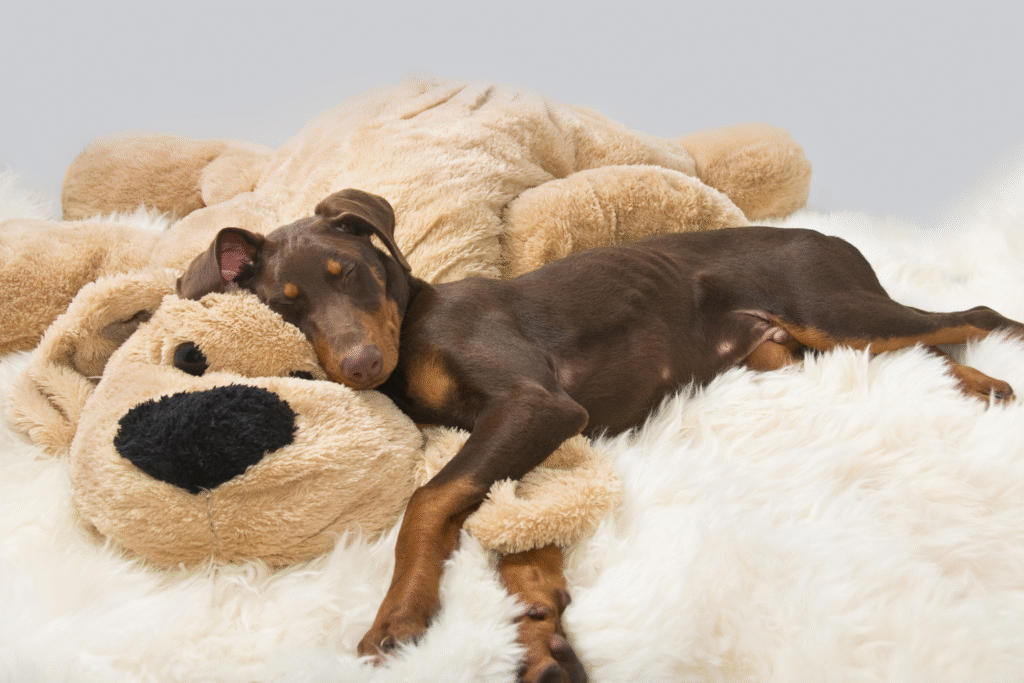
Noise, temperature, and stress all influence the intensity of a dog’s dreams. A peaceful environment allows more stable REM cycles, while disruption shortens dream time. Providing quiet, comfortable sleep spaces encourages deep, healthy rest. Over time, a predictable bedtime routine reduces anxiety and strengthens sleep quality. The result is visible in behavior—dogs that rest well dream well, and those that dream well handle daily life with more confidence and calm.
9. Dogs sometimes vocalize when their dreams turn emotional.
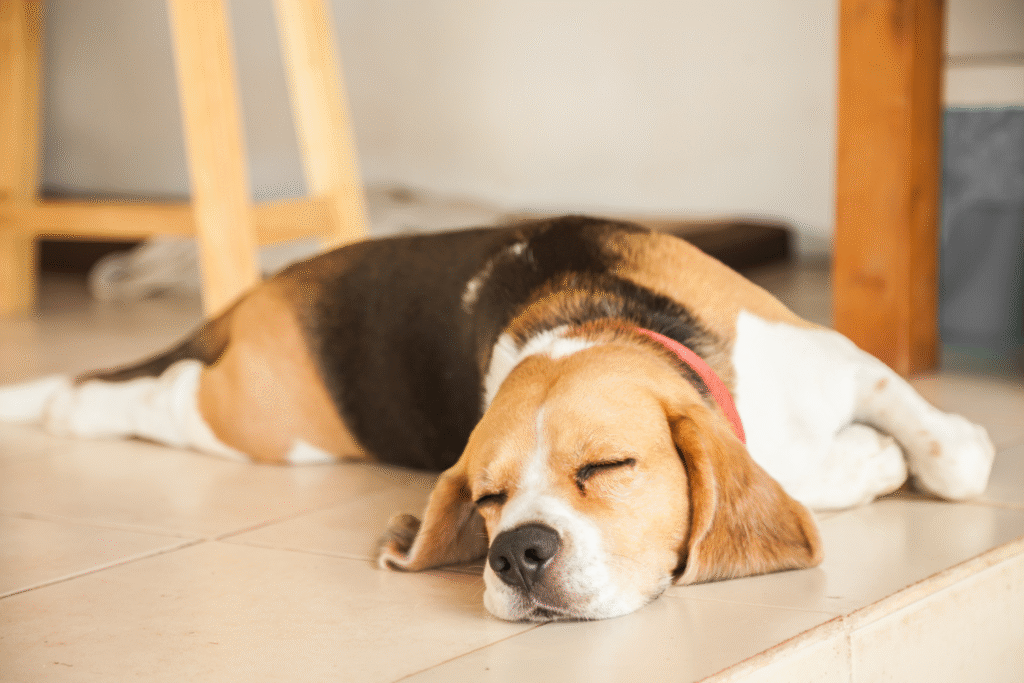
Soft barking or whining during sleep can happen when dreams take a vivid turn. This may correspond to chasing, playing, or even distress. Observing without interrupting allows the dog’s natural cycle to complete safely. Over time, owners begin recognizing their pet’s dream “language,” distinguishing excitement from unease. That connection, quietly watching and understanding, strengthens the bond between human and dog, linking waking care to sleeping trust. In both worlds, the connection remains unbroken.
10. Knowing dogs dream deepens the human-animal bond.
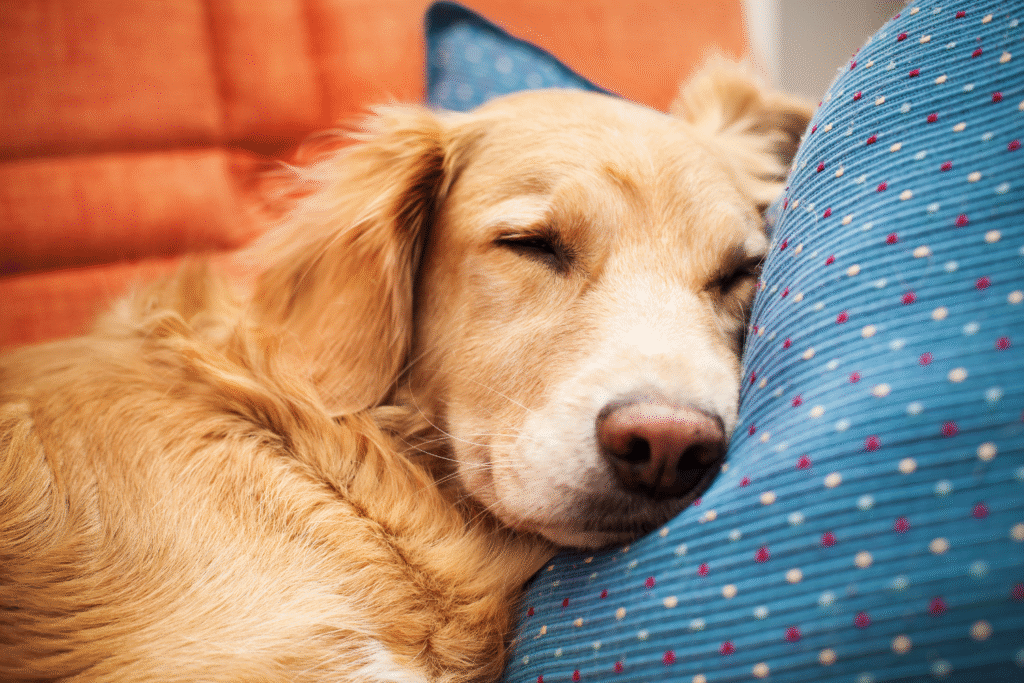
Recognizing that dogs dream, remember, and even emotionally process experiences reshapes how we see them. Each twitch, sigh, or motion becomes part of a shared language across consciousness. By letting them rest, we honor that they have inner lives as vivid as ours. Sleep is not escape but reflection, a nightly theatre of love, learning, and emotion. When your dog drifts into that gentle rhythm beside you, they’re not just sleeping, they’re dreaming, perhaps of you, in quiet, contented loops of memory and affection.