
That steady gaze carries more information than it seems.
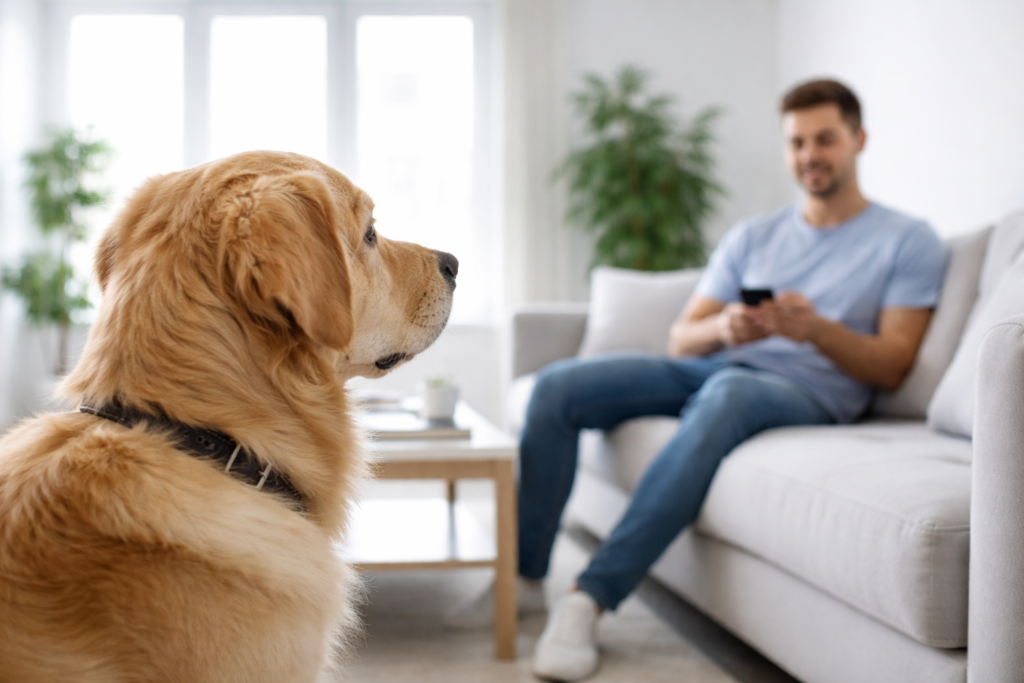
When a dog watches you from across the room, it is rarely random. This behavior appears in homes every day, whether during quiet evenings, busy mornings, or moments of rest. Dogs evolved to monitor key figures for safety, guidance, and opportunity. The distance does not weaken the connection, it sharpens it. A fixed gaze can signal bonding, anticipation, concern, or learned habit. Understanding why dogs observe from afar reveals how deeply their behavior is shaped by evolution, environment, and shared daily routines.
1. Your dog tracks you as a social anchor.
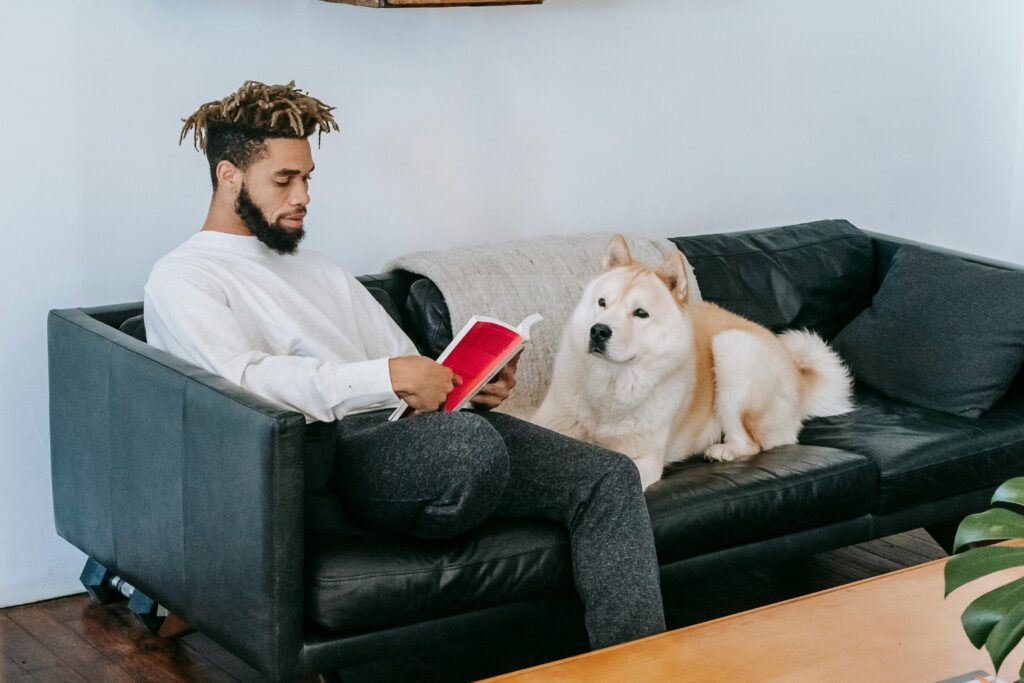
Dogs evolved to stay visually connected to important group members. Watching you from across the room allows your dog to monitor safety, mood shifts, and movement without interrupting rest. The behavior reflects trust and attentiveness rather than neediness.
That gaze strengthens social coordination. According to the American Kennel Club, dogs frequently watch their owners to gather information about what might happen next, using human movement and posture as cues for safety, routine changes, or upcoming interaction.
2. Observation helps dogs anticipate routines and rewards.
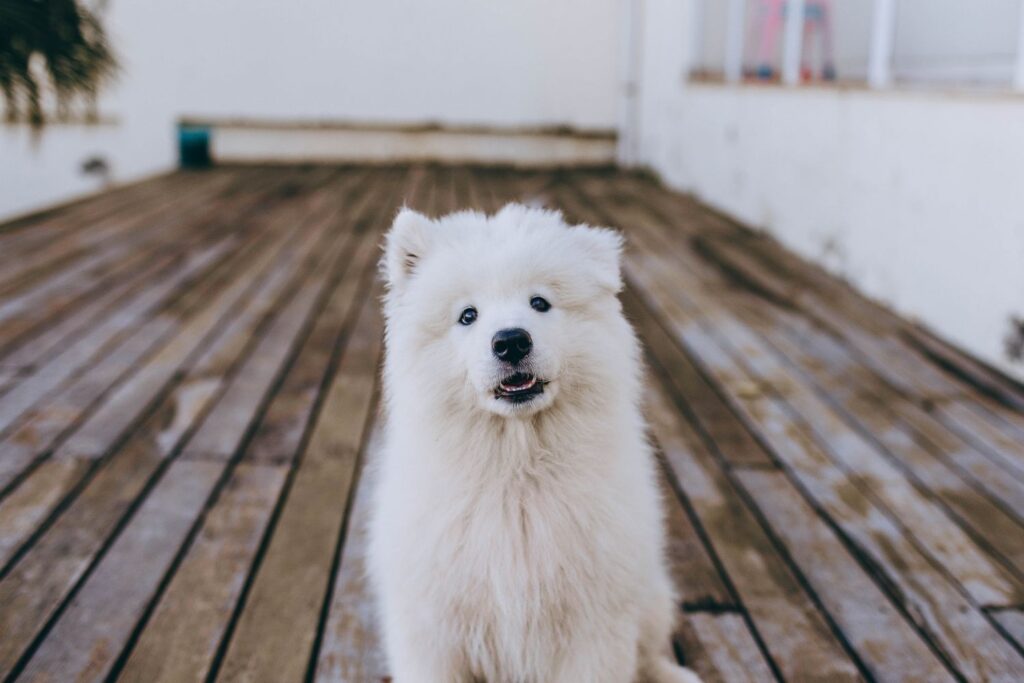
Dogs are excellent pattern learners. Watching you closely helps them predict meals, walks, playtime, or departures. From across the room, they gather timing information without inserting themselves into your space.
This anticipation is neurologically rewarding. As stated by the University of Helsinki Canine Cognition Research group, dogs actively observe human behavior to forecast outcomes, which helps them reduce uncertainty and prepare emotionally for what comes next.
3. Dogs read human emotional states through stillness.

A dog watching quietly from a distance is often assessing emotional tone. Subtle changes in posture, breathing, or movement communicate far more than words. Distance provides a clear visual field for this assessment.
This sensitivity supports bonding. As reported by the National Institutes of Health, dogs are capable of interpreting human emotional cues visually, allowing them to adjust behavior based on perceived stress, calm, or attention availability.
4. Distance watching reflects comfort rather than anxiety.
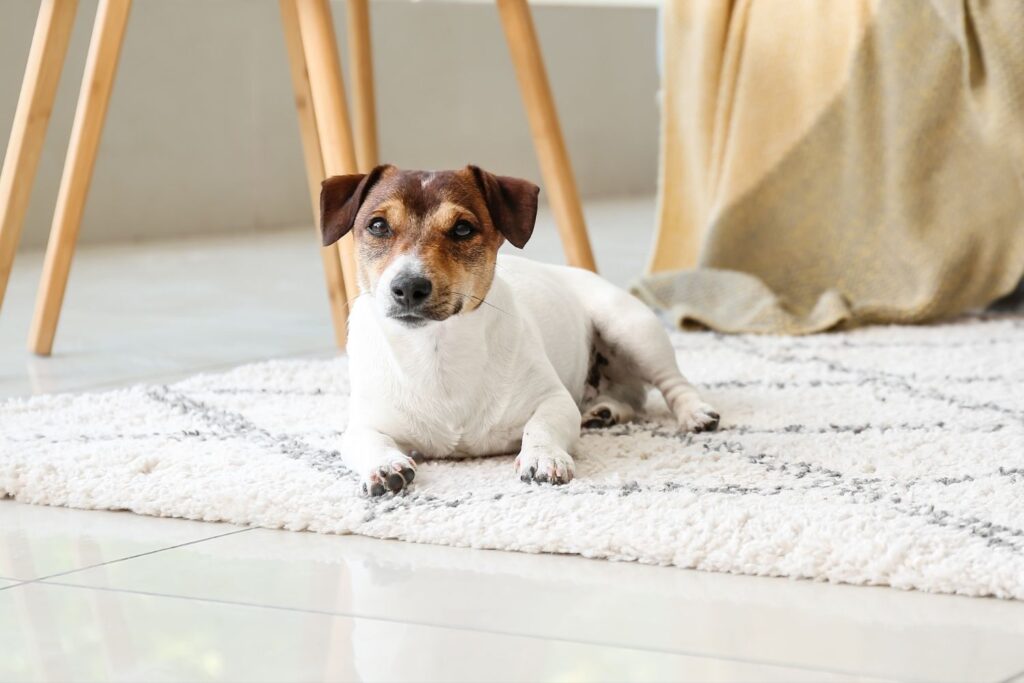
A relaxed dog chooses distance because it feels safe. There is no urgency to stay close. The dog trusts that connection remains intact even without physical contact.
This behavior often appears in stable households. The dog monitors calmly, confident that needs will be met. The gaze becomes observational rather than demanding, showing emotional security rather than dependence.
5. Dogs monitor movement to maintain environmental control.

From across the room, dogs can track entrances, exits, and changes. This position allows broad awareness without repositioning. It is a practical vantage point shaped by survival instincts.
Monitoring movement helps dogs feel prepared. Even in safe homes, this instinct remains active. Watching you helps them understand how the environment is shifting moment by moment.
6. Learned behavior reinforces watching from afar.
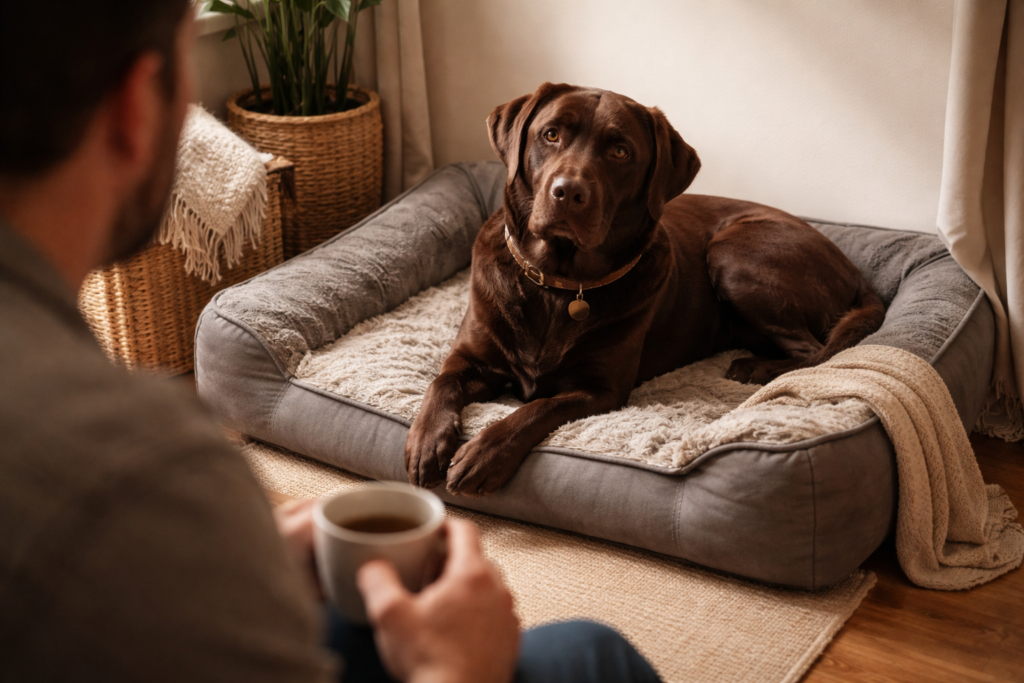
Many dogs learn that watching precedes reward. A look, a stretch, or a step can trigger attention, treats, or affection. Over time, watching becomes reinforced through experience.
The dog is not manipulating. It is repeating a behavior that has worked before. Distance watching often develops naturally when calm observation has been rewarded consistently.
7. Dogs use visual contact to stay emotionally connected.
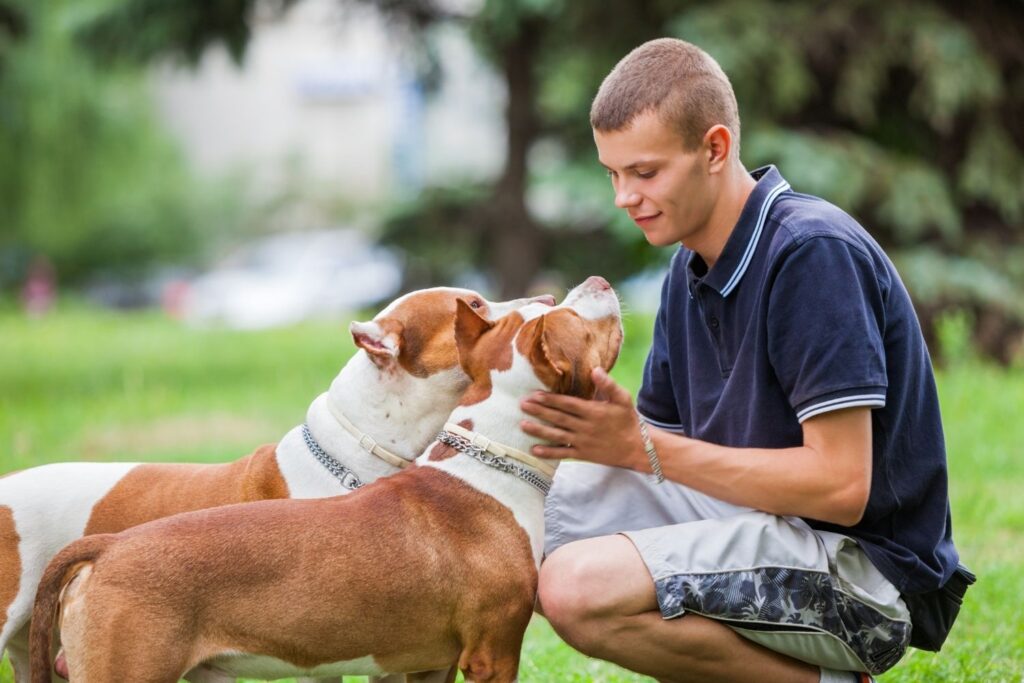
Eye contact maintains social bonds. Even without interaction, visual connection reassures dogs that the relationship is intact. The room distance does not reduce emotional closeness.
This behavior mirrors pack dynamics. Members remain aware of one another without constant contact. The dog watches, relaxed, knowing connection persists.
8. Alert breeds remain visually engaged by instinct.
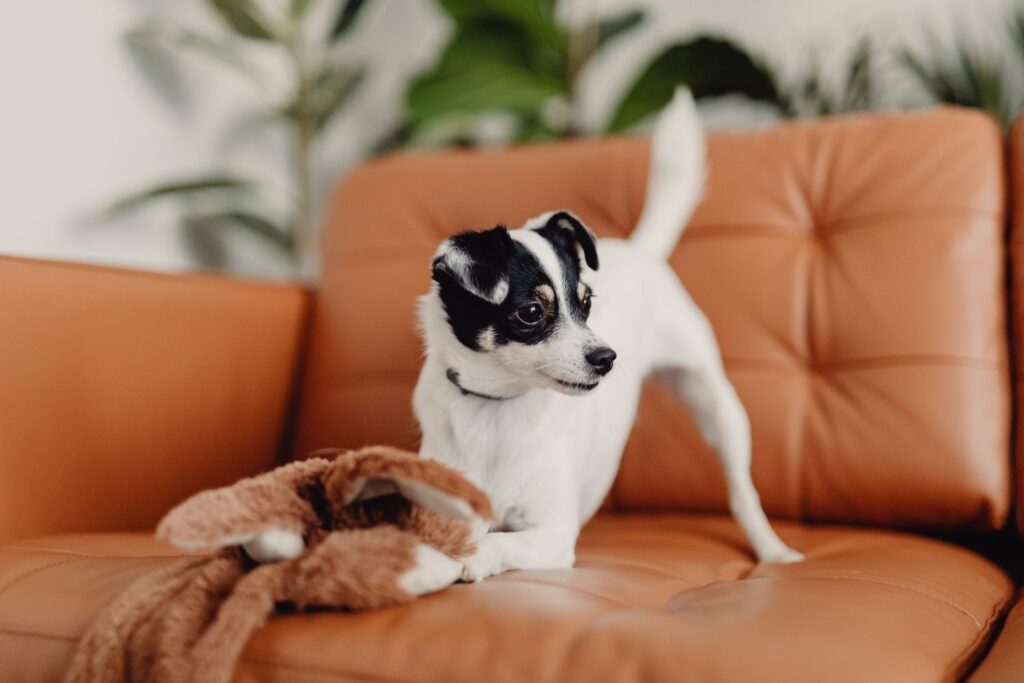
Some dogs are bred to observe rather than act immediately. Herding and guarding breeds often watch first, gathering information before responding.
From across the room, they stay engaged without overreacting. The gaze reflects readiness, not tension. It is a holdover from working roles requiring constant assessment.
9. Dogs assess when interruption is appropriate.
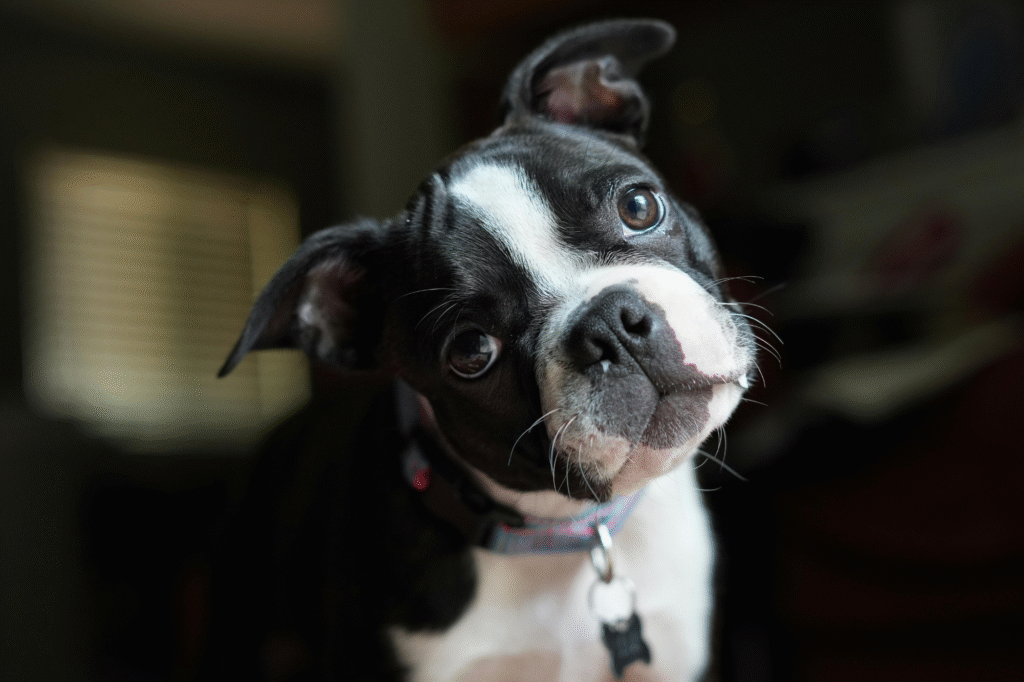
Watching allows dogs to judge timing. They observe your posture, focus, and energy to decide whether approaching is welcome.
This shows social awareness. The dog waits, watching for signals that interaction is invited. Distance gives them space to make that decision thoughtfully.
10. Calm watching signals trust in shared space.
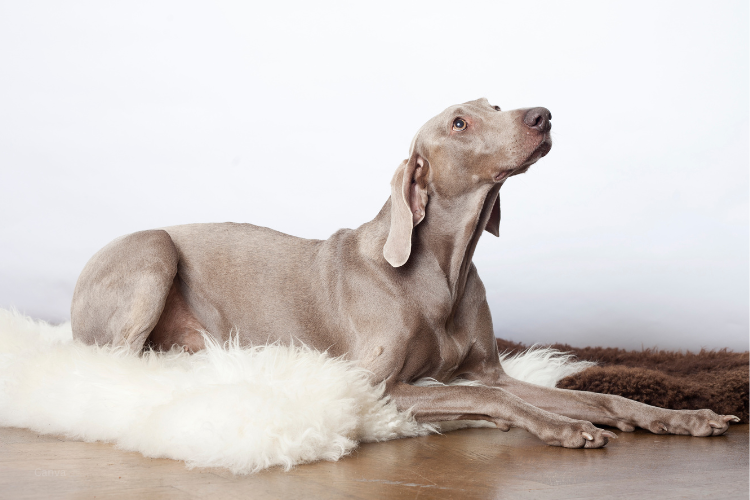
When a dog watches peacefully from across the room, it signals confidence. The environment feels stable. The relationship feels secure.
There is no need to cling or withdraw. The gaze becomes a quiet form of companionship, reflecting comfort, awareness, and long developed trust built through shared daily life.