
The smallest hormone shifts can cause big changes.

It often sneaks in quietly. One day your dog seems slower, the next they’re packing on weight despite eating the same amount of food. Thyroid disease in dogs is common but easily missed in its early stages. The thyroid gland, tucked neatly in the neck, controls metabolism and energy, so even slight dysfunctions ripple through the whole body. Spotting these clues early can mean catching the disease before it becomes lifelong medication and chronic fatigue. Here’s what to watch for before the symptoms blend into everyday aging.
1. Your dog starts gaining weight without eating more.

When a dog’s thyroid underperforms, metabolism slows, making calories stick instead of burn. You might notice their body thickening around the ribs or belly even though their diet hasn’t changed. As stated by the American Kennel Club, hypothyroidism is one of the most common hormonal disorders in middle-aged dogs, especially medium to large breeds. The imbalance affects how energy is processed, turning normal meals into excess fat. Weight gain that defies logic is one of the first subtle whispers that something internal is off.
2. Energy levels start fading like a dying battery.

Fatigue is one of those early signs that owners often mistake for aging or laziness. Dogs with thyroid issues may nap longer, skip playtime, or walk slower on routes they used to love. Over time, their once-bright enthusiasm fades into quiet disinterest. According to VCA Animal Hospitals, low thyroid hormone reduces oxygen use in tissues, which slows energy metabolism across the board. When a dog begins running out of steam too easily, and rest doesn’t restore them, thyroid decline could be quietly unfolding beneath the surface.
3. Their coat loses its shine and starts thinning.

A dull, coarse, or thinning coat can hint that your dog’s thyroid isn’t keeping up. The thyroid hormones are key to healthy skin and hair growth, and when they drop, fur can shed unevenly or bald patches can appear along the tail, flanks, or neck. Some dogs even develop thick, darkened skin. As reported by the Merck Veterinary Manual, this is due to a reduced turnover of skin cells and hair follicles. The result is a texture change that’s easy to mistake for seasonal shedding but signals a deeper metabolic slowdown.
4. Cold weather suddenly feels unbearable for them.

Dogs that once slept belly-up on cool tile may start burrowing under blankets, shivering at mild breezes, or avoiding outdoor walks. Low thyroid function reduces the body’s ability to regulate temperature, leaving dogs unusually sensitive to the cold. It’s not about preference—it’s about physiology. The slower metabolism literally means less heat production. When your dog starts seeking warmth constantly, it’s the body’s way of compensating for an internal thermostat that’s failing to hold steady.
5. They seem mentally foggy or detached from routine.
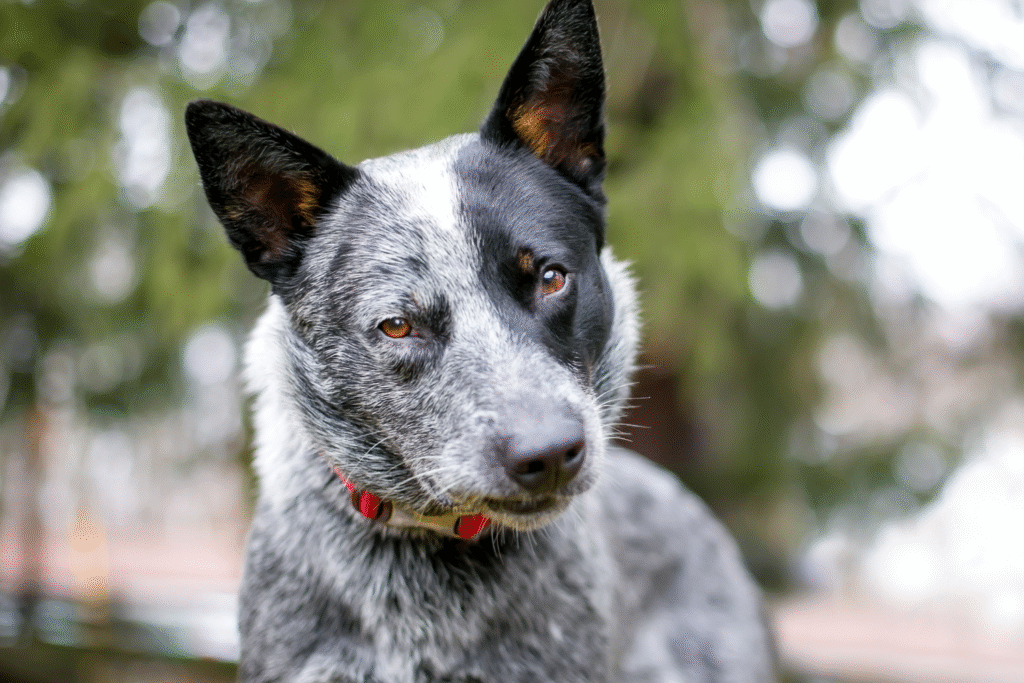
Thyroid disease doesn’t only affect the body—it fogs the brain, too. Some dogs appear confused by commands they once knew or stare blankly into space for longer periods. Others grow uncharacteristically withdrawn or irritable. This hormonal dip interferes with nerve function and mood regulation. It’s often one of the most overlooked symptoms because it masquerades as simple personality change. That sudden emotional distance, though, can be one of the clearest signs that something internal has shifted.
6. Skin infections start cropping up more often.
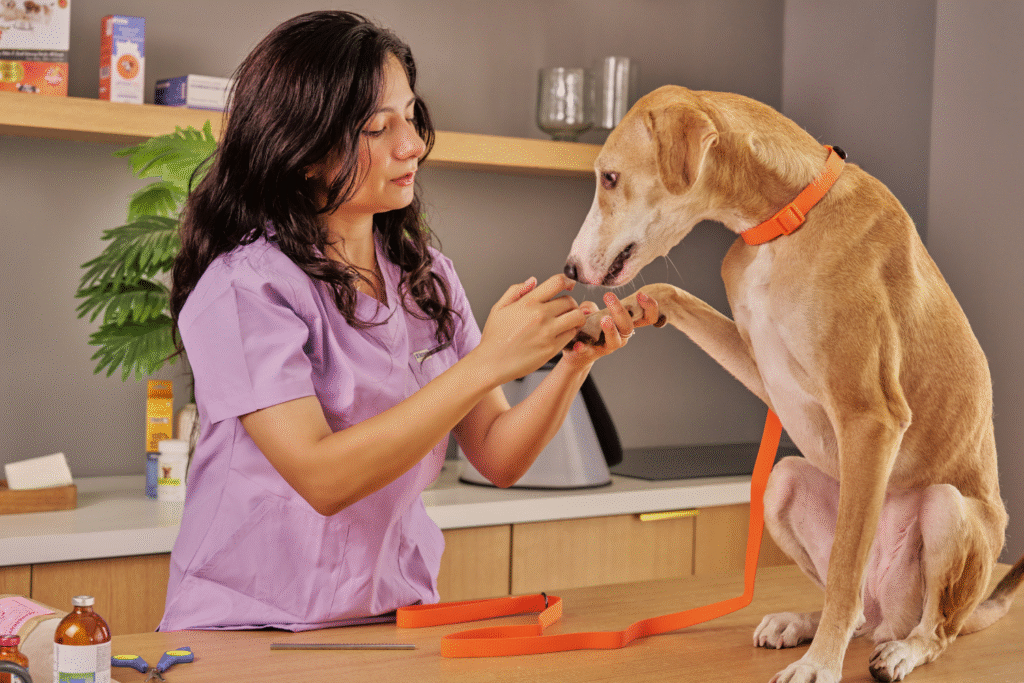
Low thyroid hormones weaken the skin’s natural defenses, allowing bacteria and yeast to multiply. Red patches, oily residues, or foul-smelling hotspots may appear on your dog’s skin and return even after treatment. The immune system, which relies on thyroid hormones to keep inflammation balanced, struggles to recover. When skin issues keep repeating, it’s often less about hygiene and more about hormones. Recurrent infections are like a silent announcement that something systemic is dragging the body down.
7. Their heart rate becomes slower than normal.

The thyroid influences how quickly the heart pumps, and when hormone levels fall, the result can be a slower-than-usual pulse. While you may not notice it directly, your vet might catch it during a routine exam. The lower heart rate contributes to that tired, sluggish demeanor and can affect oxygen flow throughout the body. It’s a quieter clue, but one that reinforces the picture of an engine running at half speed, no longer tuned for performance.
8. Unexplained weight loss can also appear later on.
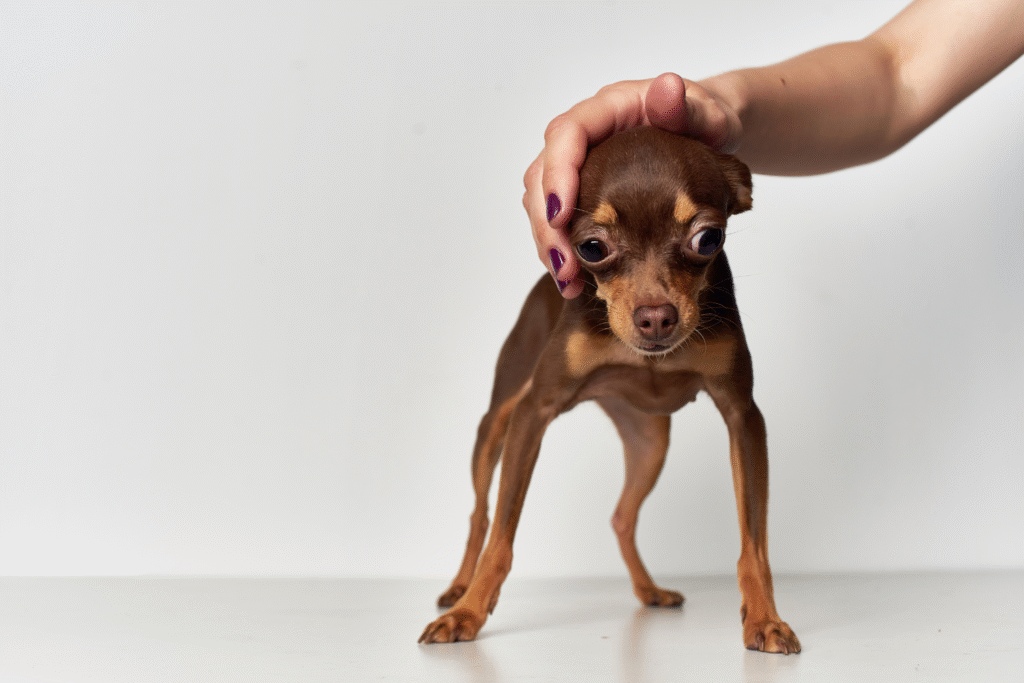
Though most cases involve weight gain, some dogs swing the other direction, dropping pounds without reason. As the disease progresses, muscle tissue may waste away while fat remains, creating an odd mismatch in their body shape. Their appetite might fluctuate, too—some dogs lose interest in food, while others eat more to compensate for poor absorption. When the thyroid’s rhythm becomes unpredictable, so does the body’s ability to balance intake and output.
9. The tail starts looking like a rat’s.
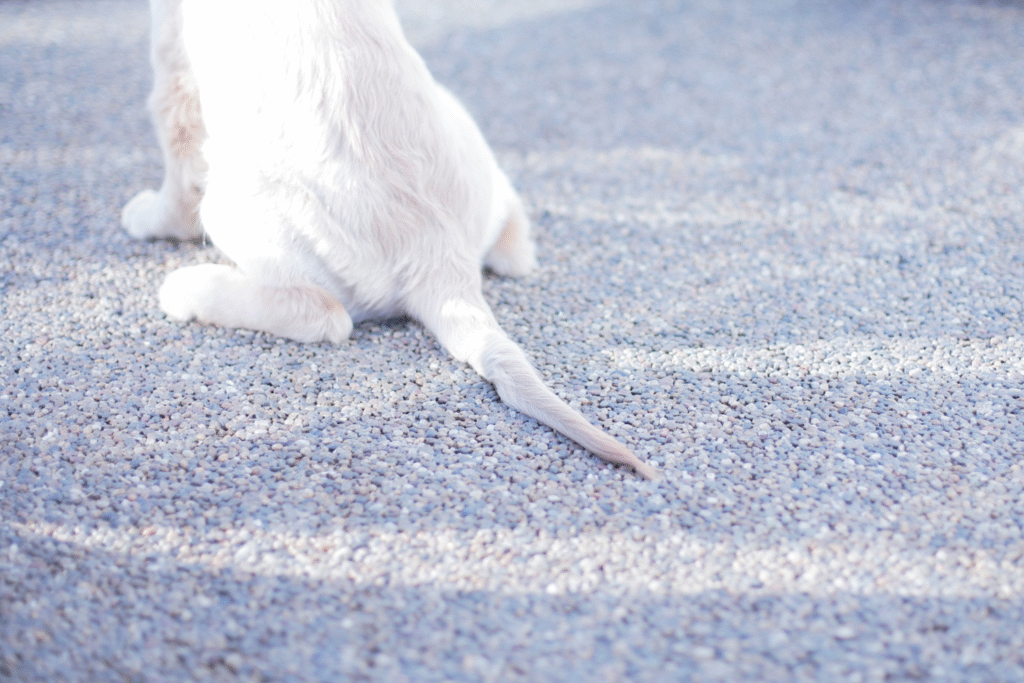
This is one of the stranger but well-documented signs. The hair on the tail, especially near the base, can thin dramatically, leaving a rough, scaly look that resembles a rat’s tail. It’s caused by uneven follicle activity and hormonal disruption at the skin level. Because this area is often hidden or ignored, owners might not notice it until the change becomes striking. If your dog’s tail suddenly transforms like this, it’s time to ask for a thyroid test.
10. They develop a hoarse bark or weak vocal tone.
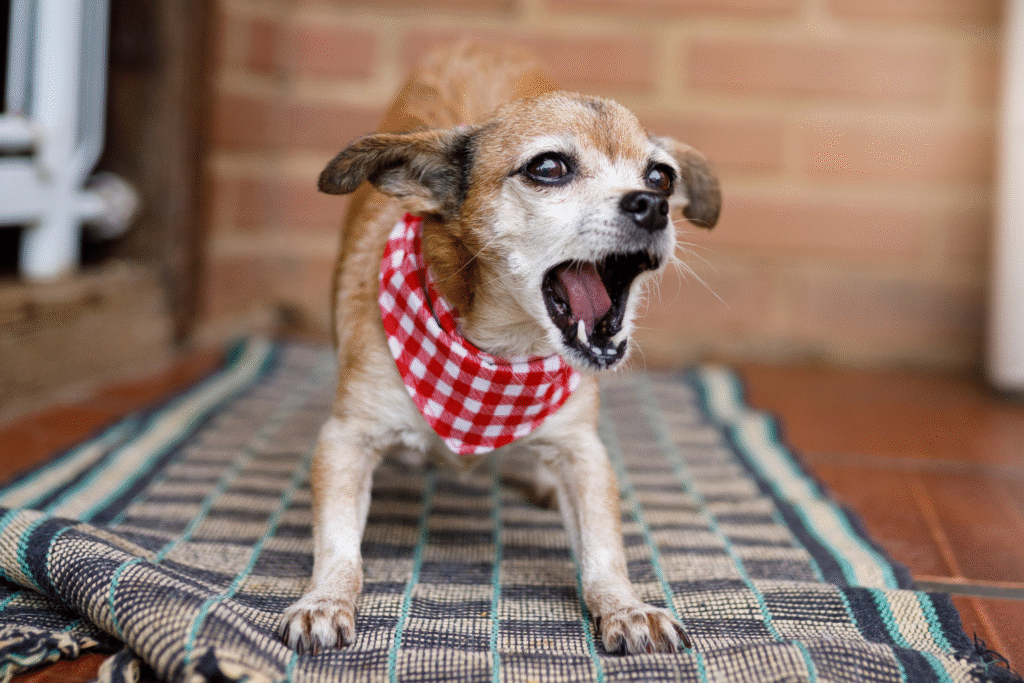
Sometimes thyroid changes affect the nerves controlling the larynx, leading to a softer, raspier bark. Owners often describe it as if their dog has caught a cold that never quite goes away. The laryngeal nerves are sensitive to metabolic imbalances, and when thyroid hormone dips too low, those nerves lose function. Over time, that subtle change in voice becomes one of the most personal indicators that something deeper is unfolding—your dog’s way of saying something isn’t right.