
The same animal that calms your nerves can also test them.

Dogs have an uncanny ability to make life both easier and harder at the same time. Science backs up what every owner knows: a dog can melt stress one minute and cause it the next. The barking, chewing, and vet bills are real—but so are the benefits to mental health, heart rate, and even longevity. This story looks at both sides, because balance is the only honest way to understand how one four-legged companion can both fray your nerves and keep you grounded.
1. Training challenges can raise anxiety levels quickly.

Teaching a dog to behave sounds simple until reality sets in. According to the American Veterinary Medical Association, behavioral issues like leash pulling, house soiling, and separation anxiety are among the top reasons owners report stress. Training requires time, patience, and consistency, three things many people are already short on. Each failed attempt can feel like a setback, especially for first-time owners. When progress stalls, frustration builds, and the mental load grows heavier. Yet ironically, this struggle often deepens the bond once understanding clicks. Stress comes first, then the trust follows—if the patience holds.
2. Unexpected medical bills can cause lasting financial strain.

Vet care is one of the biggest sources of stress for pet owners, as stated by the American Pet Products Association’s 2024 survey. The cost of emergency care, medications, and diagnostic testing has surged across the U.S., pushing many owners to delay or skip treatment altogether. When a beloved dog limps, vomits, or develops chronic illness, the financial anxiety can rival the emotional worry. The unpredictability of pet health makes budgeting nearly impossible. For many, it becomes a mix of love, guilt, and spreadsheet math that no one truly wins.
3. Behavioral issues can create emotional exhaustion over time.

Dogs with anxiety or aggression problems often test even the most patient owner. As discovered by researchers at the University of Helsinki, dogs mirror human stress, amplifying it within households. A fearful bark, destructive chewing, or territorial reaction doesn’t stay isolated—it spreads tension throughout the home. Owners may withdraw from social life to avoid embarrassment or conflict, which only deepens fatigue. It’s not a lack of love but the constant vigilance that wears people down. Over months or years, it can feel like living beside a nervous roommate who never quite relaxes.
4. Daily responsibilities can quietly overwhelm owners.

Walking, feeding, grooming, scheduling vet visits, each small task accumulates. Even the joy of companionship doesn’t erase the sense that there’s always something left undone. Dogs depend entirely on human structure, and that level of responsibility can feel relentless. Vacations become logistical puzzles, late nights out turn into guilt trips, and even staying home requires energy. This kind of invisible workload builds silently, often recognized only when burnout hits. Yet, in the midst of it, the very routine that feels burdensome also anchors people in daily purpose.
5. Social comparisons can make owners feel inadequate.

Scrolling through perfect dog videos online creates unrealistic standards that feed insecurity. Every other dog seems perfectly trained, photogenic, or effortlessly calm, while real life involves accidents and chaos. Owners internalize those comparisons, thinking their relationship with their dog must be flawed. It’s an emotional trap that blends guilt and self-doubt. Yet this quiet stress reflects a broader human struggle—measuring worth by appearances instead of connection. In time, most learn that imperfection isn’t failure; it’s authenticity, fur and all.
6. Physical affection can trigger the body’s calming chemistry.

When dogs lean, nuzzle, or simply rest beside a person, the body responds in measurable ways. Research from Washington State University shows that interacting with dogs for even ten minutes lowers cortisol, the stress hormone. Heart rate steadies, blood pressure drops, and mood stabilizes. This isn’t just emotional comfort; it’s physiological regulation. The warmth of a dog acts like a living antidepressant, re-centering the nervous system through touch. That biological link explains why therapy dogs succeed where words often fail—they quiet the body first, then the mind follows.
7. Outdoor walks restore mental clarity and focus.

Every walk with a dog becomes an unplanned mindfulness exercise. Instead of screens and schedules, there’s movement, air, and unpredictable curiosity. Walking releases endorphins, and exposure to sunlight boosts serotonin, the brain’s natural mood stabilizer. Studies from the University of Michigan have linked dog walking to lower rates of depression among adults. The leash becomes less of a tether and more of a grounding line to the real world. Those repetitive steps, synced to an animal’s rhythm, slow racing thoughts in a way no meditation app can.
8. Companionship replaces loneliness with emotional stability.

The presence of a dog interrupts isolation in a way few other relationships can. They don’t care about appearance, status, or bad days—they show up anyway. For people living alone, this constancy eases the emotional edges of solitude. Research continues to confirm that dog ownership correlates with lower rates of loneliness among older adults. The emotional reciprocity is simple but profound: the dog provides routine and affection, the person provides care and belonging. Together, they form a feedback loop of quiet support that steadies both.
9. Shared laughter creates instant emotional relief.

Dogs are unpredictable in the most healing way. A misplaced zoomie, a failed jump onto the couch, a head tilt at the wrong time, those moments crack the emotional heaviness that stress leaves behind. Laughter releases tension by shifting perspective, and dogs deliver that dose daily without trying. This comic relief becomes a form of resilience, transforming minor frustrations into shared amusement. When life feels heavy, even the absurdity of canine behavior provides the reset button humans rarely give themselves.
10. Purposeful care gives structure and meaning to days.
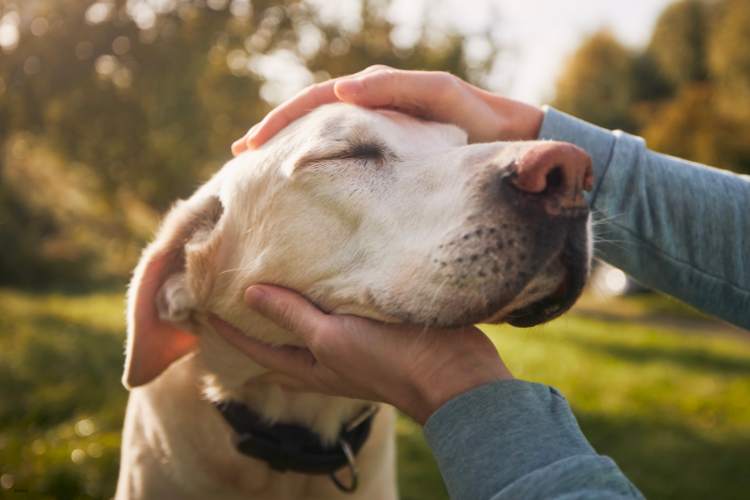
Owning a dog creates obligation, but it also gives each day shape. Feeding, walking, and interacting with another living being turns routine into ritual. Studies on mental health recovery note that having a dependent animal fosters responsibility, motivation, and emotional grounding. In a world where structure often collapses under chaos, dogs restore it naturally. The steady rhythm of care becomes a stabilizing force—a reminder that purpose doesn’t always come from ambition or success, but sometimes from simply showing up for something that loves you back.