
Strength, drive, and instincts can overwhelm unprepared humans.
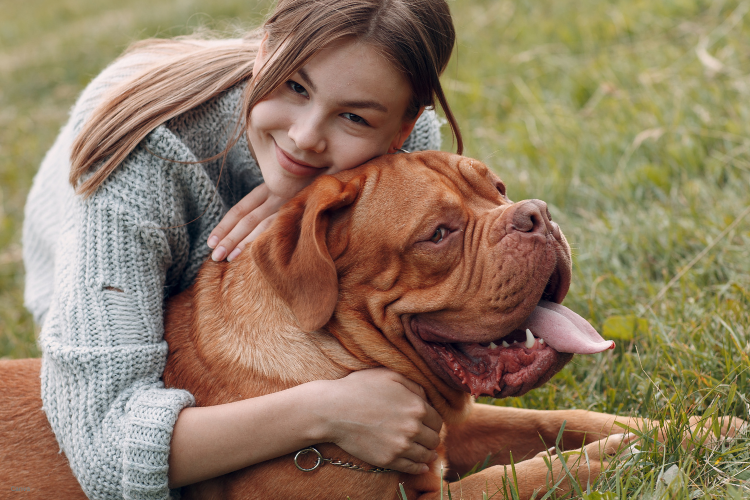
Physical challenge does not always mean aggression. Often it means size, momentum, stamina, or instinct colliding with human limits. Trainers and veterinarians have tracked injuries from falls, pulls, and collisions involving large or driven dogs. These challenges surface during walks, play, restraint, or stress moments, especially when physical power exceeds owner readiness or handling experience.
1. Rottweilers combine muscle mass with forward pressure.

Rottweilers were bred to move cattle and pull carts, giving them dense muscle and powerful forward drive. When aroused, they shift their weight confidently, often overpowering handlers during leash tension, especially in crowded or distracting environments, according to the American Kennel Club.
This challenge is mechanical rather than emotional. Once momentum starts, stopping it requires skill and strength. Without early training and controlled equipment, owners often underestimate how quickly force compounds through body mass alone.
2. German Shepherds test balance through speed and torque.
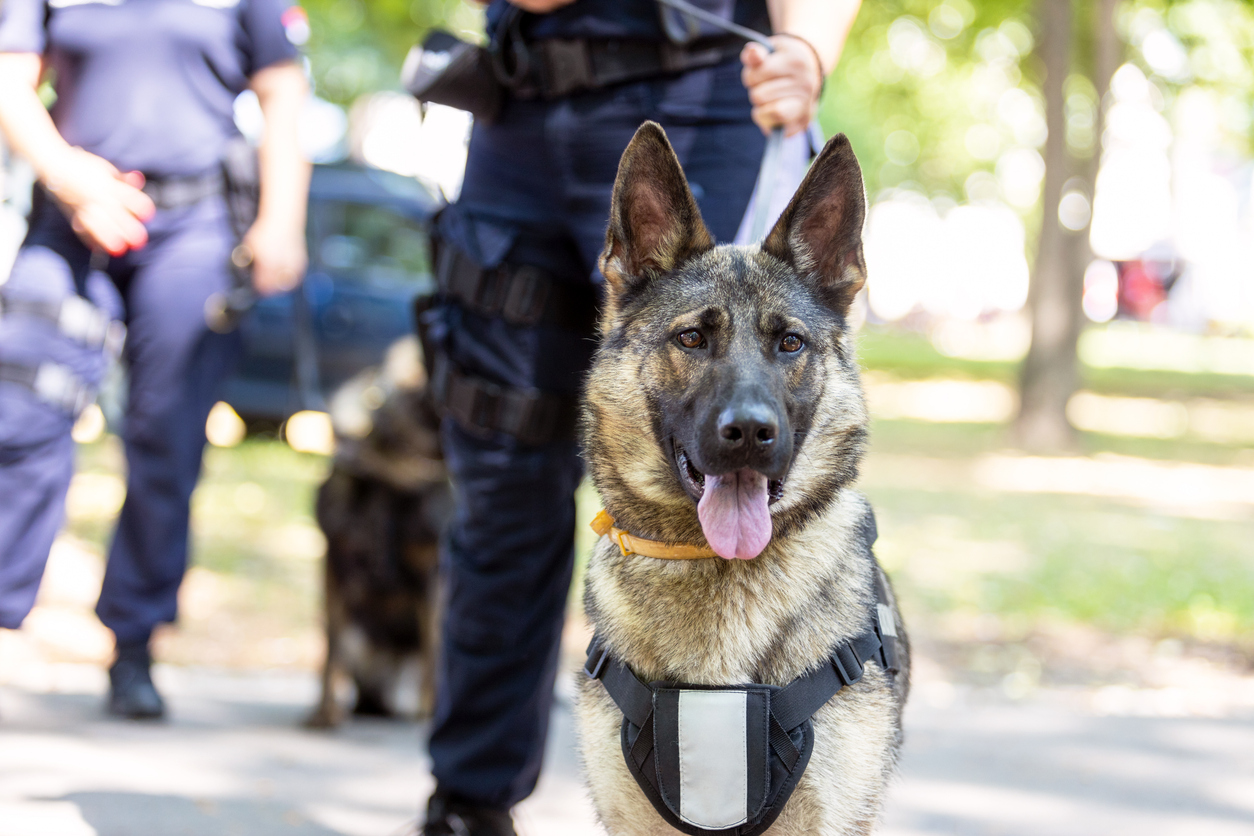
German Shepherds generate physical challenge through rapid acceleration and sudden pivots. Their athletic design creates torque that strains wrists, shoulders, and knees during abrupt movement, particularly on leash. Injury data involving handlers highlight this risk, as reported by the American Veterinary Medical Association.
Problems peak during adolescence when speed increases before impulse control stabilizes. Even attentive owners can be caught off balance. Managing this breed safely requires anticipation, coordination, and consistent physical conditioning.
3. Siberian Huskies apply relentless pulling endurance.

Siberian Huskies evolved for sustained pulling over long distances. Their efficient gait allows continuous forward pressure with minimal fatigue. Humans tire faster, creating an imbalance during routine walks. According to research summarized by the International Wolf Center, endurance is their defining physical trait.
This steady pull feels manageable at first, then accumulates strain. Urban environments amplify the issue. Without structured outlets for controlled running, handlers experience chronic physical exhaustion rather than sudden incidents.
4. Cane Corsos challenge through sheer body leverage.

Cane Corsos possess wide chests and low centers of gravity, giving them exceptional leverage. When resisting movement, they brace and lean, shifting force downward and outward. This makes redirecting them physically demanding, especially during heightened alertness or protective responses.
The challenge lies in physics, not defiance. Once planted, their mass works against human balance. Successful handling depends on technique and calm authority, not strength alone or reactive pulling.
5. Belgian Malinois overwhelm with nonstop kinetic output.
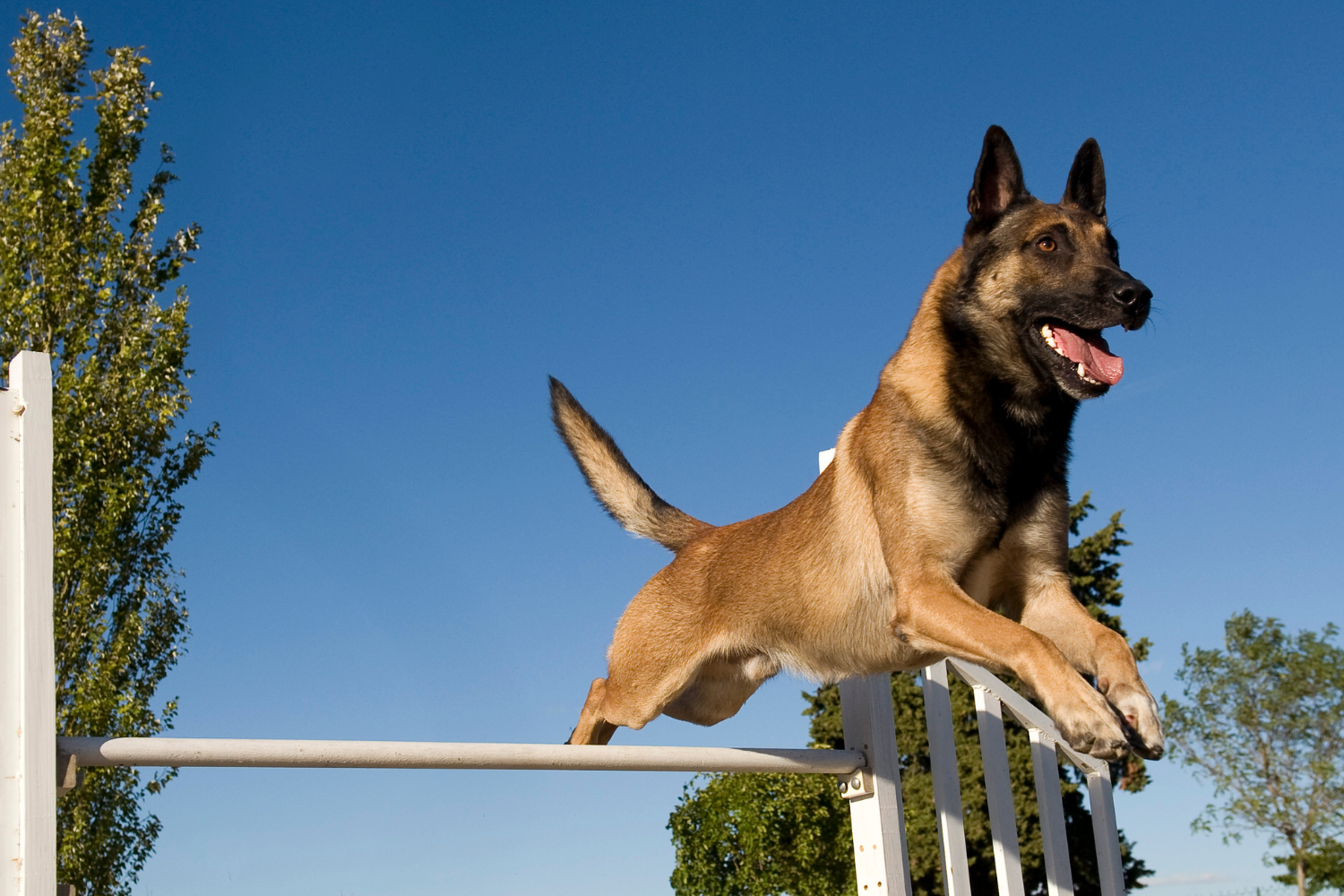
Belgian Malinois challenge owners through constant motion rather than size. They jump, pivot, and accelerate repeatedly, creating cumulative physical fatigue for handlers trying to keep pace. Their working drive rarely switches off without structured outlets.
This relentless activity strains joints and reflexes. Owners report exhaustion from managing repeated micro movements rather than single powerful events. Without daily training and work, physical burnout becomes mutual and unavoidable.
6. Doberman Pinschers deliver force through precision movement.

Dobermans generate challenge through speed and intent. Their lean bodies convert rapid motion into force quickly, especially during startled reactions or protective responses. Owners often misjudge their strength because of their streamlined appearance.
The risk emerges in sudden moments. A quick lunge or turn can destabilize a handler before correction occurs. Effective management relies on anticipation and controlled exposure rather than reactive restraint.
7. Alaskan Malamutes combine size with stubborn traction.

Alaskan Malamutes were bred to haul heavy loads steadily. That traction strength becomes evident when they resist direction or decide to move independently. Their pulling power operates low to the ground, stressing backs and shoulders.
Unlike quick breeds, Malamutes apply slow, grinding force. Owners struggle most during refusal moments rather than excitement. Once anchored, shifting their weight requires leverage strategies rather than brute strength.
8. Pit Bull type dogs apply compact explosive strength.

Pit Bull type dogs concentrate muscle in compact frames, producing explosive power during play or restraint. Their strength often surprises owners who expect smaller size to equal easier handling.
Physical challenge appears during bursts, not sustained effort. Sudden lunges or spins generate high force over short distances. Without proper grip and positioning, handlers risk being pulled off balance despite overall calm temperament.
9. Akitas resist control through mass and independence.
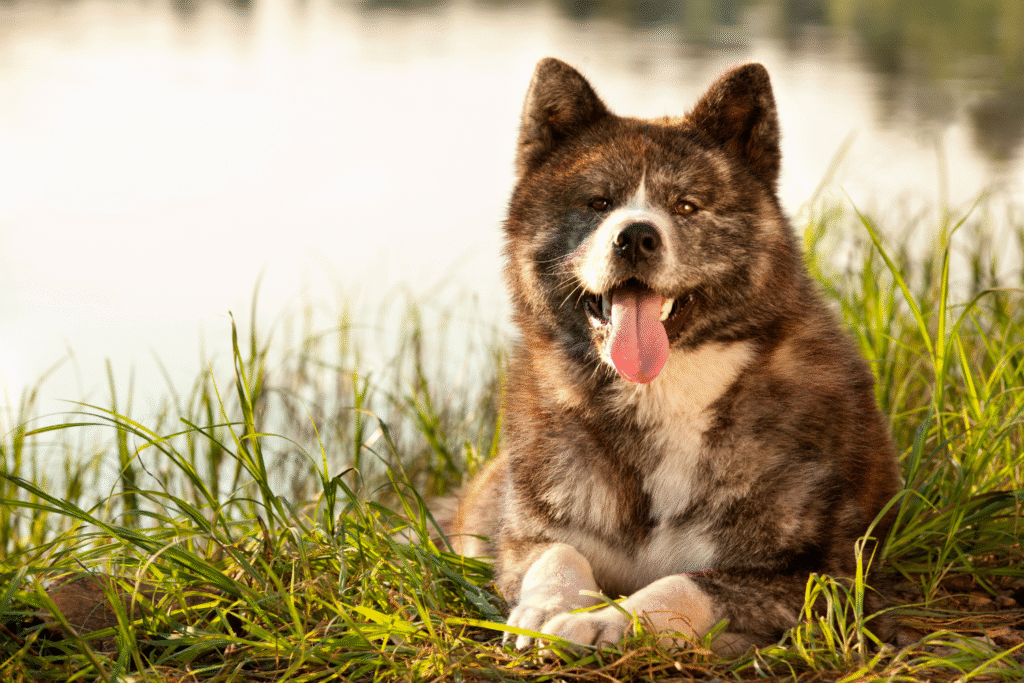
Akitas combine heavy bodies with strong independence. When they choose not to comply, they resist physically rather than verbally, turning routine handling into a strength contest.
This becomes challenging in confined spaces or unfamiliar settings. Owners must manage both weight and intent. Moving an unwilling Akita safely requires planning, patience, and mechanical advantage rather than forceful correction.
10. Great Danes challenge owners through scale alone.

Great Danes rarely intend harm, yet their sheer size creates risk. A playful lean or sudden stop can topple adults. Everyday movements occur at human chest height.
Physical challenge is often accidental. Managing space, timing, and footing becomes essential. Owners must constantly anticipate motion to avoid collisions that cause injury despite the breed’s typically gentle demeanor.
11. Rhodesian Ridgebacks exert strength through drive and speed.
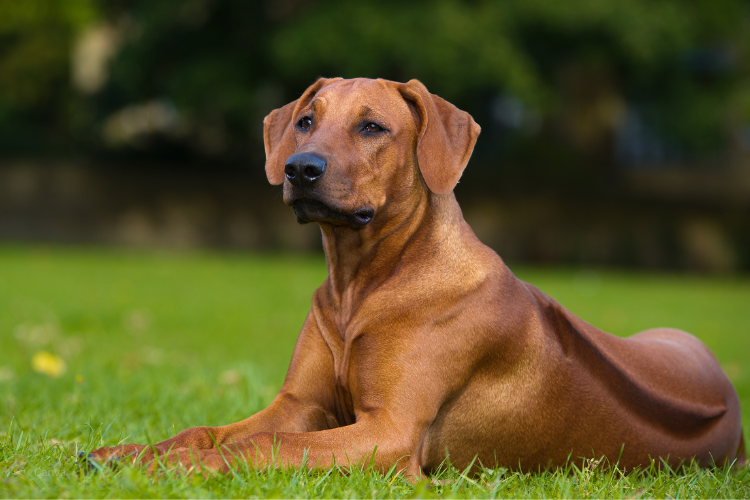
Rhodesian Ridgebacks were developed to pursue large game, combining endurance with powerful strides. Their long legs generate sudden forward force that surprises handlers during unexpected accelerations.
This challenge appears during outdoor activities. Without core strength and awareness, owners struggle to absorb movement smoothly. Falls often result from misjudged speed rather than aggression or disobedience.
12. Mastiffs rely on immovable mass rather than motion.

Mastiffs challenge owners by refusing movement rather than initiating it. Their enormous weight makes lifting, repositioning, or restraining physically demanding even when calm.
Daily tasks become tests when cooperation drops. Guiding through doorways or managing stairs requires forethought. Physical challenge stems from gravity itself, reminding owners that size alone changes every handling equation.