
Heat, humidity, and altitude affect more than you think.

As global temperatures climb, dogs face rising health risks that depend heavily on breed. Climate stress doesn’t affect all dogs equally—some breeds are built for arctic air, others for high speed, and many simply can’t cool down fast enough. Scientists studying canine physiology have found that body shape, coat thickness, and breathing structure all determine how well a dog can tolerate heat or cold. The findings paint a clear picture: climate change isn’t just a human issue anymore. It’s already reshaping how dogs live, breathe, and survive outdoors.
1. Bulldogs struggle the most with rising heat.

Bulldogs rank among the breeds least capable of handling high temperatures. Their short, flattened skulls make it difficult to cool down efficiently, a condition known as brachycephalic airway syndrome. According to the Royal Veterinary College in London, Bulldogs are 14 times more likely to develop heatstroke than non-brachycephalic dogs. Their heavy bodies and minimal snouts trap heat, especially in humid climates. Even brief outdoor activity can trigger overheating. What looks like stubbornness in summer often masks oxygen deprivation—a quiet but serious reaction to the modern climate.
2. Huskies overheat rapidly in non-winter climates.
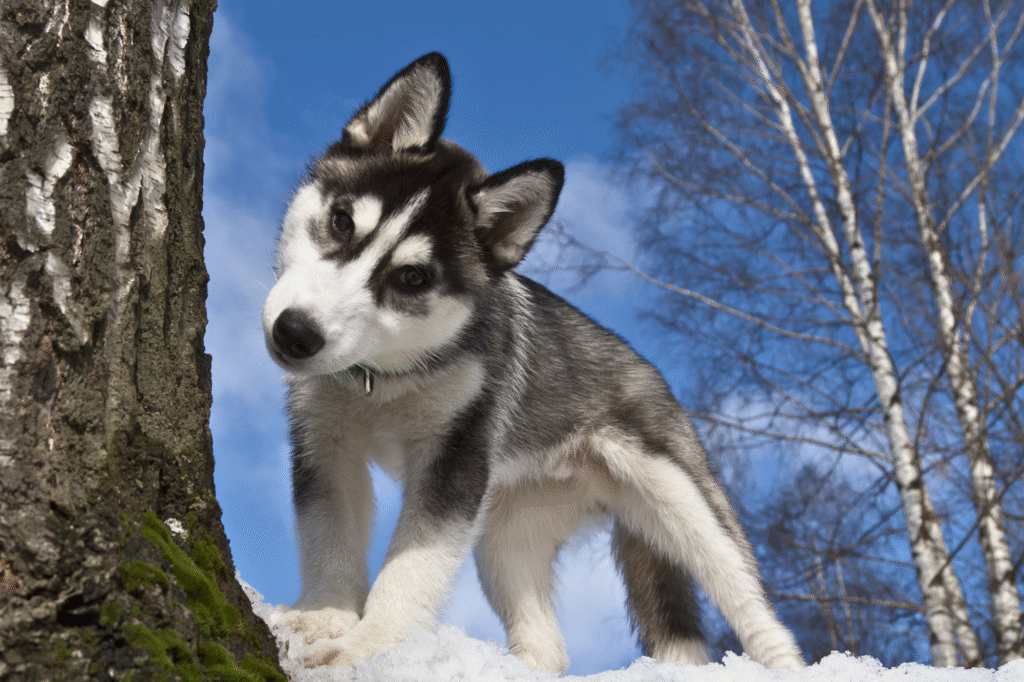
Originally bred for Arctic survival, Siberian Huskies thrive in subzero temperatures but falter when the mercury climbs. They carry dense double coats meant to trap warmth, not release it. As stated by the American Kennel Club, their thick undercoat insulates against both cold and heat loss, limiting the body’s ability to cool through evaporation. When confined to hot regions, they pant excessively, overexert, and risk dehydration. The irony is striking: one of nature’s most resilient sled dogs can wilt under an afternoon sun. Their coats simply can’t adapt fast enough to our warming world.
3. French Bulldogs face dangerous breathing challenges in heat.

Their compact skulls and narrow nasal passages make French Bulldogs extremely sensitive to temperature spikes. As reported by Scientific Reports, Frenchies are one of the top breeds admitted to veterinary hospitals for heat-related illness. They often show distress during mild exercise or even on short car rides in warm weather. The combination of small airways, stocky frames, and short legs limits airflow and cooling efficiency. Owners in warmer regions must monitor them constantly, as even shade or light activity can overwhelm their limited respiratory system.
4. Pugs show early distress in both heat and humidity.
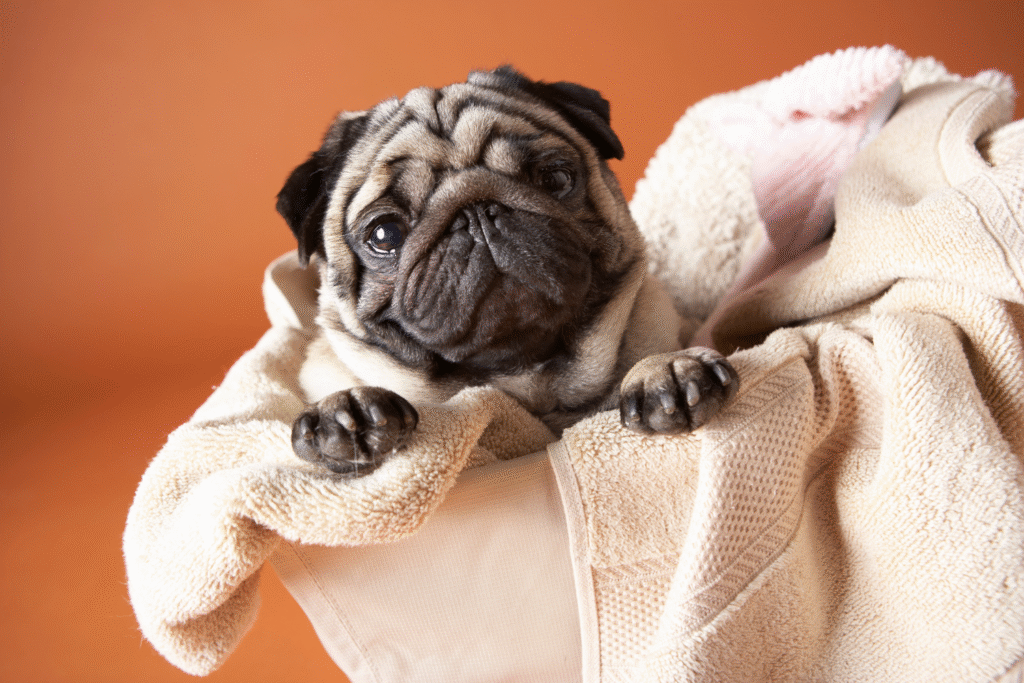
Short-faced breeds like Pugs can’t regulate temperature well because their nasal passages are too short for sufficient air exchange. Humidity worsens the problem by blocking evaporative cooling through panting. They may pant constantly, drool excessively, or collapse without warning during summer. Indoor environments with proper ventilation become crucial. Many vets now recommend exercise only at dawn or dusk for these breeds. Watching their breathing patterns closely can prevent sudden, severe heat exhaustion that develops faster than owners realize.
5. Saint Bernards suffer when temperatures stay warm too long.

Built for freezing alpine work, Saint Bernards were bred to endure blizzards, not heat waves. Their thick coats and massive bodies store warmth efficiently but release it slowly. When average summer temperatures linger above 80°F, their risk of heatstroke climbs dramatically. They also dehydrate quickly due to their size. Even minimal outdoor activity can cause overheating, especially in humid climates. For dogs once trained to rescue snowbound travelers, extended warmth now represents an invisible danger they were never meant to face.
6. Boxers experience reduced endurance in warm environments.
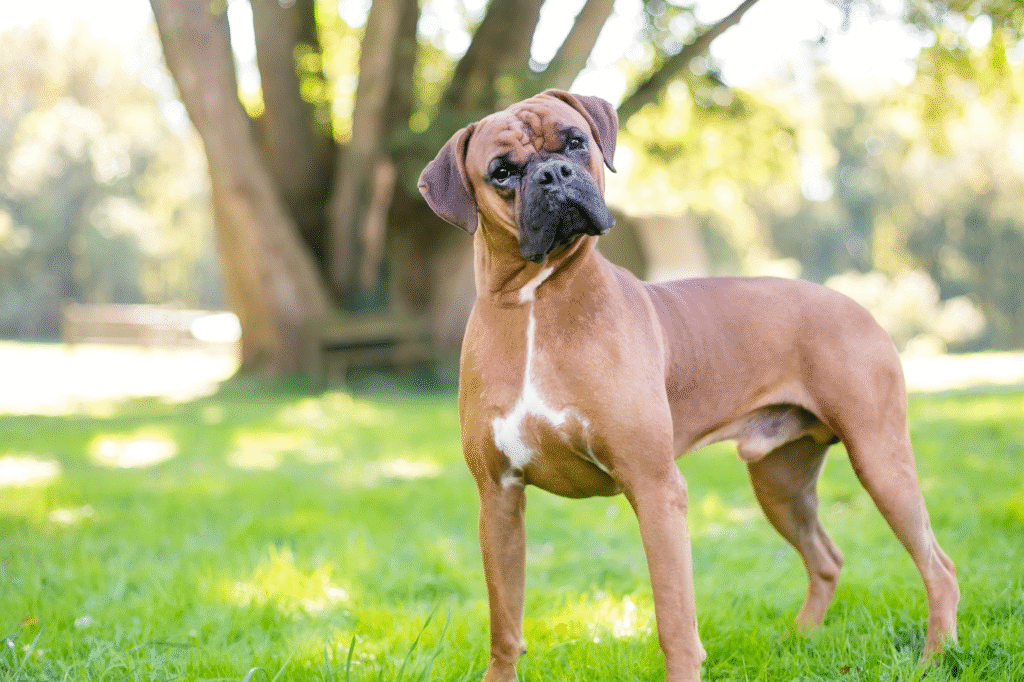
Boxers are athletic but brachycephalic, giving them a narrow margin for temperature control. Their short muzzles hinder airflow, while their muscular build generates internal heat rapidly. Prolonged play under direct sunlight can exhaust them faster than owners expect. Early warning signs—tongue darkening, heavy drooling, or listlessness—often go unnoticed. They recover better in shaded, ventilated spaces, but constant vigilance is key. Modern summers stretch their limits, and climate patterns that once felt tolerable now push them into discomfort far sooner.
7. Alaskan Malamutes show clear signs of overheating in summer.

These heavy-coated sled dogs evolved for polar endurance, not backyard barbecues. Their coats trap heat so efficiently that even moderate temperatures can lead to heat stress. Unlike short-haired breeds, they can’t dissipate warmth quickly through the skin. Daily grooming helps by removing loose undercoat, but nothing substitutes for shade and controlled exercise. In states with hotter summers, Malamutes require strict limits on outdoor activity. The contrast between their powerful frame and fragile tolerance reveals how evolution’s best designs can falter under new conditions.
8. Boston Terriers tire quickly under intense heat.
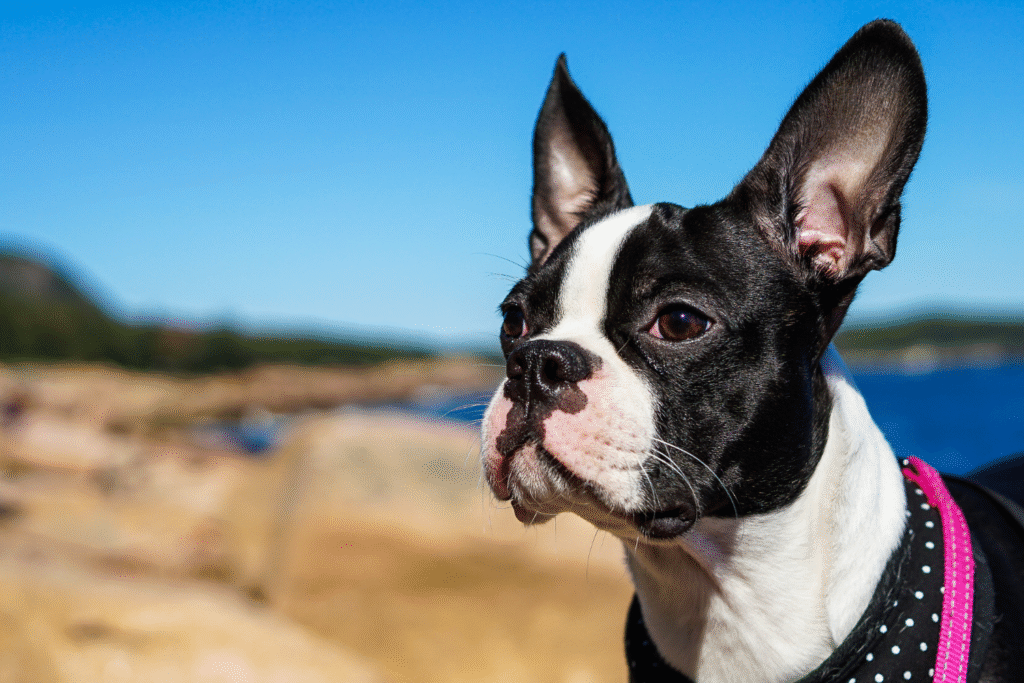
Boston Terriers combine a flat face with an energetic personality—a difficult pairing in rising temperatures. Their enthusiasm for play often outpaces their oxygen intake. Once overheating begins, recovery is slow because their respiratory system lacks the surface area to cool efficiently. Their short coats make owners underestimate the risk. They appear light and agile but carry the same airway limitations as larger brachycephalic breeds. Watching for subtle changes in breathing rhythm often gives the first clue that they’re struggling.
9. Great Danes are vulnerable to both heat and cold extremes.

Their size gives them presence but also limits stamina in extreme climates. Heat builds faster in large bodies, and Great Danes’ thin coats offer little protection against cold or wind. This leaves them in a narrow comfort zone. They rely heavily on air conditioning in summer and insulated bedding in winter. Rapid temperature shifts can shock their system, causing panting or trembling in minutes. These gentle giants are prime examples of how scale, not just breed type, influences heat tolerance in a changing climate.
10. Chow Chows face hidden risks beneath their thick fur.

Their double-layered coat was made for cold northern China, not modern suburbs in 90-degree weather. Chow Chows are prone to heat exhaustion because their dense undercoat traps moisture and prevents airflow. Grooming helps but can’t offset prolonged exposure to warmth. They often prefer lying still in shaded areas, not laziness but self-preservation. Their stoic nature masks early warning signs of overheating, making prevention critical. As temperatures trend upward, this ancient breed faces challenges that even centuries of adaptation can’t easily undo.
11. Cavalier King Charles Spaniels overheat faster than expected.

Their small size and lush coat combination make them particularly sensitive to heat buildup. Cavaliers were bred for temperate European climates, not the humid summers common across much of the U.S. They rely on shade and cool surfaces to maintain body temperature. When the air grows still, their panting can’t keep up. Owners often mistake fatigue for calmness, not realizing the dog’s struggling to cool down. Managing their environment isn’t optional—it’s essential for their safety in today’s unpredictable weather patterns.
12. Greyhounds experience heat stress despite lean builds.

At first glance, Greyhounds seem built for heat—their short coats and thin bodies suggest easy cooling. But their low body fat and racing physiology make them prone to dehydration and muscle overheating. After even mild exertion in warm conditions, their body temperature can spike dangerously high. They depend on rapid shade access and hydration. What looks like agility in motion is actually a narrow margin between athleticism and overexertion. Their need for balance mirrors the fragile line many species now walk as climates shift.
13. Pomeranians overheat easily in confined, warm spaces.

Their dense fur, tiny lungs, and excitable nature create a perfect storm in warm environments. Small dogs lose heat less efficiently, and Pomeranians are especially sensitive to temperature spikes indoors or in cars. Overheating often begins quietly—heavy breathing, followed by restlessness or trembling. Owners underestimate how quickly a small, fluffy body can trap heat. Air conditioning and shade are their best defenses. This toy breed, once bred for northern chill, now finds itself struggling to survive in a planet growing warmer by the year.