
The earliest clues are often easy to miss.
Vision loss in dogs rarely begins with drama. There is no obvious injury, no sudden cry of pain, no clear moment when something shifts. Instead, it creeps in through small changes, a hesitation at the stairs, a missed catch, a slight cloudiness that seems harmless at first. Many serious eye conditions develop beneath the surface, progressing quietly until sight is already compromised.
The challenge is not treatment, but timing. By the time symptoms become unmistakable, damage may already be permanent. Knowing what subtle changes to watch for, and which breeds carry higher risks, can mean the difference between preserving vision and reacting too late.
1. Progressive retinal atrophy creeps in without warning.
Progressive retinal atrophy, or PRA, slowly destroys the light-sensitive cells at the back of the eye. Dogs often adjust so well that owners miss early signs like hesitating in dim light. As stated by the American College of Veterinary Ophthalmologists, PRA is hereditary in many breeds and currently has no cure. Still, early testing helps slow its progression. Dogs may start bumping into furniture at night, then lose daylight vision months later. The decline is steady but painless, giving a false sense of safety until the world turns dark.
2. Glaucoma raises eye pressure while vision quietly fades.

Glaucoma builds pressure inside the eye so gradually that owners often think nothing’s wrong. Vision loss occurs when fluid can’t drain properly, and the optic nerve takes the hit. Many dogs act fine, which makes this condition deceptively cruel. According to a report by the Veterinary Vision Center, most cases aren’t caught until irreversible blindness sets in. One subtle clue is when your dog’s eye starts looking slightly larger or glossier than usual. Routine eye pressure checks, especially for breeds like Cocker Spaniels, can stop glaucoma before it blinds.
3. Cataracts scatter light until clarity disappears.
Cataracts cloud the lens inside the eye, scattering light into blurry halos. They’re common in older dogs but can appear early from diabetes or genetics. Reported by the American Veterinary Medical Association, cataracts don’t hurt, which is why many owners ignore the slow fog building in their dog’s gaze. Some dogs see shadows for years before full blindness sets in. Surgery to replace the lens can restore near-perfect vision, but timing matters. When the cloud becomes solid white, the chance of recovery drops dramatically.
4. Sudden acquired retinal degeneration blinds overnight.
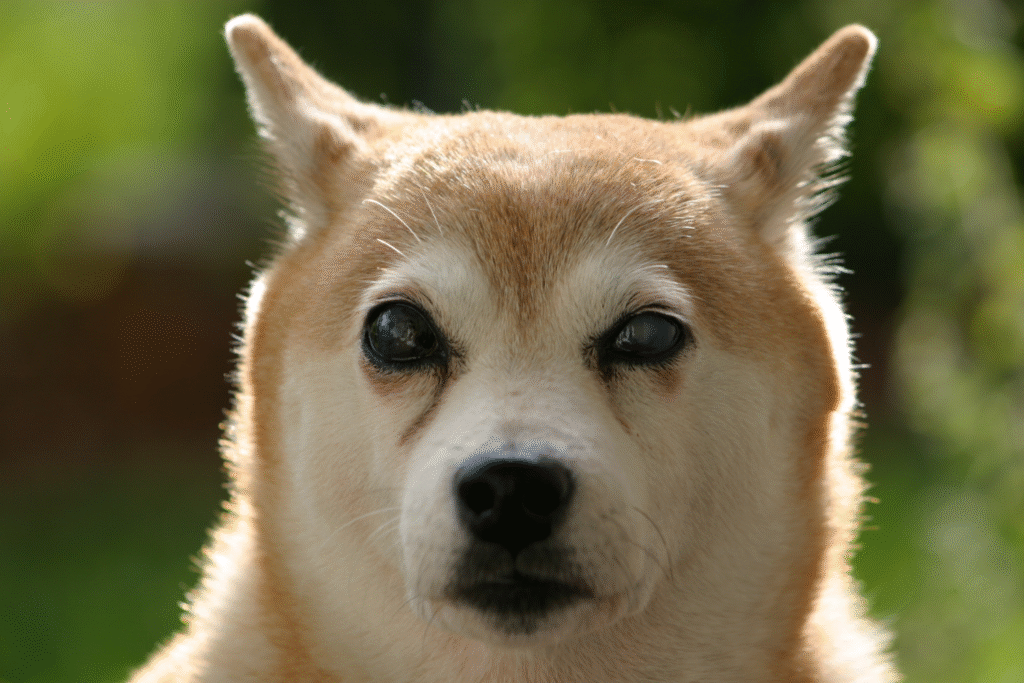
Unlike PRA, sudden acquired retinal degeneration (SARDs) hits fast. Dogs may wake up one day unable to see, though their eyes look perfectly normal. The cause remains mysterious but often links to hormonal shifts or immune reactions. Owners notice disorientation or reluctance to move in new environments. SARDs can mimic confusion or dementia, but eye exams reveal a retina that’s no longer responsive.
5. Dry eye silently damages the cornea’s surface.
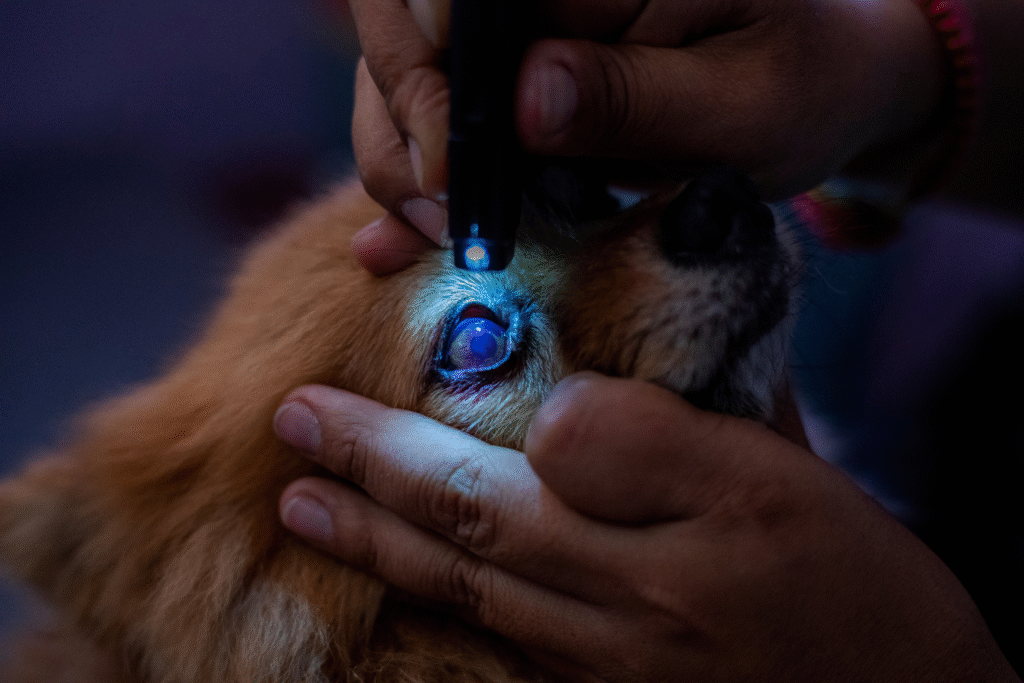
Keratoconjunctivitis sicca, better known as dry eye, means the tear glands stop producing enough moisture. Without lubrication, the cornea scratches easily, leading to cloudy patches or ulcers. The tricky part is that dogs don’t usually show pain—they just blink less or rub their eyes. Early treatment with medicated drops can restore comfort and protect vision.
6. Retinal detachment hides behind normal-looking eyes.

Sometimes the retina separates from the back of the eye, cutting off the cells that interpret light. Blood pressure spikes, trauma, or inflammation can trigger it. Because the eye may appear normal, owners often miss it until their dog starts walking into walls. Quick veterinary exams with a light scope can detect early detachments before total blindness sets in.
7. Diabetic retinopathy blurs vision from the inside out.
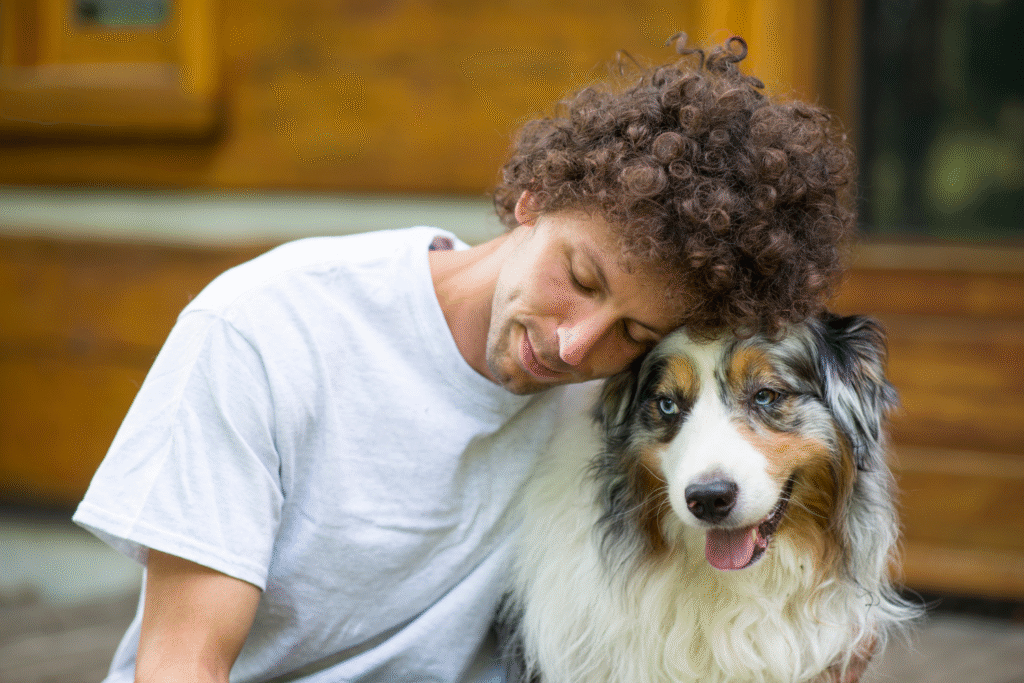
When diabetes damages blood vessels in the retina, small leaks cause swelling and blurred vision. The process is slow, and dogs rarely complain. Regular eye exams are crucial for diabetic pets because the symptoms are silent. Maintaining stable glucose levels helps prevent further damage and may delay progression.
8. Optic neuritis blinds through nerve inflammation.
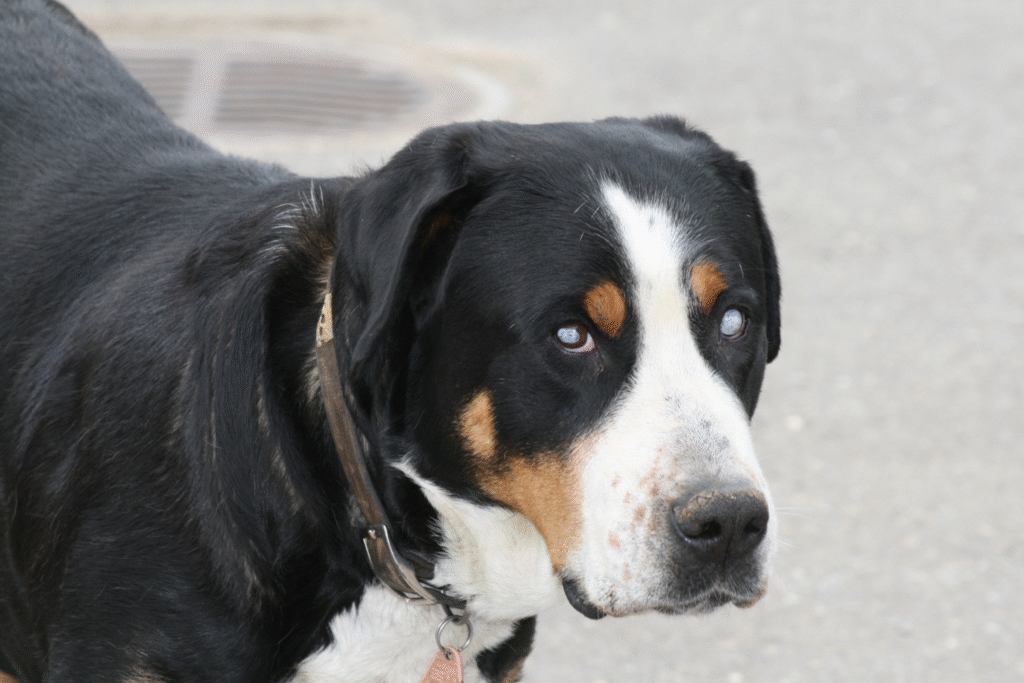
Inflammation of the optic nerve interrupts communication between the eye and brain. Vision fades quickly, often within days. Dogs might seem startled or disoriented without clear cause. Steroid treatment can sometimes reverse it, but timing is key. It’s often a side effect of immune disorders or infections, making full diagnostics essential.
9. Lens luxation moves the eye’s focus off course.
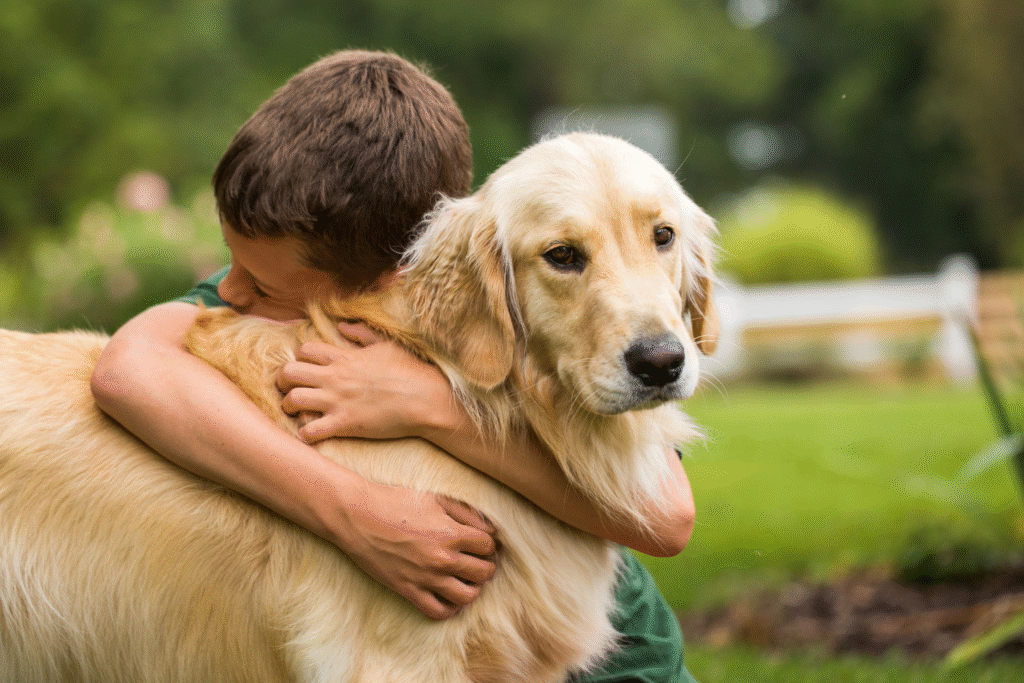
When the tiny fibers holding the lens in place weaken, the lens slips out of position. It can block fluid drainage or cause immediate vision loss. Terriers are especially prone due to genetic risk. Because it’s painless, the only sign might be a slightly misaligned pupil. Surgery can save the eye if caught early.
10. Retinal dysplasia distorts sight from the very start.
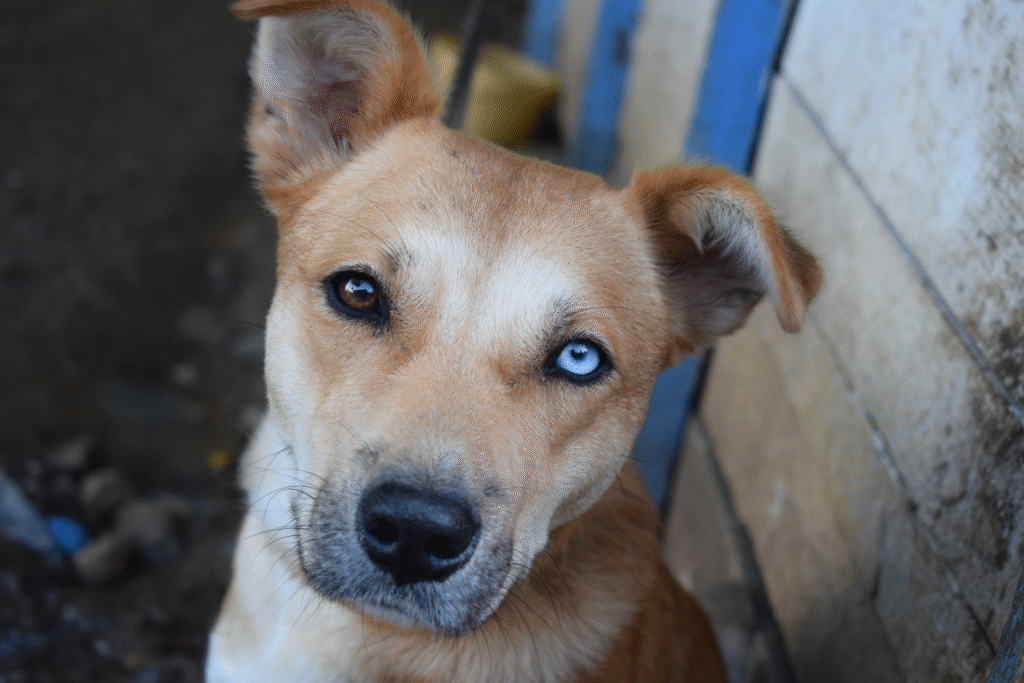
Puppies born with malformed retinas may grow up bumping into things or struggling to track movement. Some cases are mild, others lead to early blindness. Breeders often test for it, but rescue dogs may carry it undetected. Though there’s no cure, gentle lighting and consistent environments help affected dogs live comfortably.
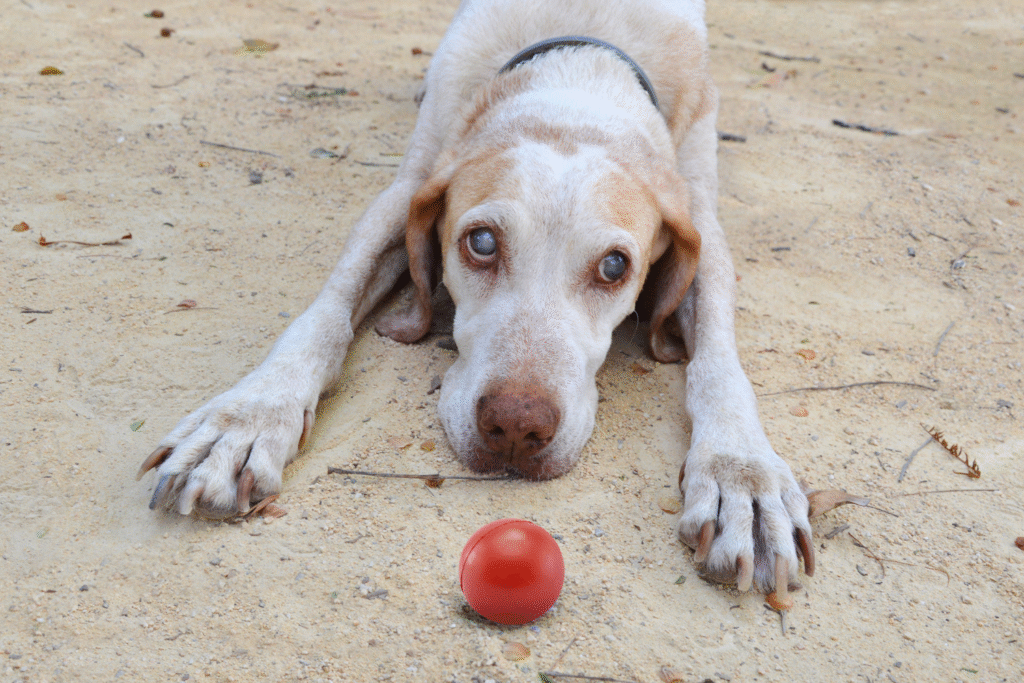
11. Nuclear sclerosis mimics cataracts but deceives owners.
Older dogs often develop a gray-blue haze in their eyes called nuclear sclerosis. It looks like cataracts, but it’s part of normal aging and doesn’t always impair vision at first. The tricky part is telling them apart. Veterinarians can confirm which is which using a simple light exam. Left unchecked, though, cataracts may develop alongside, turning subtle haze into blindness.