
Startle reactions reveal how canine brains stay alive.

Fear responses in dogs are rarely random. They are shaped by genetics, early sensory development, and centuries of selective breeding. Some dogs are wired to react fast because hesitation once meant injury or death. Sudden fear responses often look dramatic, but they are usually protective reflexes firing before conscious thought. Certain breeds experience this more intensely due to how their brains process sound, movement, and unpredictability. Knowing which dogs are more prone helps owners respond with patience instead of frustration, especially when fear seems to appear without warning.
1. Border Collies react instantly to sudden environmental changes.
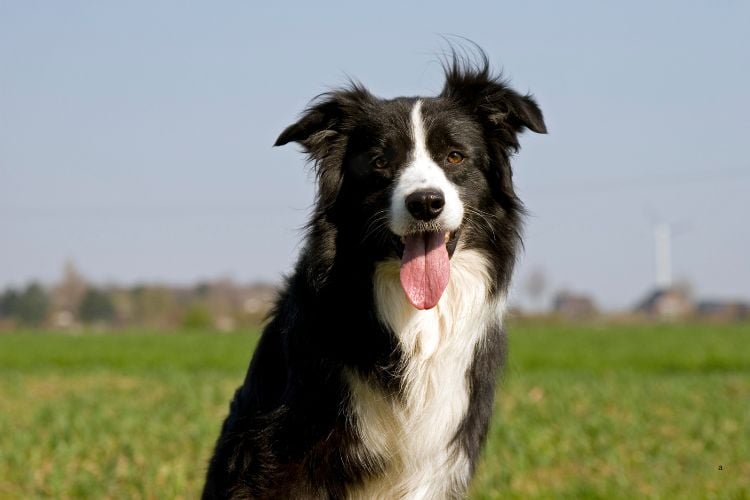
Border Collies evolved to control moving animals using eye contact, posture, and split second decisions. Their brains constantly scan for motion, sound shifts, and subtle changes in space. When something unexpected occurs, their nervous system responds before logic intervenes. That reaction often appears as a sudden startle or freeze.
This sensitivity carries into domestic life. According to the American Kennel Club, Border Collies retain heightened alertness even in calm homes, which can translate into exaggerated responses to dropped objects, quick gestures, or unfamiliar noises that break routine.
2. Australian Shepherds struggle with abrupt sensory overload.
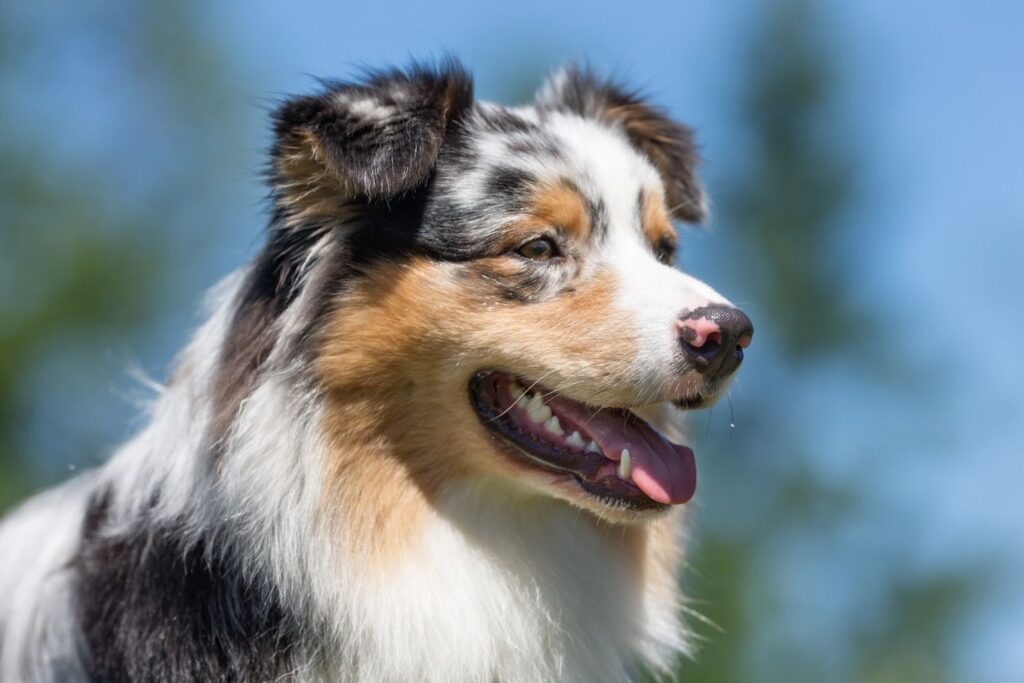
Australian Shepherds were bred to manage unpredictable livestock across open land. Their success depended on reacting quickly to sudden movement or sound. That same wiring makes them highly responsive to unexpected stimuli in modern environments.
Indoor living compresses those stimuli. As stated by the University of California Davis School of Veterinary Medicine, herding breeds like Australian Shepherds show increased stress responses when exposed to frequent unpredictable noises, which explains why startle reactions can appear intense and seemingly unprovoked.
3. German Shepherds remain neurologically alert even at rest.

German Shepherds were developed for protection, patrol, and rapid threat assessment. Their nervous systems are designed to stay partially engaged even when resting. A sudden sound or movement can trigger a defensive reflex before the brain confirms safety.
That vigilance persists in family settings. According to the American Veterinary Society of Animal Behavior, guardian breeds often show heightened startle responses due to sustained alert states, especially when environmental cues change quickly or occur during perceived downtime.
4. Whippets startle easily due to visual dominance.
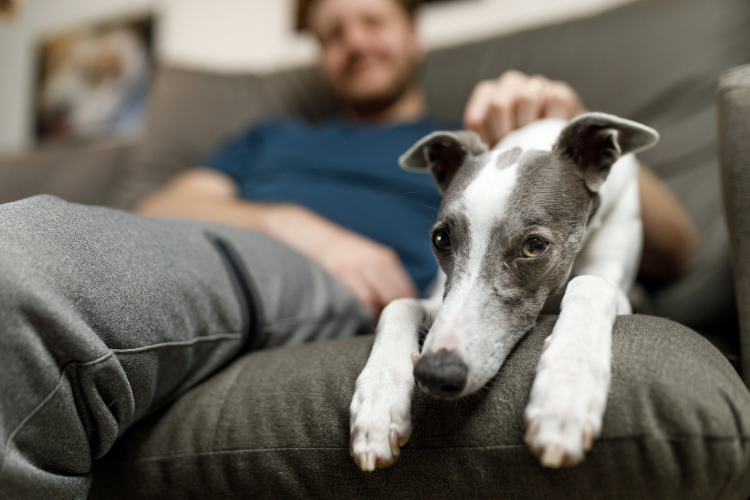
Whippets rely more on vision than sound or scent. Their eyes are tuned to detect rapid motion across wide fields. Sudden visual changes register as urgent signals before context can be processed.
Inside homes, this becomes challenging. Shadows, reflections, or quick human movement can trigger fear responses. The dog is not anxious without cause. Its brain simply reacts faster to visual disruption than reassurance can arrive.
5. Greyhounds carry residual track sensitivity into homes.
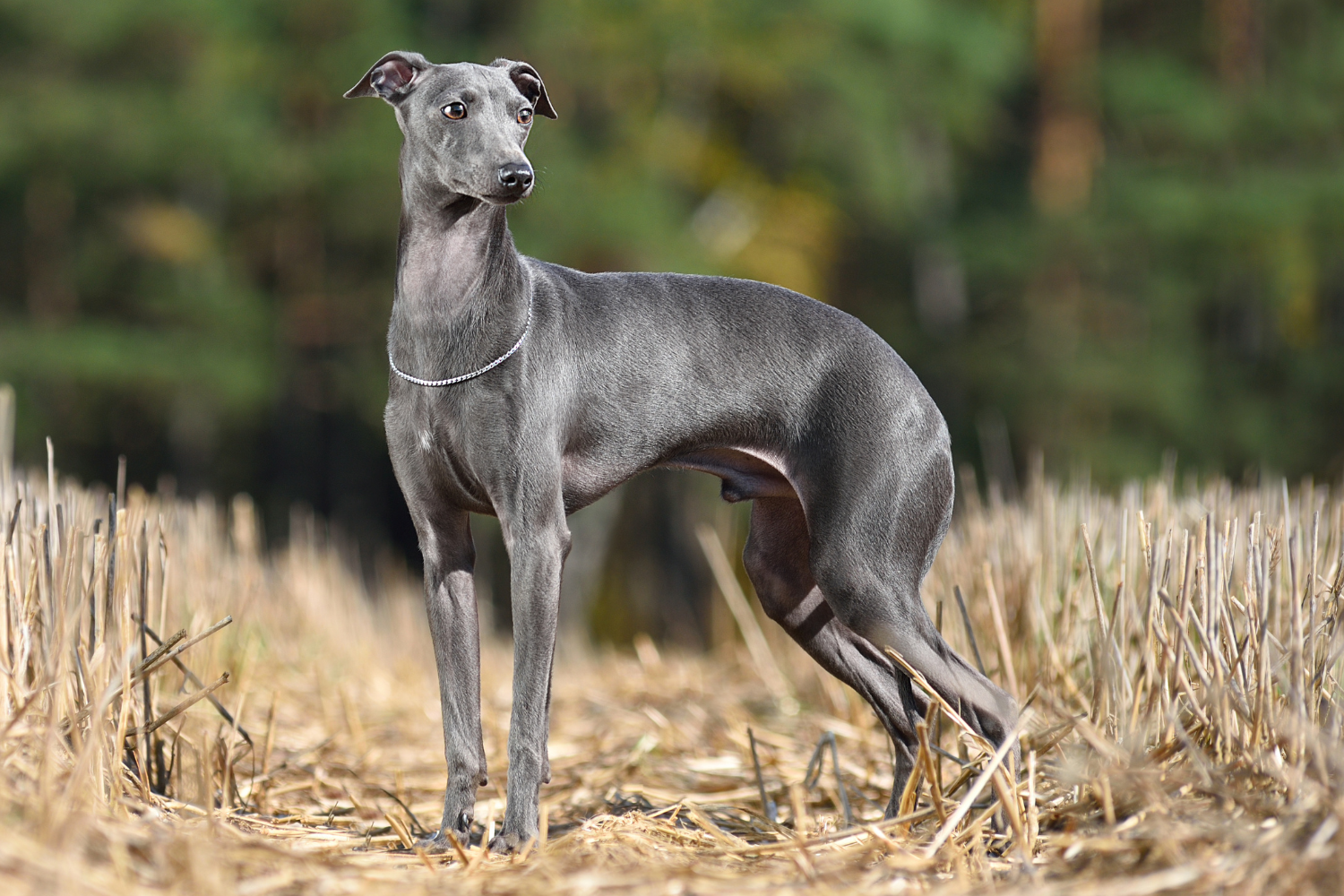
Greyhounds spent generations reacting instantly to movement cues on racetracks. That neurological speed does not fade after retirement. Their lean nervous systems process stimuli rapidly and intensely.
When unexpected noises or movements occur, the response is immediate. This startle is often followed by freezing or flight. It reflects inherited reflex speed rather than emotional instability or lack of training.
6. Chihuahuas startle because vulnerability demands speed.
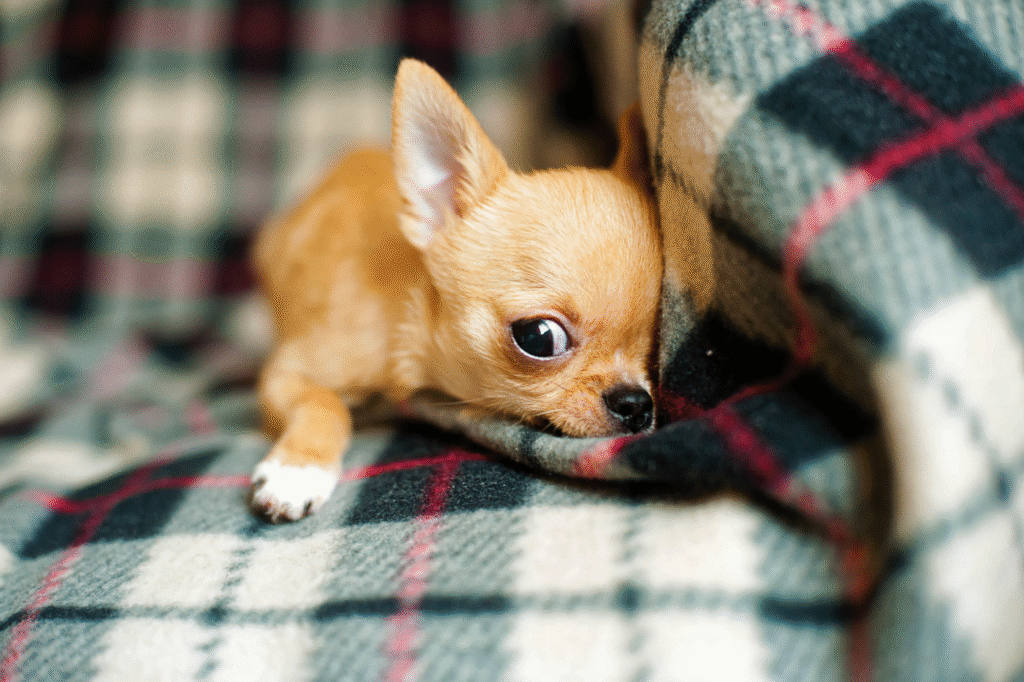
Small size changes perception. For Chihuahuas, the world feels louder, closer, and more overwhelming. Sudden movement or sound can appear threatening before it is identifiable.
Their reactions are survival based. A fast response compensates for physical vulnerability. What looks dramatic is often proportionate from the dog’s perspective, especially in busy homes where stimuli arrive from above and without warning.
7. Papillons process sound faster than context.
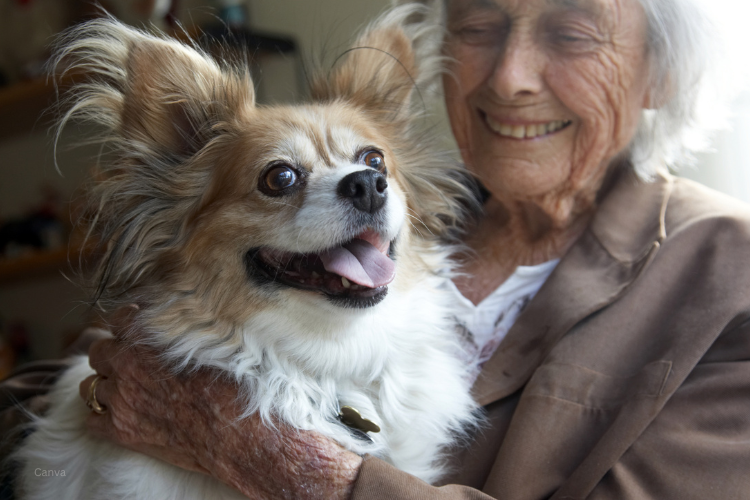
Papillons were bred as alert companion dogs with sharp hearing. Their ears capture sound rapidly, sometimes faster than the brain can assign meaning.
This creates quick startle responses to abrupt noise. The dog reacts first, then evaluates. It is not nervous by nature, but acoustically sensitive in environments where sudden sounds are frequent and unpredictable.
8. Cavalier King Charles Spaniels internalize stress quietly.

Cavaliers are emotionally attuned dogs. They absorb environmental tension and respond internally before outward signs appear. Sudden stimuli can overwhelm their coping threshold quickly.
Instead of prolonged anxiety, they show brief but intense startle responses. These moments reflect emotional overload rather than fearfulness. Their gentle temperament masks how deeply they feel sudden disruptions.
9. Shetland Sheepdogs react to motion before reassurance arrives.
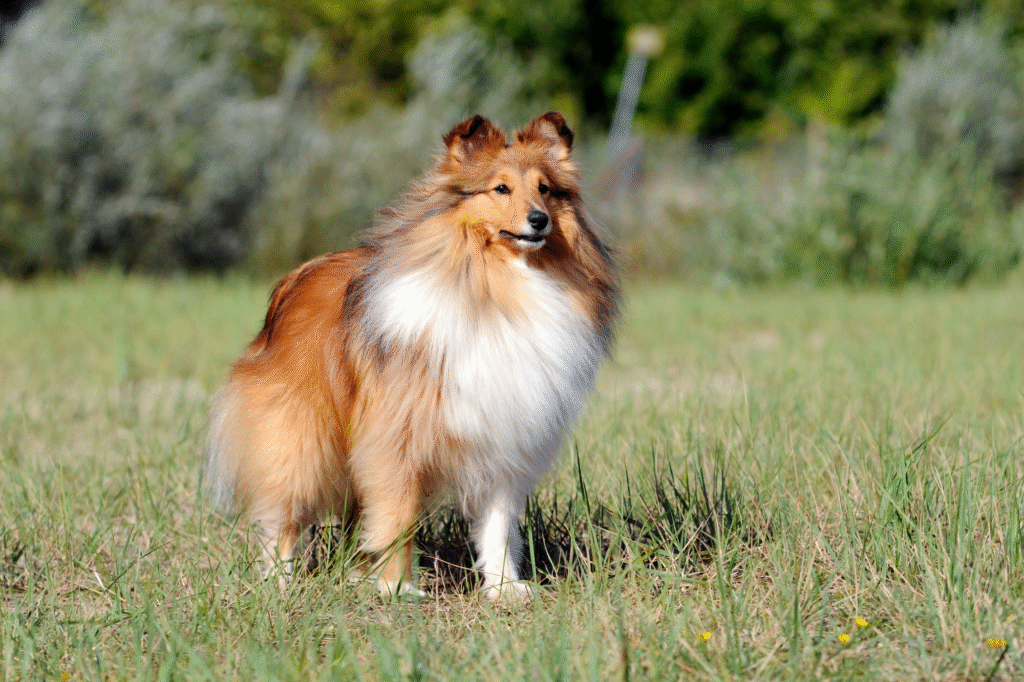
Shelties share herding ancestry with extreme environmental awareness. Their brains anticipate movement and change continuously. When stimuli arrive unexpectedly, the response fires instantly.
They often look to owners afterward for reassurance. The fear response is quick, but recovery depends on feedback. Without immediate calm signals, the reaction can escalate before settling.
10. Miniature Pinschers rely on reflexive confidence.

Miniature Pinschers were bred for independence and quick reactions. They trust their instincts more than external cues. When startled, they respond decisively rather than cautiously.
This can look like fear or overreaction. In reality, it is reflexive self reliance. Their brains prioritize immediate action, then reassess once safety becomes clear, creating sharp but brief fear responses.