
Some dogs bond beyond instinct and training.

Not every dog forms the same kind of relationship with people. Some breeds consistently cross a line from companionship into emotional attunement, reading human cues with startling accuracy. These dogs track moods, anticipate needs, and respond in ways that feel intentional rather than trained. That depth of connection did not happen by accident. It was shaped by history, work, and proximity to humans during critical moments. Understanding which breeds form these bonds helps explain why certain dogs seem to understand us before we speak.
1. Labrador Retrievers synchronize closely with human emotional states.

Labradors are often described as friendly, but their bond goes deeper than sociability. Many owners notice Labradors responding to sadness or stress with focused attention and physical closeness. That sensitivity can feel uncanny, especially during emotional moments.
This breed developed working alongside people daily, retrieving, assisting, and observing closely. Generations of cooperation shaped dogs that monitor human behavior constantly. Their connection is reinforced by dependence, trust, and repeated shared problem solving over time.
2. German Shepherds form loyalty anchored in shared responsibility.

German Shepherds often attach intensely to one or two people, tracking movements and moods with constant awareness. Separation can cause visible distress, revealing how deeply their identity ties to human presence.
Bred for protection and complex tasks, they evolved to work through partnership rather than instruction alone. Their emotional connection grows through responsibility. When trusted with purpose, they align their sense of safety directly with their handler.
3. Golden Retrievers display empathy through sustained social attention.
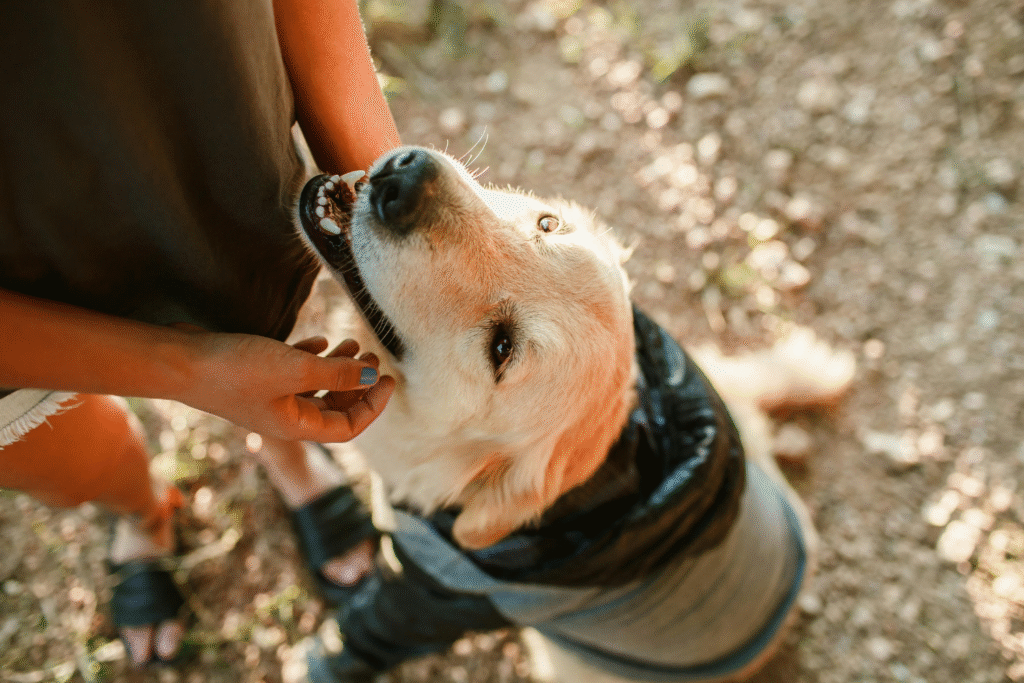
Golden Retrievers maintain prolonged eye contact and physical closeness that strengthens emotional bonding. Many seek out human contact specifically during moments of tension or sadness.
Originally bred to work closely with hunters, they learned to anticipate needs and respond gently. Their empathy reflects generations of cooperative work where emotional regulation and responsiveness ensured success and safety for both dog and human.
4. Border Collies read human intention with unusual precision.

Border Collies often appear to predict actions before commands occur. This responsiveness can feel like mind reading during daily routines or work.
Developed to manage livestock through subtle cues, they became experts at reading posture, tone, and movement. Their bond deepens through mental engagement. Shared focus creates emotional alignment, not just obedience.
5. Australian Shepherds seek constant emotional feedback from owners.
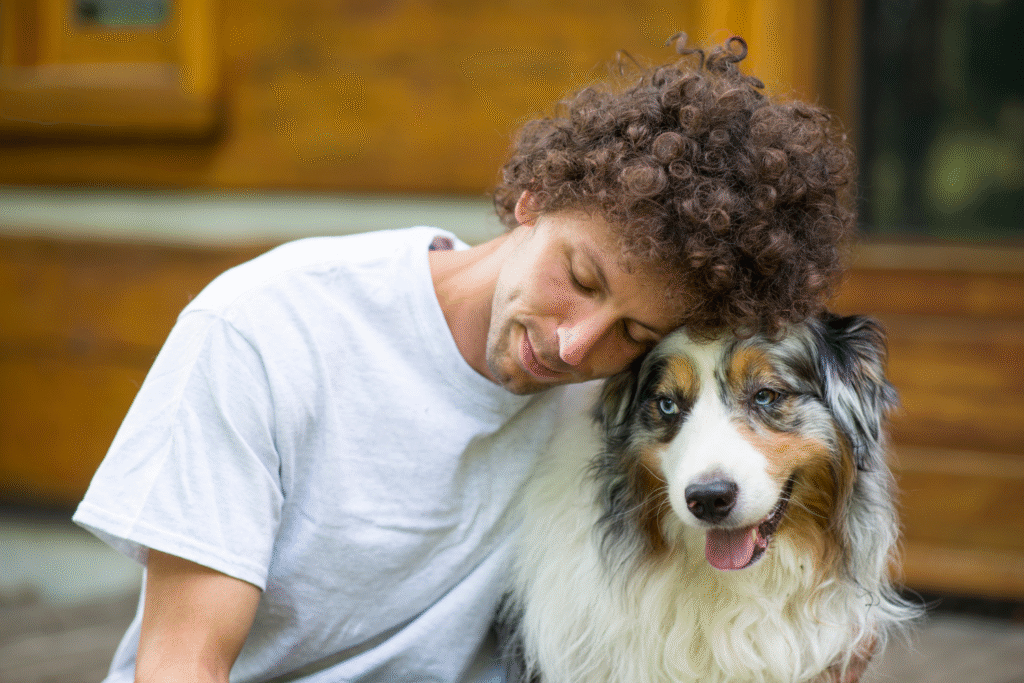
Australian Shepherds frequently check in with their humans, watching faces for reassurance or direction. Disconnection can lead to anxiety, showing how much they rely on relational feedback.
Bred for close range herding, they evolved to work in near constant communication. Their attachment grows through collaboration. Emotional closeness becomes part of how they navigate the world safely.
6. Cavalier King Charles Spaniels prioritize emotional closeness.

Cavaliers often choose proximity over play, preferring to remain physically connected to their humans. Emotional distance appears more distressing than environmental stressors.
Bred primarily for companionship, they were selected for sensitivity and responsiveness. Their bond is reinforced by constant contact, making emotional attunement central to their behavior and sense of security.
7. Doberman Pinschers bond protectively with their primary humans.

Dobermans frequently shadow their owners, maintaining visual contact throughout the day. This vigilance intensifies emotional attachment and dependency.
Developed for personal protection, they evolved to read threats through their handler’s reactions. Trust becomes reciprocal. Emotional connection forms through shared vigilance and perceived responsibility for human safety.
8. Belgian Malinois connect through intense cooperative focus.

Belgian Malinois thrive on partnership and often appear emotionally flat without engagement. Their connection intensifies during shared tasks requiring precision.
Bred for demanding work, they associate bonding with activity and purpose. Emotional depth emerges through cooperation. Shared challenge strengthens trust and mutual reliance beyond casual companionship.
9. Great Danes display attachment through physical reassurance.

Great Danes often lean, rest, or sit close to humans during emotional moments. Their size amplifies the sense of connection and protection.
Historically kept as estate companions and guardians, they developed strong bonds through proximity. Their emotional presence offers grounding comfort, reinforcing a calm but profound attachment.
10. Shetland Sheepdogs respond strongly to human emotional shifts.

Shelties often become visibly concerned when owners are upset, pacing or vocalizing softly. Emotional disruption affects them quickly.
Bred to work near families and livestock, they evolved to monitor group stability. Their connection depends on harmony. Emotional attunement helps them anticipate changes and respond protectively.
11. Boxers form playful yet deeply emotional attachments.

Boxers often use play to regulate emotional closeness, increasing engagement during stress. Their joy masks sensitivity.
Bred as companions and working dogs, they learned to balance alertness with affection. Emotional bonds form through shared energy and mutual responsiveness rather than constant calm.
12. Poodles connect through intelligence driven engagement.

Poodles often seek mental interaction as a form of bonding. Ignoring that need weakens emotional connection.
Originally working dogs, they associated cooperation with closeness. Their bond strengthens through communication, learning, and shared focus rather than passive affection.
13. Vizslas exhibit intense attachment sometimes called velcro behavior.

Vizslas frequently remain physically close, following owners constantly. Separation can feel genuinely distressing for them.
Bred to hunt in direct partnership with humans, they rely on proximity for direction and reassurance. Emotional attachment becomes central to their sense of safety and identity.
14. Mixed breed dogs often form unique adaptive bonds.
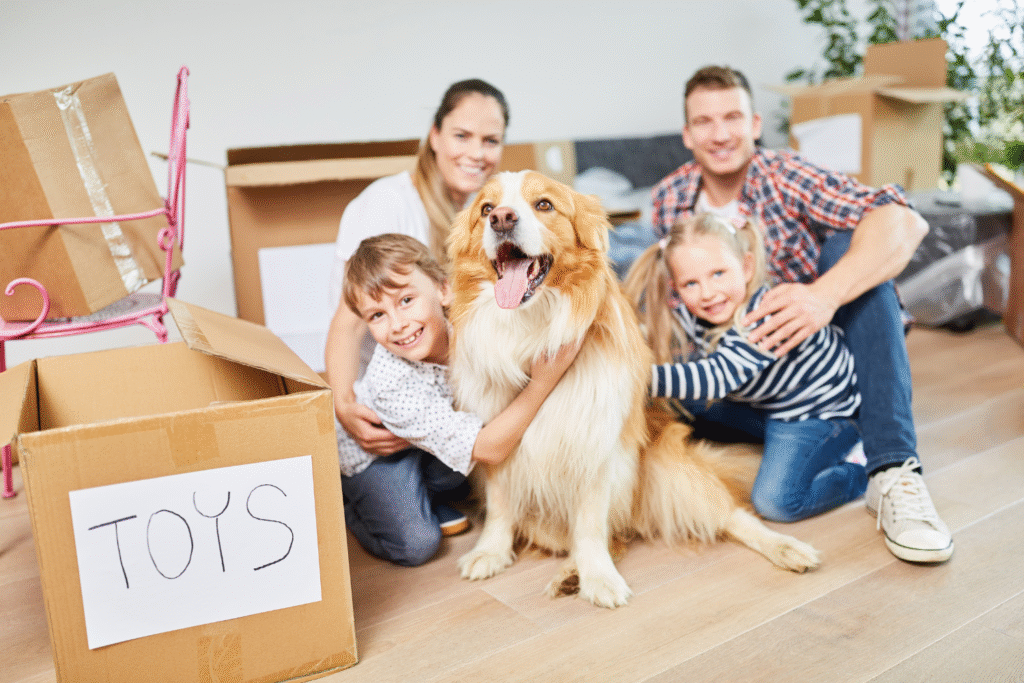
Mixed breed dogs frequently develop deep connections shaped by individual experience rather than breed expectation. Their bonds feel personalized and responsive.
Many come from backgrounds requiring close human reliance. Emotional connection forms through survival, trust rebuilding, and mutual adjustment, creating bonds that feel especially intuitive and resilient.