
Urban living is changing how dogs think and adapt.

City dogs live in a world built for humans—filled with concrete, noise, strangers, and constant motion. While they seem to adjust, research shows that urban living may be reshaping their brains in subtle ways. Studies suggest that city dogs experience higher anxiety, reduced sensory exploration, and less freedom of choice than rural dogs. These environmental pressures alter how they learn, respond, and regulate emotion. Understanding these invisible changes can help dog owners adapt their care routines, protecting mental and emotional health while giving their pups the stability and stimulation they need to thrive in city life.
1. City dogs show more anxiety and fear than rural dogs.

A 2020 study by the University of Helsinki examined more than 13,000 dogs and found that those living in urban areas displayed greater levels of fear and sensitivity to noise compared to rural dogs. The researchers noted that constant environmental unpredictability—cars, sirens, strangers—keeps the canine nervous system on alert. City dogs often lack safe zones to decompress, leaving their stress response perpetually active. Over time, that rewiring can make them more reactive and less able to recover from small triggers. Urban noise, more than anything, trains their brains for vigilance rather than calm, according to the Helsinki researchers.
2. Reduced exposure to nature weakens a dog’s stress recovery system.

Dogs deprived of regular access to natural green spaces recover more slowly from stressful events, as stated by a 2023 study from the University of Vienna. The study found that dogs who spent at least one hour per day in natural environments—parks, wooded trails, or fields—showed lower cortisol levels than dogs restricted to city streets. Without the sights, smells, and textures of nature, their brains miss vital sensory grounding. This deprivation dulls curiosity and heightens stress reactivity. A lack of natural stimulation essentially “starves” a dog’s brain of calm input, preventing it from balancing the chaos of urban living.
3. Crowded environments disrupt how dogs process social information.
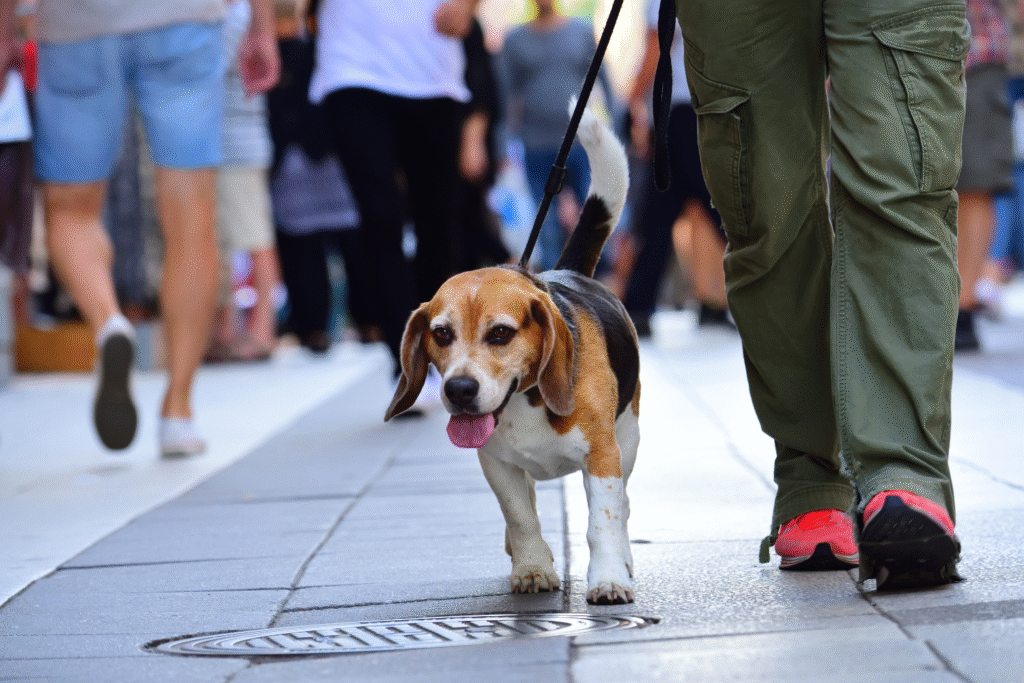
Researchers at Eötvös Loránd University in Budapest discovered that city dogs are more cautious and slower to interpret human social cues than rural dogs. Living amid dense human populations seems to flood dogs with too much social information—faces, scents, noises—making it harder for them to filter what’s relevant. Their brains begin to prioritise avoidance or over-reaction rather than calm assessment. This pattern is especially evident in dogs that rarely meet other dogs in neutral spaces. The overstimulation rewires their social circuitry, leading to quicker defensive reactions and more difficulty maintaining focus in busy environments.
4. Reliance on human control limits canine independence and confidence.

In urban households, most activities—feeding, walking, resting—happen on strict human terms. That constant structure limits the dog’s autonomy and gradually shifts their brain toward dependency. When dogs rarely make their own choices, they lose self-directed curiosity. This can manifest as clinginess, excessive following, or anxiety when alone. Allowing dogs moments of independence—choosing the route on walks or sniffing freely—helps rebuild cognitive flexibility. Independence exercises strengthen the prefrontal areas of their brains, encouraging decision-making and confidence. In the city, those brief moments of freedom are neurological gold.
5. Continuous noise exposure keeps dogs’ nervous systems overstimulated.

City sounds—sirens, horns, footsteps, subways—create a constant low-grade stress load. Dogs hear at higher frequencies and volumes than humans, so what we ignore may feel inescapable to them. Their amygdala, the brain’s alarm center, stays active longer, leaving them stuck in mild fight-or-flight. This can appear as restlessness, excessive panting, or barking at small noises indoors. Over months or years, the brain adapts to this hyper-alert state, making true relaxation rare. Scheduling quiet hours, sound-masking, and low-stimulus walks helps restore the natural rhythm between alertness and calm.
6. Predictable routines can unintentionally dull a dog’s curiosity.
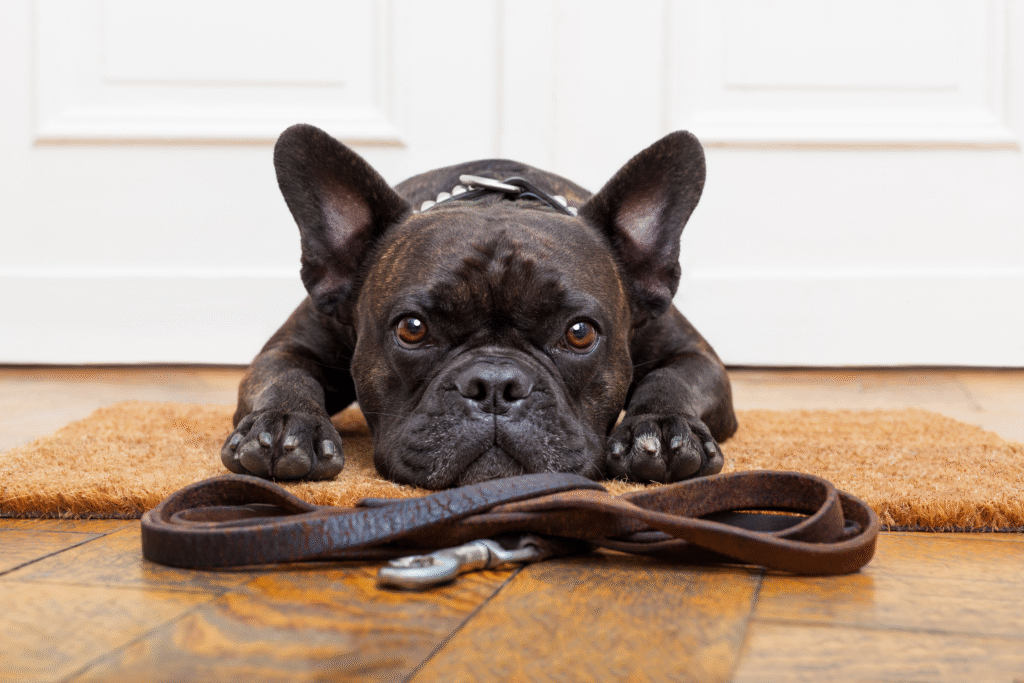
City dogs often follow identical patterns—same streets, same times, same routes. While structure provides security, too much repetition limits novelty, which is vital for neural growth. Without mental challenges, a dog’s brain becomes less flexible, less curious, and more prone to boredom behaviors like chewing or whining. Small variations—switching walking routes, adding sniff breaks, or rotating toys—activate reward circuits tied to learning. Novelty feeds the hippocampus, which controls memory and adaptation. A constantly changing world feels safer when the brain practices handling difference every day.
7. Limited contact with other dogs weakens emotional regulation.

Dogs learn emotional balance through social play, not commands. When urban dogs rarely meet calm, well-mannered peers, their brains miss practice in regulating excitement and fear. Over time, the social circuits that handle frustration and impulse control weaken. Dogs that have fewer positive peer interactions often show more reactivity to other dogs or even unfamiliar people. Structured meet-ups and off-leash play in safe environments act as “social therapy.” These experiences rebuild tolerance and empathy—traits vital for living peacefully in crowded urban spaces.
8. Apartment living reshapes spatial perception and comfort responses.

Confined environments, especially high-rise apartments, influence how dogs perceive territory and safety. With limited space and fewer vantage points, some dogs develop hyper-vigilance around doors and windows. Their brains associate every sound with intrusion. Providing zones with barriers, varied textures, and elevated perches helps re-establish a sense of control. When dogs can observe or withdraw freely, their brain activity shifts from defense to observation. That simple change improves relaxation and trust, especially for sensitive breeds.
9. Breed differences affect how dogs adapt to city environments.

Certain breeds—like Border Collies, Huskies, or German Shepherds—were bred for open environments, not small apartments. Their sensory and movement needs are higher, and when those needs go unmet, their brains respond with agitation. Breeds selected for calm companionship—like Cavalier King Charles Spaniels or French Bulldogs—often cope better. Recognizing that brain wiring differs across breeds helps owners design environments that fit the dog’s innate drives. Exercise, scent games, and controlled challenges meet deep neurological needs that apartment life can’t fulfill alone.
10. Urban adaptation requires intentional brain balance for modern dogs.
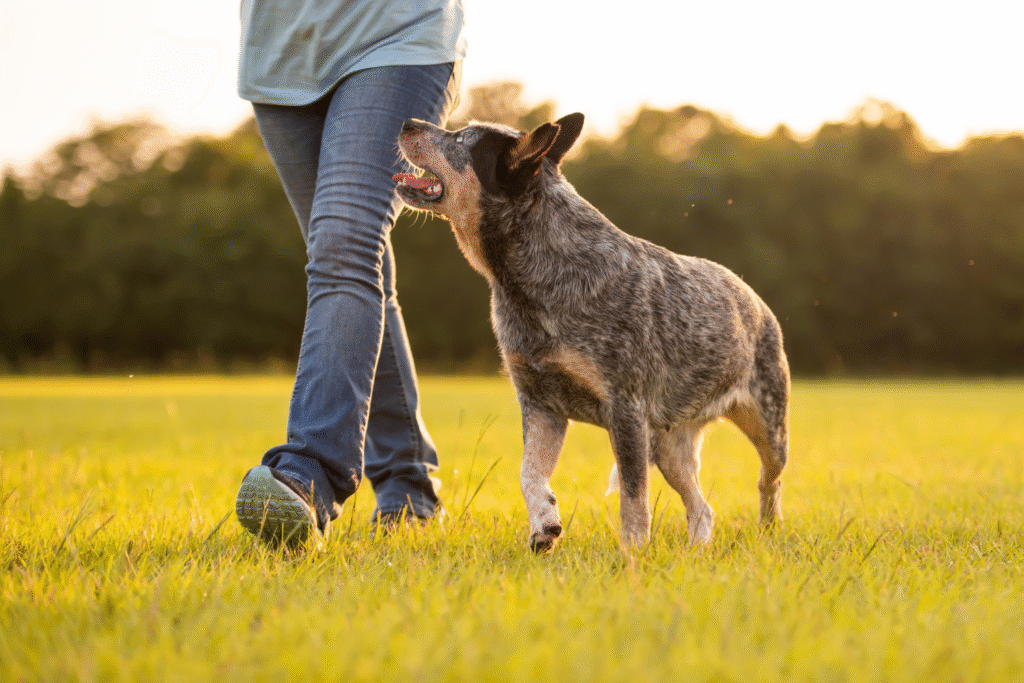
City living can stimulate or strain a dog’s brain depending on how it’s managed. Offering diverse sensory input, consistent rest, choice-based activities, and green space exposure rewires dogs toward calm resilience. Their brains, just like ours, thrive on balance—stimulation paired with decompression. The more you understand your dog’s hidden neurological adjustments, the better you can nurture their mental well-being. A city dog isn’t doomed to stress; they just need structure that lets their brain rest, recover, and rediscover joy amid the urban rush.