
Canine instincts are reshaping conservation efforts worldwide.

Around the world, ecosystems are buckling under the pressure of invasive species, and traditional tools often fall short. Scientists, wildlife officers and conservation teams have turned to an unexpected partner, discovering that dogs can detect, locate and help remove invaders in ways technology still cannot match. Their noses, loyalty and precision cut through dense forests, vast coastlines and remote islands. The result is a growing movement where trained dogs quietly reshape how people fight ecological disruption.
1. Detection dogs find invaders long before humans notice.
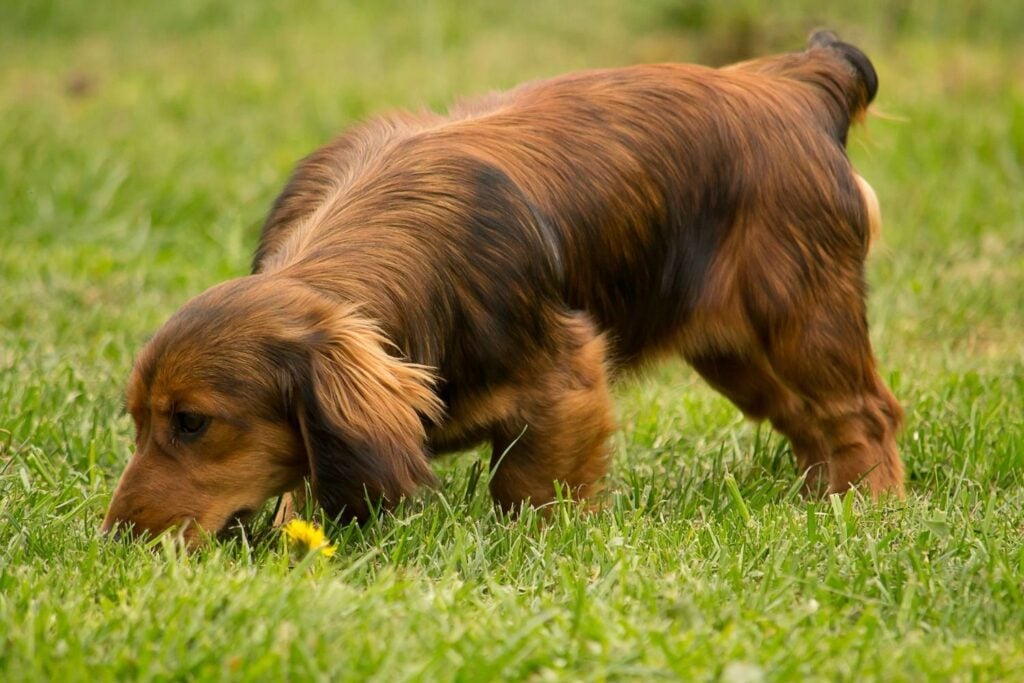
Conservation teams struggle to spot early invasions because many species hide in dense vegetation or move silently. Dogs, however, can track scent signatures at astonishing distances, identifying individuals long before visual confirmation is possible. Their accuracy is consistently referenced in wildlife fieldwork and training research, as reported by the National Park Service. Teams using detection dogs often intercept species early enough to prevent full blown establishment.
Once a dog identifies a scent trail, handlers follow quickly, cutting response time significantly. This precision gives conservationists a fighting chance in areas where invasive species spread quietly. Dogs bridge the gap between human limits and ecological urgency, allowing teams to act before habitats shift beyond recovery.
2. Dogs can locate invasive plants faster than survey crews.
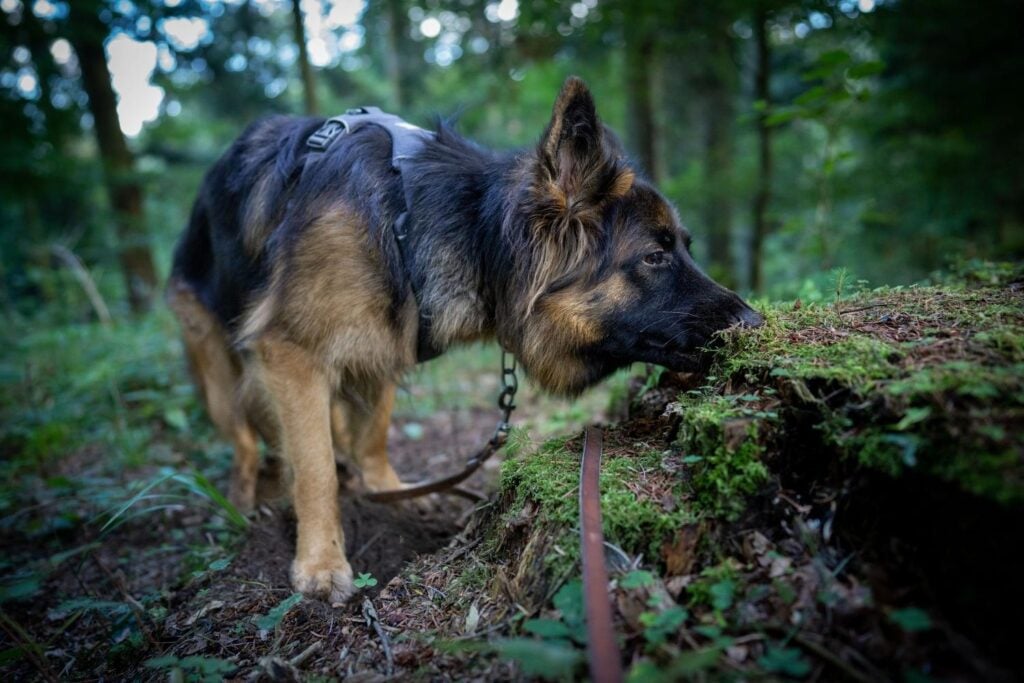
Botanists working in sprawling landscapes often miss scattered invasive seedlings, especially in rugged terrain. Dogs trained for botanical detection move swiftly through fields and forests, pinpointing the scent of invasive roots or leaves with remarkable consistency, as stated by the United States Geological Survey. Their work accelerates field surveys dramatically, uncovering early growth that might otherwise escape notice.
These dogs cover acres in minutes, noticing what human eyes skim past. Crews then follow their alerts to remove plants while they are still manageable. This speed changes the entire timeline of invasive control, preventing years of future spread with one successful detection.
3. Wildlife officers use dogs to protect vulnerable island ecosystems.
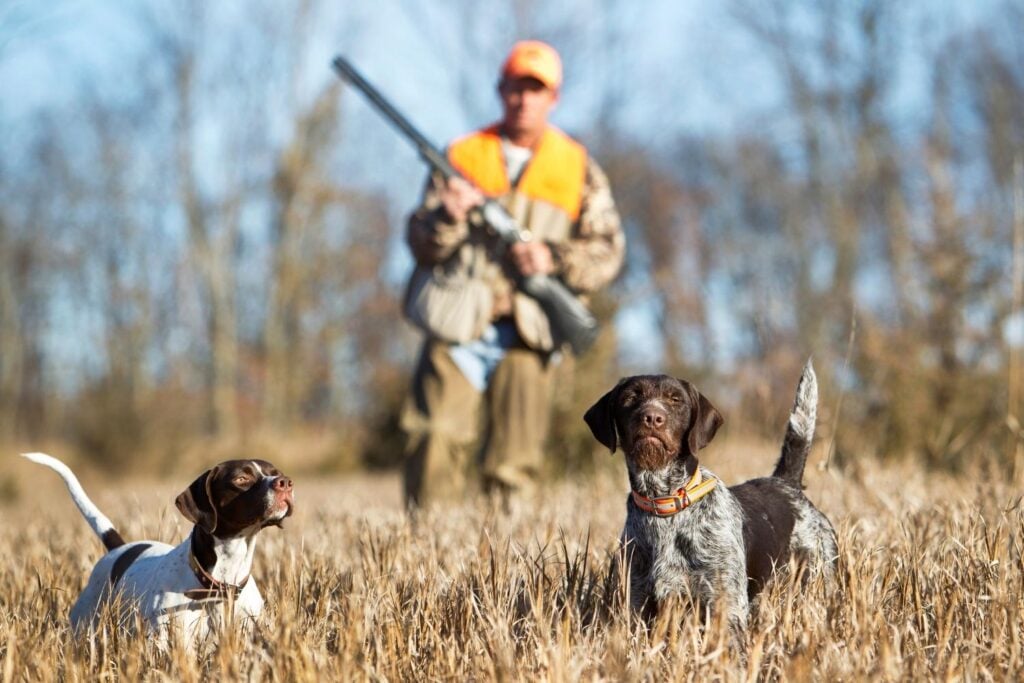
On isolated islands where non native predators devastate nesting birds, dogs help locate hidden threats before breeding seasons collapse. Their success is documented repeatedly in ecological restoration programs, as discovered by the New Zealand Department of Conservation. Dogs detect traces of rodents, stoats and other invaders even when populations are low, allowing rapid intervention.
Their presence shifts the trajectory of island recovery. A single dog can confirm whether an island remains predator free or identify the faintest sign of return. This level of vigilance saves endangered species whose survival depends entirely on maintaining predator free zones.
4. Dogs track invasive mussels across massive water systems.
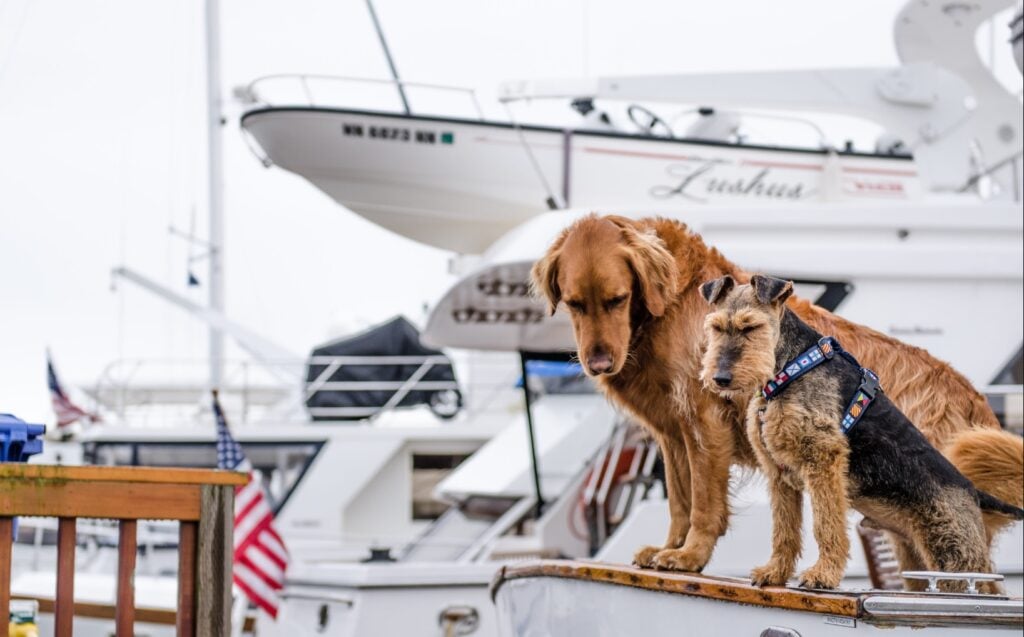
Aquatic invaders like zebra and quagga mussels cling to boats, docks and equipment, spreading quietly through freshwater networks. Trained dogs can smell these mussels even when they are too small to see, making them invaluable at inspection stations. Officers deploy them around trailers, hulls and storage compartments to intercept infestations before they spread downstream.
Their accuracy prevents years of ecological damage. Every intercepted boat saves lakes from clogging, species collapse and costly cleanup. These dogs essentially guard waterways by catching what most people overlook.
5. Conservation teams use dogs to manage invasive snakes.
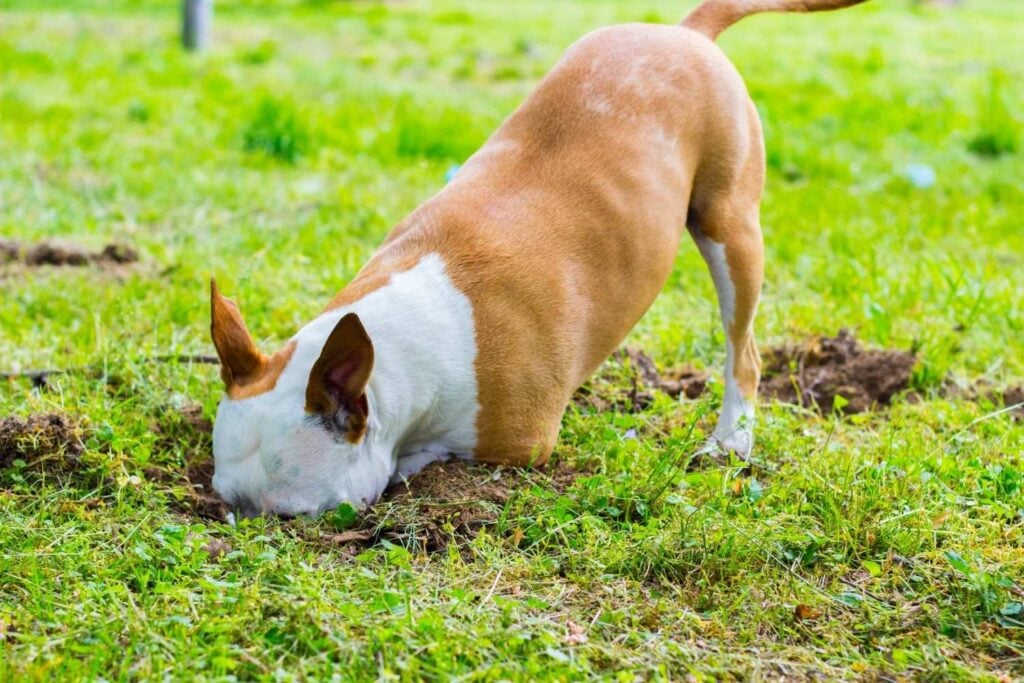
In regions where invasive snakes threaten native wildlife, dogs step in to locate individuals hiding in brush, debris or underground dens. Their scent tracking cuts search time dramatically, allowing teams to remove snakes before they reproduce. This helps slow expansion into new habitats where reptiles could cause irreversible losses.
Their agility lets them navigate environments where humans cannot move quickly. As they track scent trails, handlers learn exactly where snakes travel, creating maps that help predict future spread. Over time, these insights reshape entire management strategies.
6. Dogs help locate invasive insects that hide from sight.
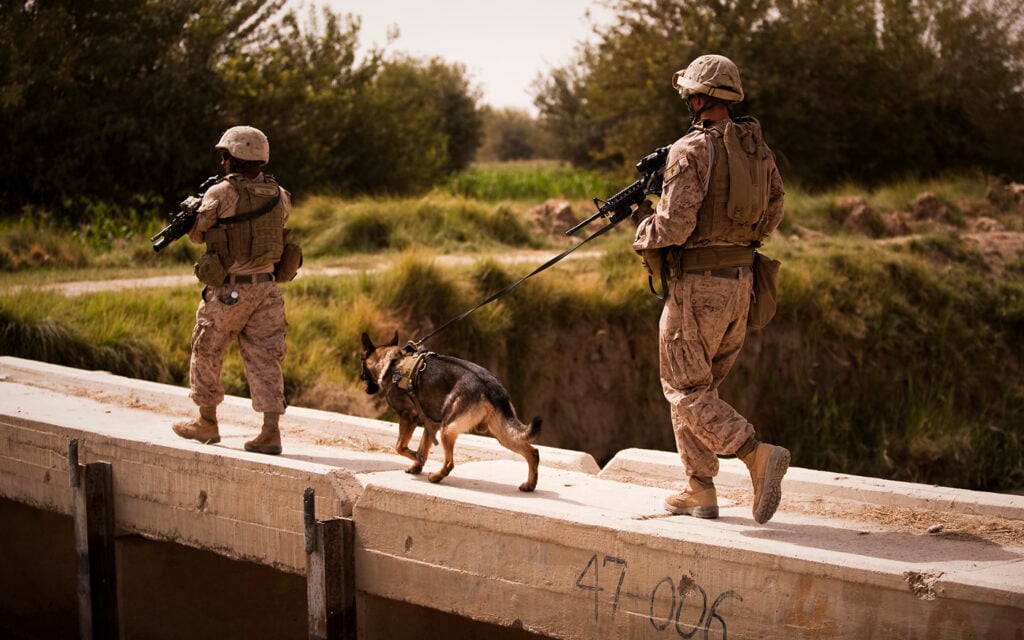
Some invasive insects burrow into bark, soil or cargo, making them nearly impossible to find by eye. Dogs trained for scent detection identify these pests in wood shipments, nurseries and transportation hubs. They alert handlers to contaminated loads before insects escape into forests or agricultural zones.
Their work protects entire industries. By locating insects early, dogs prevent infestations that could wipe out orchards, timber supplies or native tree populations. Their precision creates a protective barrier around vulnerable ecosystems.
7. Search dogs uncover hidden predators threatening wildlife nurseries.
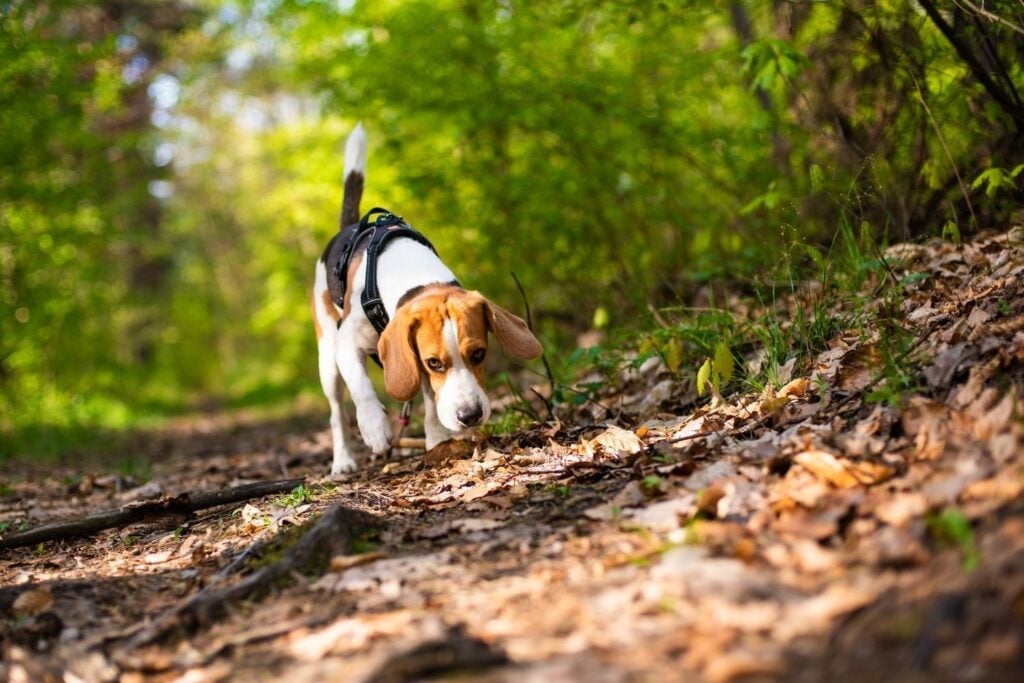
Ground nesting birds and small mammals suffer heavily when invasive predators move into their territories. Dogs can locate dens, spoor and hidden refuges that researchers struggle to detect. Once a dog marks a location, teams coordinate traps, removal or monitoring to protect vulnerable young during breeding seasons.
This targeted approach reduces collateral damage. Dogs show conservationists exactly where pressure is highest, allowing them to focus resources where they matter most. In areas with declining wildlife, these dogs become quiet guardians.
8. Teams use dogs to sweep ports where invaders arrive.
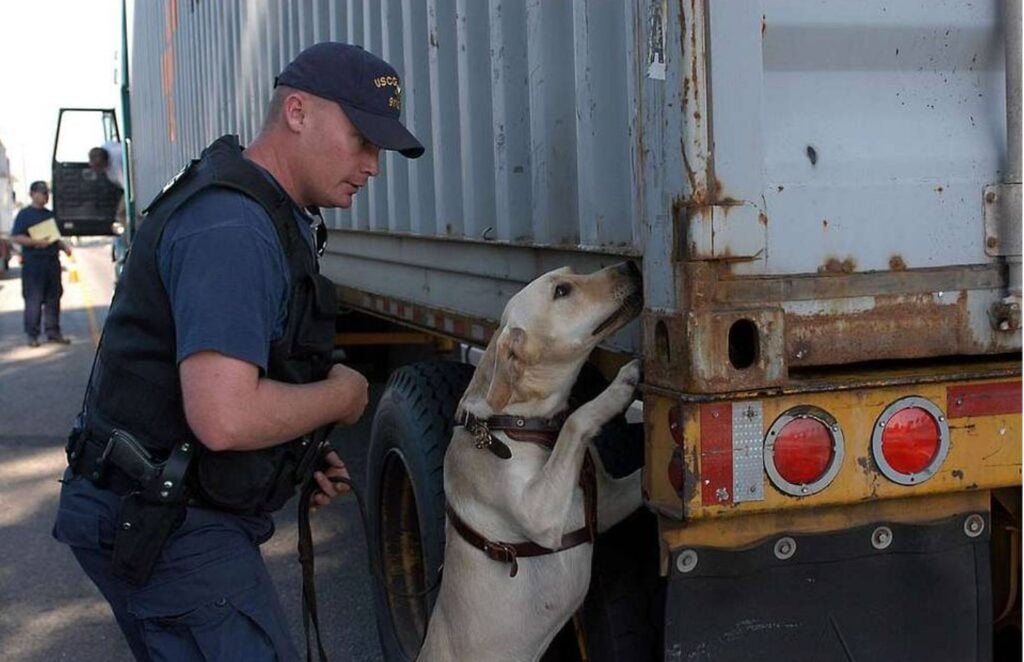
Ports and cargo hubs serve as major entry points for global species movement. Dogs trained to detect seeds, insects or small animals patrol these areas and alert handlers before invaders escape into surrounding landscapes. Their work strengthens biosecurity by creating a real time detection system.
Each successful detection is a small victory during a constant battle. The dogs help stop problems at the threshold rather than after they spread, which protects cities, farms and forests from future disruptions.
9. Dogs reinforce monitoring on trails where people unknowingly spread species.
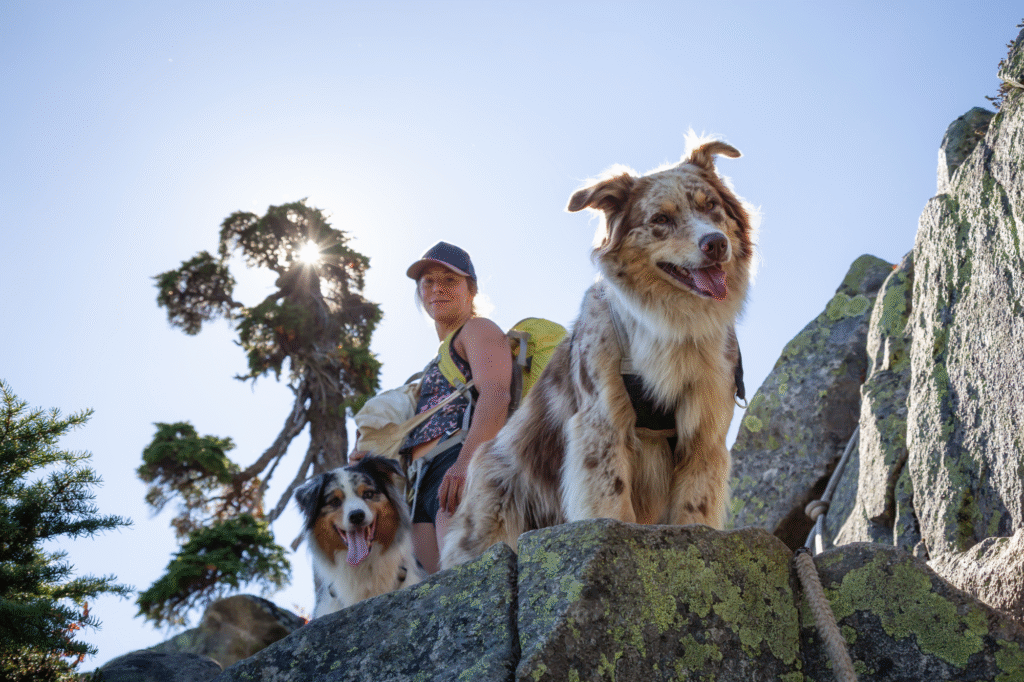
Hikers and campers accidentally transport seeds, plant fragments or small organisms on boots, clothing or gear. Dogs can sweep trailheads and campsites to intercept invasive material before it enters sensitive landscapes. Their ability to identify specific scents creates a buffer around heavily trafficked areas.
This helps land managers understand how invaders hitchhike along popular routes. With dogs’ input, they restructure trail maintenance, cleaning stations and visitor education. The dogs essentially map invisible movement patterns that humans could never track alone.
10. Conservation dogs expand what ecological science can accomplish.
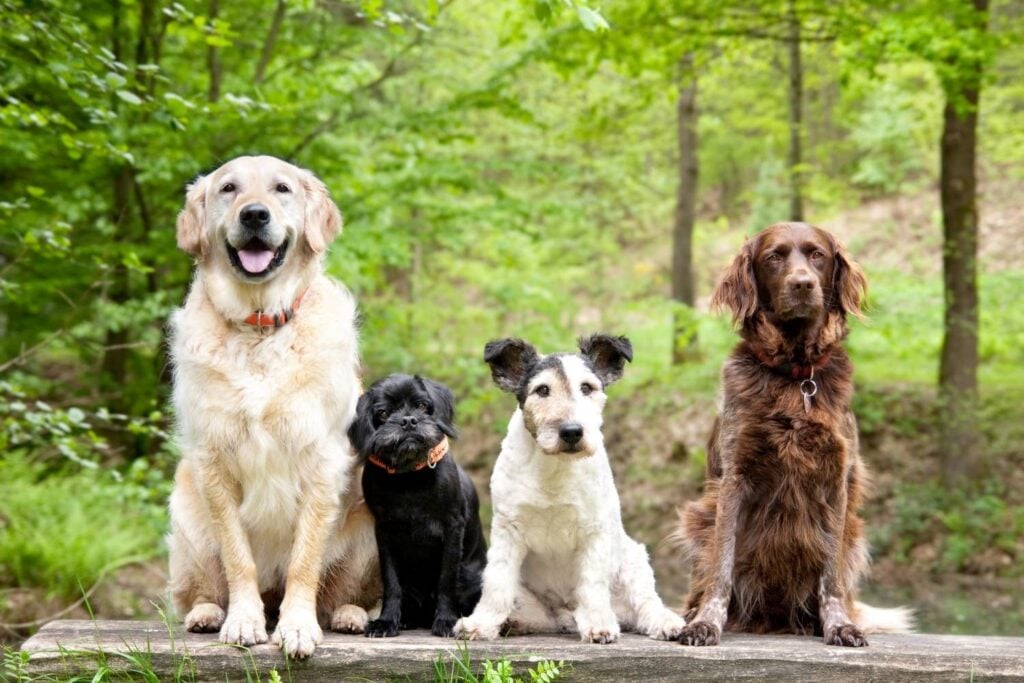
Every time a dog enters a field site, it brings a skill set that blends instinct and learned precision. Their presence changes the pace of conservation work, helping teams detect low density invaders and protect habitats before the tipping point arrives. They make the work faster, more accurate and more hopeful.
As ecosystems face rising global pressure, these dogs become essential allies. They show how partnership between human intelligence and animal instinct can slow ecological collapse and offer new tools for preserving fragile landscapes.