
Isolation may reshape canine brains over time.

More dogs are spending long hours alone inside homes, garages, and apartments while owners work longer days. At first nothing seems wrong. Meals are eaten, toys untouched, furniture intact. But behavior specialists have begun noticing subtle changes that surface later during training, vet visits, or reunions. These shifts raise difficult questions about what prolonged isolation does to a social brain. Emerging studies suggest time alone may alter stress responses in ways that echo traumatic experiences, especially when isolation becomes routine.
1. Prolonged solitude appears to alter stress regulation systems.

Dogs left alone for extended stretches may seem fine initially, then react intensely to minor disruptions. Small noises trigger panic. Departures feel catastrophic. These reactions often surface long after isolation becomes routine, making the connection easy to miss.
Researchers studying stress hormones note that chronic isolation can sensitize the brain’s alarm systems. Cortisol patterns shift, leaving dogs less able to calm themselves. This does not prove permanent damage, but it suggests prolonged solitude may prime the brain for heightened threat detection long before owners notice outward distress.
2. Extended isolation coincides with changes in emotional processing.

Some dogs struggle to interpret social cues after long periods alone. Greetings feel overwhelming. Training stalls. Emotional responses seem mismatched to situations, creating confusion for owners trying to help.
Studies using behavioral assessments suggest isolation affects how dogs process emotional information. Reduced social input may limit opportunities to practice regulation and interpretation. Over time, the brain may favor defensive responses. These changes resemble patterns seen in mammals exposed to prolonged stress, though reversibility varies widely between individuals.
3. Time alone may reshape fear learning pathways.

Dogs left alone too long can develop strong reactions to specific triggers. Sounds, doors, or routines become loaded with emotion. Once formed, these reactions prove difficult to unlearn.
Neuroscience research indicates that chronic stress strengthens fear memory circuits. Isolation may amplify this effect by removing calming social feedback. Without interaction, fear responses may consolidate more deeply. This does not mean isolation directly causes trauma, but it may increase vulnerability to fear based learning under stress.
4. Reduced stimulation can affect cognitive flexibility.

A dog alone for hours often experiences long periods of inactivity. Over time, problem solving and adaptability may appear dulled. New situations feel harder to navigate.
Cognitive studies suggest brains require varied input to maintain flexibility. Limited stimulation can narrow behavioral repertoires. In dogs, this may present as rigidity or frustration during training. Researchers caution that enrichment matters as much as duration, influencing how the brain adapts to solitude.
5. Social deprivation may heighten sensitivity to separation cues.

Some dogs become hyper aware of departure rituals. Keys, shoes, or bags trigger immediate distress. These cues grow powerful through repetition.
Behavioral research shows that predictable isolation can condition strong anticipatory responses. The brain links specific signals with stress. Over time, this conditioning may mirror mechanisms seen in trauma related anticipation. The response is learned, but its intensity can surprise owners who believed their dog was coping.
6. Brain imaging suggests overlap with trauma related patterns.

Advanced imaging studies in mammals reveal that chronic stress alters regions tied to emotion and memory. While direct canine trauma models are limited, parallels exist.
Researchers note similarities between isolated dogs and animals exposed to prolonged stressors. Changes appear in areas governing fear and attachment. These findings remain emerging and complex. They do not label isolation as trauma outright, but they raise concerns about cumulative neurological impact over time.
7. Early life isolation shows stronger neurological effects.
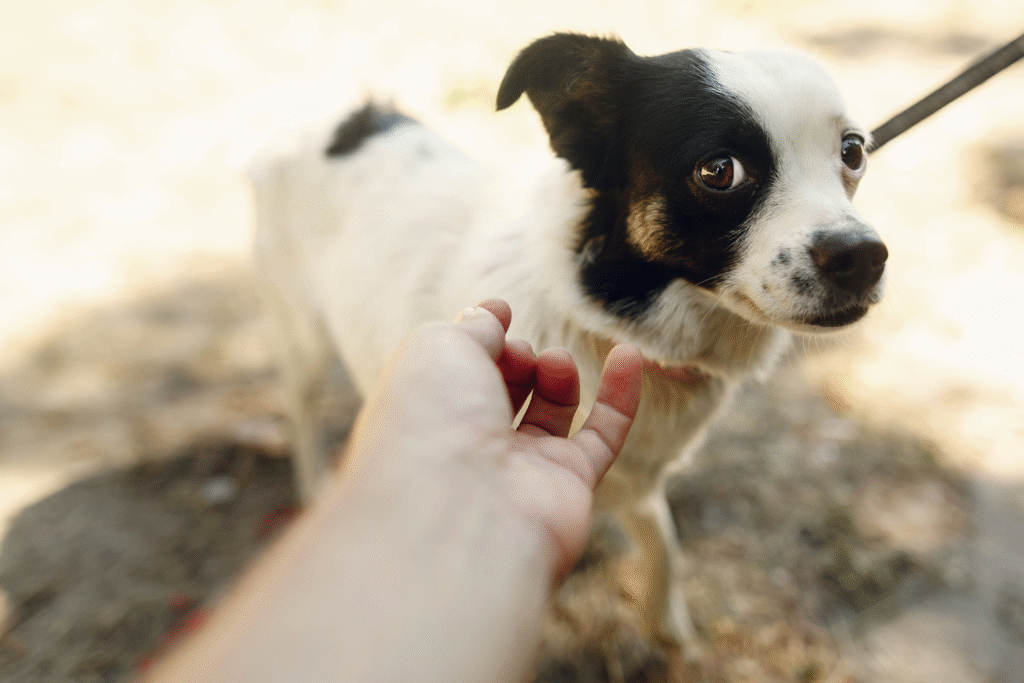
Dogs isolated during critical developmental windows often display deeper emotional challenges later. The effects may surface months or years after the isolation ends.
Developmental neuroscience highlights sensitive periods when brains expect social input. Missing that input can alter wiring patterns. In dogs, early isolation may shape attachment and regulation systems more strongly than adult isolation. Timing appears to influence how deeply the brain adapts to solitude.
8. Recovery patterns vary widely between individual dogs.

Some dogs rebound quickly once routines change. Others struggle despite enriched environments and training support. This unpredictability complicates prevention efforts.
Research suggests genetics, prior experiences, and temperament shape recovery. Isolation interacts with these factors rather than acting alone. Brain plasticity allows change, but not uniformly. Understanding individual thresholds may be key to identifying which dogs face higher neurological risk from prolonged solitude.
9. Chronic isolation may mask distress behind calm behavior.
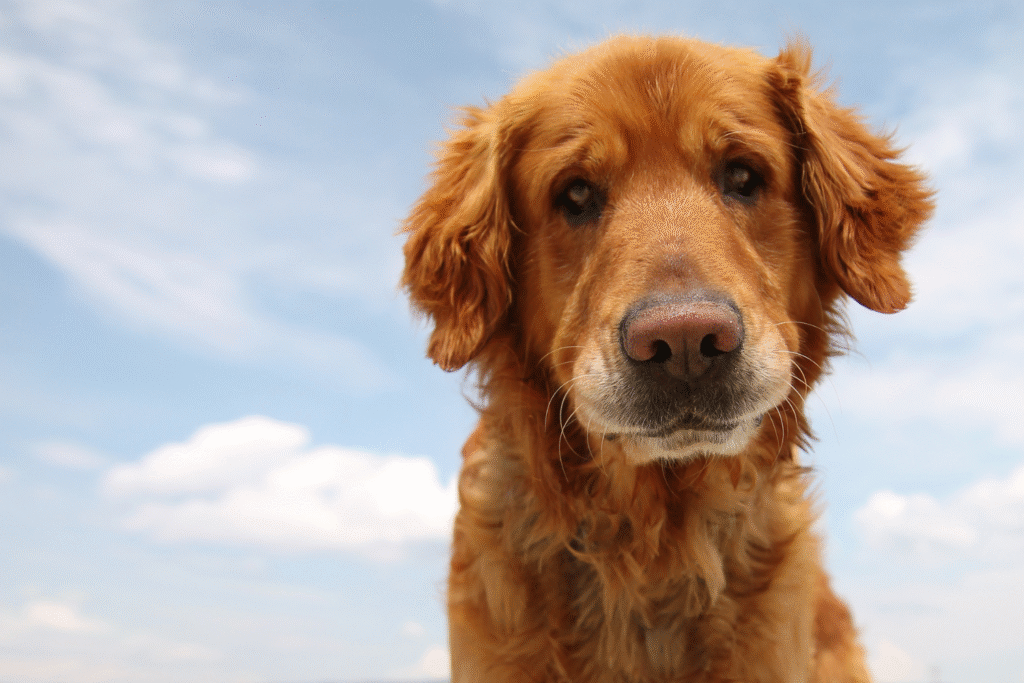
Many isolated dogs appear quiet and inactive. This calm can feel reassuring, reducing urgency to intervene. Yet stillness may conceal stress responses.
Studies of stress behavior note that withdrawal can replace overt anxiety. The brain conserves energy under prolonged strain. This does not equal comfort. Researchers caution that absence of noise or destruction does not indicate emotional wellbeing during extended isolation.
10. Duration and predictability both influence brain response.

Not all alone time carries equal weight. Dogs left alone unpredictably may show stronger stress reactions than those with consistent schedules.
Neuroscientists studying stress emphasize predictability as a buffer. When isolation follows no clear pattern, the brain remains on alert. Duration compounds this effect. Together, unpredictability and length appear to shape how deeply stress responses embed, influencing emotional resilience long after routines change.