
The breeds veterinarians worry about most today.
The truth settles in slowly when you start noticing patterns across clinics from Los Angeles to Raleigh. Some breeds just land on emergency tables more often, and it rarely happens gently. You hear the same conditions repeat in different states and at different times of year, almost like a quiet rhythm of risk. None of it makes these dogs less loved, but it does make their vulnerabilities feel more urgent when you finally see the full picture.
1. Great Danes face sudden internal crises often.

Great Danes show up in emergency rooms with alarming speed when their stomachs begin to rotate. Their sheer size becomes part of the risk, especially in cities like Denver where vets report more bloat cases during colder nights. As stated by the American College of Veterinary Surgeons, their predisposition for gastric issues drives many urgent visits.
Owners often notice restlessness first, then a hardening abdomen. The shift from mild concern to panic happens fast. Even when treated quickly, recovery can be rough, and dogs often require intensive monitoring afterward.
2. Yorkies react badly to quick blood sugar drops.

Many Yorkies look steady until they suddenly are not, especially in the middle of a normal day. They can collapse during mild stress or activity because their blood sugar can plummet with little warning. This fragile metabolic balance has been documented in small breed studies, as reported by Cornell University College of Veterinary Medicine.
Some owners describe it happening after a skipped meal, others after excitement. Once symptoms start, everything moves fast and requires immediate care to reverse the crash.
3. Dobermans hide dangerous heart conditions well.

Dobermans are known for masking symptoms until their hearts are already struggling. Cardiologists in Phoenix and Boston often diagnose dilated cardiomyopathy only after fainting episodes or sudden lethargy. Their high genetic risk was highlighted in clinical reviews, according to the Merck Veterinary Manual.
Many families mistake early fatigue for aging. By the time more dramatic signs appear, the heart is already under pressure. Emergency visits usually happen during sudden collapses that come without clear warning.
4. Bulldogs struggle most when heat rises unexpectedly.

Bulldogs can tip into medical danger on warm days in any crowded city park. Their narrow airways make even mild activity feel heavier, and overheating comes quickly when humidity climbs. Vets see the pattern every summer in places like Atlanta where short walks can turn risky.
Owners often miss the early signs because the dogs pant naturally all the time. Trouble becomes obvious only when they slow down in a way that feels out of character, and emergency care becomes essential.
5. Rottweilers run into sudden bone and spleen issues.

Rottweilers often present with lameness that seems harmless at first, especially among active dogs in suburban areas. What begins as stiffness can reveal deeper bone complications that demand urgent treatment. Some emergency visits happen late at night after minor injuries suddenly worsen.
Veterinarians also note that abdominal swelling in this breed is never something to ignore. When owners catch that early, outcomes improve quickly, but many dogs hide discomfort long enough to complicate care.
6. Cavalier King Charles Spaniels collapse without clear warning.

These dogs often lead cheerful lives until their hearts begin to fail quietly. In areas like San Diego, vets see many Cavaliers arrive during sudden coughing spells that escalate into breathing difficulties. The shift usually surprises families because they appear fine hours before.
The condition progresses slowly behind the scenes until one stressful moment pushes them over the edge. Emergency teams often focus on stabilizing their lungs before working on longer term cardiac support.
7. Standard Poodles experience sudden gastrointestinal emergencies.

Standard Poodles have a reputation for elegance, but their internal health sometimes swings sharply. Clinics across the Midwest treat many cases of abdominal distention that develop over a single hour. Families often describe normal mornings that turn into frantic afternoons.
Their athletic build masks early signs, making it easy to overlook subtle shifts in behavior. Vets encourage owners to act fast with any retching or pacing because these dogs decline quickly without intervention.
8. Boxers deteriorate quickly when heart strain begins.

Boxers often develop arrhythmias that show up during simple activities like running around a backyard in Houston or Portland. Some dogs collapse mid play before anyone realizes the gravity of the situation. Their emergency presentations often revolve around irregular heartbeats.
Because Boxers remain energetic even while symptomatic, owners rarely catch early cues. The first sign is often a fainting spell that requires immediate evaluation to prevent further complications.
9. Pugs decline fast when their breathing changes slightly.

A small shift in a Pug’s breathing pattern can set off a cascade of medical trouble. Cities with warm climates like Miami see a spike in urgent visits for airway swelling during summer evenings. What begins as subtle snorting turns into labored breathing that needs quick intervention.
Many Pugs push through discomfort because they are naturally enthusiastic. That charm masks the emerging crisis until their energy suddenly drops and the struggle becomes unmistakable.
10. Irish Wolfhounds surprise families with rapid internal shifts.
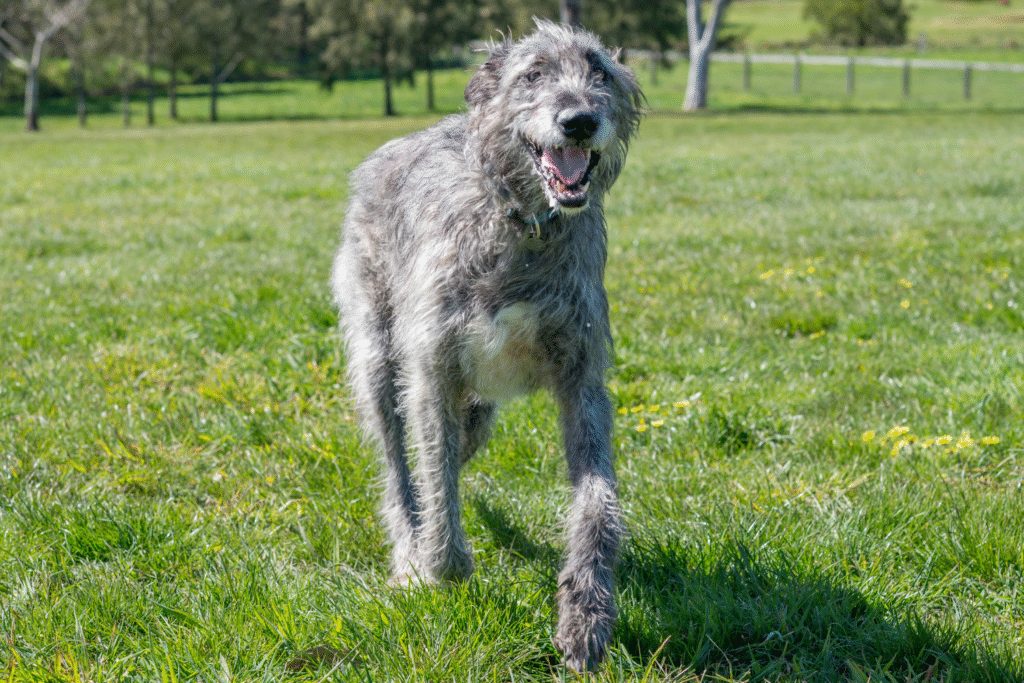
Families often underestimate how delicate the internal health of an Irish Wolfhound can be. Even a calm morning stroll in a cool place like Seattle can end in an emergency if early gastrointestinal symptoms appear. Their size creates risks that magnify quickly under stress.
Owners sometimes describe them as stoic, which makes it harder to detect early discomfort. By the time they show pain or restlessness, urgent treatment is usually necessary to prevent severe complications.
11. Shetland Sheepdogs falter when their hearts lose rhythm.
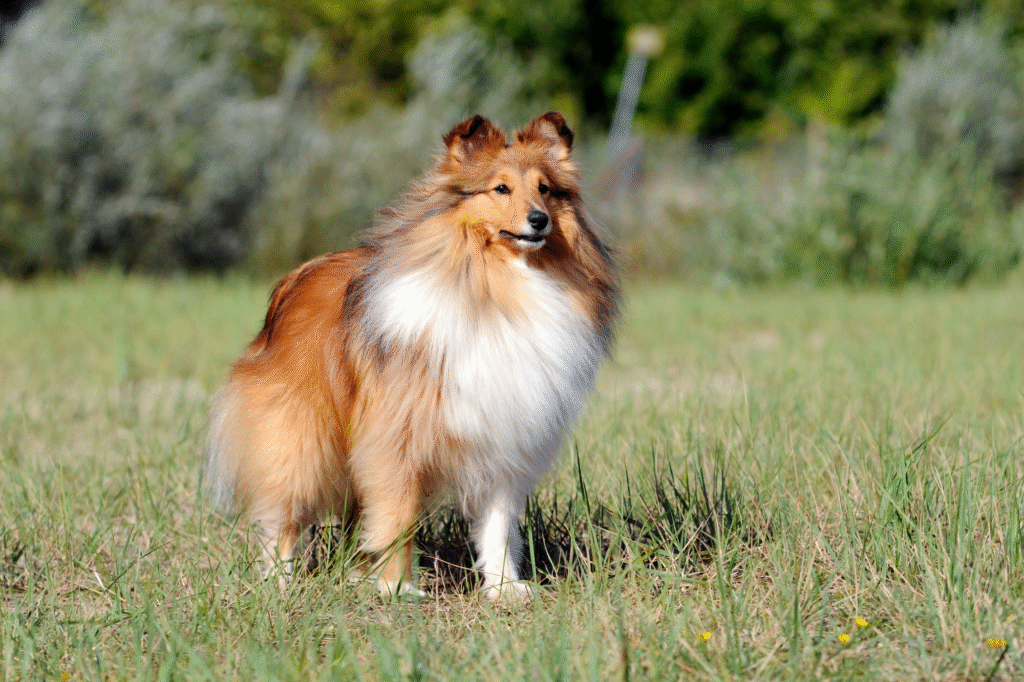
Shetland Sheepdogs can look lively until a subtle heart rhythm change pushes them into distress. Veterinary hospitals from Chicago to Phoenix often see them arrive after sudden episodes of weakness at home. Their compact build and high energy hide early clues.
Many families assume it is just fatigue from a busy day. The crisis becomes clearer when the dog struggles to stand or shows brief episodes of confusion. Emergency stabilization usually begins with cardiac monitoring and oxygen support.
12. Labrador Retrievers show crisis after strenuous activity.
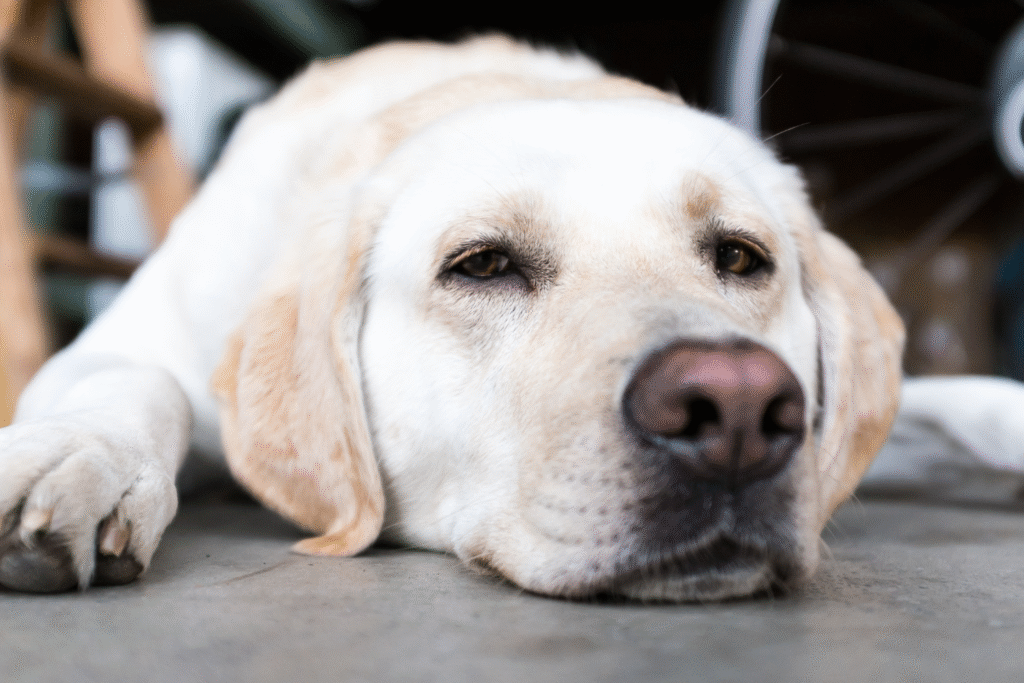
Labradors often power through physical discomfort, which complicates emergencies. In active regions like Colorado Springs, dogs may sprint during a hike and then collapse from internal complications afterward. Their drive to keep going masks pain until it becomes severe.
When symptoms surface, they tend to escalate quickly. Difficulty standing, heavy breathing, or sudden weakness usually prompts a rushed trip to the nearest vet where imaging and fluids become the starting point for care.
13. Miniature Schnauzers suffer sharp drops in metabolic balance.

These compact dogs can experience rapid changes in blood chemistry that lead to urgent medical care. Families often notice vomiting or lethargy before symptoms escalate into more serious imbalances. Emergency clinics in many cities note that Miniature Schnauzers decline faster than expected.
Some dogs show signs after a simple meal change or minor stress. Once the shift begins, they require immediate stabilization to avoid more dangerous outcomes. Their small size leaves little margin for error when crises appear.