
The breeds that vanish the second instinct hits.
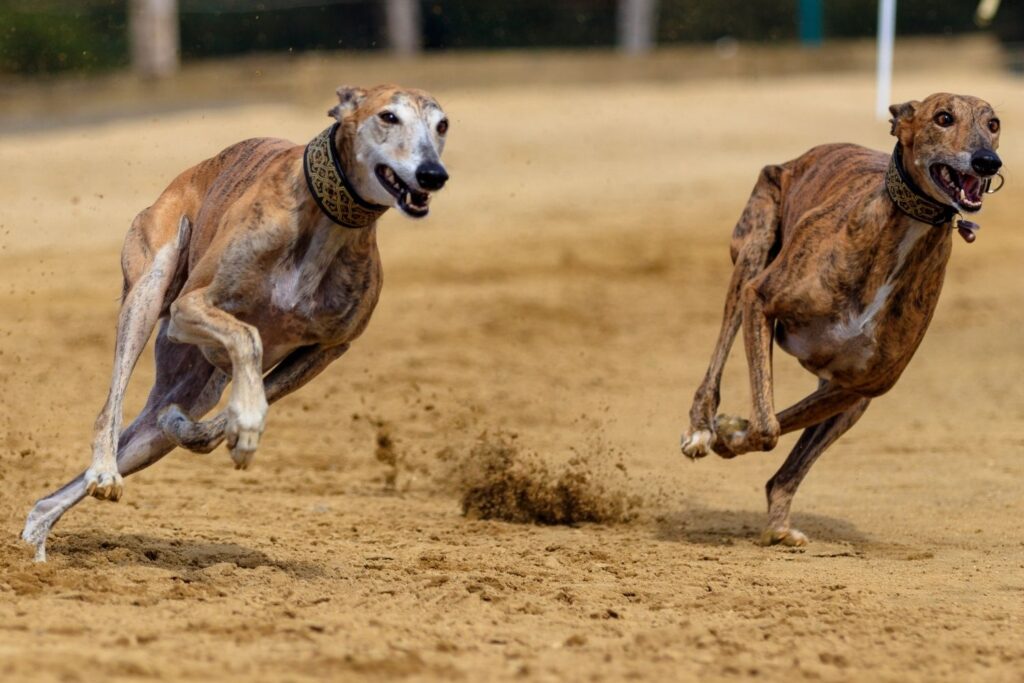
You start noticing the pattern in parks from Seattle to Atlanta when certain dogs catch a scent and their bodies tighten like a switch flipped inside them. It does not matter if they are well trained or usually calm. Something ancient wakes up and the chase becomes the only thing that matters. Owners call their names, but instinct wins with a force that feels older than memory.
1. Siberian Huskies disappear the moment movement appears.
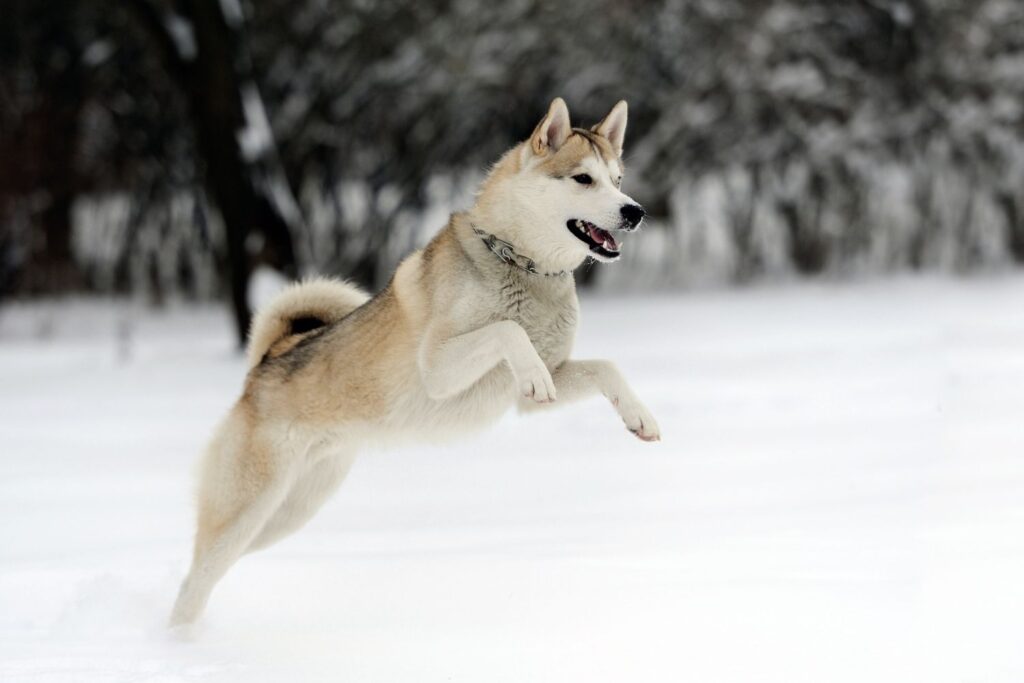
Huskies are known across cold climate cities like Anchorage for bolting after wildlife without hesitation. Many owners describe the same moment where eye contact breaks and their dogs race toward anything that runs. This strong prey response has been documented in behavior studies, according to the American Kennel Club.
Even fenced yards become a test for them because they climb or dig when instinct surges. Once locked onto a target, they run until exhaustion rather than return.
2. Greyhounds accelerate too quickly to catch safely.
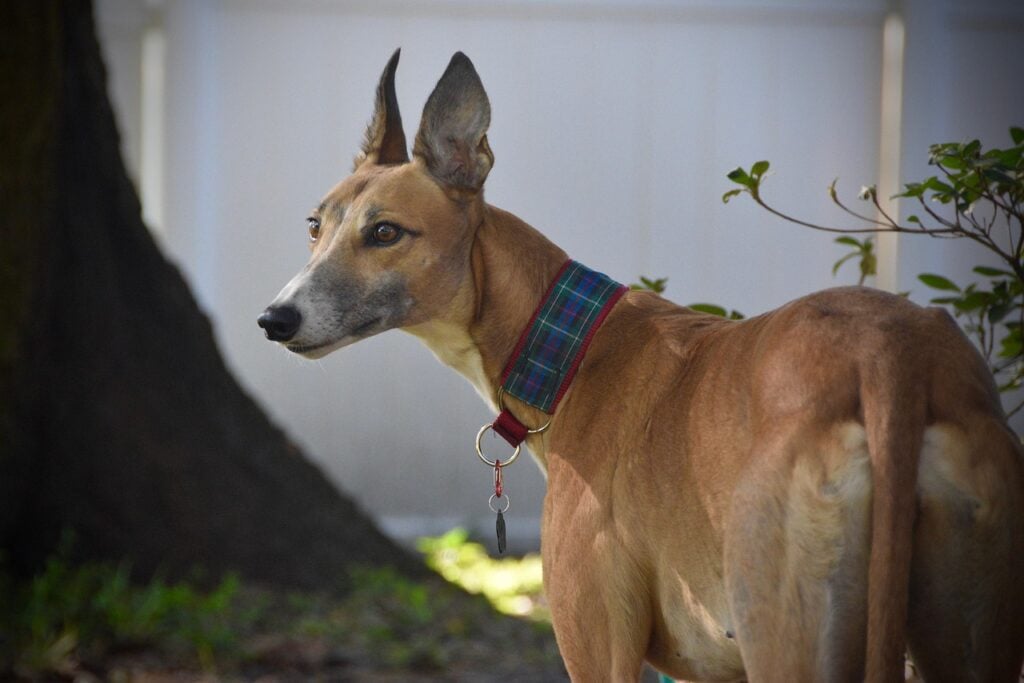
Greyhounds often seem calm until a fast moving object enters their field of vision. In places like Phoenix where jackrabbits dart across trails, owners struggle to regain control once the chase begins. Their heritage as sprinters has been detailed in multiple breed assessments, as reported by the Veterinary Centers of America.
Even simple backyard play can escalate when a bird takes off unexpectedly. Their speed makes them unreachable, and they rarely break focus until the target disappears completely.
3. Jack Russell Terriers locate prey with startling precision.

Jack Russells react instantly to scent trails in older neighborhoods where squirrels and rodents move between yards. Their working history makes them determined diggers and relentless chasers. Their prey oriented instincts have been analyzed in behavioral guidelines, as stated by the British Veterinary Association.
They often disappear under bushes or into narrow spaces before anyone realizes what they detected. Once they commit to a chase, they ignore cues that normally keep them grounded.
4. Australian Cattle Dogs fixate intensely on quick movement.

Australian Cattle Dogs surprise owners in suburban parks like those in Dallas when they switch from relaxed walking to full pursuit mode. Their eyes lock on anything that runs, and the rest of the world fades. This drive stems from generations of work that rewarded sharp focus.
Owners often mention how impossible it is to interrupt them once they begin tracking a target. Even familiar environments do not calm them when instinct takes hold and pushes them forward.
5. Salukis respond instantly to desert born instincts.
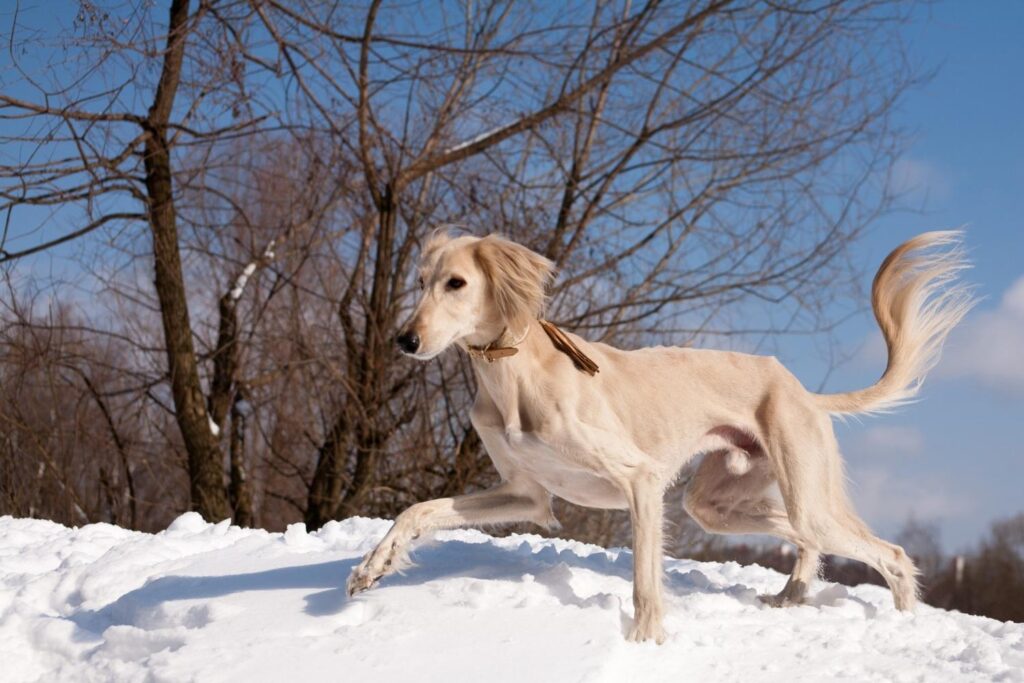
Salukis carry an old chase impulse that shows up during normal walks in warm regions like Southern California. A rabbit sprinting across a hiking path triggers a full pursuit that shocks even experienced handlers. Their long stride gives them reach that makes retrieving them difficult.
They can stretch the distance quickly, and their determination rarely wavers. Calm expressions vanish in seconds as their bodies shift into a specialized running rhythm that feels impossible to interrupt.
6. Basenjis become silent shadows when prey appears.

Basenjis in wooded areas around Oregon are known for chasing silently, slipping out of sight without a sound. Their lack of vocal warning makes it harder for families to track where they have gone once their instincts kick in. Their small frame allows them to move differently than many hunting breeds.
Owners often share stories about how quickly they vanish during what seemed like a routine outing. Once committed, they focus intensely until the pursuit ends on their terms.
7. Weimaraners lean heavily into fast pursuit behavior.
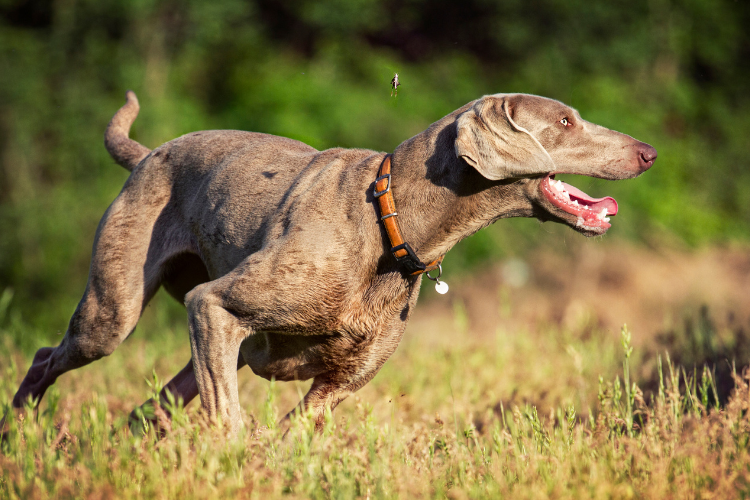
Weimaraners thrive in open landscapes like those across Colorado where wildlife is abundant. Their eyes track movement at long distances, and a single distraction can turn a controlled walk into a sprint. Many handlers say they react before commands even register.
Their athletic build gives them power and stamina that makes off leash time risky. They commit fully once they start moving, which leaves little space for redirection until their focus naturally fades.
8. Belgian Malinois chase with unwavering determination.
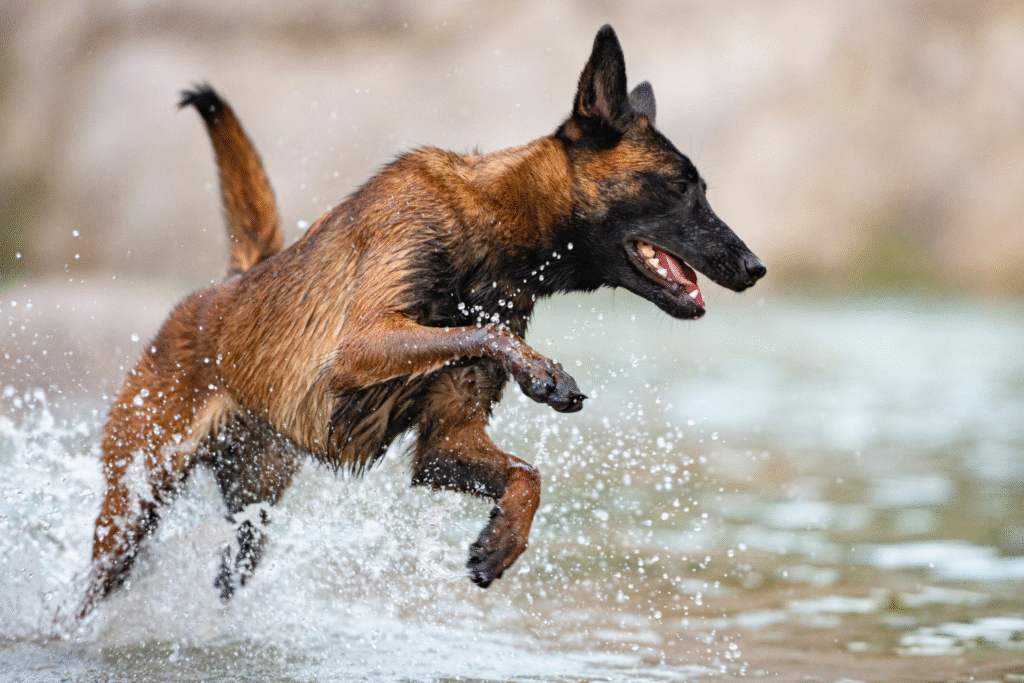
Belgian Malinois in urban areas like Chicago often shift into pursuit the moment a small creature runs. Their working background amplifies their drive because engagement and motion keep their minds alert. Once they fixate, even trained dogs struggle to pull back.
Handlers describe how quickly they can cover ground once in motion. Their drive becomes a tunnel that consumes all attention, making verbal control ineffective during active pursuit.
9. Airedale Terriers follow scent trails with intense purpose.
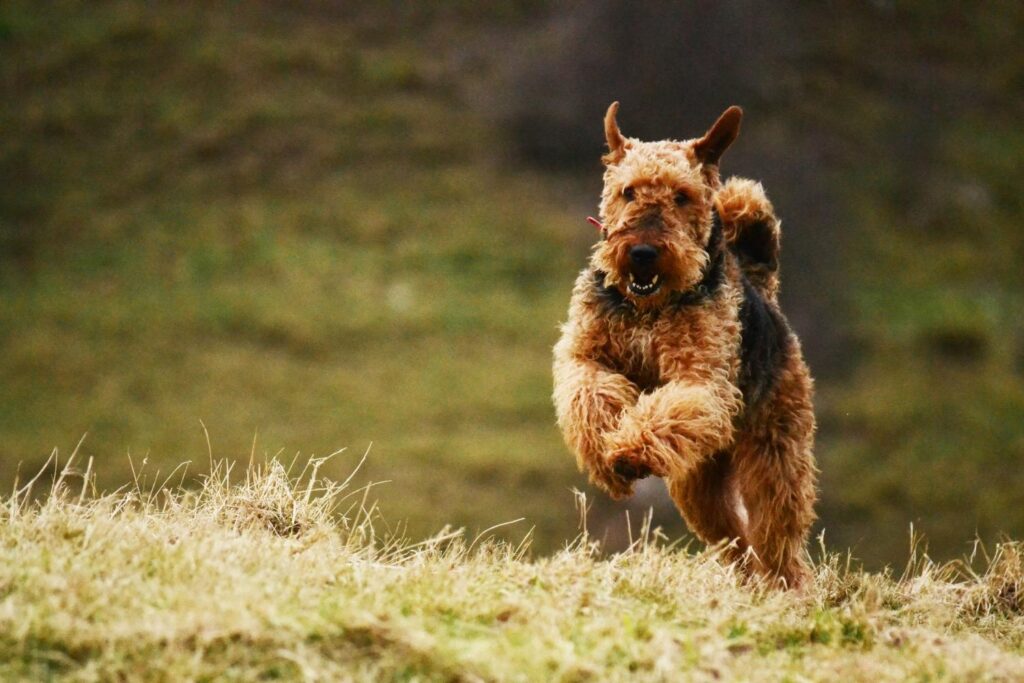
Airedales pick up scent trails easily in older neighborhoods with mature trees and established wildlife corridors. Their noses lead them long before owners realize what triggered their reaction. Once focused, they push forward with surprising strength.
Families often lose sight of them within seconds during off leash attempts. They move confidently into unfamiliar areas while tracking, which makes catching up to them challenging until they decide the chase is complete.
10. Rhodesian Ridgebacks react quickly to distant movement.

Rhodesian Ridgebacks in wide open spaces like Nevada deserts often chase at the slightest sign of motion. Their sight and stride work together to propel them into long pursuits. Even mild distractions become triggers for powerful reactions.
Owners describe them as focused and bold once they begin running. They commit with enough intensity to ignore commands that normally hold their attention, and they do not slow until the target is entirely gone.
11. German Shorthaired Pointers lock onto birds abruptly.

German Shorthaired Pointers in wetland regions like Minnesota display a strong response to airborne prey. Their heads snap upward at the first sign of movement, and they often bolt forward before a command is given. Their heritage encourages fast pursuit.
They seem gentle and composed until that moment when instinct takes over completely. Once moving, they operate on training only when not fully locked in, and chasing birds makes them nearly unreachable.
12. Scottish Deerhounds chase with surprising burst speed.

Scottish Deerhounds in open countryside settings like rural Virginia can vanish toward distant wildlife even from a calm walk. Their long legs and deep stride allow them to build speed fast. Families underestimate how quickly they create distance.
They may look gentle and easygoing, but their instincts remain sharp. Once the chase starts, they become difficult to follow or stop, and they often stay in motion until they lose sight of the target on the horizon.