
When breeding choices quietly shape lifelong suffering.
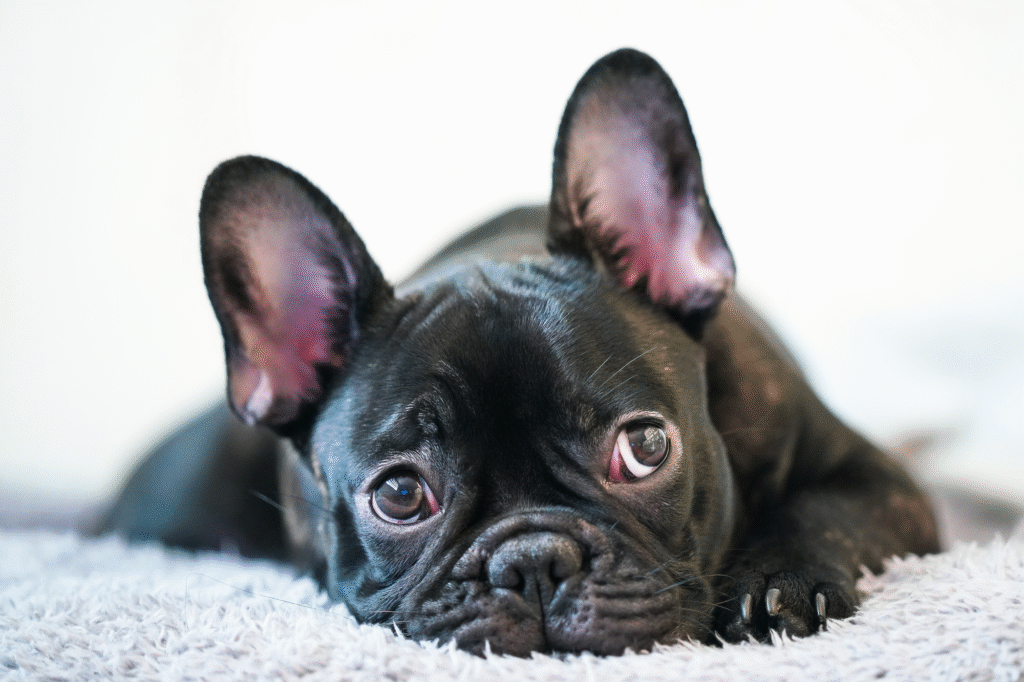
Some dog breeds carry genetic conditions so serious that veterinarians face the same cases again and again. These issues are not rare accidents, they are the result of traits intentionally selected over generations. For vets, the hardest part is knowing many of these problems were predictable and preventable. What looks like devotion to breed standards often translates into chronic pain, shortened lives, and difficult conversations that leave both owners and professionals feeling helpless.
1. English bulldogs often struggle just to breathe.

Many bulldogs arrive at veterinary clinics struggling to breathe after even mild walks. Their skull shape narrows the airways, creating constant respiratory strain and reduced oxygen intake. Surgery is often the only effective relief. Signs of distress appear early, especially in warm regions like Southern California, where summer heat and humidity worsen symptoms.
Veterinary teams increasingly warn against extreme breeding practices. According to the Royal Veterinary College, rates of brachycephalic airway syndrome continue to rise each decade. During heat waves, routine outings can quickly become emergencies, prompting clinics to keep oxygen support ready year round.
2. Cavaliers can live with silent neurological pain.

Cavaliers often appear cheerful while hiding intense neck pain. Pressure builds as malformed skulls crowd the brain. Scratching episodes confuse owners at first. Over time, nerves misfire, disrupting sleep and movement. Daily life quietly becomes exhausting for sensitive dogs everywhere.
Neurologists describe syringomyelia progression as unpredictable, as stated by UC Davis Veterinary Genetics. Advanced imaging confirms fluid cavities forming inside spinal cords. Many require lifelong medication or decompression surgery. Early diagnosis helps families prepare emotionally for complex long care paths.
3. German shepherds often inherit crippling joint disease.
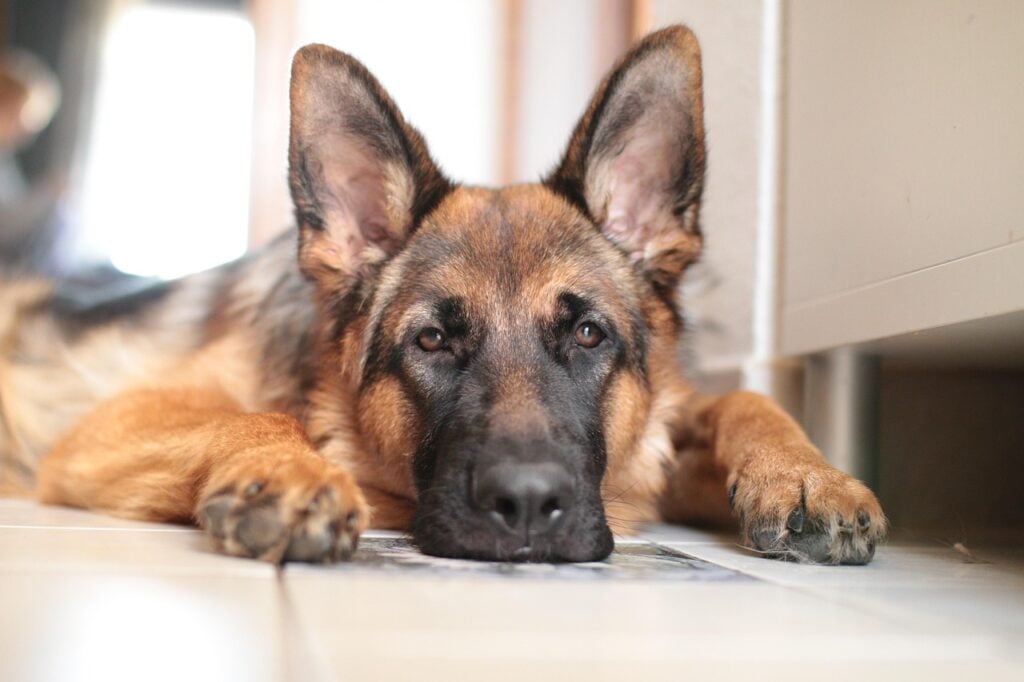
Young shepherds sometimes limp before their first birthday. Hip joints loosen, grinding cartilage during normal play. Owners mistake stiffness for clumsiness. By adulthood, arthritis reshapes daily routines. Walks shorten, pain medication becomes common as energy fades in active dogs nationwide.
Breeding records reveal heritable risk patterns, according to the Orthopedic Foundation for Animals. Screening programs aim to reduce suffering over generations. Still, thousands need surgery yearly across North America. Physical therapy now extends comfortable mobility for aging shepherd companions everywhere.
4. Dobermans can collapse without visible warning.
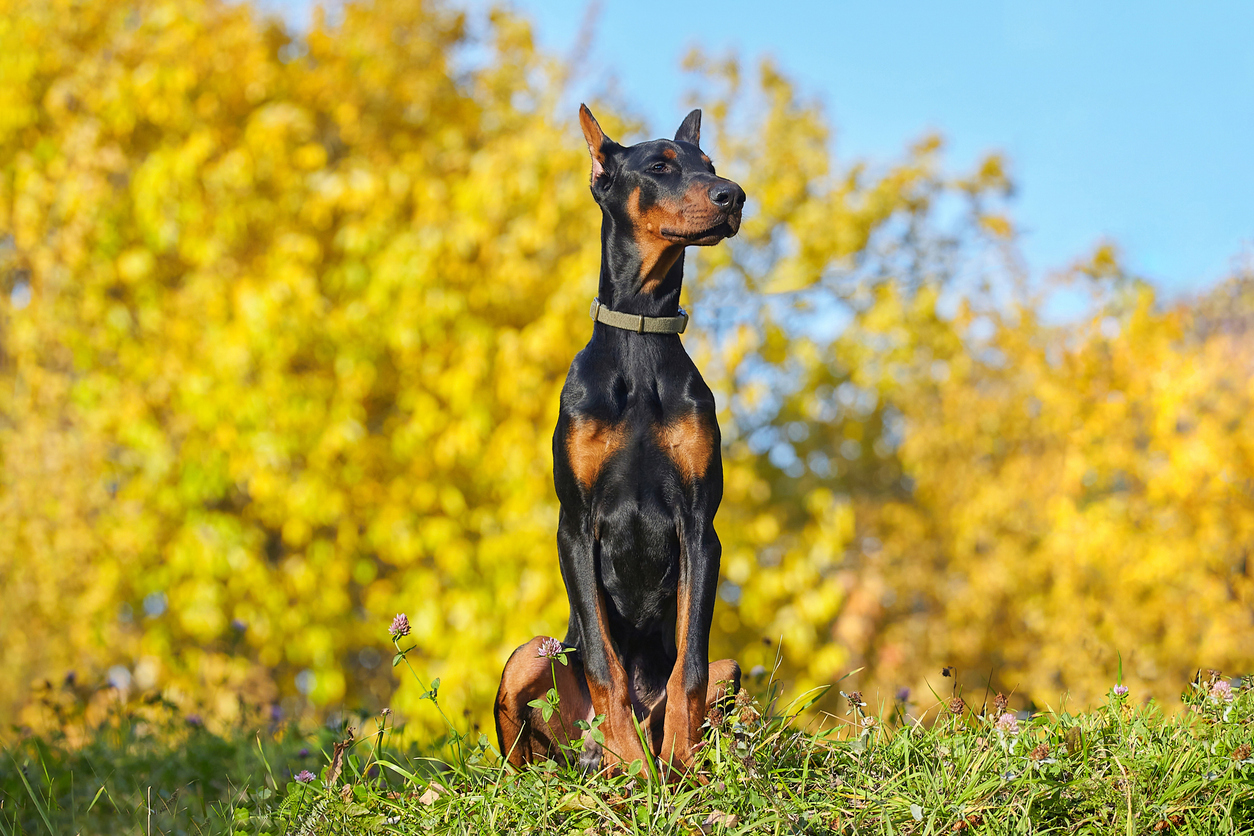
Dobermans can collapse suddenly despite appearing athletic. Genetic cardiomyopathy thins heart muscle walls. Rhythm disturbances follow quietly. Owners often learn during routine checkups. Advanced disease brings fainting, coughing, and sudden death. Without warning, families grieve after normal mornings at home.
Veterinarians recommend early echocardiograms for predisposed lines. Medication can slow progression, not cure. Holter monitors reveal silent arrhythmias overnight. Breeders face difficult choices balancing demand and ethics. Meanwhile owners manage fear daily through monitoring routines and medication schedules at home.
5. Great Danes face lethal stomach emergencies.
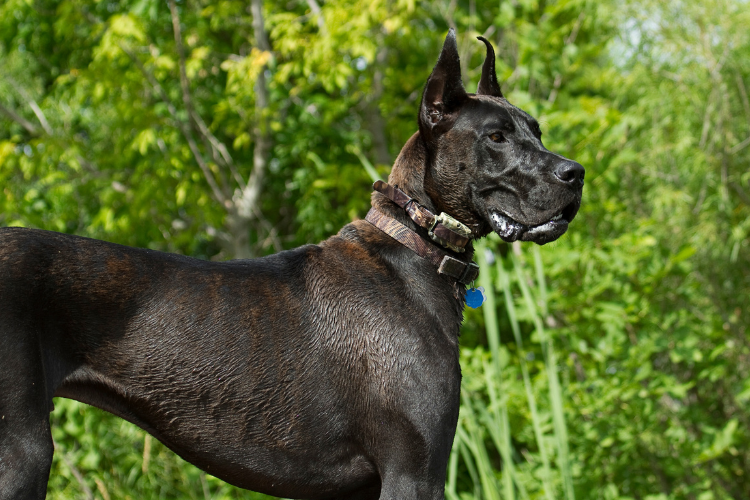
Giant frames place Great Danes at risk. Deep chests allow stomachs to twist unexpectedly. Gas buildup cuts blood flow rapidly. Even vigilant owners face midnight emergencies. Without surgery, survival hours shrink fast. Families rush across counties seeking emergency care immediately.
Preventive gastropexy lowers risk yet remains underused. Genetic predisposition intersects with feeding practices. Large clinics stock specialized surgical teams. Recovery demands weeks of careful management. Owners describe constant vigilance afterward. Meals slow, routines change forever for these dogs and families.
6. Shar Pei fevers quietly damage vital organs.

Shar Pei wrinkles hide immune system chaos. Recurrent fevers strike without infection. Inflammation damages kidneys through amyloid buildup. Owners chase explanations for swollen joints. Over years, renal failure becomes common. Treatment manages pain, not cause in many cases globally today.
Genetic testing helps identify high risk lines. Fever episodes leave dogs lethargic and distressed. Kidney monitoring becomes routine from youth. Special diets slow decline modestly. Breeders now rethink extreme skin traits linked to this suffering for future generations of dogs.
7. Pugs juggle charm with chronic physical strain.

Pugs struggle balancing charm with chronic discomfort. Protruding eyes risk ulcers and rupture. Short muzzles compromise breathing year round. Owners notice snoring escalate into distress. Heat worsens symptoms during ordinary errands. Veterinary visits become frequent throughout warmer months in cities.
Care often involves eye lubrication and airway surgery. Weight control reduces strain but limits remain. Emergency clinics see spikes during heat waves. Owners plan outings around temperature charts. Breeding reforms lag behind public demand, leaving many dogs compromised from birth.
8. Boxers carry hidden electrical heart disorders.

Boxers face inherited rhythm disorders silently. Ventricular arrhythmias cause weakness or collapse. Young dogs may appear healthy initially. Stress or exercise triggers sudden episodes. Owners describe terrifying unpredictability. Monitoring becomes a lifelong commitment with careful routines at home daily now.
Holter testing detects hidden abnormalities early. Medication reduces episodes but risks persist. Some lines show severe outcomes within families. Breeders collaborate with cardiologists increasingly. Education helps owners recognize warning signs like fainting or weakness during routine play sessions outside home.
9. Dachshunds risk paralysis from everyday movement.

Long backs put dachshunds at spinal risk. Discs degenerate early, compressing nerves suddenly. One jump off furniture can paralyze. Owners face emergency surgery decisions. Rehabilitation requires patience and strict rest. Recovery timelines vary widely based on injury severity per case.
Genetic predisposition meets everyday household hazards. Crate rest becomes emotionally taxing. Physical therapy can restore mobility gradually. Owners modify homes with ramps. Breeders debate length standards and welfare to reduce future suffering for this beloved breed across households nationwide today.
10. Bernese mountain dogs face devastating cancer odds.
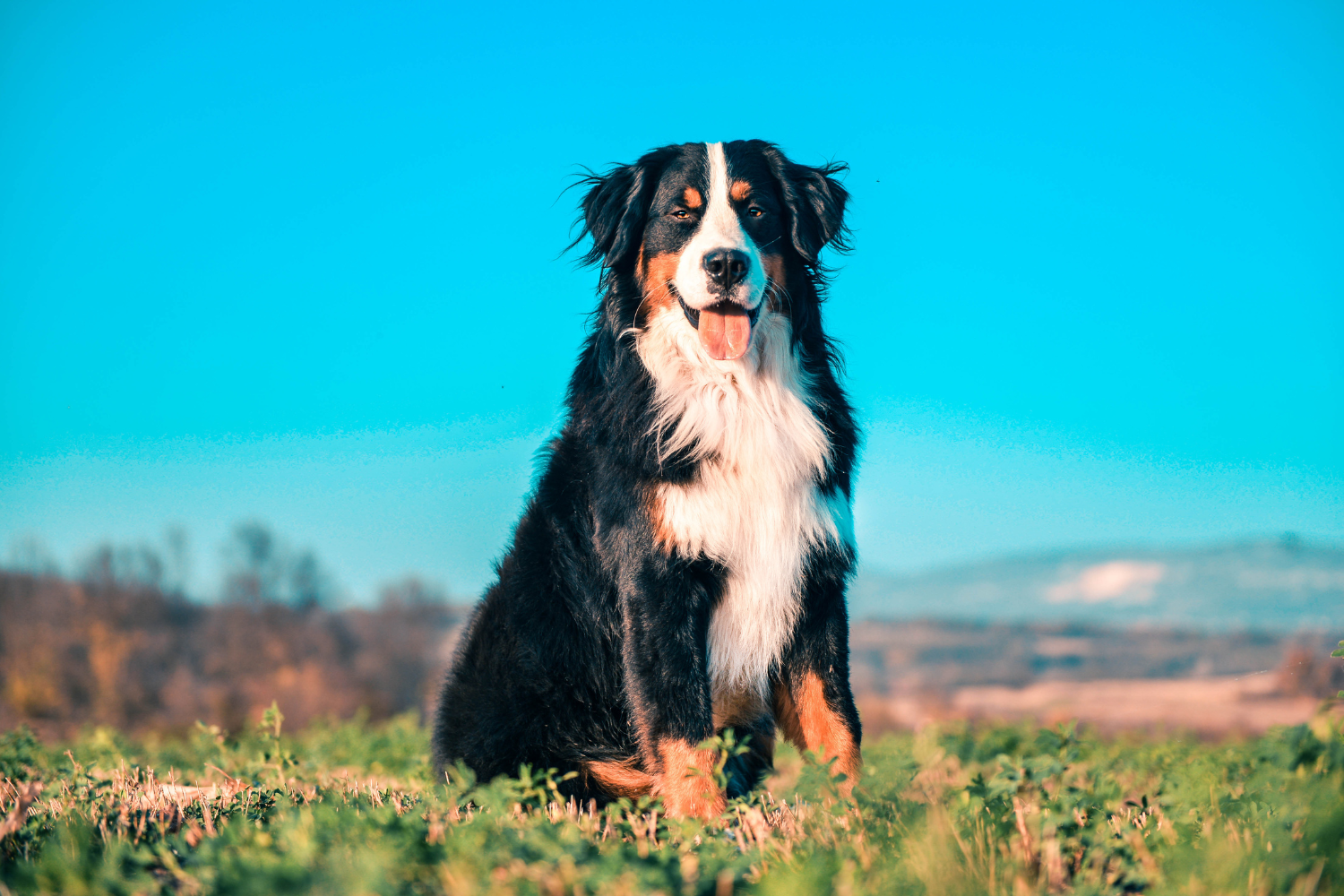
Bernese mountain dogs face high cancer risk. Genetics drive aggressive tumors early. Owners often confront diagnoses before middle age. Lymphoma and histiocytic sarcoma dominate cases. Treatment offers limited time. Families treasure shorter lives deeply while managing grief together at home.
Oncologists monitor lines seeking reduced incidence. Chemotherapy improves comfort, rarely cures. Large body size complicates treatment tolerance. Owners plan memory making intentionally. Support groups share coping strategies for anticipatory loss common in this breed worldwide for families who love them.
11. French bulldogs inherit multiple structural vulnerabilities.
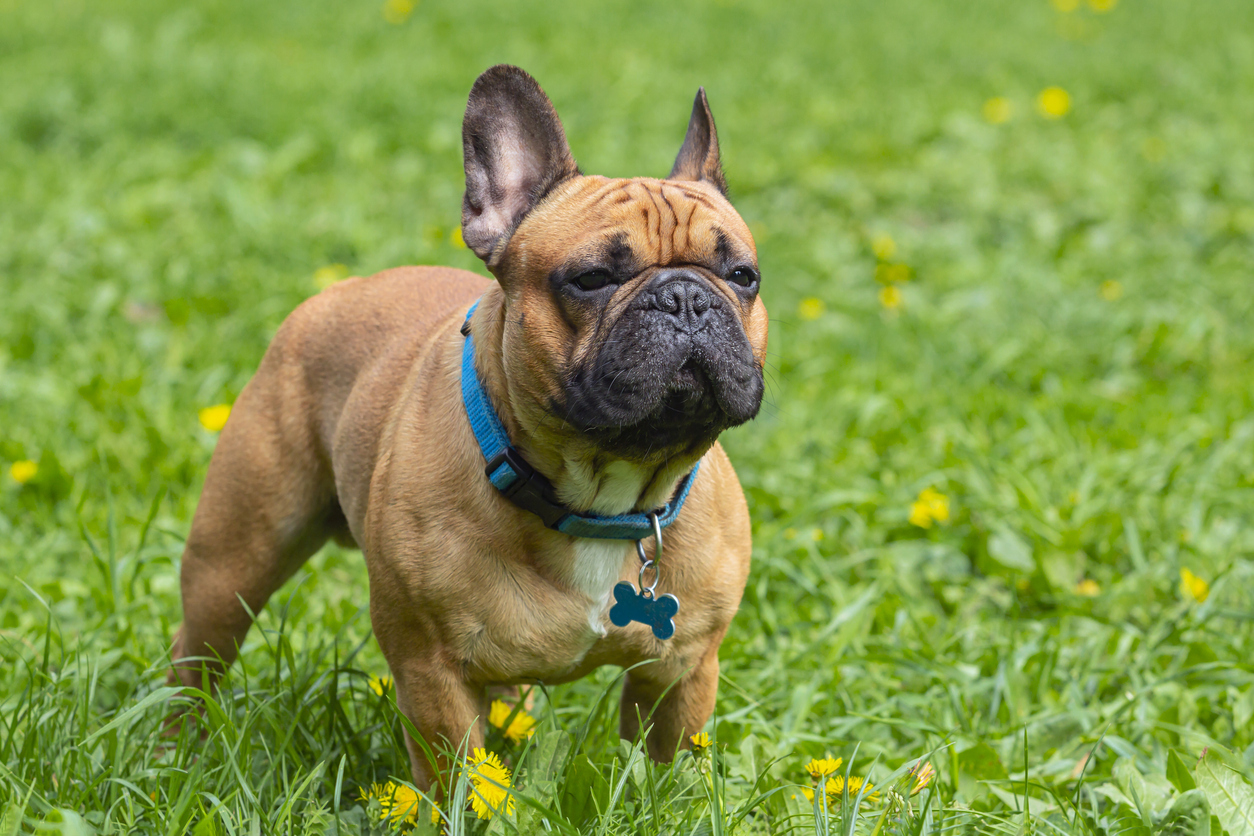
French bulldogs inherit compact bodies with fragile systems. Spinal malformations cause pain and paralysis. Breathing limitations mirror larger bulldog relatives. Skin folds trap infections easily. Veterinary care becomes multifaceted. Owners juggle specialists frequently throughout the dogs lives from puppyhood onward.
Imaging often reveals vertebral anomalies unexpectedly. Surgical correction carries neurological risks. Weight control and harness use help. Owners adapt homes and expectations. Breeding demand fuels continued propagation despite veterinary concern voiced repeatedly across clinics in recent years globally now still.
12. Chihuahuas hide complex neurological and dental pain.
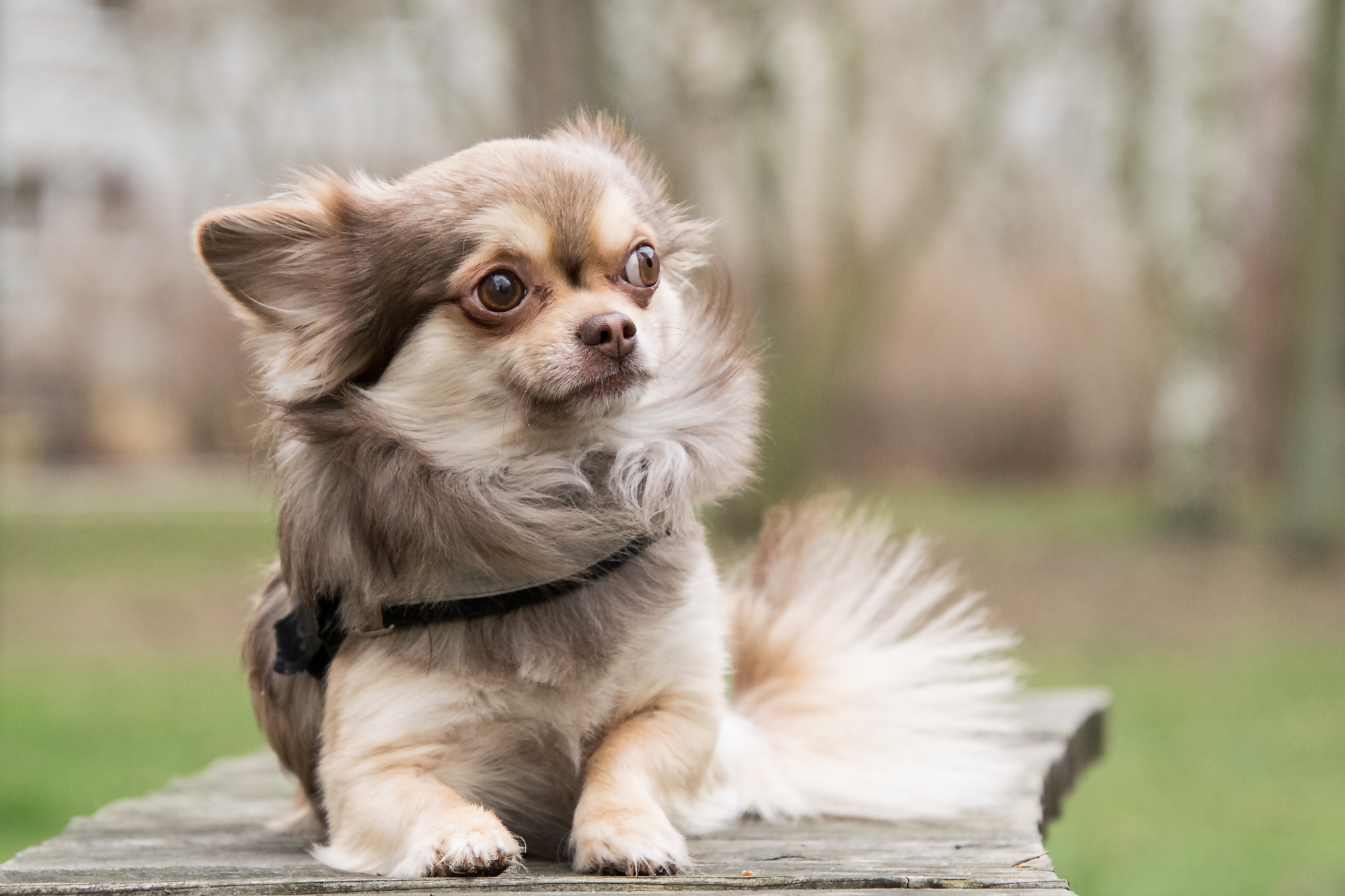
Small size does not spare chihuahuas genetically. Skull crowding can trigger syringomyelia pain. Teeth overcrowding leads to chronic infection. Owners notice shaking or sudden sensitivity. Veterinary dentistry becomes essential. Neurologic signs complicate care in aging toy dogs everywhere today worldwide.
Advanced imaging clarifies pain sources. Medication manages symptoms with variable success. Owners often underestimate seriousness initially. Education improves earlier intervention. Breeders now emphasize skull shape moderation to reduce suffering for future generations of small companions living closely with families indoors.