
Specific dogs shaped survival at critical moments.

History often credits human leaders and inventions, but overlooks the dogs whose labor stabilized fragile systems. Certain breeds and working dogs were not symbolic companions. They performed tasks humans could not, at moments when failure meant collapse. Trade routes, food security, warfare, law enforcement, and rescue all depended on canine capability. Remove these dogs and outcomes change fast. Borders weaken, supplies vanish, and communication fails. These animals were not background characters. They were structural supports. Their absence would not create small gaps in history. It would remove entire pillars holding it upright.
1. Molossian war dogs altered ancient military strategy.

Ancient armies faced chaos once formations broke. Molossian war dogs were deployed to disrupt enemy lines and guard camps at night, preventing surprise attacks. Without them, soldiers slept vulnerable and defenses thinned rapidly. Fear alone changed how opponents advanced, slowing assaults and altering outcomes.
Used by Greek and Roman forces, Molossians protected supply lines and enforced perimeter control. Their size and aggression reduced manpower needs. Warfare demanded more soldiers without them, increasing losses and weakening expansion efforts across contested regions.
2. Tibetan Mastiffs safeguarded Himalayan trade routes.

High altitude trade routes faced constant threats from bandits, predators, and isolation. Tibetan Mastiffs guarded caravans and encampments where human enforcement failed. Without them, merchants avoided routes, breaking economic links between regions.
These dogs worked independently in extreme cold, protecting goods and people overnight. Their presence stabilized commerce connecting Central Asia, China, and India. Trade depended on their deterrence, not treaties, in terrain where authority rarely reached.
3. Siberian Huskies maintained Arctic survival networks.

In polar regions, machinery failed and horses collapsed. Siberian Huskies pulled sleds carrying mail, medicine, and food across frozen distances. Entire settlements depended on reliable transport during winter isolation. Without dogs, communities were cut off completely.
During disease outbreaks and emergencies, sled teams delivered lifesaving supplies. Governance, communication, and survival hinged on canine endurance. Arctic development would have stalled without their ability to move through lethal conditions consistently.
4. Border Collies stabilized agricultural food systems.

Food security depends on control. Border Collies managed massive flocks with precision no human workforce could match. Without them, livestock losses rose, labor demands increased, and food production slowed dangerously.
Their intelligence reduced chaos across farmland in Britain and beyond. Efficient herding supported population growth and urbanization. Agricultural economies expanded because dogs enforced order daily, not because systems were inherently stable.
5. Bloodhounds enforced justice before forensic science.
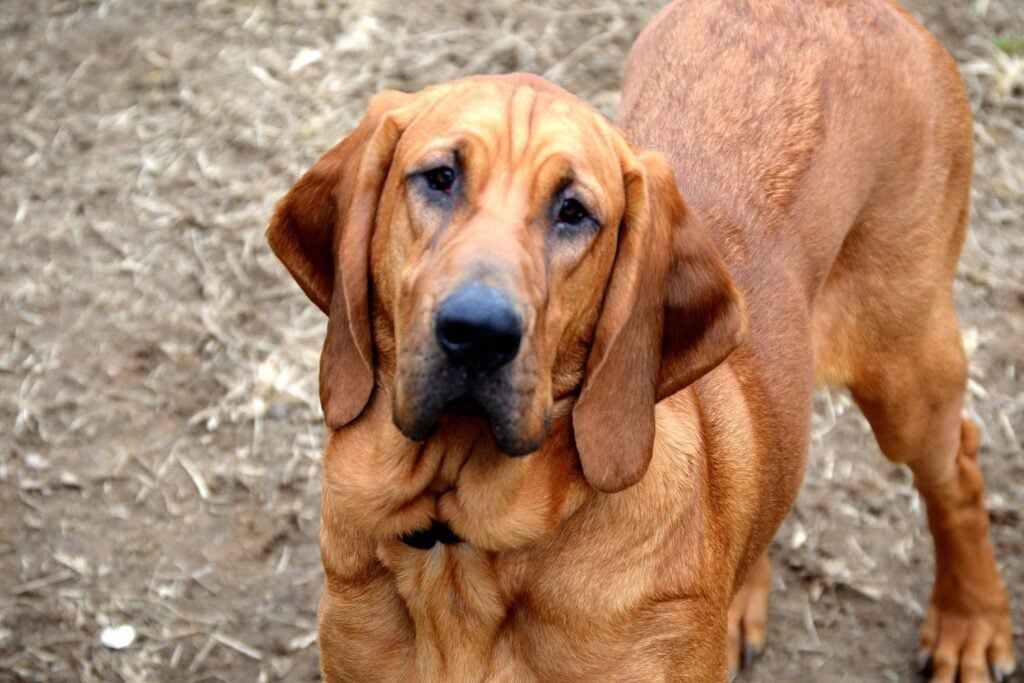
Before fingerprints and databases, tracking criminals was nearly impossible. Bloodhounds followed scent trails humans could not perceive. Without them, crime often went unpunished, weakening authority and social order.
Used across Europe, their reliability shaped early policing. Cases hinged on canine evidence when no alternatives existed. Justice systems functioned because dogs extended human capability far beyond visual proof.
6. Saint Bernards preserved mountain travel corridors.

Mountain passes were deadly barriers. Avalanches and exposure killed travelers without warning. Saint Bernards located survivors buried under snow when rescue windows were narrow. Without them, fatality rates soared.
Operating in the Alps, these dogs enabled safer crossings for trade and travel. Routes remained usable because rescue was possible. Entire regions stayed connected due to canine intervention in lethal environments.
7. Greyhounds supported survival based hunting cultures.
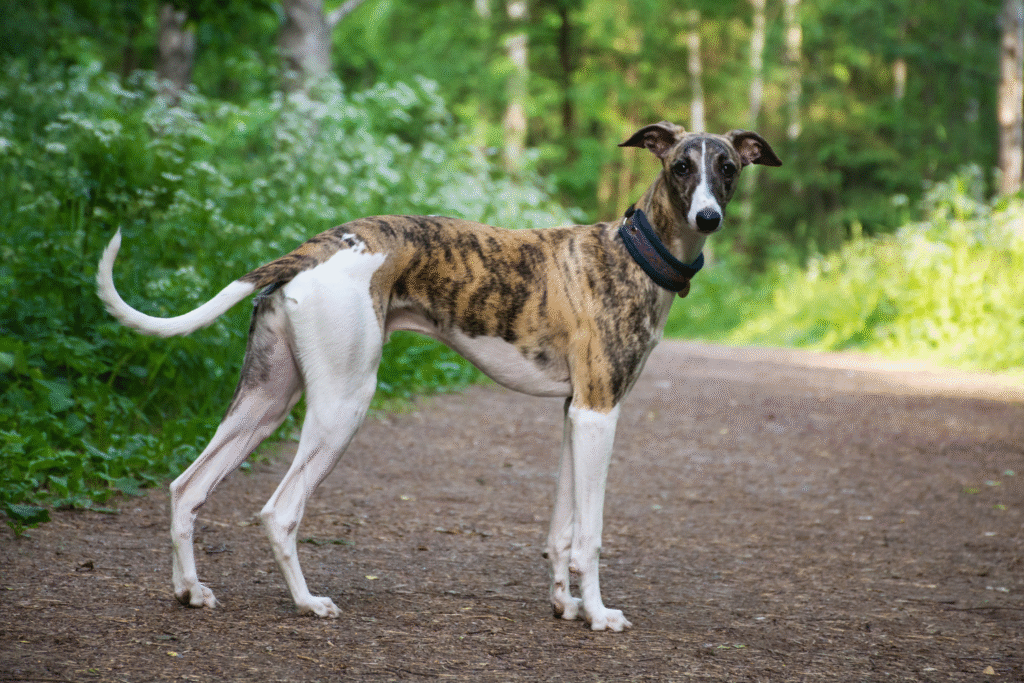
Early societies relied on hunting before agriculture stabilized diets. Greyhounds increased success rates dramatically by chasing and capturing fast game. Without them, food scarcity intensified and populations suffered.
Their speed turned uncertainty into reliability. Human expansion depended on consistent protein sources. These dogs were not luxuries. They were survival tools during fragile stages of development.
8. Dobermans protected infrastructure during industrial expansion.

Rapid industrial growth created vulnerable assets. Factories, rail yards, and warehouses lacked sufficient human security. Dobermans guarded sites where theft and sabotage threatened economic stability.
Their intelligence and deterrence reduced losses during expansion. Industrial systems matured under canine protection. Without dogs, security costs rose and infrastructure development slowed under constant threat.
9. Belgian Malinois sustain modern military effectiveness.

Modern combat still relies on dogs. Belgian Malinois detect explosives, track enemies, and protect units under fire. Without them, casualty rates increase and missions fail more often.
Their speed and adaptability outperform technology in unpredictable environments. Military operations depend on their sensory advantage. Contemporary history continues to lean on canine capability despite advanced weaponry.
10. German Shepherds anchor emergency response systems.

Disasters create chaos where time determines survival. German Shepherds locate trapped victims in collapses, fires, and earthquakes faster than equipment. Without them, rescue windows close before help arrives.
Their versatility supports police, military, and rescue operations worldwide. Emergency systems function because dogs bridge gaps humans cannot. Modern society remains resilient because these dogs respond when systems fracture.