
When instinct, stress, and context collide suddenly.

Dogs rarely act without reason, yet some reactions feel sudden because the warning signs are quiet, missed, or misunderstood. Behaviorists studying canine aggression often trace these moments back to genetics, early social gaps, pain, or environmental pressure. In clinics, shelters, and homes, patterns repeat across breeds and mixes. The danger is not evil intent but speed, when escalation outpaces human awareness. Understanding which dogs are more likely to flip without obvious cues helps owners manage risk with humility, preparation, and respect for what dogs are, not what we wish them to be.
1. Chow Chows often mask stress behind silence.

Chow Chows were bred for guarding and independence, which still shapes how they process threats today. They tend to internalize stress rather than broadcasting discomfort through growls or pacing. That silence can fool even attentive owners into thinking everything feels fine.
When pressure peaks, the response can be abrupt and intense, especially around strangers or handling. According to the American Veterinary Medical Association, chows are disproportionately represented in serious bite cases, often involving familiar people who misread calm as trust rather than restraint.
2. Akitas may escalate rapidly once boundaries feel crossed.
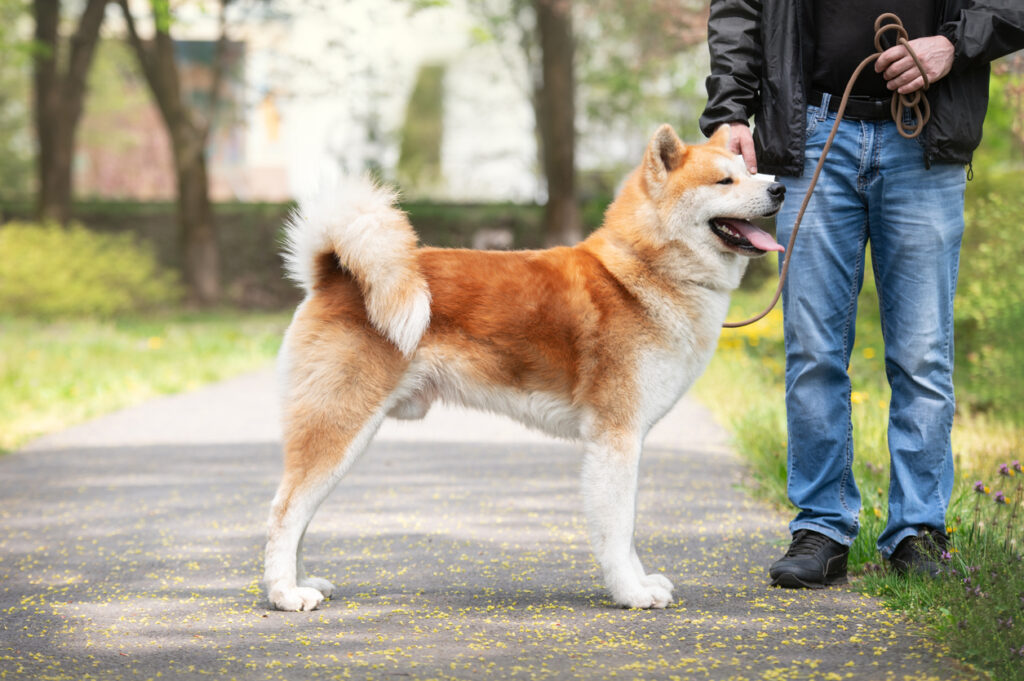
Akitas are deeply loyal but intensely territorial, with a long history as protectors in Japan. They often tolerate discomfort until a personal threshold is crossed, skipping gradual warnings many people expect. The shift can feel instantaneous.
This pattern appears frequently in behavioral case studies involving household visitors or other dogs. Bite severity, not frequency, raises concern. That risk profile was reported by the Centers for Disease Control and Prevention in analyses examining injuries linked to large guardian breeds.
3. Cocker Spaniels can react explosively to sudden handling.
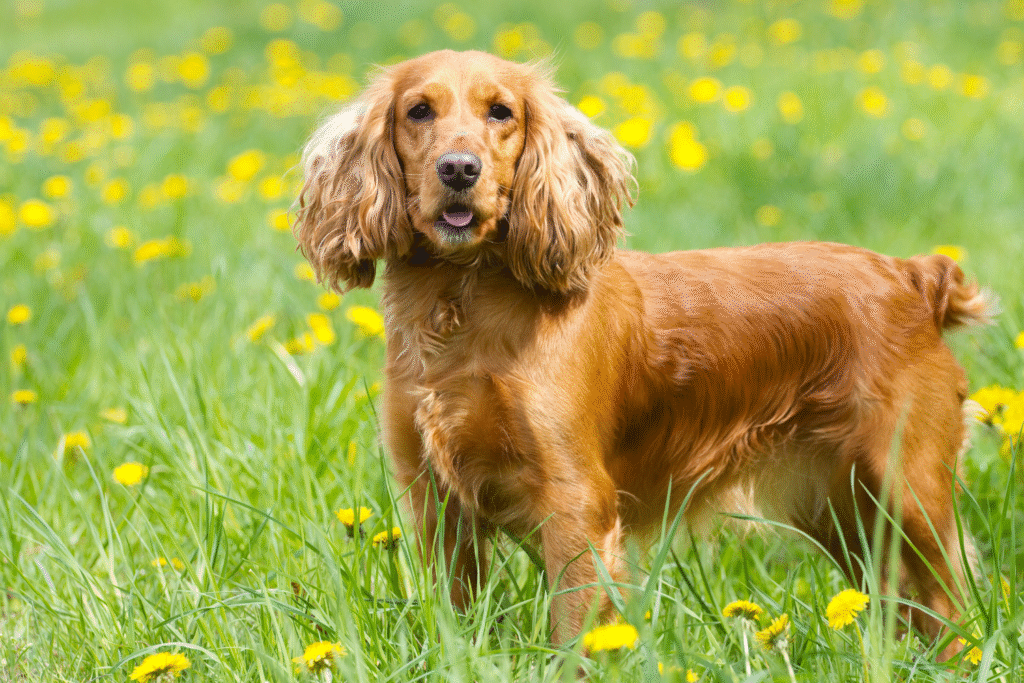
Cocker Spaniels carry a reputation for sweetness, yet behaviorists note a subset prone to sharp, defensive aggression. Poor breeding and chronic ear pain are common contributing factors, especially when discomfort goes unnoticed.
The change often occurs during grooming or restraint, surprising owners who see no buildup. Veterinary behavior literature has documented this phenomenon for decades. As stated by the Merck Veterinary Manual, pain related aggression in cockers can bypass typical warning behaviors entirely.
4. German Shepherds may switch when stress stacks quietly.

German Shepherds are sensitive, intelligent dogs who absorb environmental tension rapidly. Noise, chaotic households, or inconsistent training can accumulate stress without obvious signs. They often stay obedient right until they do not.
Behaviorists frequently observe sudden defensive aggression when shepherds feel trapped or over corrected. The dog is not unpredictable so much as overwhelmed. These incidents often occur in familiar settings, where owners assume trust replaces the need for continued structure and decompression.
5. Bull Terriers can fixate then react without pause.

Bull Terriers are known for intense focus and persistence. When arousal locks in, their ability to disengage drops sharply. The transition from play or alertness to aggression can be fast and physical.
Behavior specialists point to impulse control challenges rather than malice. Sudden reactions often follow overstimulation or frustration. Because early signals are subtle, owners may miss the moment to redirect. Once triggered, the behavior appears abrupt even though the internal buildup was already complete.
6. Dachshunds may bite quickly when feeling cornered.

Small size does not equal small reactions. Dachshunds were bred to confront prey underground, shaping a bold and defensive temperament. They often respond instantly when they feel restrained or threatened.
Children lifting them or adults ignoring avoidance cues can provoke quick bites. The speed surprises people who expect warnings from a small dog. Behaviorists emphasize that pain sensitivity and spinal issues can amplify these reactions, making sudden aggression more likely during everyday handling.
7. Rottweilers can escalate fast during perceived challenges.

Rottweilers are confident dogs with a strong sense of order. When they perceive a challenge to their authority or family, reactions can escalate rapidly. The shift often follows a single trigger.
Behavior evaluations frequently link these incidents to poor socialization or unclear leadership. The dog may appear relaxed moments before responding forcefully. Without clear boundaries and consistent training, stress builds internally. When release comes, it looks sudden, though the dog has already decided action is necessary.
8. Siberian Huskies may redirect aggression unexpectedly.
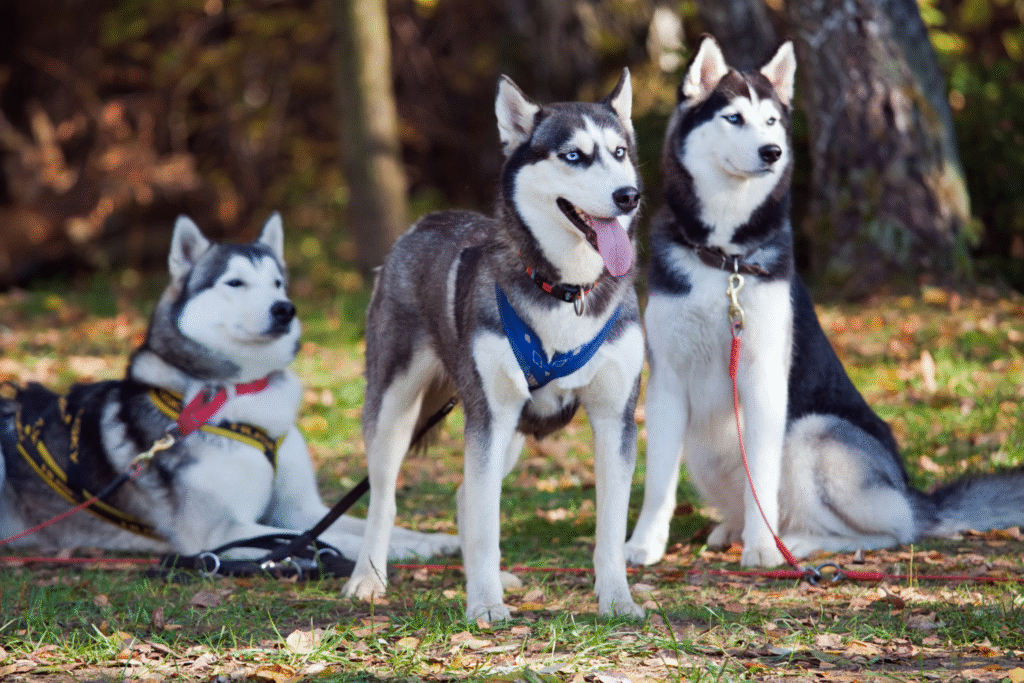
Huskies are social yet highly aroused dogs with strong prey drive. When excitement spikes, frustration can spill sideways toward people or other animals nearby. The redirection feels immediate.
Behaviorists often see this during restraint, leash tangles, or interrupted play. The dog is not targeting intentionally but reacting to blocked motion. Because huskies vocalize and play roughly, owners sometimes miss the line where stimulation tips into aggression without a gradual slowdown.
9. Belgian Malinois can react instantly under pressure.

Belgian Malinois are bred for rapid response work, not hesitation. Their nervous systems fire fast, which makes them exceptional working dogs but risky in unstructured homes. Stress can trigger immediate action.
Behaviorists describe aggression emerging during confinement, rough handling, or chaotic environments. Warning signs may exist but pass quickly. Without constant mental outlets and skilled handling, pressure accumulates. When release happens, the behavior appears sudden, precise, and difficult to interrupt once underway.
10. Jack Russell Terriers may snap during overstimulation.

Jack Russell Terriers are energetic and relentless, with low tolerance for restraint. High arousal can flip into defensive behavior quickly, especially when play turns physical.
Behavior consultations often involve bites during excitement rather than fear. The dog shifts from engagement to reaction in seconds. Because their size downplays perceived risk, early warning signs are ignored. Over time, repeated overstimulation trains the dog that snapping ends unwanted contact immediately.