
Appetite shifts often signal deeper biological changes.

Dogs do not eat based on habit alone. Appetite reflects biology emotion environment and memory all working together. A meal refused today may connect to something that happened yesterday or even minutes earlier. Understanding why food suddenly loses appeal helps owners recognize normal shifts versus early warning signs tied to health stress or sensory overload inside everyday homes.
1. Scent perception changes faster than taste preferences.
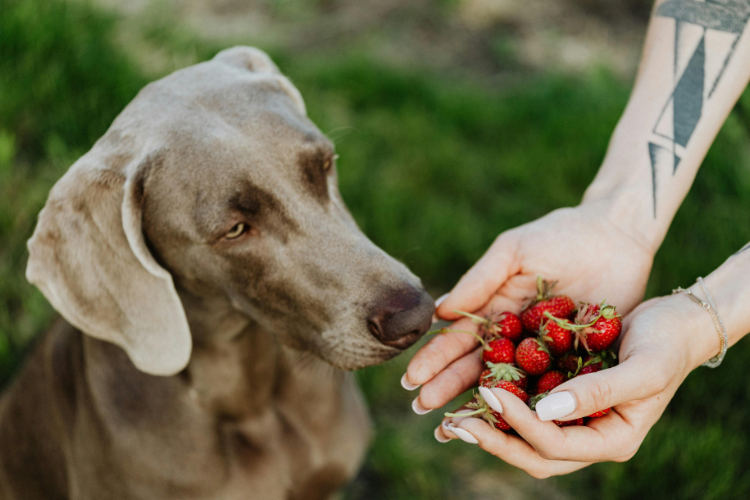
Dogs experience food primarily through smell not flavor. Minor changes in fat oxidation storage temperature or packaging can alter aroma enough to trigger rejection even when ingredients remain identical in the same kitchen bowl.
Canine olfactory neurons refresh rapidly and become sensitive to subtle differences. According to the American Kennel Club dogs can detect scent degradation humans cannot perceive which explains sudden refusal of previously favored meals.
2. Nausea links foods to negative memory rapidly.

Dogs form strong associations between taste and physical sensation. A single episode of nausea can permanently alter perception of a food consumed shortly before discomfort begins even if illness originated elsewhere in the body.
This protective mechanism prevents repeated poisoning. As stated by VCA Animal Hospitals conditioned food aversion can occur after gastrointestinal upset anesthesia or medication side effects and may last weeks or longer without retraining.
3. Stress suppresses appetite before behavior changes appear.

Stress hormones directly affect hunger centers in the brain. Changes like visitors loud noises schedule disruptions or nearby construction elevate cortisol which reduces appetite even in otherwise confident dogs.
Dogs often eat less before showing visible anxiety. According to the American Veterinary Medical Association appetite suppression is an early indicator of stress related physiological change rather than stubbornness or food boredom.
4. Pain alters feeding posture and motivation subtly.

Dental pain neck stiffness or abdominal discomfort make eating physically unpleasant. Dogs may approach food then withdraw or eat selectively avoiding harder textures or deeper bowls.
Pain often hides behind normal behavior. A dog refusing food but still drinking may signal discomfort rather than disinterest. Subtle posture shifts during meals offer important clues owners often miss initially.
5. Environmental cues influence appetite more than expected.

Dogs link food to place time and routine. Eating in a new room or at a different hour can reduce appetite temporarily. Even moving the bowl a few feet can disrupt expectation patterns.
Predictability supports eating behavior. When surroundings change dogs pause to reassess safety before consuming resources. This hesitation looks like refusal but often resolves once routine stabilizes again.
6. Hormonal fluctuations affect hunger signals differently.

Growth adolescence aging and reproductive status influence appetite through metabolic hormones. Dogs may suddenly eat less during growth plate closure seasonal changes or recovery from illness.
These shifts happen quietly. Hunger cues weaken temporarily without illness present. Appetite usually returns once hormonal balance stabilizes but monitoring duration and weight change remains important.
7. Learned attention behaviors can interrupt eating cycles.

Some dogs learn that refusing food triggers added toppers attention or alternatives. This reinforces hesitation rather than preference. Over time dogs pause automatically waiting for better options.
This pattern forms unintentionally. The dog is not manipulating but responding to learned reward timing. Consistency restores normal appetite once expectations reset calmly without pressure.
8. Gut microbiome shifts influence food tolerance.
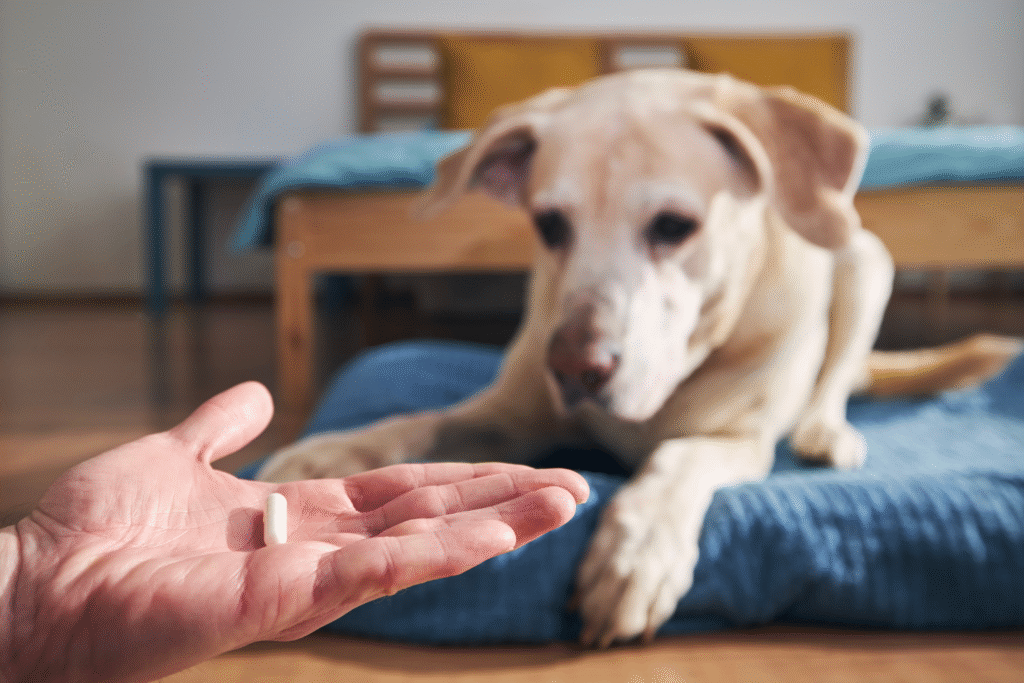
Antibiotics stress or dietary changes alter gut bacteria populations. These microbes influence digestion comfort and hunger signaling. A food once tolerated may now cause mild discomfort.
Dogs sense internal imbalance quickly. Refusal protects against repeated digestive strain. Gradual reintroduction or digestive support often restores interest once microbial balance improves again.
9. Aging changes sensory processing and digestion.
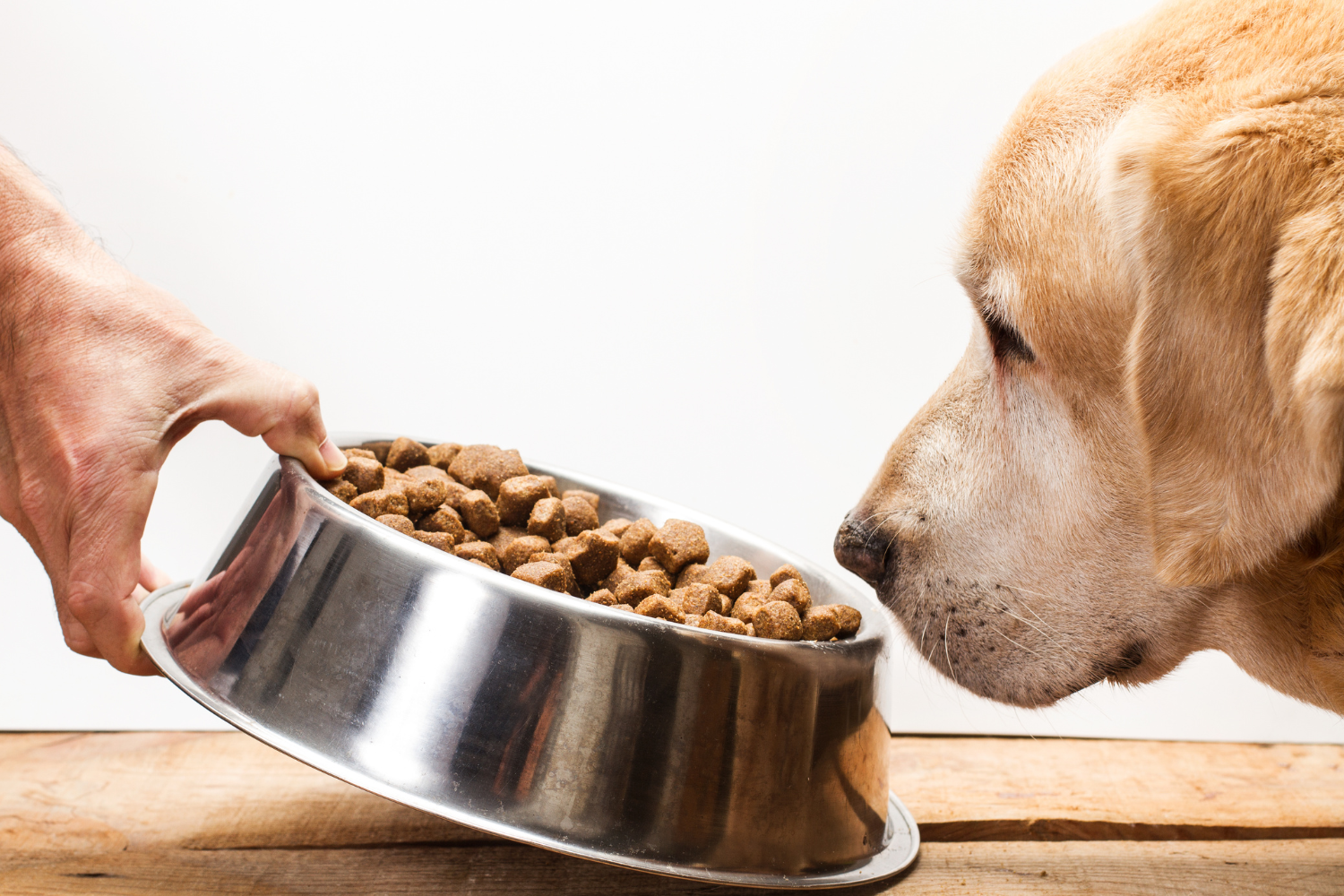
As dogs age smell sensitivity and digestive efficiency decline. Foods once exciting may no longer stimulate interest or may feel heavier after eating.
Senior dogs often prefer warmer softer meals. Appetite shifts reflect comfort not preference loss. Adjusting texture temperature and timing often improves intake without changing nutrition quality.
10. Illness can appear before obvious clinical signs.

Loss of appetite frequently precedes visible symptoms. Infections organ dysfunction or metabolic disease often first disrupt hunger signals before behavior energy or mobility changes.
A sudden refusal lasting more than forty eight hours warrants attention. Early veterinary evaluation catches issues sooner when treatment is simpler and outcomes are better for long term health.