
Some dogs guard intensely when instincts activate.

Territorial behavior often appears the moment unfamiliar people walk through the door, and certain breeds respond with startling speed. Their reactions reflect genetics, early experiences, environment and the way they interpret body language. Owners across busy cities and quiet rural houses describe the same pattern: one shift in posture, a stare that sharpens, and a dog stepping into guard mode. Understanding these responses gives the behavior context and helps explain why some dogs react so quickly to unexpected visitors.
1. German Shepherds respond instantly when boundaries feel uncertain.
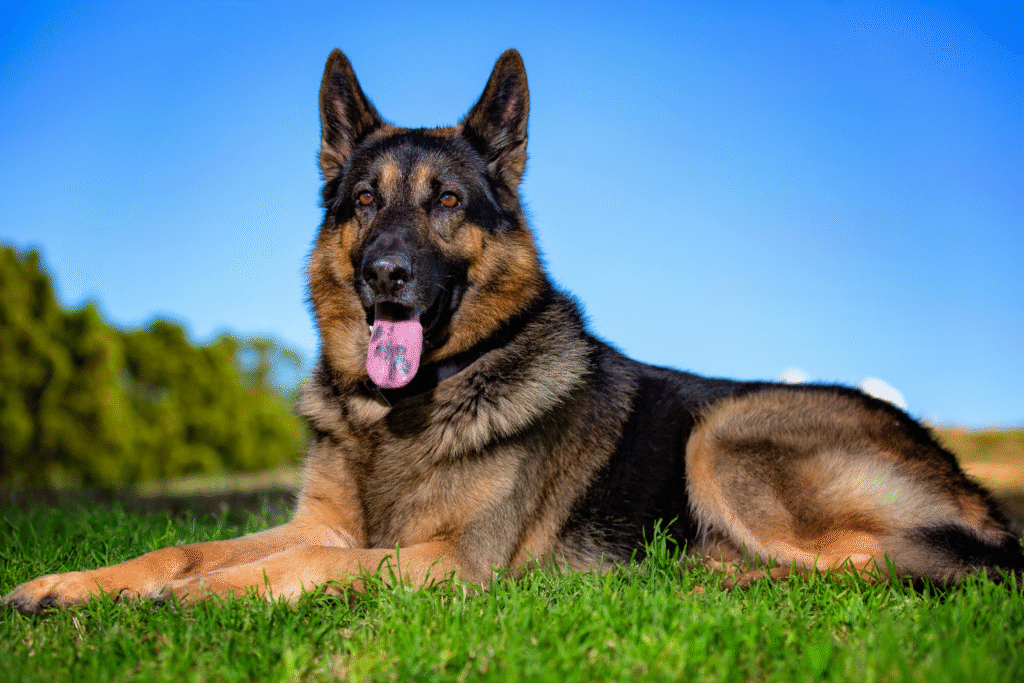
German Shepherds carry a long history of guarding and tracking work, and those instincts sharpen the second a stranger enters familiar territory. Trainers studying household introductions describe how the dog stiffens before making a sound, as stated by the American Kennel Club. That stillness often startles visitors more than barking.
The dog is analyzing movement, tone and energy. Once the alert response begins, the Shepherd positions its body between family and visitor, showing a controlled yet intense readiness. Their territorial instinct is not random but a product of generations of selection for protective roles.
2. Rottweilers shift into defense mode with striking precision.
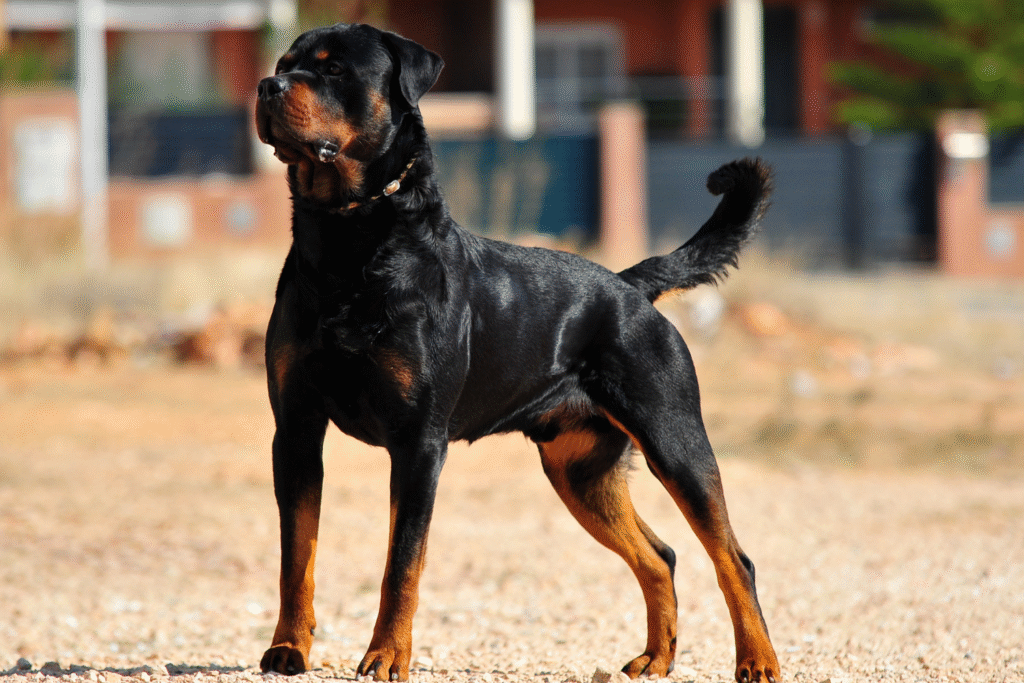
Rottweilers trace their lineage to Roman drover dogs, and their approach to strangers remains shaped by that past. Behavior specialists analyzing territorial reactions have documented how Rottweilers rely heavily on physical presence according to PetMD, stepping into a decisive stance before vocalizing. The transition happens within seconds.
Visitors often feel the firmness of that stance immediately. Once a Rottweiler establishes itself at the threshold, it tracks every motion from the unfamiliar person. The dog remains focused until tension in the environment settles. Their territorial reaction is calculated, not chaotic.
3. Dobermans detect tension and adjust rapidly when guests arrive.

Dobermans developed as personal protection dogs in Germany, and their ability to size up a stranger is still remarkably fast. Observers in controlled training sessions note that Dobermans scan posture and micro movements, as reported by VCA Animal Hospitals. Their reaction gains intensity when someone approaches with uncertain or abrupt gestures.
The moment their attention locks, the atmosphere shifts. Dobermans tighten their posture and narrow the gap between themselves and their family. Even without barking, their vigilance is unmistakable, and guests often feel the change immediately.
4. Akitas guard silently until their threshold is crossed.
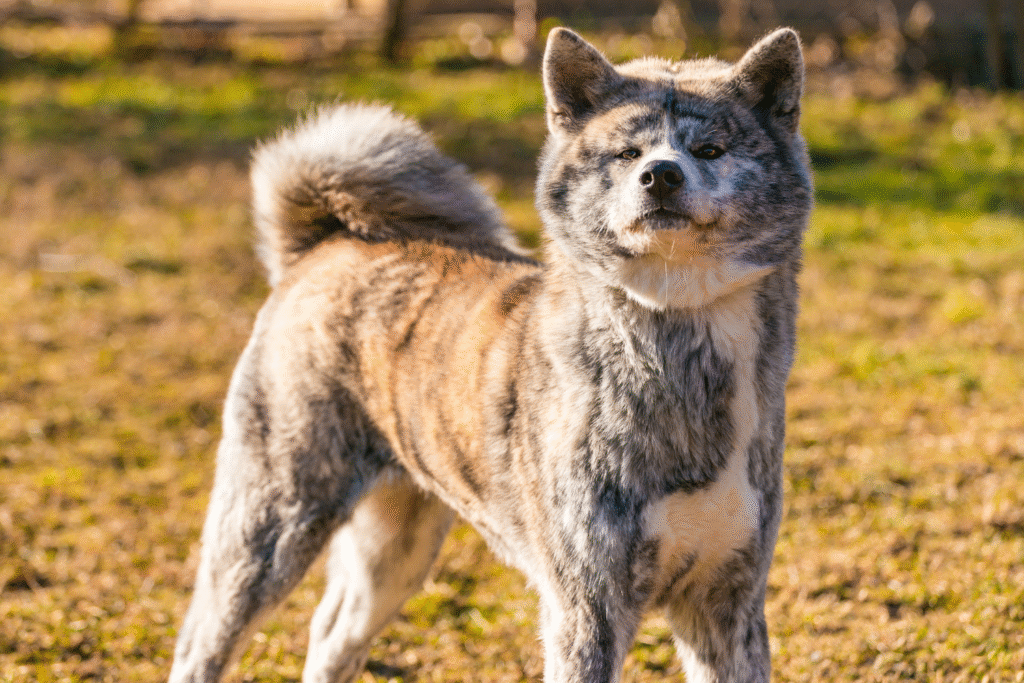
Akitas have a long history in Japan as hunters and guardians, and they typically meet newcomers with steady, focused observation. Their territorial response is subtle at first, appearing in the way they shift their weight or track a visitor’s every step without blinking.
Once they decide a boundary has been violated, their response escalates quickly. A forward step or deep vocalization replaces the earlier stillness. Their protective instinct rises sharply when they sense unpredictability or pressure, and visitors often misread the quiet analysis as friendliness.
5. Rescue dogs may react quickly due to past environments.

Many rescue dogs lived in places where guarding their food, sleeping area or territory meant survival. Those early experiences shape how they interpret new homes. A sudden knock or unexpected movement from a visitor can trigger an instinctive defensive reaction before they fully understand they are safe.
As they settle into predictable routines, most rescues soften over time. Still, unfamiliar people entering the home can stir memories of earlier stress. Their reactions often improve with slow introductions, structured spaces and patient guidance, giving their nervous system room to relearn safety.
6. Anatolian Shepherds defend space with deep rooted purpose.

Anatolian Shepherds emerged in rural Turkey where they protected livestock from wolves and thieves. Their modern instincts mirror those working origins. When someone unfamiliar enters the property, the dog swivels into position instantly, ready to assess threat without waiting for cues from the owner.
Their alertness is intense but deliberate. They study posture, pace and tone before deciding how to react. Visitors often sense the dog’s scrutiny immediately, especially when the Anatolian shifts to block movement through hallways or doorways.
7. Belgian Malinois respond the moment they sense unstable movement.

Belgian Malinois excel in military and police fields because they process information with remarkable speed. In homes, that same sensitivity means they notice subtle shifts in visitor behavior long before anyone else does. The dog tightens its frame and locks its gaze almost instantly.
Their territorial response is rooted in rapid evaluation. A Malinois may not bark at first but instead positions itself strategically, preparing for any possibility. Their fast mental calculations make them both impressive and intimidating during unexpected arrivals.
8. Bullmastiffs rely on silent physical blocking when guarding.

Bullmastiffs historically guarded English estates, and they still prefer to intervene by stepping directly into a visitor’s path. Many owners report the dog quietly moving between family and guest before the visitor even realizes the shift has occurred.
That silent barrier is intentional. Bullmastiffs decide quickly whether the situation feels safe, and their imposing size amplifies the effect. If movement becomes unpredictable, they deepen their stance and may use a soft bark. Their presence communicates the warning long before sound does.
9. Chow Chows establish fast protective boundaries around their home.

Chow Chows tend to bond deeply with a small group of people, which makes them cautious with outsiders. When a visitor steps inside, the Chow’s demeanor tightens. Their upright posture and steady gaze create a sharp territorial impression.
Their reactions come from an instinct to guard defined spaces. Once the dog decides the visitor is not fully trusted, it maintains distance while enforcing its sense of control. Their independent nature means they form opinions quickly, and the reaction often surprises those who expect a gentler greeting.
10. Cane Corsos shift into protective readiness when sensing intrusion.

Cane Corsos come from ancient Roman guarding lines, and their instincts remain strong. When a visitor arrives, the dog scans voice, movement and intent before adjusting its stance. The shift happens within seconds and creates a commanding presence in the room.
Their focus rarely wavers until they feel reassured. Corsos track visitors with deliberate eye contact, holding the space with confidence. If someone moves too quickly or unpredictably, the dog reinforces its boundary by stepping forward or lowering its head slightly.
11. Australian Cattle Dogs protect their people with sudden intensity.
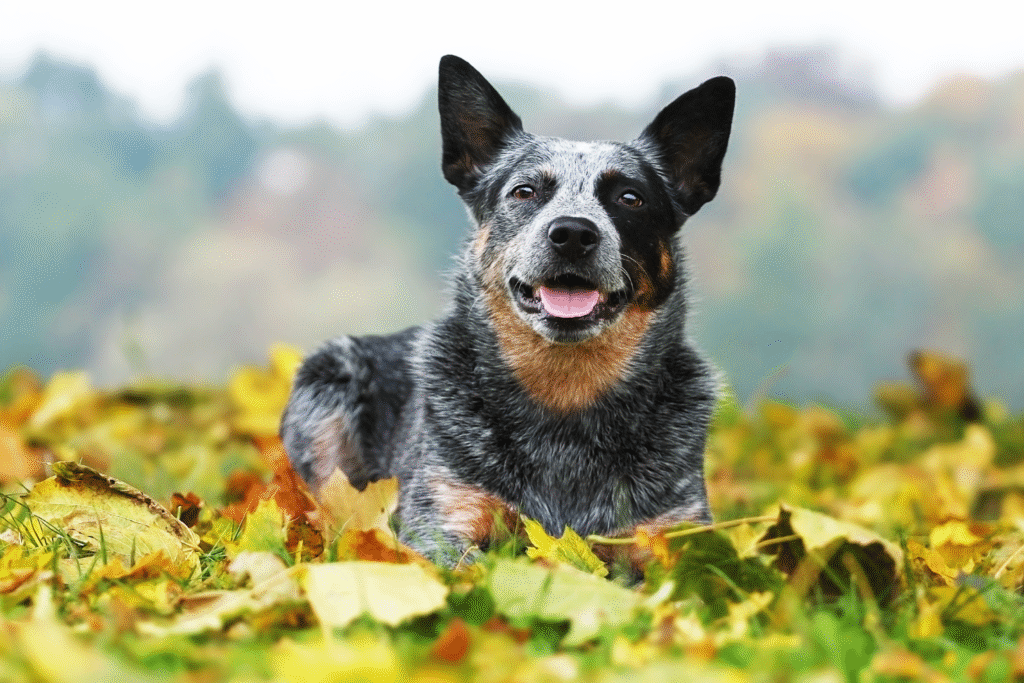
Although smaller than traditional guardians, Australian Cattle Dogs show surprisingly fast territorial reactions. Their herding background makes them sensitive to movement, and an unfamiliar person stepping inside often triggers immediate alertness.
They may pace, bark or circle to control the environment. Visitors sometimes feel overwhelmed by the dog’s fast energy. This reaction stems from instinctive responsibility for managing space and keeping the group safe. Structure and early introductions reduce the intensity, but the core instinct remains present.
12. Giant Schnauzers enforce boundaries with decisive confidence.
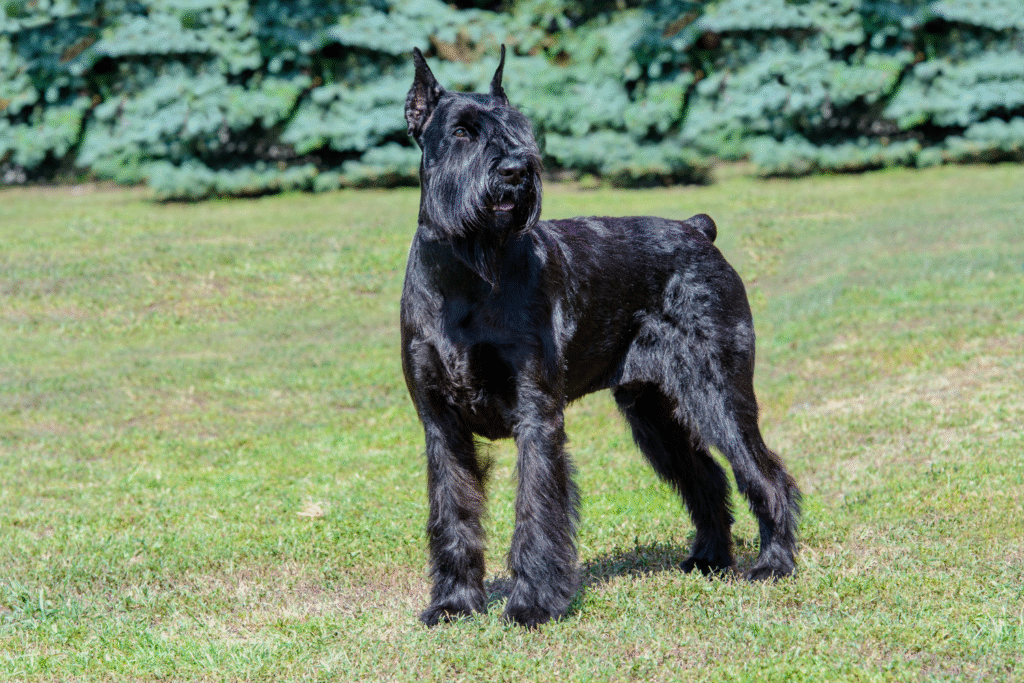
Giant Schnauzers were bred in Germany for farm and property protection, and their territorial response activates quickly. The moment someone unfamiliar enters, they evaluate posture and direction with remarkable focus. Their reactions are firm, controlled and immediate.
Many owners notice the dog scanning every corner of the entryway before accepting the newcomer’s presence. The territorial impulse is not aggression but vigilance rooted in working genetics. Their strong sense of duty makes them one of the fastest breeds to shift into guarding behavior when visitors arrive.