

New discoveries show the glacier’s collapse accelerating.
The alarms over Thwaites Glacier keep getting louder, and scientists in Antarctica say the timeline they once thought they had is shrinking fast. The glacier is responding to warming oceans in ways that are catching even veteran researchers off guard. Every new sonar scan or under-ice drone pass reveals another crack, another retreat, another sign that one of Earth’s largest ice bodies is shifting faster than anyone expected.
1. New ocean maps revealed deeper channels under Thwaites.
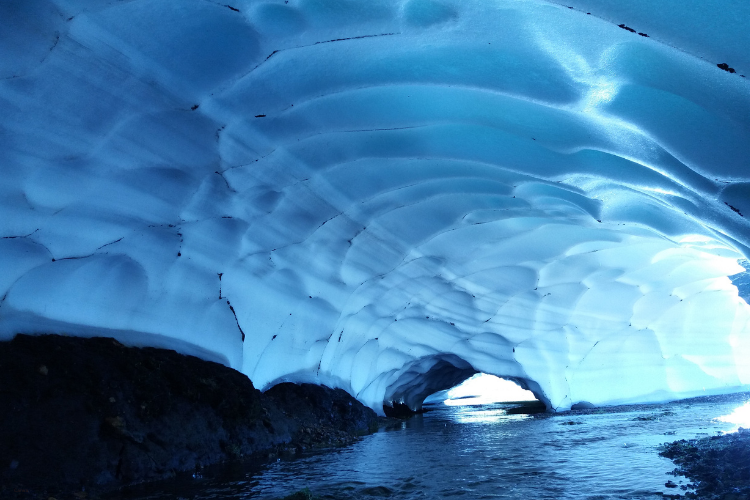
Researchers aboard the RV Nathaniel B Palmer used under ice sonar to map hidden pathways that let warm water surge farther beneath the glacier than earlier models assumed. That warm water now reaches structural zones previously thought protected, as reported by the British Antarctic Survey.
Those deeper channels explain why the grounding line is retreating faster each season. With the ocean finding new routes inward, the glacier’s internal support continues to unravel in ways that reshape collapse forecasts.
2. Collapse models were revised after alarming ice shelf thinning.
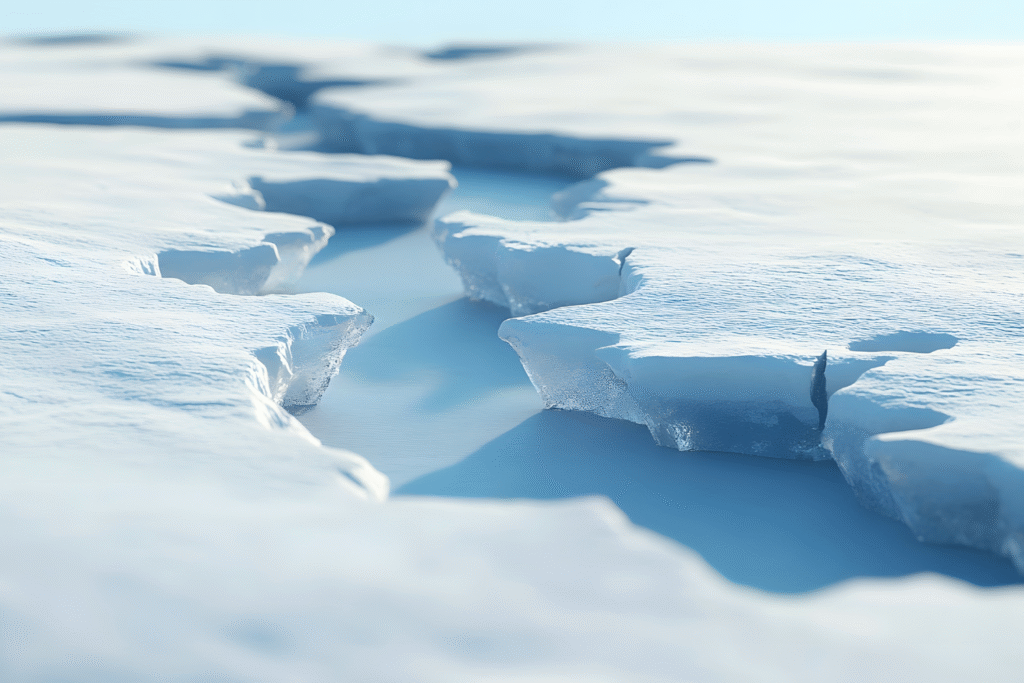
Teams comparing 2010 and 2024 satellite altimetry noticed the floating ice shelf thinning at a pace that forced modelers to update instability predictions. That comparison, according to NASA Earth Observatory, showed thinning not only near the front but also far inland.
The new numbers revealed how the shelf is losing its ability to brace the inland ice. Without that stabilizing barrier, the main trunk of Thwaites faces stronger seaward acceleration than scientists had prepared for in earlier climate scenarios.
3. Under ice crevasses expanded faster than field teams expected.
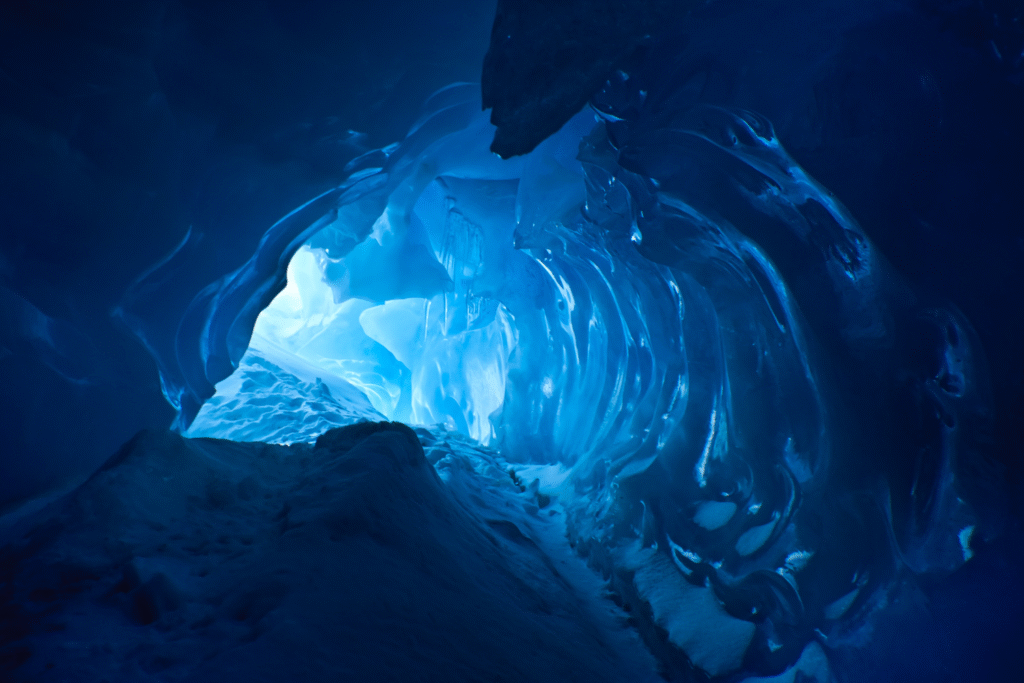
Drill teams working on the eastern shear margin documented crevasses widening over a single field season. The observation was later supported by airborne radar surveys, as stated by the National Science Foundation.
Those crevasses matter because they fracture the ice shelf’s spine. When the supporting lattice weakens this quickly, the glacier can lose structural integrity in unpredictable surges. Field crews say the widening is consistent with increased flexing driven by warm water intrusion.
4. Melt driven currents began carving new interior cavities.
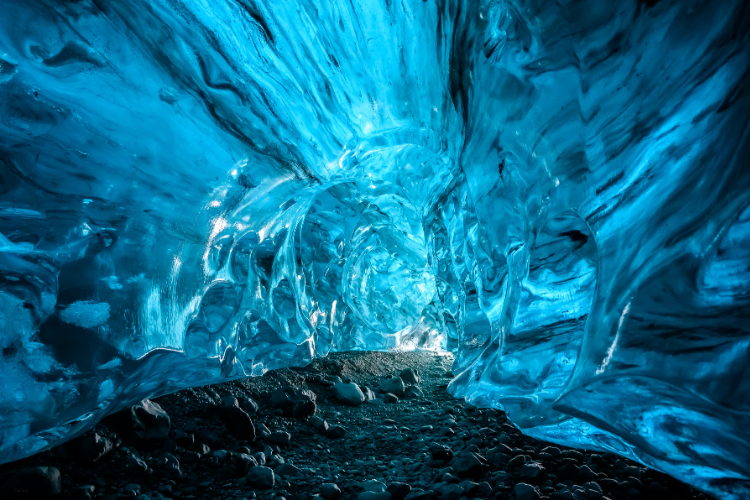
Ocean sensors beneath the ice recorded stronger currents this year, and those faster flows have hollowed out pockets within the glacier’s base. These cavities act like pressure points that expand into larger voids. Once a cavity grows wide enough, the ice above can sag, fracture and break loose. Researchers in West Antarctica say these changes happen quietly at first, then suddenly transform into large-scale failures seen from space.
The concern is how quickly these internal pockets connect. When one cavity links to another, the entire underbelly can destabilize. This chain reaction can bring the grounding line to retreat more rapidly, accelerating the timeline for major ice loss. Teams monitoring the region note that similar patterns preceded past collapses of smaller Antarctic glaciers.
5. The grounding line jumped inland far more than forecast.
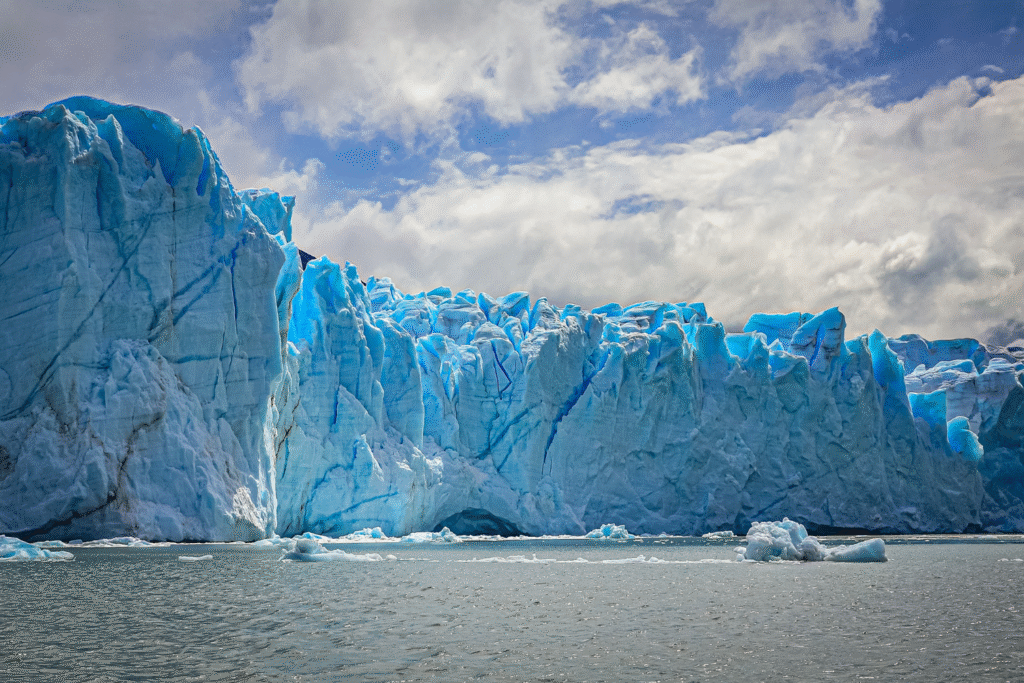
This season’s radar transects showed the grounding line moving miles farther inland than expected. The grounding line is simply the place where the glacier stops resting on solid ground and begins to float, and it acts like an anchor that slows its movement. Losing that anchor earlier in the year surprised researchers who had believed the region stable enough to resist rapid change.
Once the ice lifts from the bed, it behaves more like a floating shelf than a land supported sheet. Without that friction, the glacier can accelerate toward the sea and thin at a faster rate. As more of the base rises, warm ocean water reaches areas that were once protected, and that added heat drives melt deeper into the glacier. Scientists studying Thwaites say this shift marks one of the clearest signs that the system is becoming increasingly unstable.
6. Ice flow speeds increased enough to surprise field monitors.
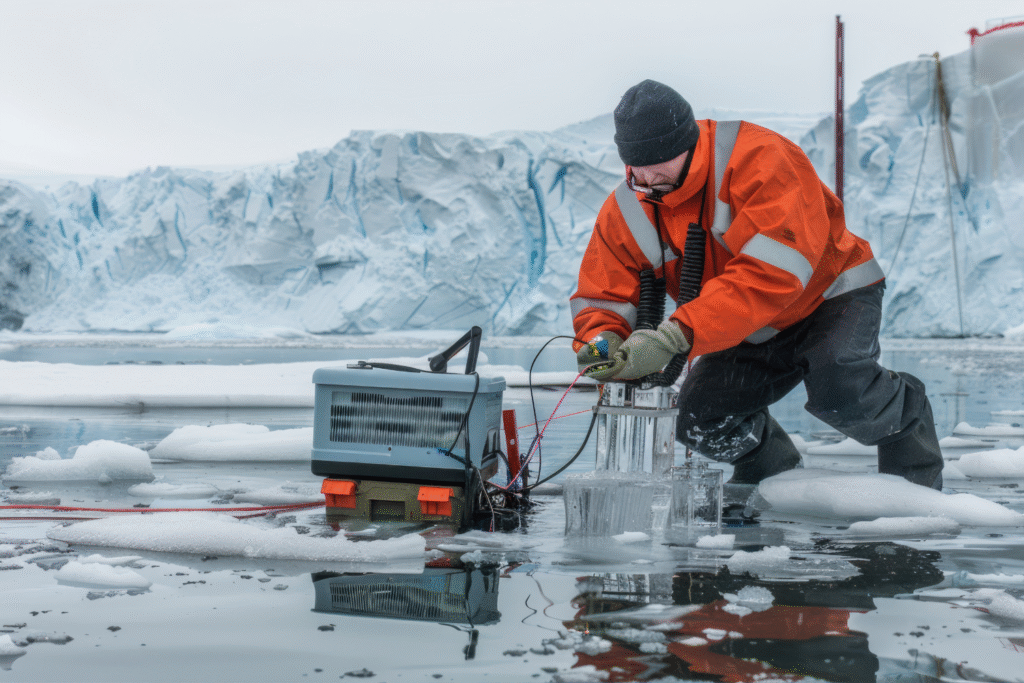
GPS stations installed along the main trunk registered a measurable uptick in velocity over just a few months. These changes were not subtle, and several sensors had to be reset as the fast moving ice warped their frames. Teams stationed near Thwaites say the acceleration is consistent with a system that is losing back pressure.
When the glacier begins sliding more easily, it pulls inland ice along with it. This tug reshapes the stress pattern across the sheet. Higher speeds also mean new crevasses form faster than crews can map them, adding more instability to the already stressed region.
7. Warm water pulses reached areas once thought insulated.
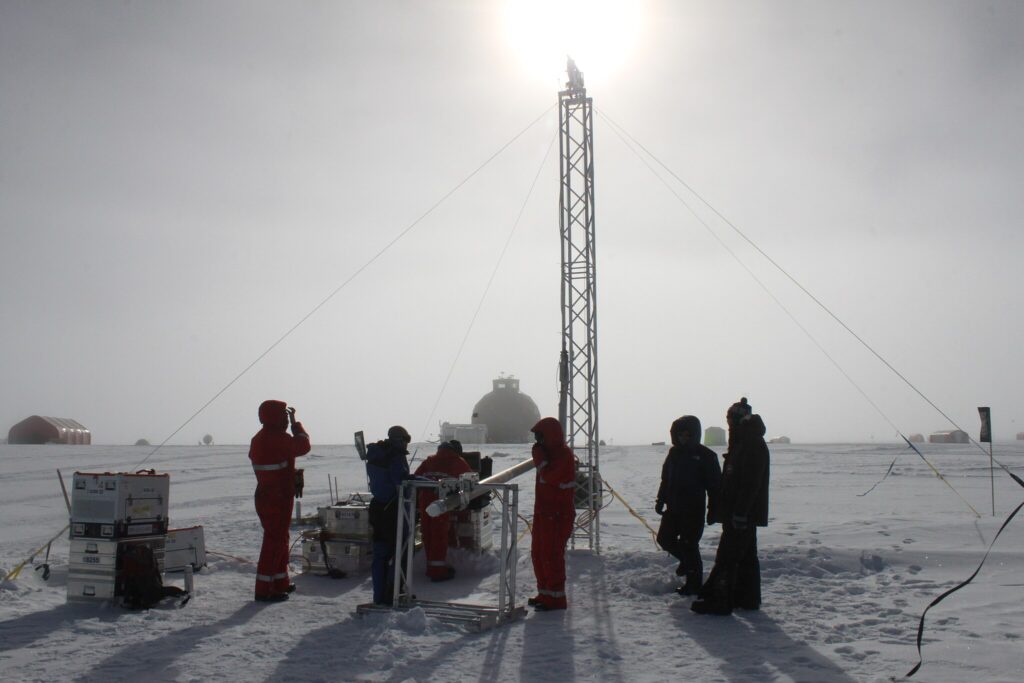
Temperature loggers inside boreholes showed pulses of warm water moving into narrow fractures. These pulses arrived through tides and shifting circulation patterns. Previously, scientists believed those areas were shielded by thick overlying ice, but the sensors captured sustained warming events that defied expectations.
Once warm water reaches fractures, it can wedge them open from below. This allows additional ocean heat to move deeper toward the glacier’s interior. Each pulse acts like a reminder that the ocean is now dictating the rhythm of melt more than the atmosphere above.
8. Structural failures on the ice shelf spread unpredictably.

Satellite imagery from early winter revealed several surprise calving events. The break points were not where models said they should be. Instead, fractures appeared in newer zones, hinting that hidden weaknesses were spreading. These unexpected losses suggest the shelf is reorganizing under stress.
When structural failures migrate, scientists have to rethink how the shelf transmits pressure. Once a new failure zone forms, it can redirect stresses inland and weaken the attachment points holding the glacier together. Teams say these shifting break patterns signal deeper system wide instability.
9. Internal meltwater is moving through the glacier faster.
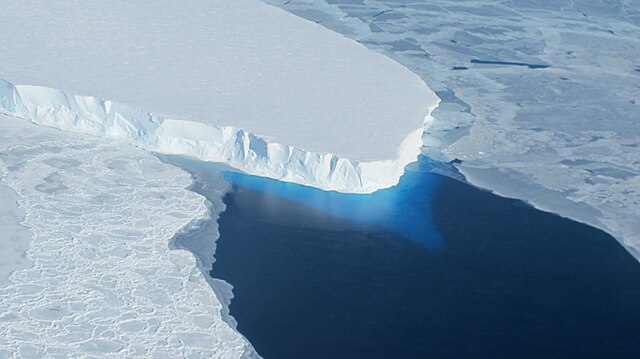
Sensors placed in known meltwater channels detected increased flow rates throughout the summer. That water, warmed by friction and ocean contact, snakes through the glacier in unpredictable routes. As it moves, it widens the channels and lubricates the ice base.
The faster that meltwater moves, the more efficiently it erodes the glacier from within. These channels can act like highways that drain pockets of pressure. But once they widen too much, they undermine buttressing zones and accelerate inland thinning.
10. Once stable ridges are no longer holding the ice back.
Seafloor ridges that once braced the glacier were mapped at lower effective heights this season because the ice above them has thinned. These ridges had been a final line of resistance, slowing the retreat. Without their full support, Thwaites is now sitting in a configuration that favors rapid loss.
As those natural anchors lose influence, the glacier becomes more responsive to warm water surges. Researchers say this combination of thinning, faster flow and weakened stabilizers creates the exact sequence that precedes irreversible retreat.