
For most of our history, we were not the hunters.
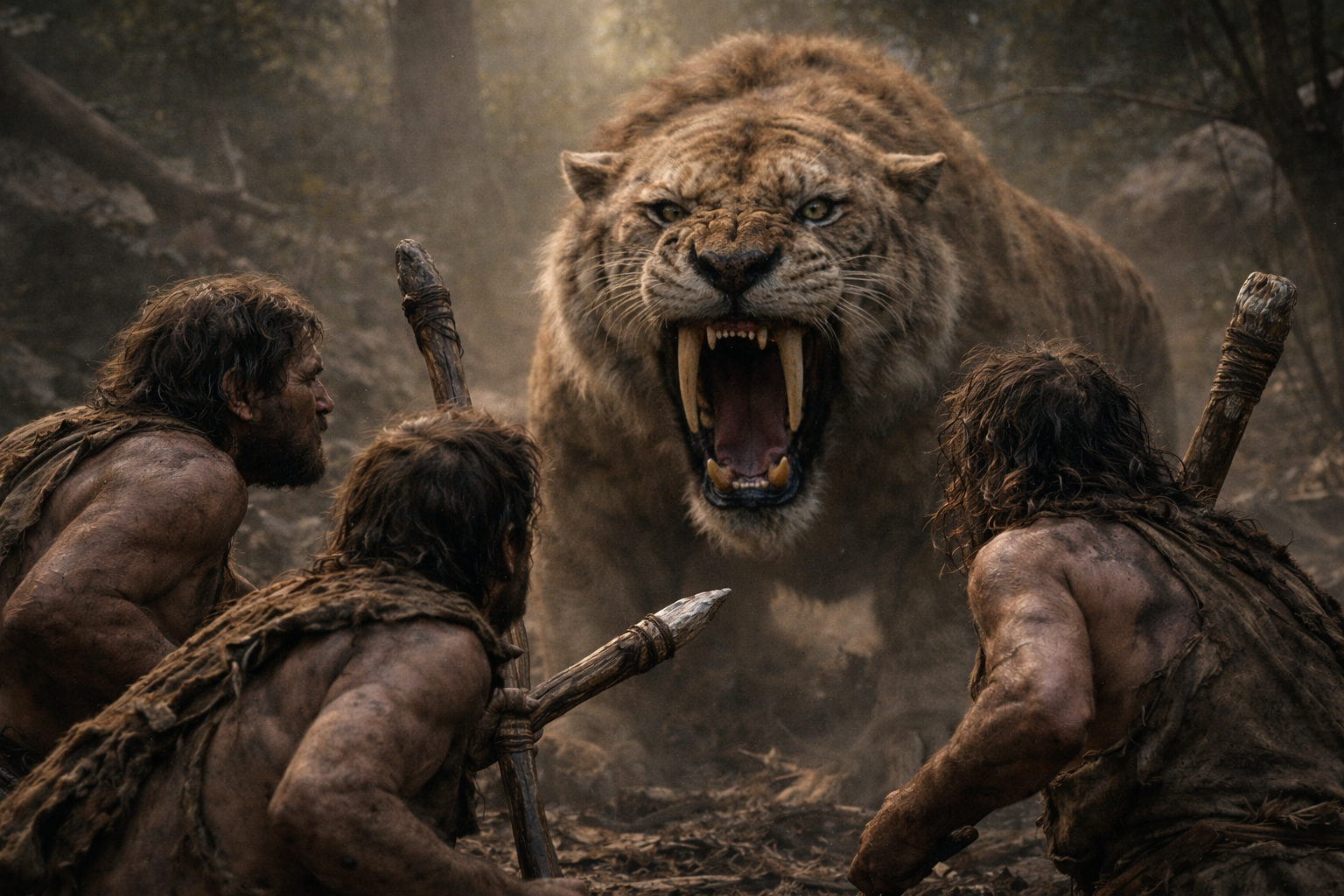
It is tempting to picture early humans as bold pioneers stepping confidently into open landscapes. The fossil record suggests something far less comfortable. Long before cities or agriculture, survival meant moving through territories already claimed by creatures built for ambush and pursuit. New analytical tools are now revisiting old bones and exposing patterns that were once invisible. What emerges is not a story of swift human ascendancy, but of vulnerability repeated across generations. Intelligence was developing, yes, but so was a daily awareness that somewhere nearby, something stronger was watching and waiting.
1. Leopard signatures keep appearing on hominin bones.
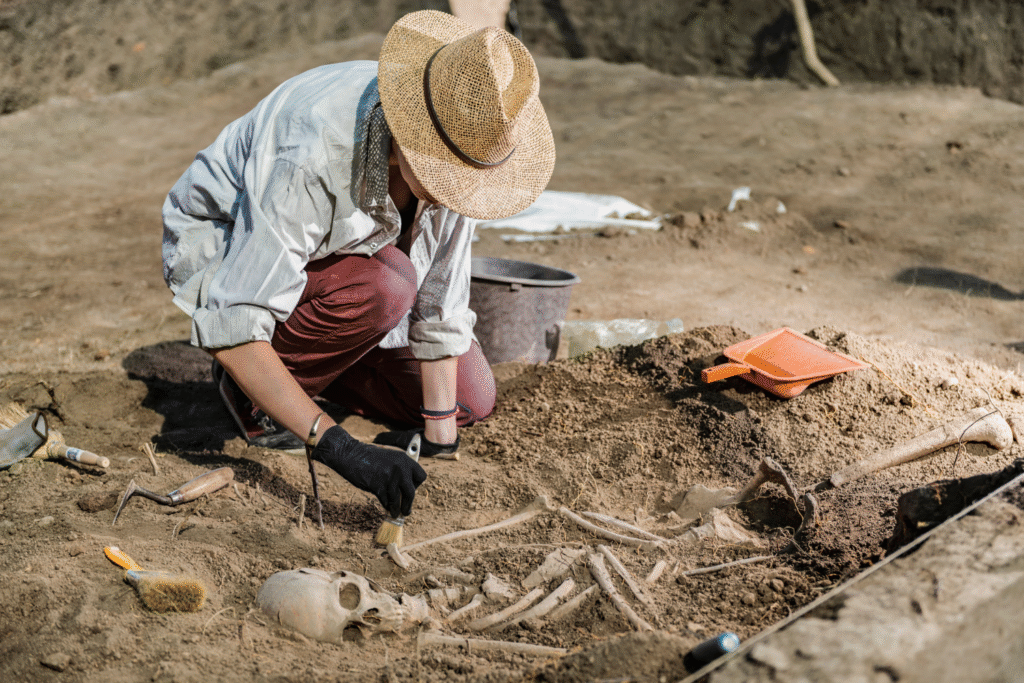
Deep learning models trained on nearly 1,500 images of modern carnivore bite marks point squarely to leopards on key Homo habilis fossils from Olduvai Gorge. Midway through the analysis, the pattern hardens into probability rather than guesswork, according to Rice University’s report on the new study. That flips a familiar script about who hunted whom and how often the balance tilted against us.
2. The primary predators were not scavengers after all.

Researchers expected hyenas to dominate the record if humans were mostly dying far from the kill. Instead, AI models assign more than ninety percent likelihood to leopard attacks on classic H. habilis specimens, shifting the burden of proof toward active predation as stated by Annals of the New York Academy of Sciences. Quietly, that moves early humans back into the prey column.
3. Computer vision catches details eyes routinely miss.

Microscopic wall angles, groove depths, and score curvatures become diagnostic fingerprints when algorithms compare them against modern bite libraries. Reported by Phys.org and echoed by recent coverage in Popular Science, the trained models separate lions, leopards, hyenas, crocodiles, and wolves with taxon-level specificity. With that clarity, “maybe” scenarios drop away, and ordinary bones become field notes from lethal encounters.
4. Daily life meant sharing ground with silent hunters.
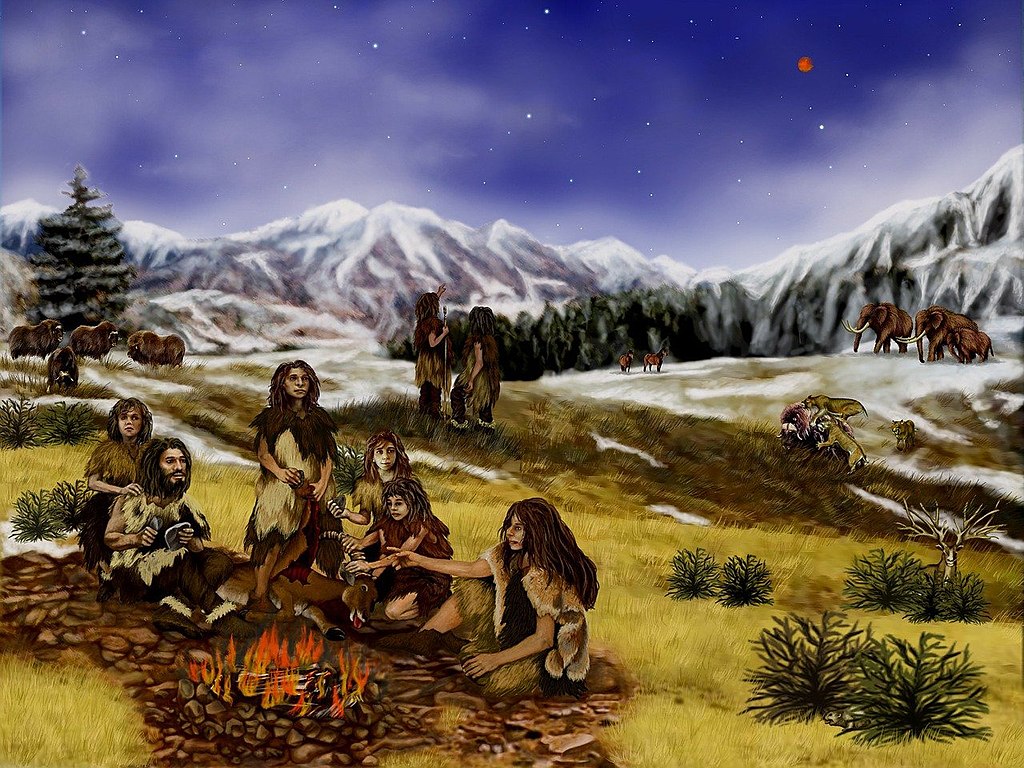
Open savannas offered sightlines, yet ambush still cut the margin thin. Forest edges promised shade, but cover belongs to cats. The new findings make routine movement feel like negotiated risk, the kind that forces small groups to read wind, birds, and sudden quiet. What looks like wandering becomes route planning shaped by predators who already mastered that terrain.
5. Brain growth was not an instant shield.

Cleverness helps, but strategies need time to mature into reliable systems. Before fire kept eyes at a distance and before weapons extended reach, brains mainly bought us caution and a better memory of close calls. The fossils underline that intellect was a slow build, not an overnight upgrade, while claws and stealth were already fully optimized.
6. Children amplified the urgency to cooperate.

Smaller bodies, slower speeds, and curiosity pull attention in the worst moments. Communities that clustered sleeping, rotated watch, and shared food weren’t just kind, they were operational. Protection became culture, and culture kept lineages from blinking out. The pressure reads through the record as a push toward coordinated living rather than lone endurance.
7. Tools reframed encounters without erasing fear.
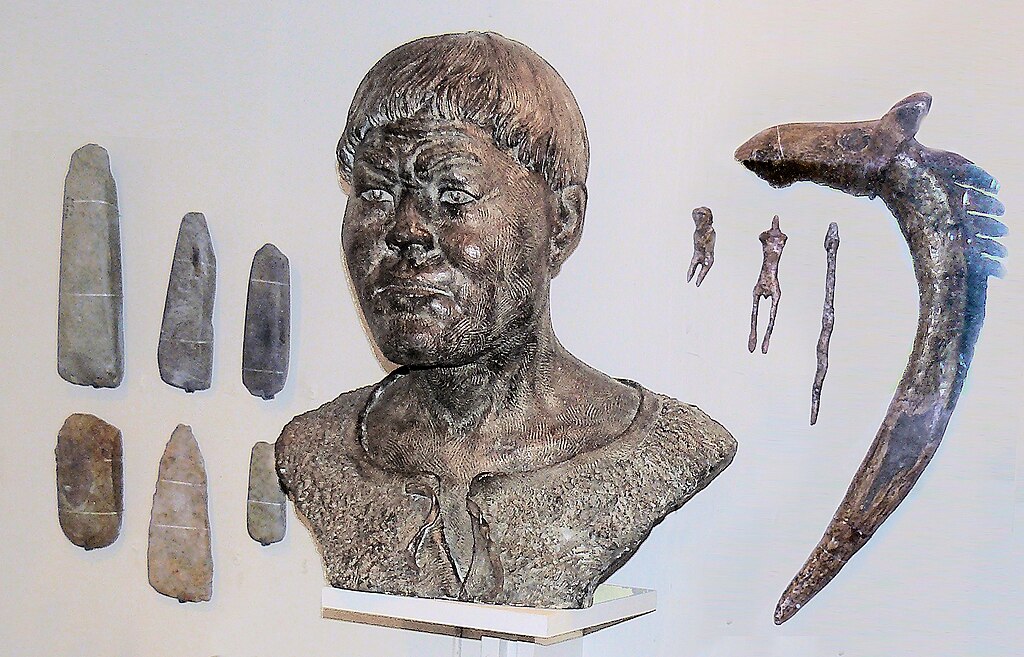
A flaked edge or heavy stick could interrupt a chase, not abolish it. Early implements made space to reach carcasses, to bluff, to wound enough to escape. Even then, the odds stayed lopsided. What changed was the number of second chances. A sharpened stone is a technology, but in this story it begins as breathing room.
8. Scavenging beat glory when predators owned daylight.

Following vultures, timing departures, and reading fresh tracks lowered the chance of becoming the next headline in bone. AI’s bite-mark tallies fit that logic, showing humans surviving by slipping between moments of dominance rather than creating them. Eating late was safer than hunting early, and patience turned into calories more often than bravado did.
9. Night rules belonged to eyes that did not blink.
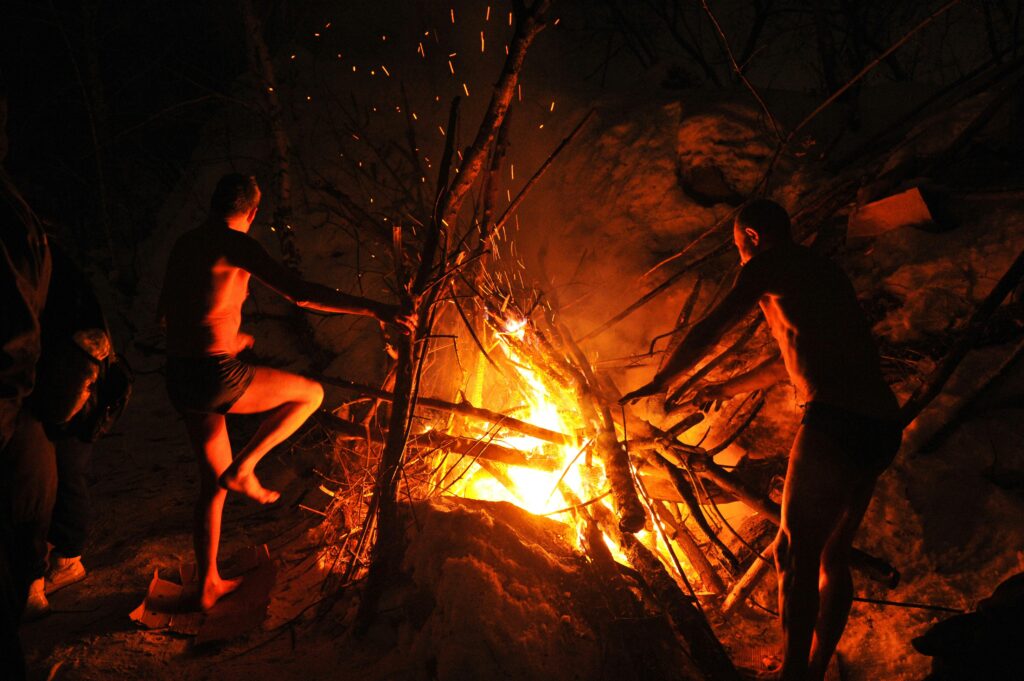
Before reliable firelight, darkness was a moving perimeter. The safest plan was close company and shallow sleep. When flames finally became routine, the circle brightened and the math changed, but not everywhere and not immediately. The new modeling reminds us that nights were lessons first, comfort later, and predators graded harshly.
10. Predators inadvertently engineered human social strength.
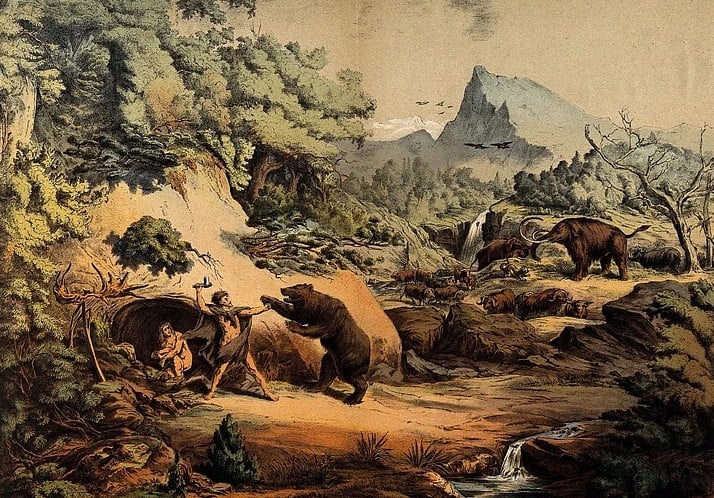
Threat is a designer. It favors the watchful, the sharer, the voice that wakes everyone fast. The bite-mark evidence shows pressure applied across generations until cooperation hardened into habit. Group defense, information flow, and planned movement grow from that grind. The long arc toward human dominance starts here, shaped by teeth that made us coordinate or disappear.