
Subtle changes in your dog’s behavior could signal vision loss that’s still treatable if caught early.

Your dog just walked straight into the coffee table they’ve successfully navigated around for three years. While you might laugh it off as a clumsy moment, that collision could be your first real warning sign that something serious is happening with their eyesight. Many dogs develop vision problems so gradually that both pets and owners adapt without realizing what’s happening until significant damage has already occurred. Catching these early warning signs can mean the difference between preserving your dog’s remaining vision and watching it disappear completely.
1. Hesitation at familiar doorways reveals uncertainty you’ve never seen before.
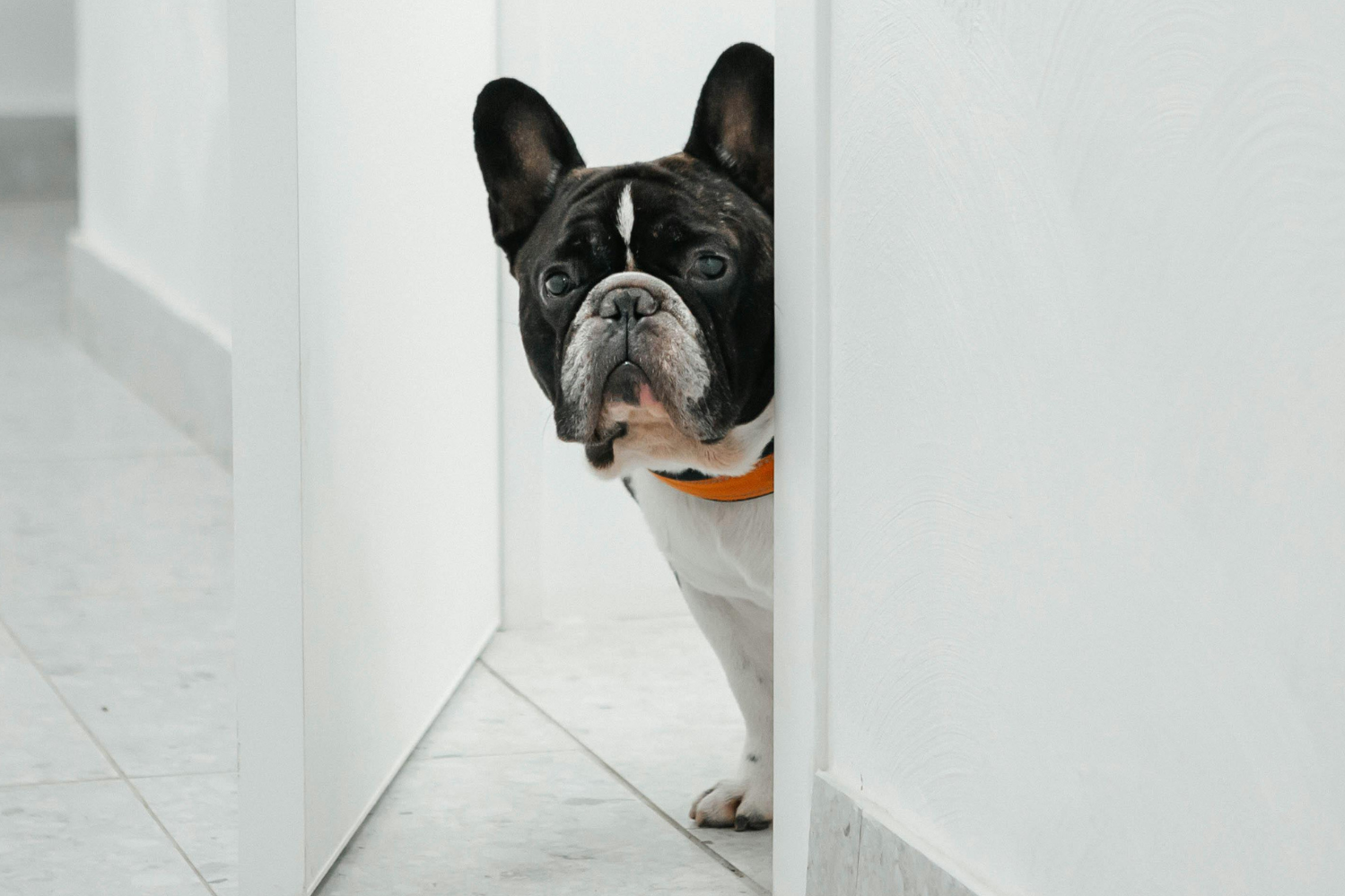
According to veterinary ophthalmologists at the American College of Veterinary Ophthalmologists, dogs with early vision loss often display increased caution when navigating previously familiar spaces, particularly during transitions between rooms or light levels. Your confident golden retriever who used to bound through doorways suddenly starts pausing, sniffing, or feeling their way with their nose before proceeding through openings they’ve used thousands of times. This hesitation represents their brain working overtime to compensate for diminishing visual input with other sensory information.
The behavior becomes most noticeable during evening hours or in dimly lit areas where reduced lighting compounds existing vision problems. Dogs experiencing early vision loss often develop these cautious movement patterns as a coping mechanism, but owners frequently mistake the behavior for normal aging or temporary confusion rather than recognizing it as a potential sign of developing blindness.
2. Bumping into furniture starts happening in rooms your dog knows by heart.

Dogs who suddenly begin colliding with familiar objects like chairs, tables, or their own food bowls are demonstrating classic early symptoms of progressive vision loss that many owners initially dismiss as accidents or distraction. These collisions typically start small and infrequent, making them easy to overlook as random mishaps rather than part of a developing pattern that indicates deteriorating eyesight, as reported by canine vision specialists at veterinary teaching hospitals nationwide. The bumping usually begins with objects at eye level or slightly below, since peripheral and lower field vision often deteriorate first in many common canine eye conditions.
Furniture collisions become more frequent during periods of excitement or when dogs are moving quickly through familiar spaces where they previously relied on visual memory to navigate successfully. Smart dogs often learn to compensate by moving more slowly or sticking to well-known pathways, but the occasional collision provides early evidence that their internal map of the house no longer matches their visual reality.
3. Night vision problems become obvious during evening walks or bathroom breaks.
As discovered by researchers studying canine progressive retinal atrophy, night blindness often represents the first noticeable symptom of many inherited eye diseases that eventually lead to complete vision loss if left untreated. Your dog might start refusing to go outside after dark, showing unusual reluctance to navigate stairs in dim lighting, or appearing confused and disoriented during late-evening bathroom breaks. This nighttime anxiety often develops gradually as dogs lose their ability to distinguish shapes and obstacles in low-light conditions.
Owners frequently notice their previously confident dogs becoming clingy or anxious during evening hours, seeking extra reassurance before venturing into darkened areas of the house or yard. The stark contrast between daytime confidence and nighttime uncertainty provides one of the clearest early indicators that vision problems are developing, particularly since many eye diseases affect rod cells responsible for night vision before damaging daytime sight.
4. Close-up vision changes make food and water bowl navigation surprisingly difficult.
Dogs experiencing early vision loss often struggle with tasks requiring precise visual coordination at close range, such as accurately locating their food or water bowls, picking up treats from the floor, or finding toys dropped directly in front of them. This near-vision deterioration can be particularly frustrating because distance vision might remain relatively intact, creating inconsistent visual experiences that confuse both dogs and their owners. The problem becomes especially noticeable during feeding time when dogs might overshoot their bowl, bump their nose against food containers, or have difficulty judging water depth while drinking.
Many dogs develop compensatory behaviors like approaching their bowls more slowly, using their nose to locate food boundaries, or relying heavily on scent and sound cues during meal times. These adaptations often mask the severity of vision problems because dogs continue eating and drinking normally, just with modified techniques that owners might not immediately recognize as vision-related accommodations.
5. Stair navigation becomes a source of obvious anxiety and hesitation.
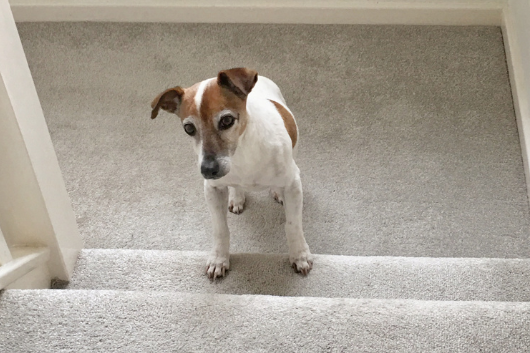
Previously confident stair climbers suddenly start showing reluctance, fear, or extreme caution when approaching steps they’ve used daily for years without any difficulty. Dogs with developing vision problems often have trouble judging depth and distance, making staircases particularly challenging and potentially dangerous obstacles that require careful navigation. The three-dimensional nature of stairs demands precise visual input that failing eyesight cannot provide reliably.
Affected dogs might start taking stairs one step at a time, gripping each step carefully with their claws, or refusing to use stairs entirely during certain lighting conditions. Some dogs develop strategies like always staying close to walls or railings for physical guidance, while others might start vocalizing anxiety or seeking human assistance before attempting to navigate stairs they previously bounded up and down without hesitation.
6. Outdoor confidence disappears in unfamiliar environments or new locations.
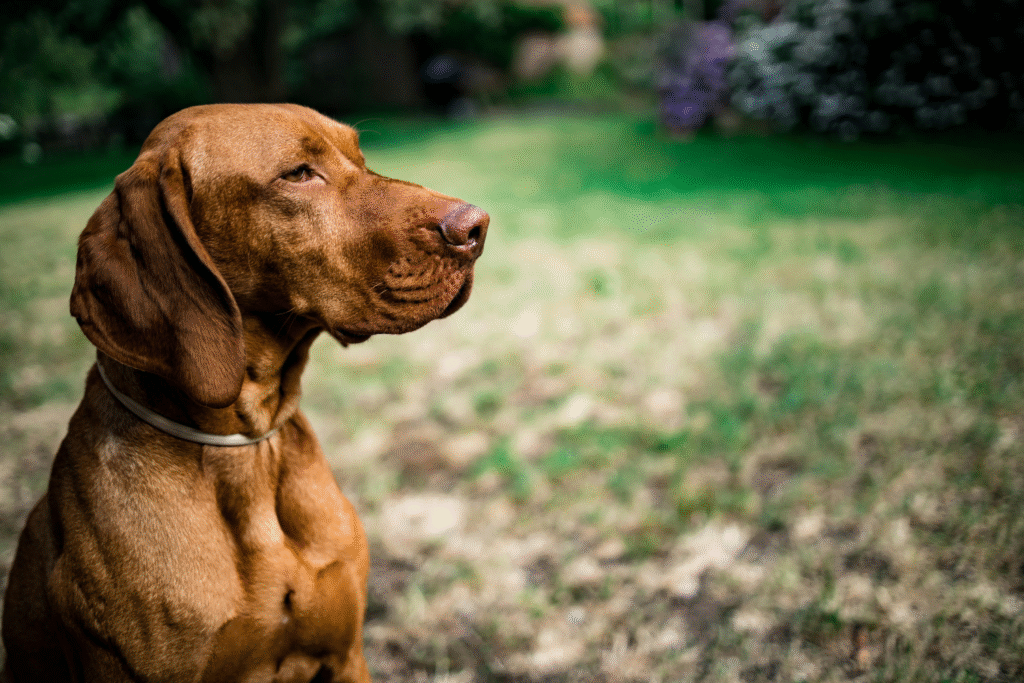
Dogs who previously explored new places with enthusiasm suddenly become anxious, clingy, or reluctant to venture away from their owners in unfamiliar outdoor environments. This behavioral change reflects their growing dependence on familiar landmarks and memorized routes that provide security when vision becomes unreliable. Unfamiliar terrain presents navigation challenges that confident vision once made manageable but now feel overwhelming and potentially dangerous.
The anxiety often manifests as increased shadowing behavior where dogs stay unusually close to their owners, frequent looking back for reassurance, or outright refusal to explore areas that would have excited them in the past. These changes in exploratory behavior provide valuable early warning signs because they demonstrate how vision loss impacts confidence and independence even before more obvious physical symptoms become apparent.
7. Light sensitivity creates new preferences for shaded or dimmer areas.

Dogs developing certain types of eye problems often become noticeably more sensitive to bright lighting conditions, seeking out darker areas of the house or showing reluctance to go outside during sunny periods. This photosensitivity can indicate inflammation, pressure changes, or other eye conditions that cause discomfort in bright environments while potentially preserving some vision in softer lighting. The preference for dim areas might seem counterintuitive since reduced lighting would seemingly make vision problems worse.
However, many eye conditions cause bright light to create painful glare or visual disturbances that make dim environments more comfortable despite reduced overall visibility. Owners might notice their dogs gravitating toward bathrooms, closets, or shaded outdoor areas while avoiding sunny windows, bright kitchen lighting, or outdoor activities during peak daylight hours when they previously showed no lighting preferences.
8. Following behavior intensifies as independence gradually decreases.
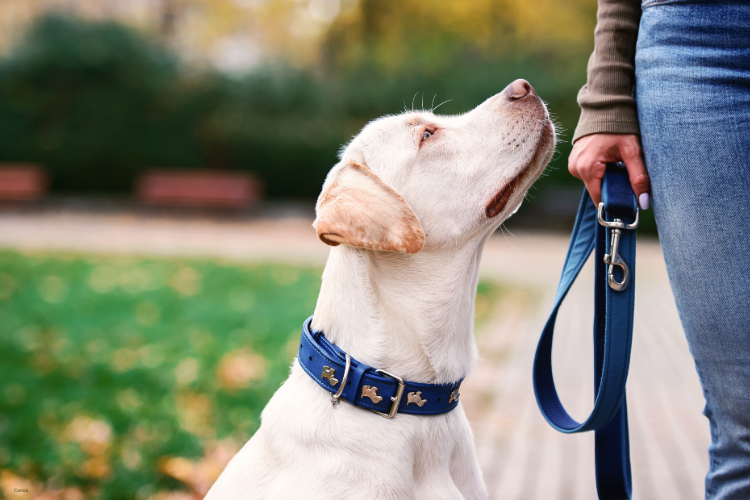
Dogs who previously roamed freely around the house or yard start shadowing their owners much more closely, rarely venturing out of sight or into separate rooms without human companionship. This increased following behavior reflects growing dependence on human guidance and reassurance as visual confidence deteriorates and familiar environments start feeling less predictable. The constant shadowing represents a coping strategy that helps dogs maintain connection with their primary source of security and navigation assistance.
The behavior often becomes most pronounced during times when dogs would normally separate from their owners, such as napping in different rooms, playing independently in the yard, or exploring the house during quiet periods. Instead of maintaining their usual independence, dogs with developing vision problems often choose to stay within close proximity of trusted humans who can provide guidance and protection in an increasingly uncertain visual world.
9. Startle responses increase dramatically to unexpected sounds or touches.
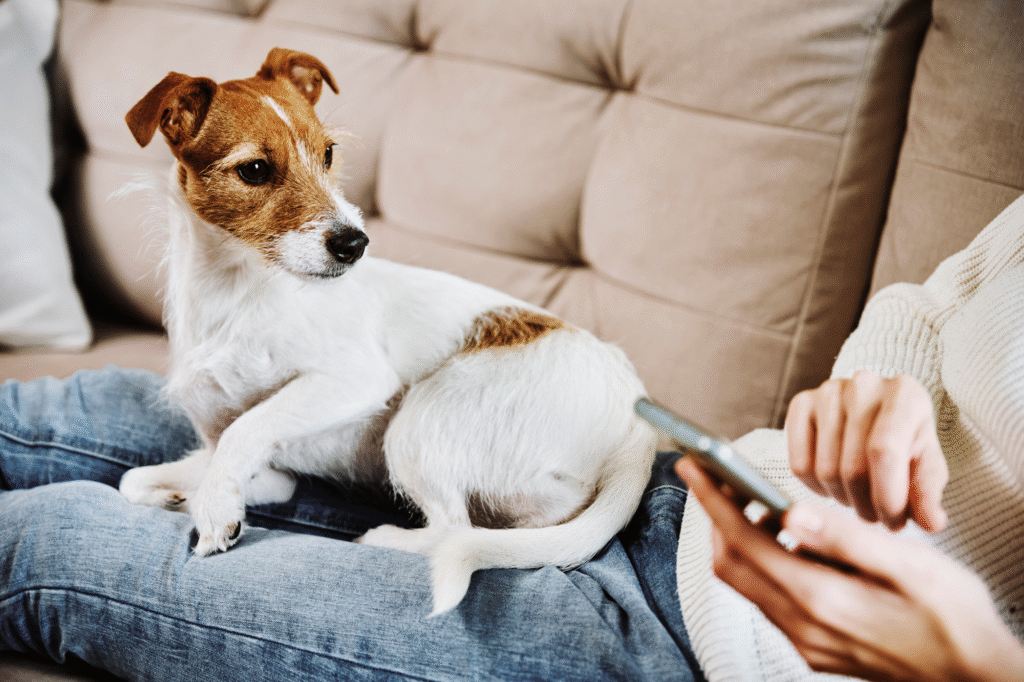
Previously calm dogs begin showing exaggerated startle reactions to sounds, touches, or movements they cannot see coming, indicating increased reliance on non-visual senses to monitor their environment for potential threats. This heightened startle response reflects the natural anxiety that develops when primary sensory input becomes unreliable and dogs must depend more heavily on hearing and touch for environmental awareness. The reactions often seem disproportionate to the actual stimulus because dogs cannot visually confirm whether approaching sounds represent normal household activity or genuine concerns.
Family members might notice their dog jumping dramatically when touched unexpectedly, reacting strongly to dropping objects or sudden sounds, or appearing generally more nervous and hypervigilant about environmental changes. These behavioral shifts indicate that dogs are working much harder to process sensory information and maintain awareness of their surroundings without reliable visual input to provide context and reassurance.
10. Play behavior changes reveal declining confidence in physical activities.

Dogs who previously engaged enthusiastically in fetch, catch, or other visually demanding games start showing reduced interest, accuracy problems, or reluctance to participate in activities requiring precise visual tracking and coordination. This decline in play behavior often provides some of the clearest evidence of vision problems because these activities demand the exact visual skills that deteriorating eyesight cannot support effectively. The changes might be subtle at first, such as missing catches they previously made easily or losing interest in games sooner than usual.
Affected dogs often develop preferences for activities that rely more heavily on scent or sound rather than vision, such as food puzzles, sniffing games, or simple training exercises that don’t require tracking moving objects. These shifting preferences represent natural adaptations to changing abilities, but they also provide valuable diagnostic information for owners who recognize that sudden changes in play patterns might indicate underlying vision problems requiring professional evaluation and intervention.