
These regions are entering a new seismic reality.

For decades, earthquake fear in the United States has had a familiar address. It lives along the West Coast, tied to images of shifting faults and shaking cities. That certainty is starting to fracture. New data is pulling attention away from the places people expect and toward regions that rarely enter the conversation. The ground in these areas has not been quiet, it has simply been overlooked. As researchers take a closer look, patterns begin to emerge that challenge long held assumptions about where danger truly sits. The shift is subtle at first, then harder to ignore once the evidence starts stacking up.
1. The New Madrid Seismic Zone remains a hidden giant.
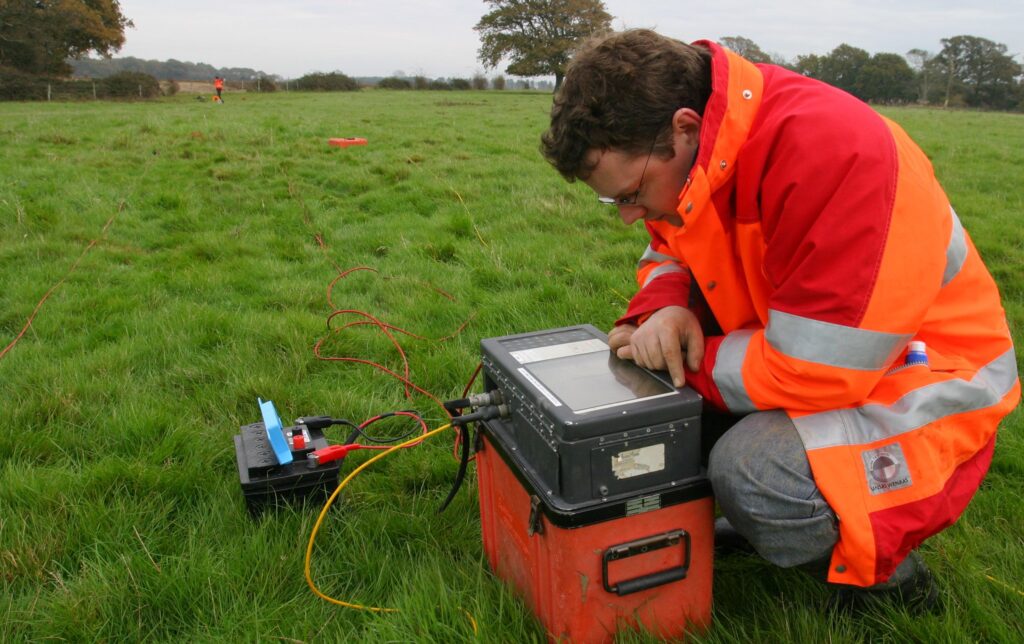
Running beneath Missouri, Arkansas, Tennessee, and Kentucky, the New Madrid Seismic Zone has a history of producing some of the most powerful quakes in U.S. history. According to the U.S. Geological Survey, the 1811–1812 events were so strong they briefly reversed the flow of the Mississippi River.
Modern forecasts warn of continued risk, with scientists modeling potential quakes large enough to cripple infrastructure across the central U.S. The challenge is awareness, residents don’t wake up thinking about earthquakes, yet the ground beneath them has already proven it can unleash devastating force.
2. Oklahoma’s growing quake activity is tied to human actions.

Once considered a stable part of the country, Oklahoma has seen a surge in earthquakes over the past decade. As stated by the USGS, much of this activity is linked to wastewater injection from oil and gas operations, which destabilizes fault lines.
The sudden spike startled scientists, as quakes strong enough to damage buildings were once rare in the state. Residents accustomed to tornado sirens now face an entirely different natural hazard. This human-driven seismicity complicates preparedness since the cause is tied to industrial practices rather than tectonic inevitability.
3. South Carolina’s Charleston region carries long-term risk.
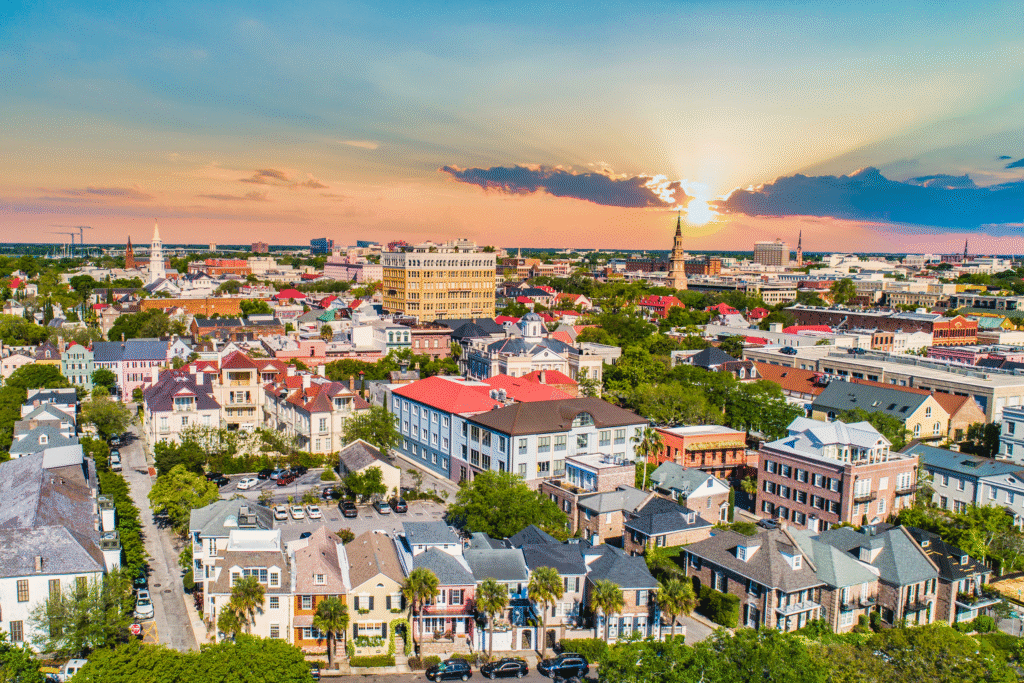
The Charleston earthquake of 1886 remains one of the largest recorded on the East Coast. Reported by the South Carolina Emergency Management Division, scientists warn that the faults responsible are still active, meaning the threat of another damaging quake is real.
Unlike California, the geology of the East Coast allows seismic waves to travel farther. This means a strong Charleston quake could be felt across multiple states, magnifying its reach. The historical precedent, combined with dense modern infrastructure, makes it an underappreciated danger.
4. Population density magnifies the potential impact.

Unlike rural stretches of California, the central and eastern regions at risk include heavily populated cities with aging infrastructure. Memphis, St. Louis, Charleston, and Oklahoma City all fall within or near seismic zones. A major quake could ripple through highways, pipelines, and power grids, creating cascading failures.
This concentration of people and structures turns geological risk into societal vulnerability. Scientists stress that preparedness must be tailored not only to geology but also to the fragile systems that modern life depends on.
5. Building codes haven’t kept pace with the danger.
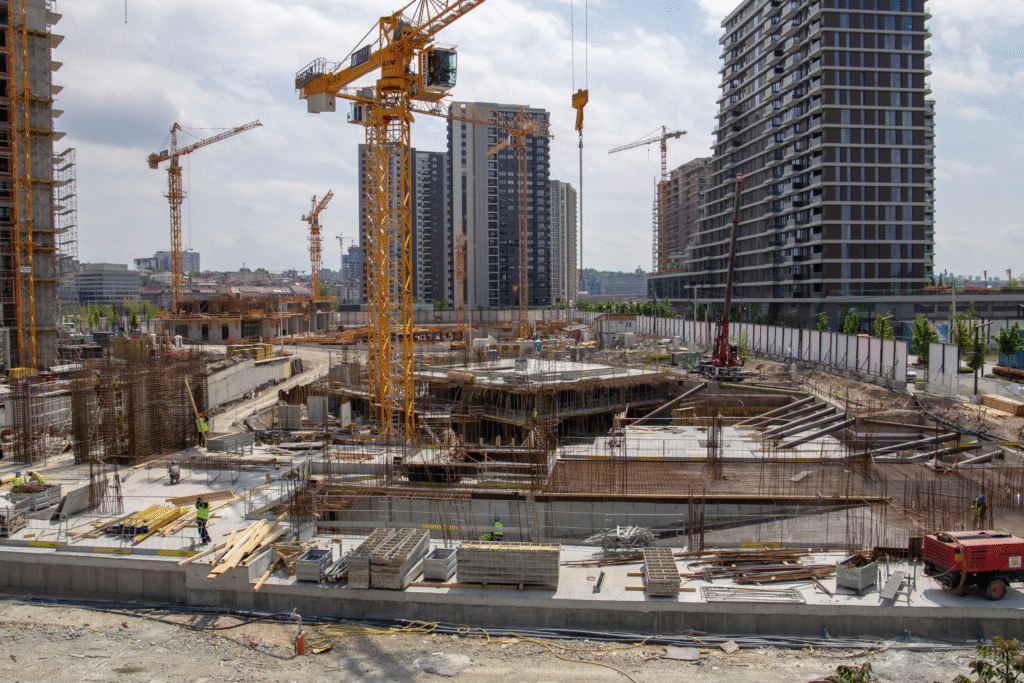
California enforces strict construction standards to withstand earthquakes, but many at-risk states do not. Buildings in Memphis or Charleston may look sturdy yet remain unreinforced against seismic stress. That gap between risk and regulation creates a dangerous mismatch.
Updating codes is costly and politically complex, but ignoring the problem only raises the stakes. Each year without reform adds more vulnerable structures to the landscape. It’s a quiet accumulation of risk hidden in plain sight.
6. Emergency preparedness is uneven across regions.

In California, earthquake drills and readiness campaigns are routine. In the Midwest and Southeast, preparedness often lags. Residents know how to react to storms but may have little idea what to do if the ground starts shaking. That cultural gap matters as much as geology.
Communities are beginning to acknowledge the problem, but without widespread drills, the first real test could come during disaster itself. Knowledge that feels automatic in California remains patchy elsewhere, leaving many at risk of being caught off guard.
7. Infrastructure age makes recovery harder to imagine.
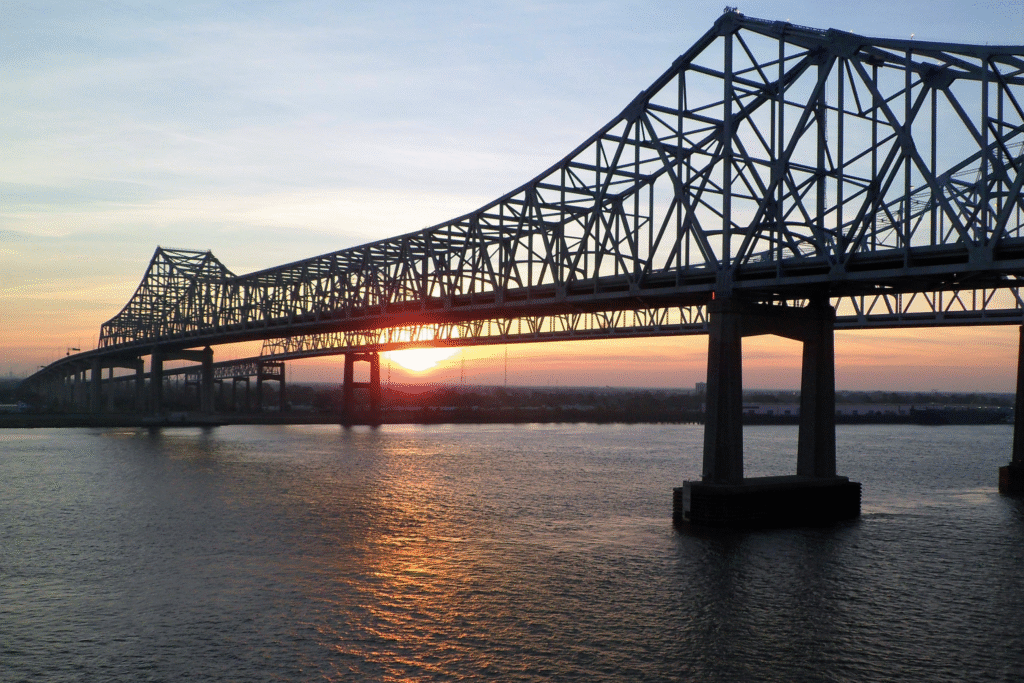
Bridges, levees, and pipelines across the central and eastern U.S. often predate modern seismic design standards. A significant quake could compromise multiple lifelines at once, from water supplies to power delivery. Unlike California, where seismic retrofits are common, these regions face an enormous backlog.
The fragility of infrastructure means that damage won’t stop with collapsed buildings. Entire networks could fail, turning a natural disaster into a prolonged humanitarian crisis. The scale of potential recovery is one reason scientists keep pressing warnings.
8. Scientists say complacency is the real danger.

Earthquake risk outside California doesn’t dominate headlines, which makes it easier for people to dismiss. Yet studies show the hazards are real, and the lack of cultural familiarity increases vulnerability. The science is clear, ignoring these risks won’t make them disappear.
Experts emphasize that awareness and preparation can soften impacts when not if, these quakes occur again. The ground doesn’t care about expectations. It moves when it wants, and history proves it has done so before. The question now is whether we’re ready to listen.