
A restless fault network jolts awake again.

For several tense hours, the Bay Area felt like it was balancing on a fault line whispering warnings. Beginning just after 2 AM on November 23, more than ninety earthquakes rattled areas around El Cerrito, Berkeley and Oakland, all clustered along the northern stretch of the Hayward Fault. Most ranged from magnitude one to the low threes, according to USGS sensors that lit up in rapid succession. Residents reported brief jolts rather than sustained shaking, but the concentrated swarm felt unmistakably organized.
1. Sudden tremor clusters hinted at deeper pressure changes.
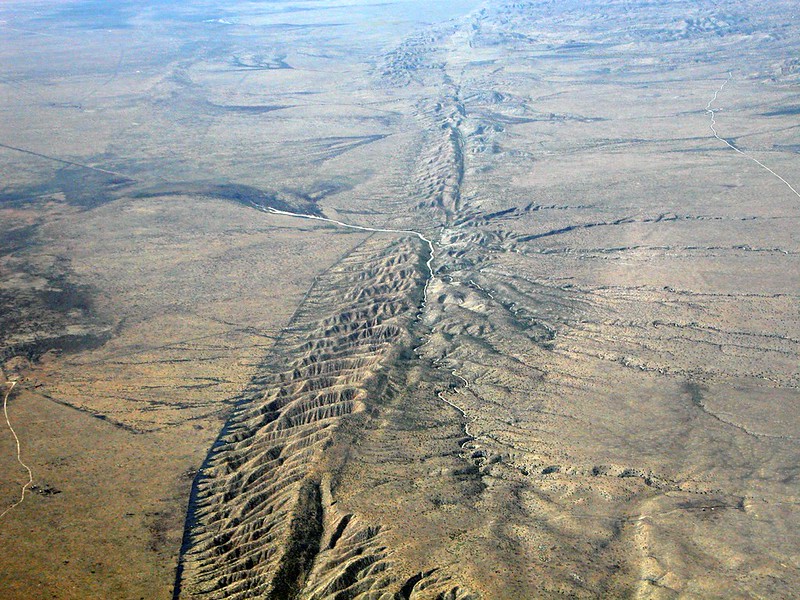
The first signals arrived as a tight swarm centered near the Calaveras Fault, and instruments recorded dozens of subtle shifts that suggested a buildup of stress, as reported by the United States Geological Survey. What startled researchers was how quickly the quakes stacked, each one following the last with barely enough time to reset the equipment. The swarm created a narrow corridor of activity that radiated outward like a pulse.
By the time the count exceeded ninety, scientists could see the deeper movement more clearly. The waves showed a pattern typical of creeping segments redistributing stress after a long quiet stretch. While none of the quakes were individually strong, their rapid pace carried weight. Swarms like this often highlight where the crust is trying to adjust itself.
2. Wave signatures pointed toward an active fault junction.

As more tremors rolled through, waveforms began to show strong directional patterns. They appeared to originate from a junction where two smaller splays meet a more dominant segment of the San Andreas system. That interpretation gained traction after seismologists compared notes with analysts at the Berkeley Seismology Lab, whose regional sensors captured the same timing irregularities according to their published summaries. This suggested that multiple strands of the fault network were shifting together.
These overlapping signatures made the swarm more complex than a simple slip event. Layers of rock beneath the East Bay shifted at slightly different depths, creating a stacking effect visible across several stations. That gave researchers a clearer view of how stress moved through the region, and it helped explain the tightly packed timing of the quakes.
3. Subtle changes in depth sharpened scientific concerns.

As scientists filtered the wave data, they noticed the quakes varied in depth more than expected. Some originated just a few miles underground, while others struck at deeper layers that rarely activate in clusters. This spread matched patterns previously tracked by the Caltech Seismological Laboratory, as stated by their reporting on similar regional swarms. Depth variation often signals that stress is traveling through multiple layers rather than remaining contained in a single zone.
That detail added a layer of urgency. If several layers adjust at once, the redistribution of force becomes harder to predict. These deep and shallow fluctuations helped scientists confirm that the quakes were connected rather than random scatter. The multi depth pattern hinted at wider movement happening out of sight.
4. The rapid rhythm suggested a creeping fault segment awakening.
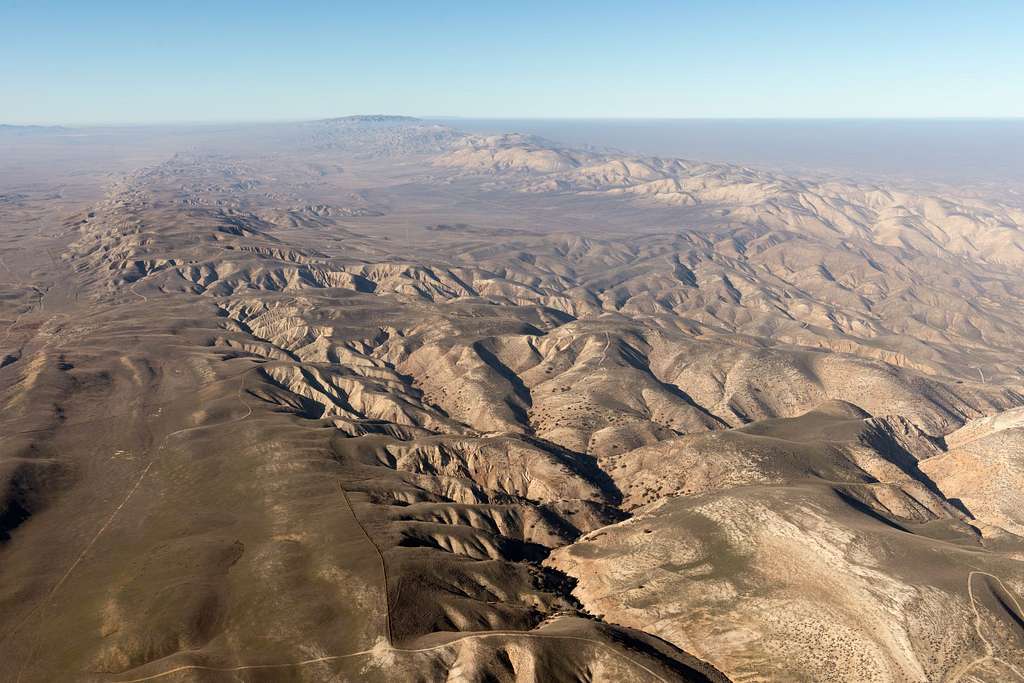
The pacing of the quakes drew particular attention. They came in bursts of four or five within minutes, followed by brief pauses that felt almost mechanical. This rhythm matched behavior known from creeping segments that shift under low friction. These subtle slips often go unnoticed unless they arrive in rapid clusters like this one.
Creeping sections can relieve stress without producing major quakes, but they can also transfer force to locked areas nearby. If the swarm nudged a locked segment, scientists knew the effects could echo beyond the immediate area. For now, the consistency in timing suggested an ongoing adjustment rather than a preparatory signal for something larger.
5. Energy readings showed the fault releasing stress unevenly.

As analysts plotted the energy released by each quake, a jagged pattern emerged. Some tremors were barely more than background noise, while others carried enough force to be felt across several neighborhoods. This irregular release hinted at small pockets of built up stress breaking free as the fault shifted.
Uneven release often points to a fault surface with varying friction, and that aligned with previous studies of the region. When these pockets fail in succession, they can trigger follow up quakes in nearby patches. This pattern made it clear the fault was not settling smoothly but negotiating its movement in stages.
6. Ground motion sensors caught subtle tilts between events.
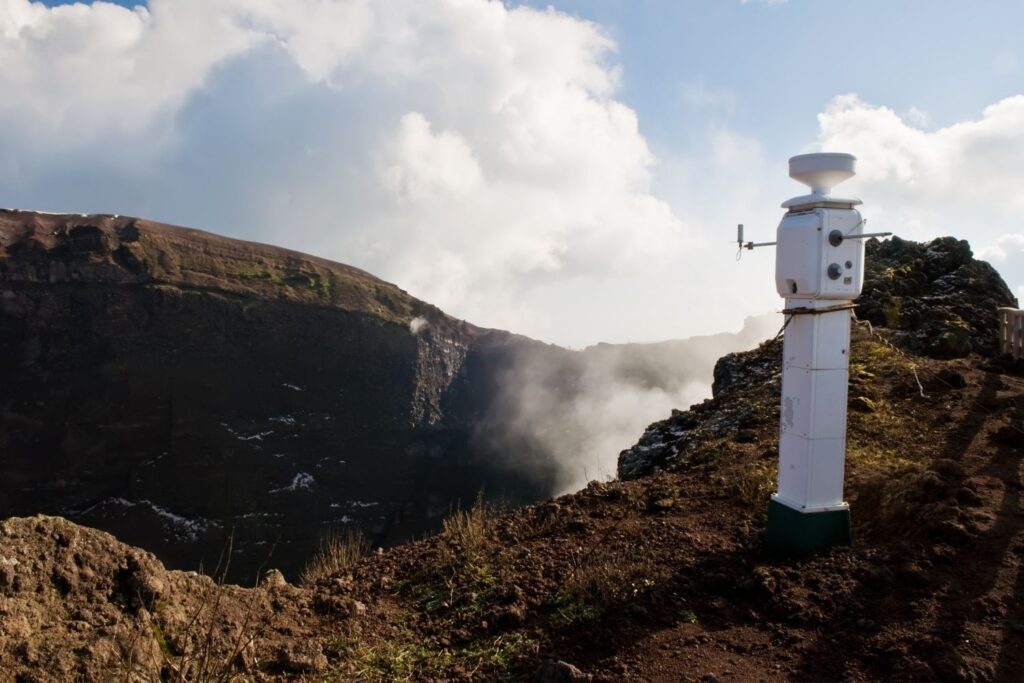
Between the bursts of tremors, a few sensors detected faint shifts in ground tilt. These tiny adjustments did not last long, but they showed the crust was flexing under stress. Even slight tilts can reveal how the deeper rock layers are responding to pressure changes.
These micro movements usually accompany swarms driven by slow fault creep. They tend to appear briefly, then vanish as the tension redistributes. Their presence suggested the motion was not confined to a single rupture zone. Instead, the whole area was adjusting in a coordinated, if delicate, way.
7. Some tremors aligned with known slip patches near Hollister.
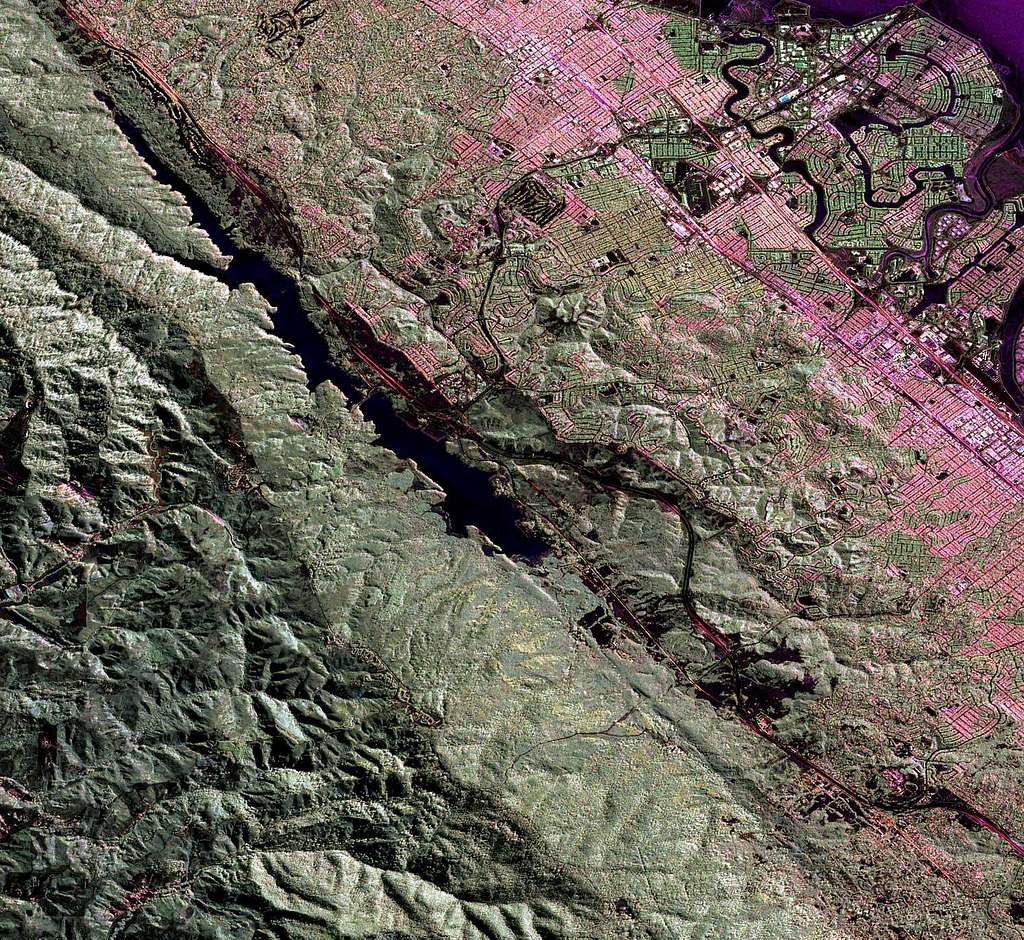
A number of the waves pointed southward toward slip patches that historically activate during broader stress adjustments. These areas often respond when energy shifts along connected fault strands. Their participation implied the swarm was tapping into a larger network of tension.
This does not necessarily increase the likelihood of a major quake, but it underscores how interconnected the region’s fault systems are. Stress rarely stays local. Once it begins moving, the effects ripple outward, prompting neighboring zones to nudge in response.
8. The swarm’s timing followed a quiet stretch of months.

The Bay Area had been relatively calm before the swarm struck, with only sporadic minor quakes scattered across the region. Long quiet periods can create conditions where small shifts accumulate until the fault finally adjusts. The contrast between calm and activity made the swarm feel sharper.
Quiet phases are not inherently meaningful on their own, but they shape how scientists interpret bursts like this one. A sudden surge following stillness often signals the crust is taking advantage of a moment to redistribute pressure. That added context made the ninety quakes feel less like noise and more like a coordinated expression of stress.
9. Surface impacts were light but widely felt.

Although none of the tremors were strong enough to cause damage, thousands of residents felt the shaking. Light rattling, brief shivers underfoot and gentle wobbles traveled through several East Bay communities. These sensations acted as a reminder of how sensitive the surface can be to even minor underground movement.
Reports from residents helped scientists confirm which quakes produced the strongest ground motion. These firsthand observations filled gaps between sensor data points, highlighting which areas responded most noticeably. The felt distribution helped map stress channels near the surface.
10. The swarm may foreshadow months of shifting behavior.

Swarms like this often settle slowly, leading to weeks or months where the ground continues adjusting in smaller ways. Researchers expect aftershocks and follow up tremors as the region works through redistributed tension. The swarm may mark the start of a longer phase of mild but persistent movement.
Scientists will watch depth changes, timing patterns and energy pulses closely in the coming weeks. Even if the swarm fades, the information it revealed about regional stress paths will shape future assessments. For now, the ninety quakes served as a vivid reminder of how alive the Bay Area’s fault network remains.