
Some of the biggest threats don’t look dangerous at first.
It’s easy to picture danger as something obvious, something large, loud, and impossible to miss. But the truth has a way of slipping past those expectations. Some of the most lethal encounters begin in ordinary places, with creatures that don’t immediately raise alarm. The risk isn’t always in how these animals look, but in how little warning they give. Across different environments, the patterns start to repeat, quiet presence, sudden contact, and consequences that escalate quickly. Once you start to notice where the real threats come from, it becomes harder to trust first impressions the same way again.
1. Mosquitoes spread deadly diseases across continents.

Though tiny, mosquitoes are responsible for more human deaths than any other animal. They transmit malaria, dengue, Zika, and West Nile virus, which continue to affect millions worldwide. Public health agencies estimate that malaria alone claims over 600,000 lives annually, especially in sub-Saharan Africa, according to the World Health Organization. Their danger isn’t in their bite but in the pathogens they carry, making them nature’s most efficient killers hiding in plain sight.
2. Box jellyfish deliver venom that shuts down hearts.

Found mostly in waters near Australia and Southeast Asia, the box jellyfish has tentacles lined with stinging cells that release toxins powerful enough to paralyze prey instantly. Fatalities occur when the venom overloads the human nervous system and heart. While antivenom exists, time is critical, and victims often collapse before help arrives. The lethality of this translucent drifter has been well documented in marine studies, as stated by the U.S. National Library of Medicine.
3. Nile crocodiles attack with terrifying force and speed.

In African rivers, Nile crocodiles are feared for their stealth and ferocity. They ambush unsuspecting prey at the water’s edge and are known to kill hundreds of people each year. Their jaws exert bone-crushing pressure, ensuring escape is nearly impossible once seized. What makes them particularly dangerous is their opportunistic nature, they target anything that approaches the shoreline. These realities have been widely reported in ecological surveys, as discovered by National Geographic.
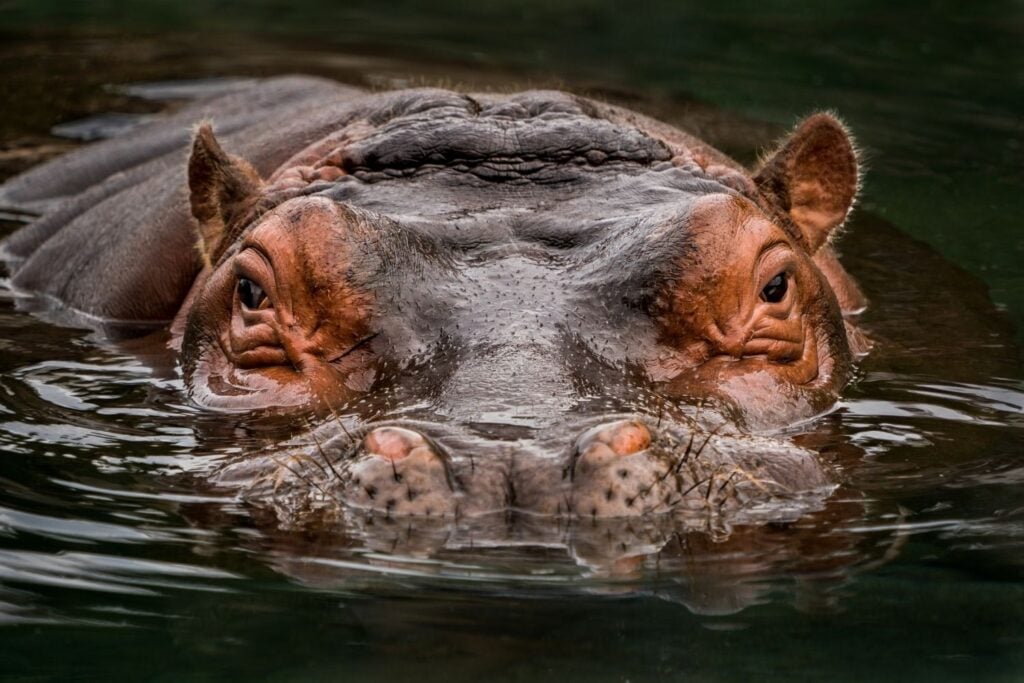
4. Hippopotamuses defend territory with shocking aggression.
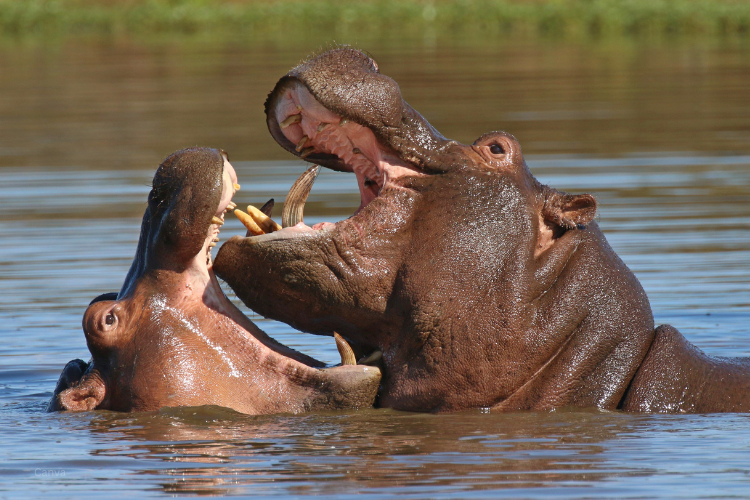
Despite their bulky appearance, hippos move quickly on land and in water. They are intensely territorial and known to overturn boats or charge intruders. In many regions of Africa, they are responsible for more human deaths annually than lions, revealing their unpredictable temperament. People who underestimate them often pay with serious injury or worse.
5. Saltwater crocodiles dominate coasts and estuaries worldwide.

Stretching across Southeast Asia to northern Australia, saltwater crocodiles are the largest living reptiles on Earth. They can reach lengths of 20 feet and attack both in water and on land. Unlike their Nile relatives, they venture into open oceans, making their range vast and their unpredictability even more concerning.
6. Cape buffalo resist hunters with lethal determination.

Nicknamed “the Black Death” by big-game hunters, Cape buffalo in Africa have a reputation for unpredictability. Injured individuals often circle back to ambush hunters, and herds will charge when threatened. Their sharp horns and powerful bulk make them almost impossible to stop once provoked, leaving them among the most feared animals on safaris.
7. Pufferfish toxins can paralyze in minutes.
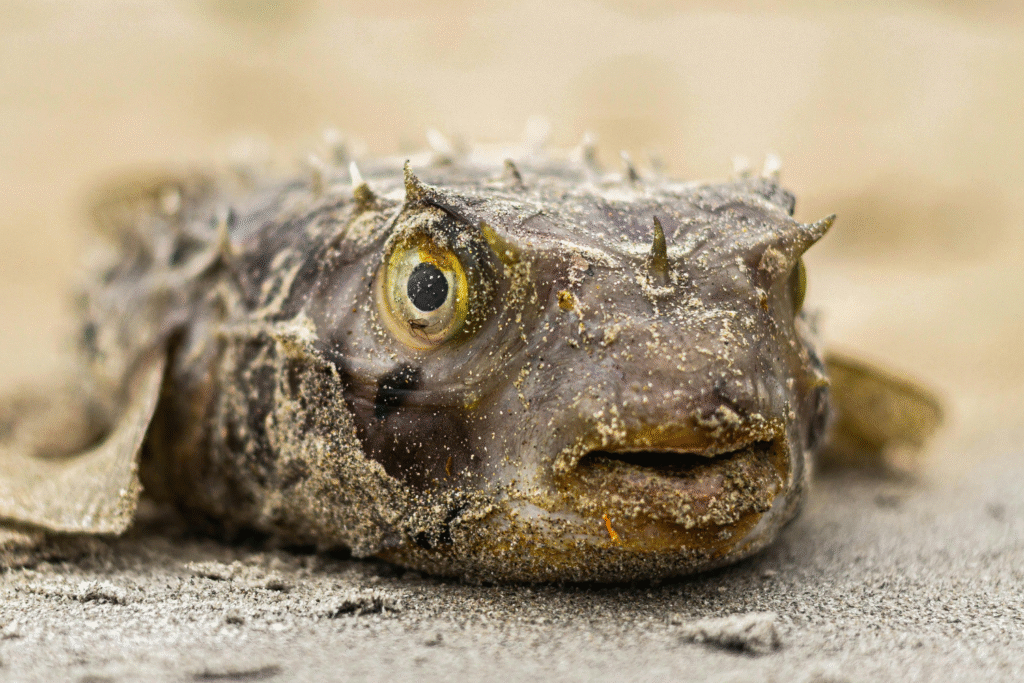
Though delicacies in some cuisines, pufferfish contain tetrodotoxin, a poison hundreds of times more lethal than cyanide. Poorly prepared dishes have led to fatalities, as the toxin shuts down nerve signals and respiratory functions. Unlike many predators, their danger isn’t in hunting humans but in accidental ingestion.
8. Elephants unleash destruction when provoked or stressed.
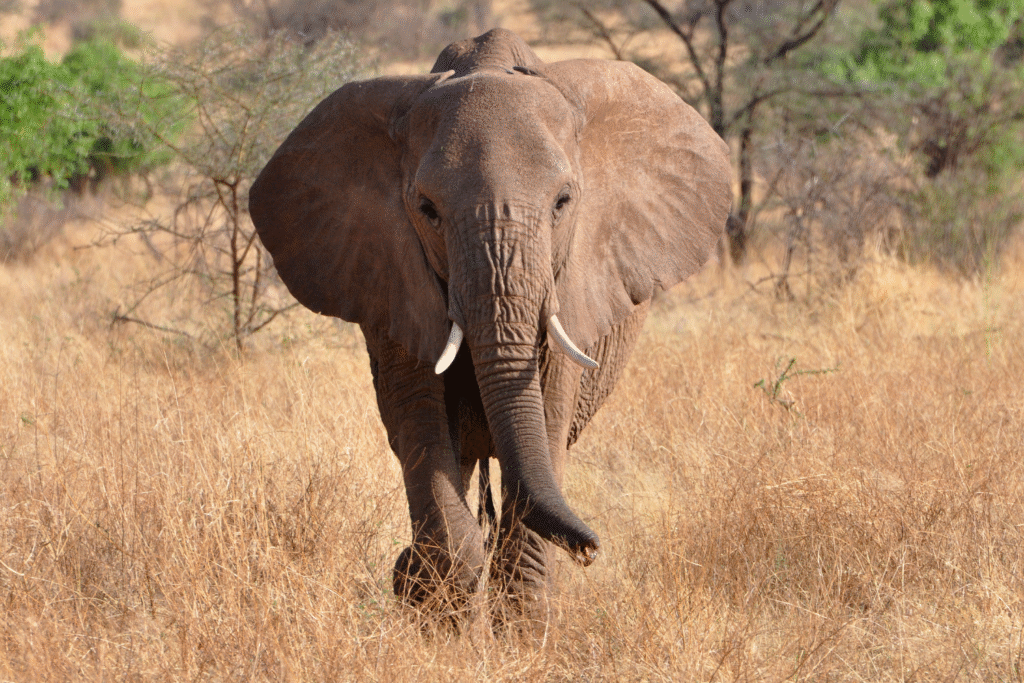
While often viewed as gentle giants, elephants can be highly dangerous. Stress, habitat loss, and human encroachment sometimes trigger aggressive encounters. In parts of Asia and Africa, wild elephants raid villages, destroy crops, and occasionally trample humans. Their sheer weight and strength make them nearly impossible to stop once charging.
9. Stonefish camouflage hides lethal spines underfoot.

Resting on coral reefs and sandy sea floors, stonefish blend so perfectly they look like rocks. A single step on their dorsal spines injects venom that can cause unbearable pain, tissue damage, or even death without treatment. Swimmers and divers in the Indo-Pacific must remain vigilant, as these fish rarely reveal themselves until it’s too late.
10. Komodo dragons kill with venom and bacteria combined.

Native to Indonesia’s islands, Komodo dragons use serrated teeth and venom that prevents blood clotting. Their bites weaken prey gradually, and they track it down over time. Though human encounters are rare, attacks do occur, and villagers living near their habitat treat them with utmost caution.
11. Golden poison dart frogs carry instant danger.

Barely two inches long, these frogs from Colombia carry enough toxin on their skin to kill several humans. Indigenous groups once used the poison to tip hunting darts, giving the frog its name. Even casual contact can be fatal, proving size does not determine lethality in the animal kingdom.
12. Cone snails shoot venomous harpoons underwater.

These small sea snails conceal one of the most sophisticated venom systems in nature. Their harpoon-like teeth can pierce wetsuits and deliver a cocktail of toxins that paralyze almost instantly. Some species are nicknamed “cigarette snails,” suggesting that after being stung, victims have only minutes left to live.
13. Lions still command fear across open plains.
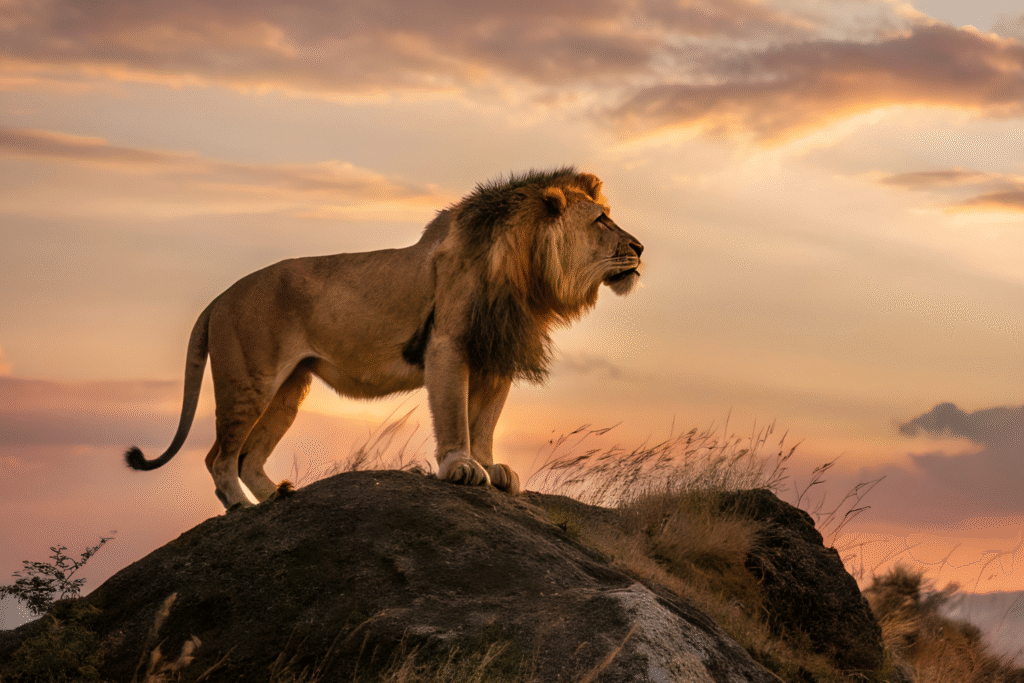
Often romanticized, lions remain apex predators capable of killing humans when threatened or desperate for food. In areas where humans and lions share shrinking habitats, encounters sometimes turn deadly. Their strength, teamwork, and sheer ferocity remind us why they are still considered one of the most formidable animals in the world.