
The dinner table is becoming an unlikely battlefield.
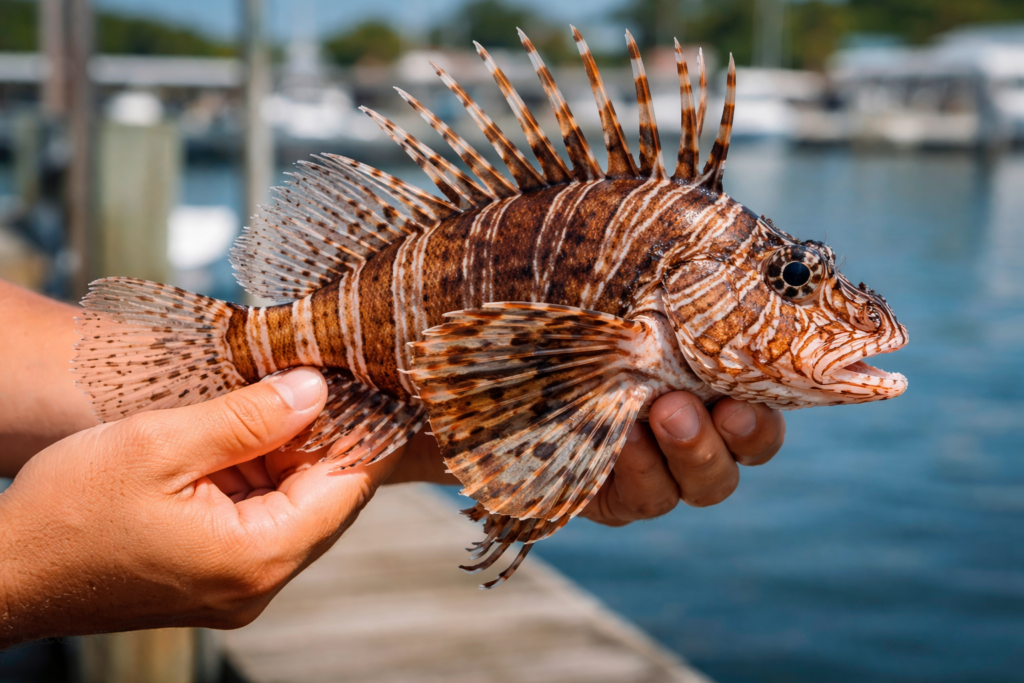
Across the United States, animals and plants once ignored are now reshaping ecosystems, waterways, and coastlines. Scientists warn the damage is accelerating, but an unexpected group has started listening closely. Chefs, fishers, and foragers are quietly stepping into the conversation, drawn by flavor as much as urgency. The idea sounds simple, almost unsettling, and that tension is exactly the point. Before solutions are agreed upon, plates are already changing, menus are shifting, and a question is spreading faster than the species themselves.
1. The menu is quietly becoming a conservation tool.
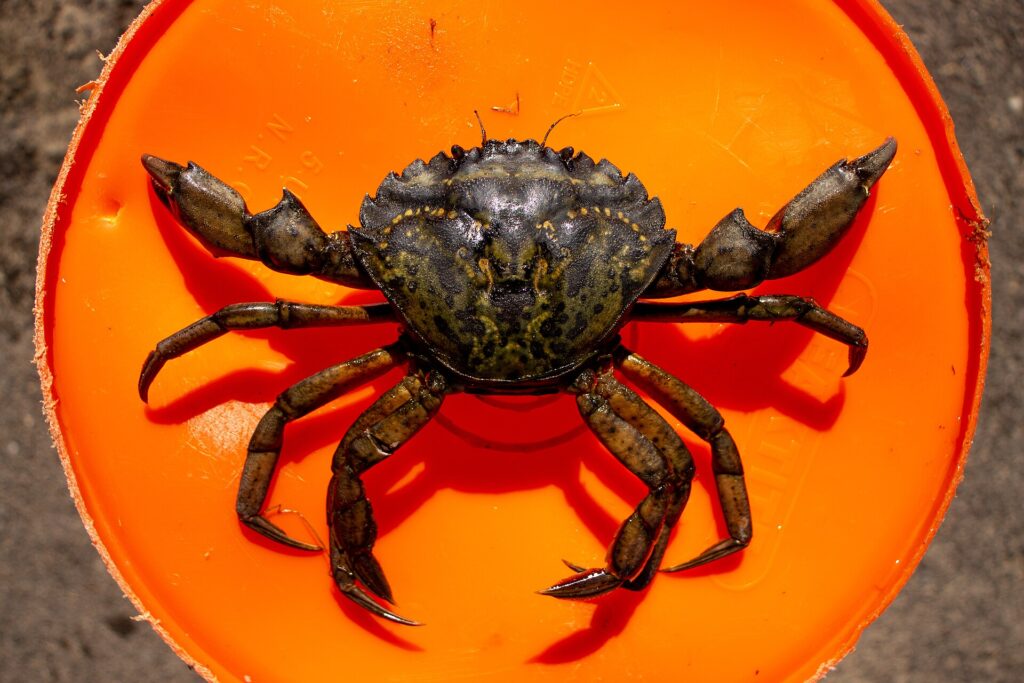
Invasive species usually enter conversations through damage reports, not dining rooms. Yet pressure is building as populations surge beyond control, forcing experts to reconsider traditional responses. Eradication programs lag behind spread, and ecosystems continue absorbing the cost while agencies debate next steps nationwide.
Interest has turned toward eating the problem instead. According to the National Wildlife Federation, invasive species like lionfish and European green crab are increasingly framed as resources rather than burdens. The idea unsettles some conservationists, but others see appetite as leverage, especially when public attention has failed to slow ecological disruption.
2. Chefs are reshaping public perception through flavor.
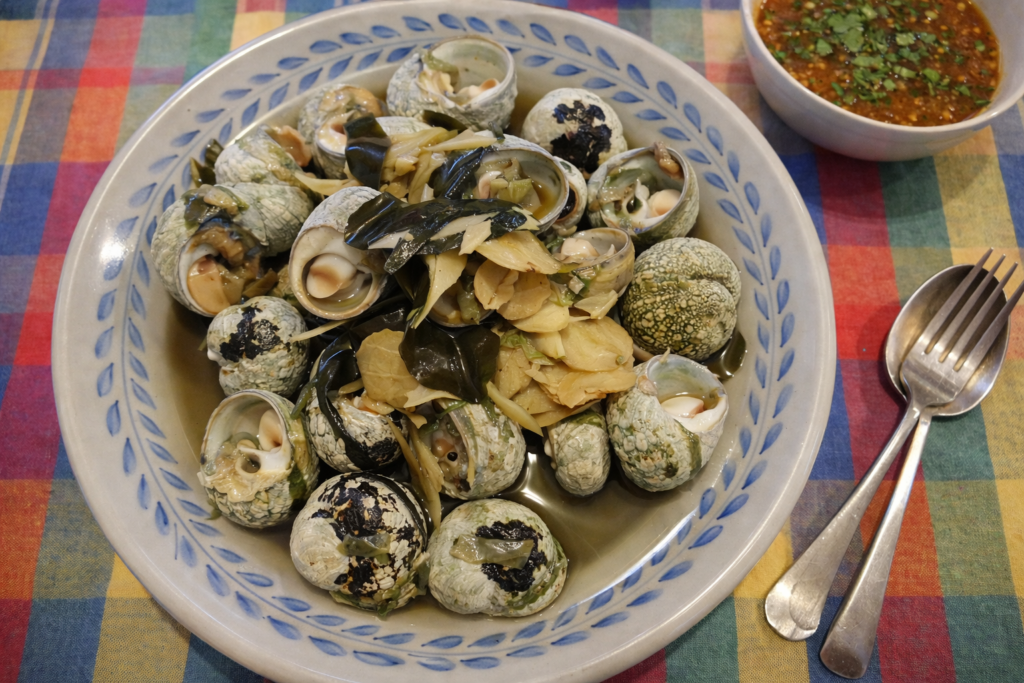
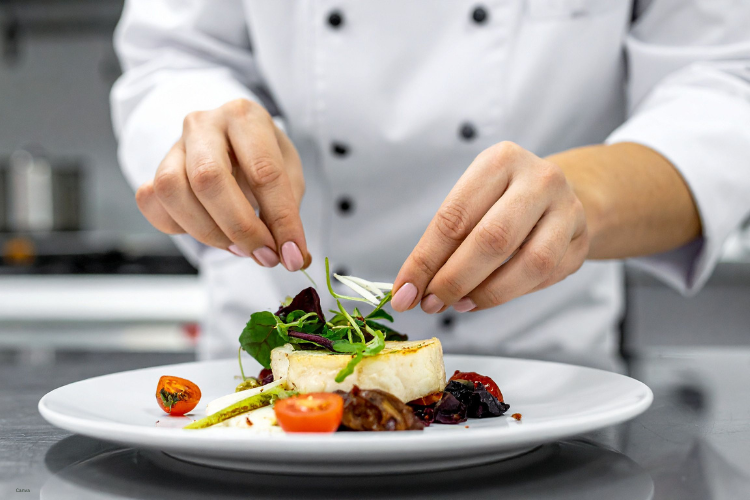
Restaurant kitchens operate far from policy meetings, yet they influence behavior quickly. When invasive species appear on menus, diners encounter them without lectures, only curiosity and taste. That moment matters because food bypasses resistance that facts often trigger first.
Some East Coast chefs have already embraced this role. As reported by The New York Times, periwinkle snails and invasive plants such as kudzu and garlic mustard have been prepared thoughtfully, framed as seasonal specialties. The dishes do not solve the crisis, but they shift the emotional response surrounding invasive species.
3. A rebranded fish reveals how language changes outcomes.
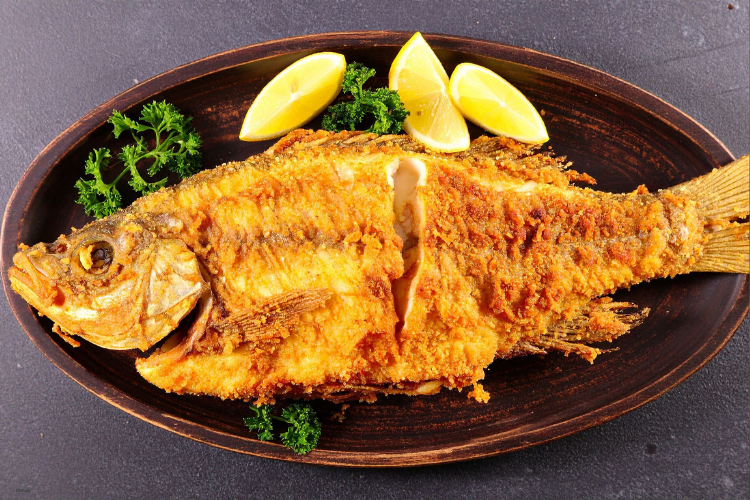
Few invasive species inspire more frustration than Asian carp. Their spread through the Mississippi River Basin and toward the Great Lakes has alarmed biologists for decades. Efforts to halt movement continue, but the fish itself remains plentiful and unwanted.
Marketing quietly entered the equation. As stated by Smithsonian Magazine, Asian carp was renamed copi and prepared using familiar formats like fish and chips or sushi. The shift did not erase ecological risk, but it demonstrated how reframing an invasive species could influence consumption and awareness simultaneously.
4. A growing list of edible invaders changes priorities.
The idea of eating invasive species expanded quickly once chefs started asking what else might belong on plates. Roman’s online project now lists more than twenty edible invasive plants and animals, spanning land and water across multiple regions. Each entry carries ecological context alongside preparation ideas.
Kudzu vines, garlic mustard leaves, feral pigs, European green crabs, and lionfish all appear. The list challenges assumptions about scarcity and value. Once labeled destructive, these species now occupy an uncomfortable middle ground between threat and opportunity that policymakers are still grappling with today.
5. Lionfish turned reefs into a culinary experiment.
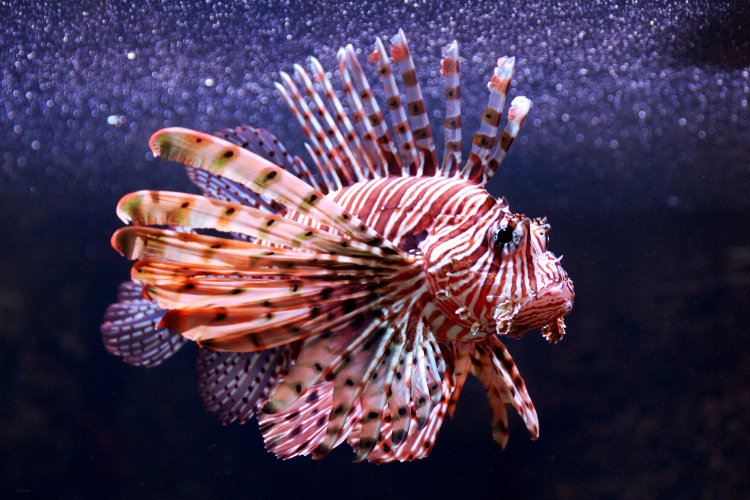
Lionfish did not invade quietly. Their rapid spread across Atlantic and Caribbean reefs coincided with sharp declines in native fish populations. Divers were among the first to notice the imbalance, reporting reefs that felt emptier year after year.
Chefs followed divers into the story. Lionfish proved mild, flaky, and adaptable, quickly appearing in tacos and ceviche. Harvesting them requires care due to venomous spines, adding complexity. Yet every plate removes a predator from fragile reefs, offering a rare alignment between appetite and ecological relief.
6. Plants are entering kitchens before policymakers agree.
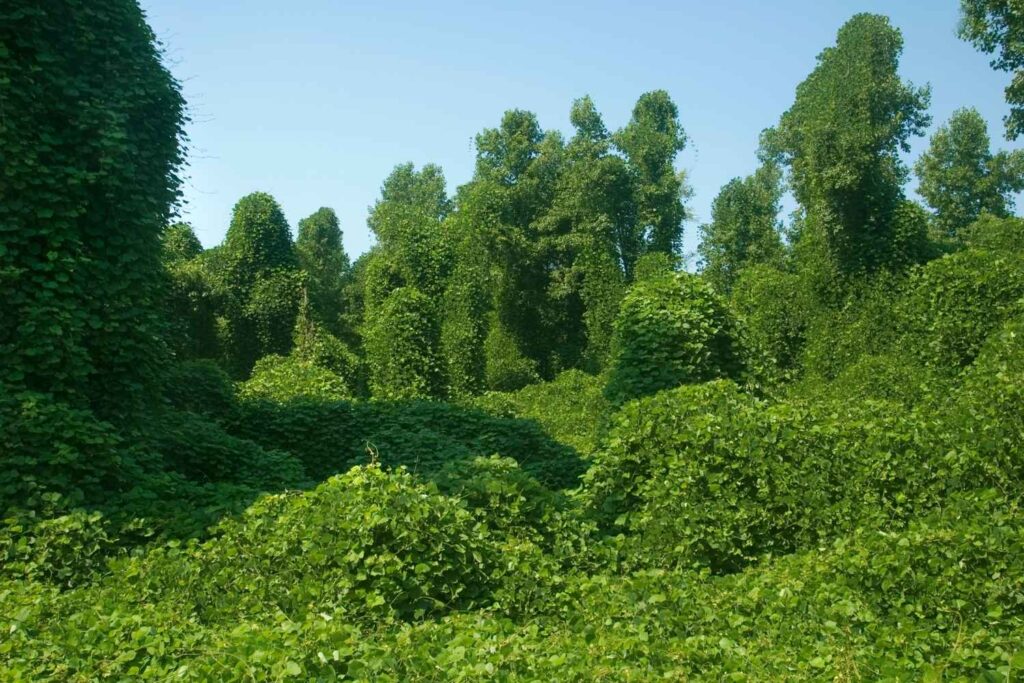
Invasive plants often receive less attention than animals, yet their ecological footprint is immense. Kudzu blankets landscapes, while garlic mustard crowds forest understories, altering soil chemistry and native growth patterns over time.
Foragers and chefs began experimenting anyway. Young kudzu leaves mimic spinach, and garlic mustard brings a sharp, familiar bite. These plants move from nuisance to ingredient with surprising ease. The shift forces land managers to confront whether removal alone is enough, or if consumption should join the toolkit.
7. Feral pigs blur lines between pest and protein.
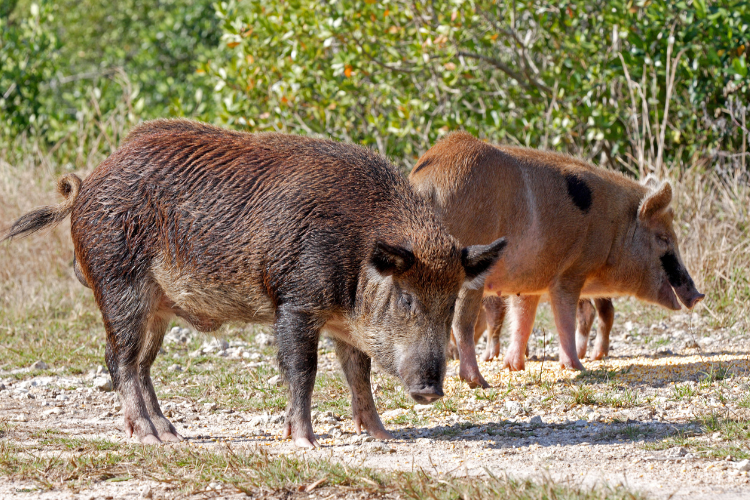
Feral pigs roam millions of acres across the United States, tearing up soil, spreading disease, and destroying crops. Their intelligence and reproductive speed make population control notoriously difficult, frustrating wildlife agencies and farmers alike.
Hunters and chefs have stepped into the gap. Wild pork is leaner and more complex than commercial varieties, though handling requires caution. Promoting consumption raises ethical and logistical questions. Yet as damage continues mounting, feral pigs remain a reminder that ignoring edible invasions carries its own consequences.
8. Demand risks turning solutions into incentives.
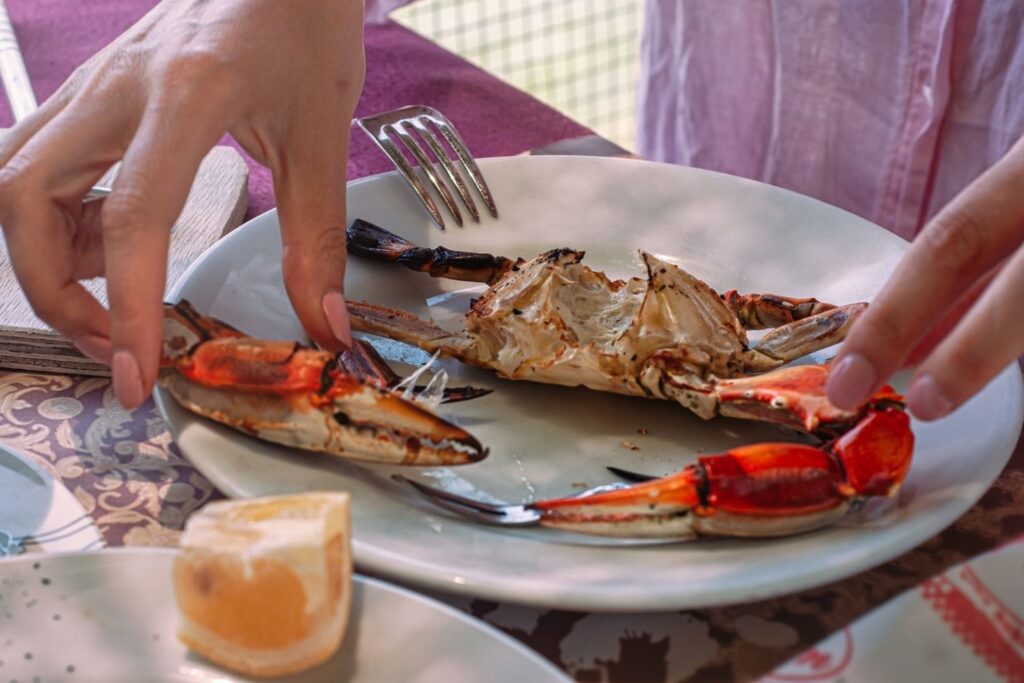
Eating invasive species introduces a paradox. Success depends on reducing populations, yet popularity can create demand. Conservationists worry that markets could encourage protection rather than elimination, undermining ecological goals unintentionally.
This tension shapes cautious messaging. Experts emphasize targeted harvesting, strict regulations, and education. The goal is not farming invasive species but removing them responsibly. Balancing appetite with restraint remains unresolved, leaving chefs and scientists navigating a narrow path between awareness and exploitation.
9. Regional differences complicate a national strategy.
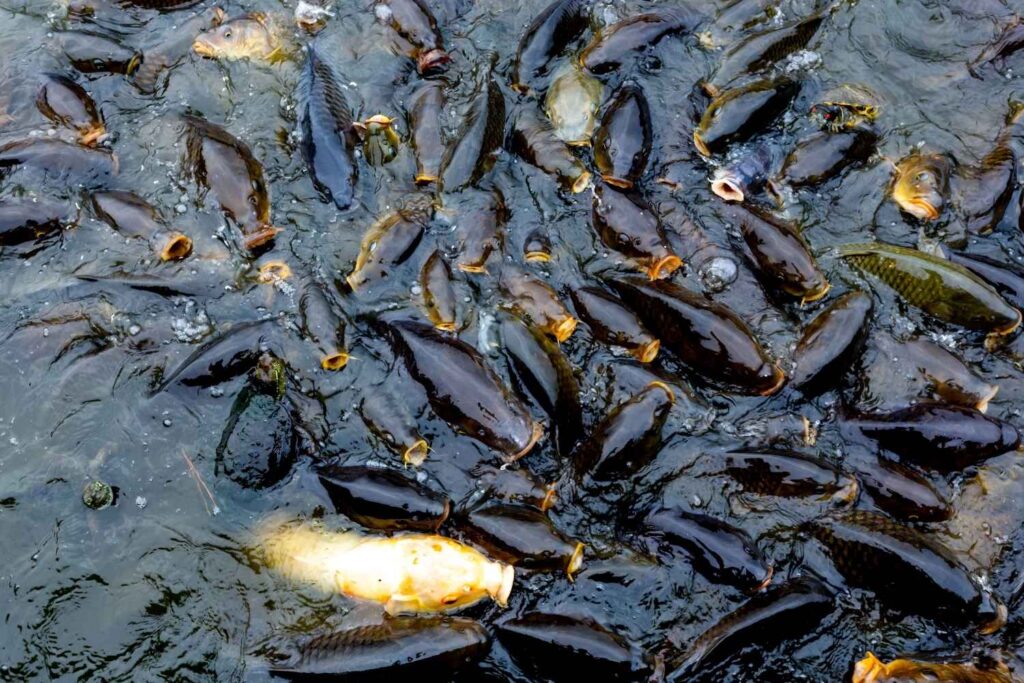
Invasive species do not spread evenly. What overwhelms Florida reefs may be irrelevant in the Pacific Northwest. This regional variability complicates attempts to frame invasive dining as a universal solution.
Menus reflect geography. Periwinkle snails appear along Atlantic coasts, while copi targets Midwest waterways. Local engagement matters, as does cultural acceptance. A dish celebrated in one city may fail elsewhere. The movement grows unevenly, shaped by taste, tradition, and ecological urgency.
10. The dinner table now carries unexpected responsibility.
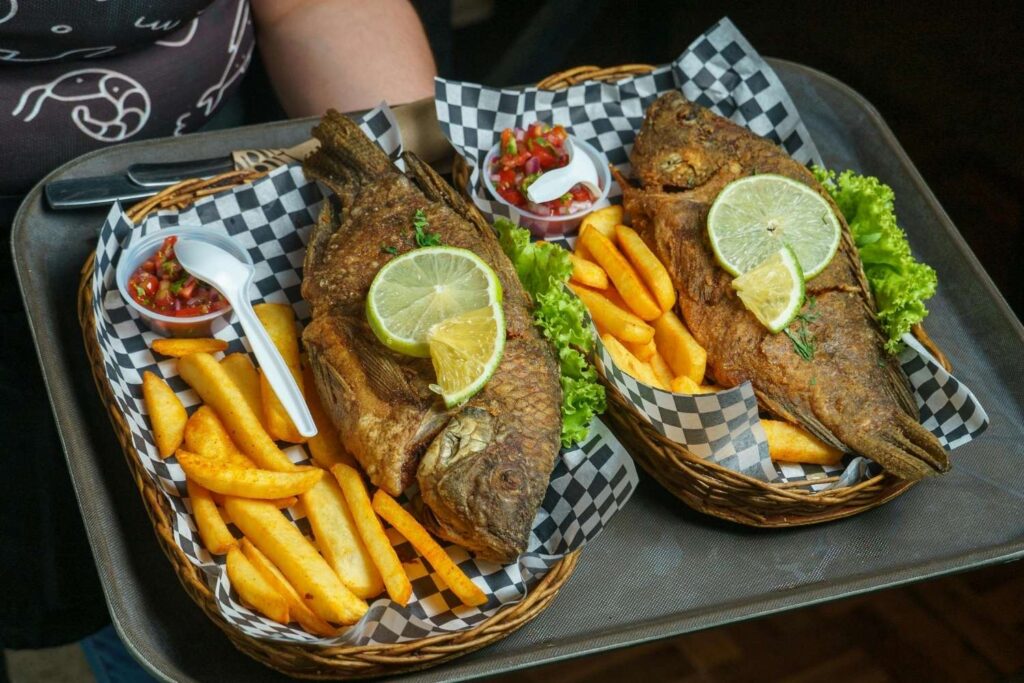
Choosing what to eat rarely feels political, yet invasive species challenge that comfort. Each bite represents an interaction with ecosystems under strain, even when intentions are casual or curious.
Chefs listening to scientists have opened a door, not closed a loop. Eating invasive species does not replace habitat restoration or regulation. Still, it shifts the conversation from helplessness to participation. The implications are unfinished, unfolding quietly, one menu at a time.