
Cities are becoming unexpected wildlife refuges.

Across the world, endangered animals are appearing in places built for people rather than wildlife. Suburbs, ports, drainage corridors, rail lines, and city parks now overlap with shrinking natural habitats. For some species, urban areas offer food, warmth, and fewer natural predators. For others, cities introduce vehicles, noise, disease, and conflict. These animals are not moving by choice alone. They are adapting under pressure. When endangered species begin living alongside people, survival improves in some ways and becomes more dangerous in others, reshaping conservation, public safety, and daily urban life.
1. Florida panthers are moving through suburban neighborhoods.

In South Florida, Florida panthers increasingly travel through suburban edges near Naples, Fort Myers, and rural developments. Habitat fragmentation forces them to cross roads, canals, and residential corridors while searching for mates and territory. Neighborhood green belts and undeveloped parcels act as narrow passageways rather than true habitat.
This proximity increases risk dramatically. Vehicle collisions remain a leading cause of death. According to the Florida Fish and Wildlife Conservation Commission, road mortality continues to threaten population recovery even as protected lands expand, showing how urban adjacency complicates conservation success.
2. San Joaquin kit foxes are surviving inside California cities.
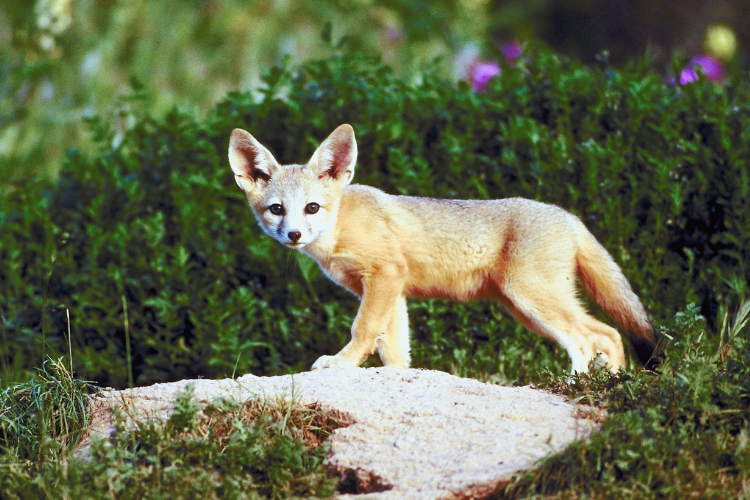
San Joaquin kit foxes now live inside cities such as Bakersfield, using storm drains, culverts, and vacant lots as den sites. These urban structures mimic underground burrows and offer relative safety from predators. Cities also provide stable food sources through rodents and human waste.
Urban survival comes at a cost. As stated by the US Fish and Wildlife Service, kit foxes in cities face higher exposure to vehicle strikes, rodenticides, and disease. Urban living increases daily survival opportunities while raising long term health and mortality risks.
3. European hedgehogs rely on gardens as last refuges.
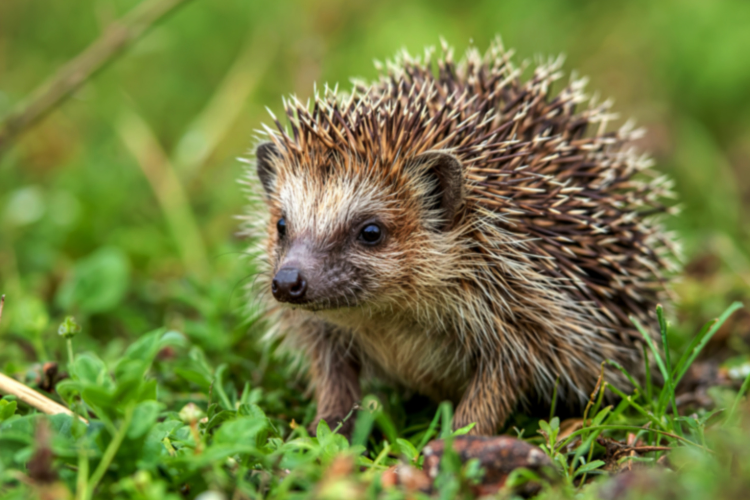
Across the United Kingdom, European hedgehogs increasingly depend on suburban gardens, parks, and green strips as farmland and hedgerows disappear. Urban yards now function as fragmented refuges where food remains available but movement is restricted.
Cities introduce hidden dangers. According to the British Hedgehog Preservation Society, traffic, fencing, and habitat fragmentation within towns contribute significantly to population decline. Even where food exists, barriers prevent safe movement between green spaces, turning neighborhoods into ecological traps.
4. Red wolves are navigating towns and farmland edges.

In eastern North Carolina, red wolves inhabit landscapes that blend forests, farms, roads, and small towns. Limited habitat forces frequent overlap with humans, livestock, and domestic dogs. Wolves use field edges and drainage corridors to move quietly through settled areas.
This closeness creates new threats. Vehicle collisions, hybridization with coyotes, and human conflict increase near town boundaries. Urban adjacency complicates recovery by adding risks that cannot be solved through land protection alone.
5. Mountain gorillas forage closer to villages and farms.

In Rwanda and Uganda, mountain gorillas increasingly approach villages and farmland as forest edges shrink. Crops provide calorie dense food that draws groups out of protected areas and closer to people.
This proximity raises serious concerns. Gorillas are highly susceptible to human disease. Conservation teams now manage buffer zones, monitor health, and work with local communities. Urban edges improve short term feeding opportunities but increase long term vulnerability for one of the world’s rarest primates.
6. African penguins are nesting beside major coastal cities.
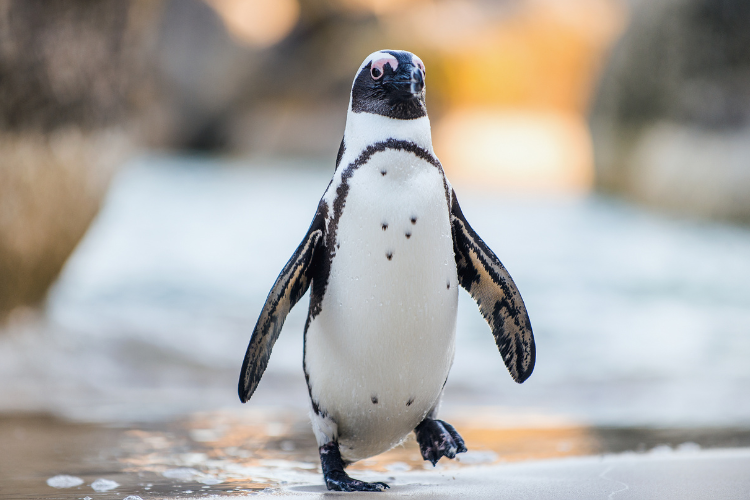
Along South Africa’s coastline, African penguins now breed near Cape Town suburbs after historic colonies collapsed elsewhere. Urban beaches offer nesting space and fewer natural predators compared to remote islands. The birds adapt to human presence, often nesting close to walkways and homes.
Urban proximity brings new dangers. Oil spills, fishing pressure, dogs, and human disturbance threaten chicks and adults. Cities provide refuge but also constant risk, forcing conservationists to manage beaches actively to balance tourism with survival.
7. Ganges river dolphins surface near crowded urban waterways.
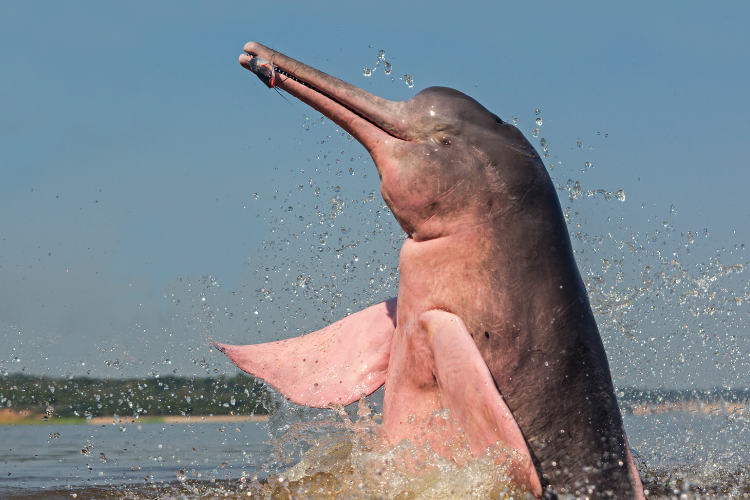
In northern India, endangered Ganges river dolphins increasingly appear near urban stretches of rivers such as the Yamuna and Ganges. Pollution and damming have narrowed their habitat, concentrating them near cities where waterways remain deep enough.
Urban rivers amplify threats. Boat traffic, noise, and chemical runoff interfere with echolocation and feeding. Their presence highlights resilience but also exposes how city infrastructure pushes endangered species into increasingly dangerous corridors.
8. Mexican gray wolves roam close to expanding towns.

In Arizona and New Mexico, Mexican gray wolves occupy reintroduction zones that now overlap roads, ranches, and small towns. As populations slowly grow, wolves encounter people more frequently while moving between fragmented territories.
Conflict remains high. Vehicle strikes and illegal killings persist near communities. Urban adjacency forces wolves into risky travel routes, testing public tolerance even as conservation efforts show slow progress.
9. Sea turtles nest along heavily developed beaches.

Across Florida and parts of the Mediterranean, endangered sea turtles lay eggs on beaches lined with homes and hotels. Artificial lighting disorients hatchlings, drawing them inland instead of toward the ocean.
Cities reshape survival odds. Beach management, lighting restrictions, and volunteer patrols now determine nest success. Urban beaches become both essential nesting grounds and obstacles that hatchlings must overcome to survive.
10. Leopards are adapting to life inside major cities.
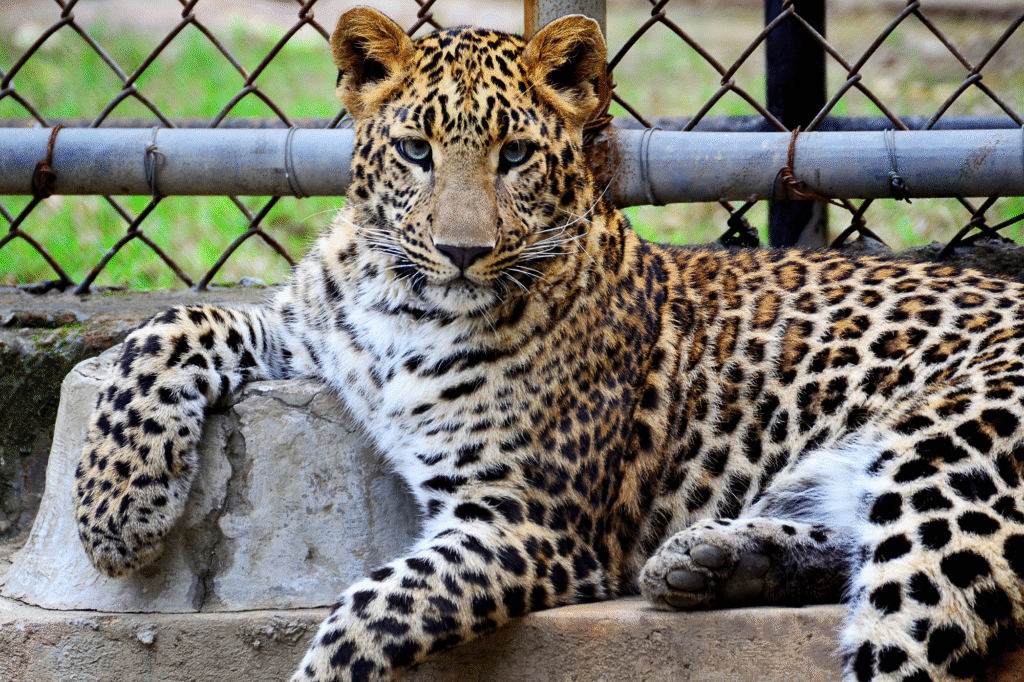
In India, leopards live within cities such as Mumbai, using parks, rail corridors, and undeveloped land to hunt prey. Abundant food and green pockets support their presence despite dense human populations.
Encounters can turn deadly. Leopards move mostly at night, but conflict arises when human routines overlap hunting paths. Urban landscapes now form part of leopard habitat, forcing coexistence where wilderness once buffered interactions.