
The crisis continues in quiet, steady motion.

Pangolins have slipped out of the spotlight, although their situation has not improved. Many people thought seizures of trafficked scales a few years ago meant things were turning around, yet the most recent conservation reports suggest the pressure on these animals is simply shifting shape. Two thousand twenty four and two thousand twenty five field updates show that the forces pushing pangolins toward extinction have only become more complicated.
Researchers across Africa and Asia describe a tangled mix of trafficking routes, habitat loss and shifting market demands. Conservation teams say pangolins remain incredibly difficult to monitor because they hide so effectively, which keeps the real numbers a mystery. That uncertainty continues to work against them, even as global concern has relaxed.
1. Trafficking networks keep finding new paths.

Recent investigations by wildlife trade groups reveal that traffickers rerouted large scale pangolin shipments through smaller ports in Tanzania, Mozambique and remote stretches of Laos. These areas have less enforcement capacity, which keeps the trade alive despite international bans. Many seizures that make global news capture only a fraction of what moves through the shadows. Conservation officers say the trade has grown quieter and harder to intercept. When routes shift faster than regulations, it gives buyers and middlemen an advantage even as global awareness fades.
Field workers report that displaced pangolins rarely survive long after confiscation, which means every shipment represents a severe loss. Some rescues attempt rehabilitation, but stress and injury often take a toll before they can recover. As trafficking becomes more discreet, the pressure on rehabilitation centers grows heavier with little support.
2. Demand for scales remains quietly strong in major cities.

Market research teams in Guangzhou, Lagos and Hanoi note that scale demand still circulates in underground shops despite public crackdowns. Buyers no longer advertise openly, yet long standing relationships between suppliers and customers remain active. The belief in medicinal benefits continues across several regions, even as global health authorities state there is no proven value. These social dynamics keep pangolins targeted in forests that are already stressed by other threats.
Interviews with conservation outreach groups show that education campaigns helped curb open sales, but old habits usually move into private networks rather than disappear. That shift makes demand harder to measure and almost impossible to stop. Hidden markets thrive when attention fades, which leaves pangolins exposed to the same risks as before.
3. Habitat loss is accelerating across key pangolin regions.

Satellite mapping from late two thousand twenty four shows rapid land clearing in Ghana, Cameroon, Sumatra and Sabah, cutting through pangolin feeding routes and burrow zones. Logging companies and expanding farms often operate near protected areas, shrinking the quiet spaces pangolins need to forage safely. Even small patches of forest loss can disrupt their wandering patterns since they rely on ant rich microhabitats that do not regenerate quickly.
Local ecologists say that fragmented forest blocks behave like ecological traps. Pangolins follow scent trails into areas that appear lush from the ground but lack ant colonies because of soil disturbance. These silent changes reduce survival long before anyone notices a population crash. Without intact corridors, even healthy pangolins struggle to move between food sources.
4. Rescue centers remain overwhelmed by incoming animals.

Caretakers in Vietnam, Thailand and Uganda describe near constant admissions of injured pangolins rescued from traps and roadside seizures. Many animals arrive dehydrated, stressed or with broken claws from attempts to escape confinement. Recovery requires skilled staff who know how to handle the species without causing further harm, yet most centers report they do not have enough trained personnel to meet the demand.
Funding also lags. Donations tend to surge after large seizures make headlines then taper off within months. That pattern leaves facilities with long term responsibilities and short term budgets. When resources run thin, survival rates drop, and release programs fall behind. Pangolins need quiet, instinct driven rehabilitation, but most centers must improvise care with limited supplies.
5. Population data is still nearly impossible to verify.

Pangolins are famously elusive. They travel alone, avoid open spaces and forage at night, which makes them incredibly hard to track. Scientists rely on camera traps and scent based surveys, but these tools often miss individuals who stick to dense thickets or underground burrows. As a result, no one knows how many pangolins remain across Africa or Asia. That uncertainty shapes policy decisions with shaky information.
Conservation teams say the lack of reliable numbers complicates everything from emergency listings to habitat protections. Governments prefer hard data before launching expensive conservation plans, yet pangolins rarely offer it. Their secrecy buys them survival in the short term but robs them of political urgency, and each year adds more unknowns to the puzzle.
6. Poaching tools are becoming smaller and harder to detect.

Forest patrols across Nigeria, Indonesia and Malaysia report an increase in lightweight snare sets that are easier to hide along footpaths. These traps target a range of animals, but pangolins fall into them frequently because of their slow, methodical movement. The new snare designs blend with leaf litter, so rangers often miss them even during close inspections. That makes patrols feel like races against invisible threats.
Communities near protected forests say the traps appear after short spikes in demand from buyers who pass through town. By the time rangers respond, poachers have removed most evidence. That cycle leaves pangolins in constant danger as the tools designed to capture them become almost undetectable.
7. Online wildlife trading continues through private channels.
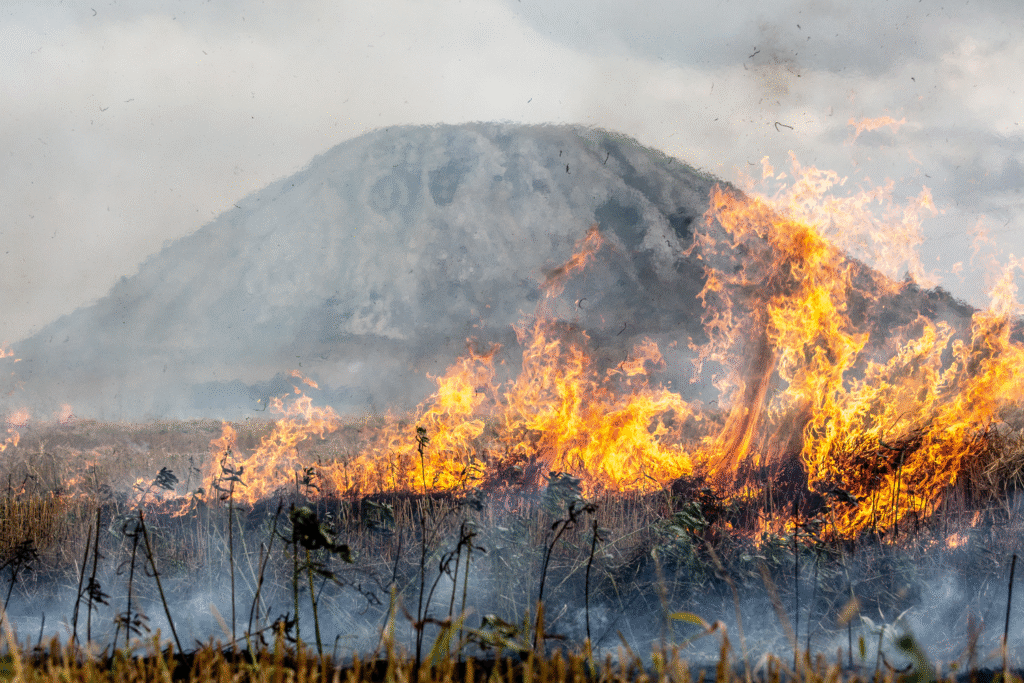
Researchers monitoring digital marketplaces noticed that pangolin related searches drop on public platforms after major law enforcement announcements. However, private chat groups and encrypted messaging apps show more persistent activity. Some sellers use coded language to reference scales or live animals, which hides listings from automated moderation tools. These tactics keep trade alive even when the public believes the crisis has slowed.
Digital investigators also report that transactions now jump between multiple platforms, making enforcement complicated. Each move adds another layer of distance between the buyer and the source. With global attention fading, these online networks grow bolder and more adaptable, creating a dangerous sense of normalcy for illegal wildlife trading.
8. Climate shifts are changing pangolin food availability.

Warmer seasons in southern Africa and parts of Southeast Asia have disrupted ant and termite cycles, leaving pangolins with unpredictable food supplies. Heavy rains wash out colonies, and extended dry spells reduce insect density for months at a time. Pangolins depend almost entirely on these insects, so any shift in abundance affects their health quickly.
Ecologists studying insect populations say the changes ripple through forests in subtle ways. Pangolins spend more energy searching for food, which raises stress levels and reduces reproduction success. Even small fluctuations in climate patterns can push vulnerable animals into survival mode. It is another pressure few people saw coming when early headlines focused only on trafficking.
9. Reproduction rates remain naturally low for all species.
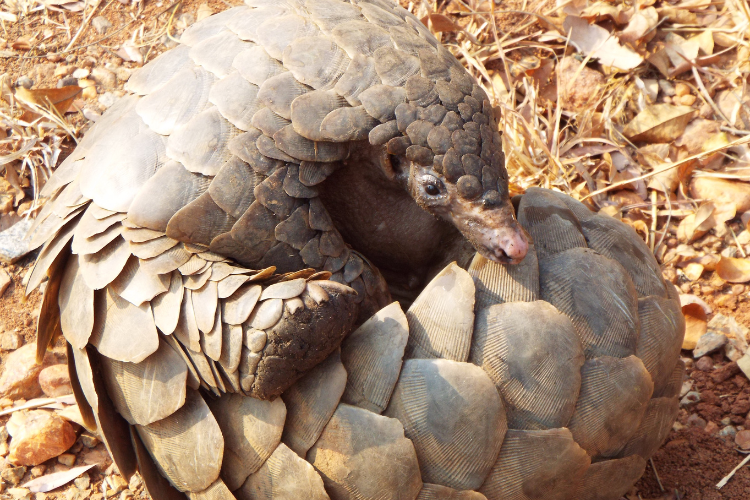
Female pangolins typically give birth to a single pup after a long gestation period, which means populations grow slowly even under ideal conditions. Stress from habitat loss, noise and human presence can reduce pregnancy success, and many pups do not survive their first months if the mother is weak from poor nutrition. These biological limits stand in stark contrast to the speed of trafficking.
Veterinarians who study pangolin reproduction note that captive breeding programs rarely succeed because pangolins require very specific diets and environmental conditions. With low birth rates in the wild and limited breeding success in care, every loss carries more weight. Recovery cannot happen quickly when nature favors slow growth.
10. Local communities struggle with limited economic alternatives.

Villagers living near pangolin habitats in Cameroon, Laos and Sierra Leone describe a difficult reality. Some turn to poaching because the income from a single pangolin can cover food or school fees. Conservation groups try to introduce alternative livelihoods, but these programs take time and stable markets to succeed. When economic pressures rise, wildlife becomes a source of quick income again.
Community leaders say that awareness campaigns help shift attitudes, yet attitude shifts cannot erase immediate survival needs. Without long term support for local economies, pangolins remain vulnerable to situations that push people toward the trade. This social layer is one of the most challenging pieces of the crisis.
11. Conservation momentum slows once global attention fades.

Most major pangolin news stories appeared between two thousand nineteen and two thousand twenty one, creating a brief surge of global urgency. Since then, attention has scattered across newer wildlife crises, bringing fewer donations and reduced pressure on governments. Conservation teams say this lull leaves the door open for trafficking to rise quietly again. Pangolins become easier to ignore because they rarely appear in the public eye.
Still, their survival depends heavily on continued awareness. Researchers emphasize that pangolins are incredibly resilient when they have space, food and protection. The problem has never been their biology, it has always been the forces surrounding them. When the spotlight dims, those forces gain ground, reminding us why pangolins remain so close to the edge.