
A massive rock is racing through the inner solar system.
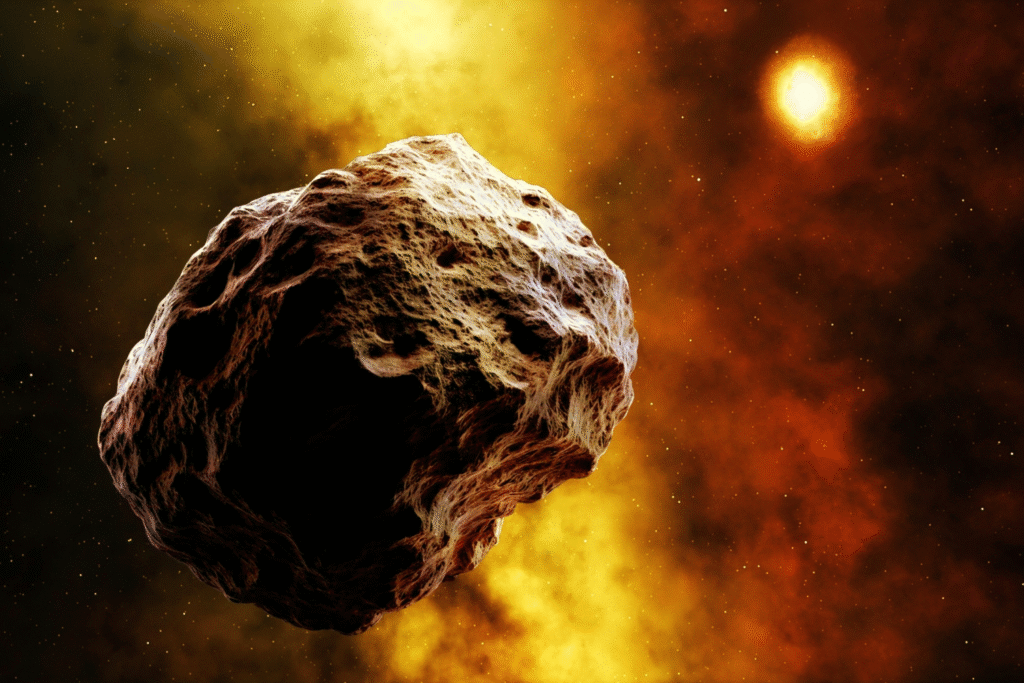
Astronomers have confirmed the discovery of an enormous asteroid roughly the size of a skyscraper, now one of the fastest-known objects orbiting the Sun. Named 2025 SC79, it completes a full orbit in just 128 days—a rare and remarkable speed for an asteroid of its size. Hidden until recently by the Sun’s glare, this find is transforming how researchers think about near-Sun space and the unseen population of asteroids that may be circling close to our star without our knowledge.
1. The asteroid was spotted hiding near the Sun’s glare.

Scientists led by Scott S. Sheppard of the Carnegie Institution detected the asteroid in late September while using the Dark Energy Camera to scan regions near the Sun’s edge, as reported by Carnegie Science. They were searching twilight skies—a narrow observational window often avoided because of intense brightness—but this strategy finally paid off. The object appeared faint, darting across the field of view faster than expected.
Follow-up observations confirmed 2025 SC79’s rapid orbital pattern, cementing it as one of the rare “twilight asteroids.” Its discovery suggests many other space rocks may be hiding in that blinding zone. If so, the inner solar system could be far more dynamic than scientists ever realized.
2. It completes an orbit in just 128 days and moves extremely fast.
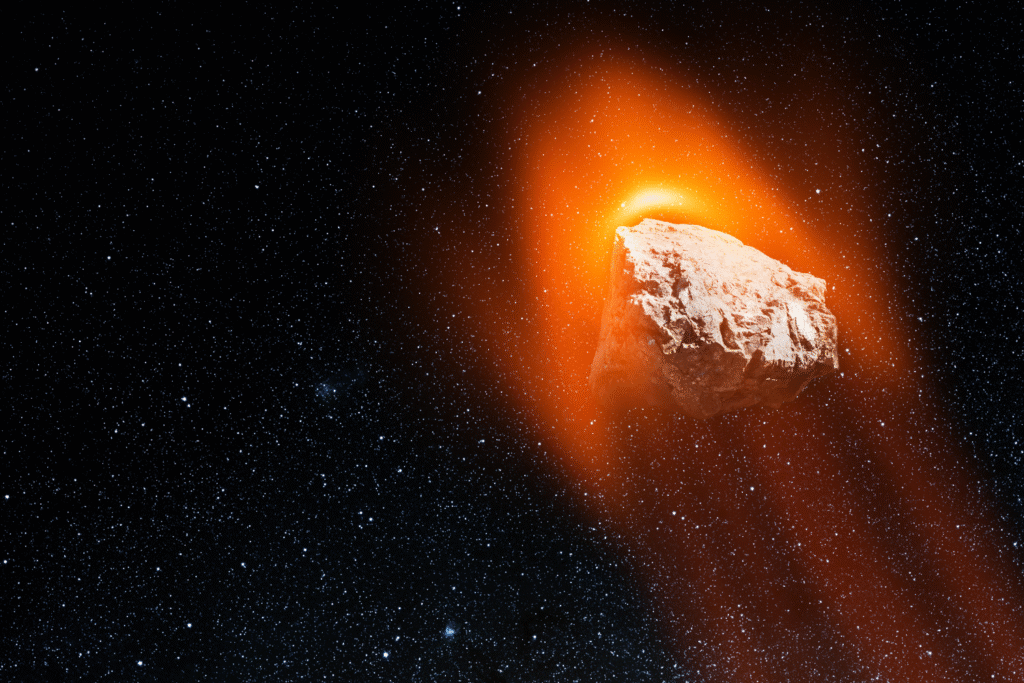
The asteroid’s orbit is astonishingly tight, looping the Sun every 128 days, shorter than Mercury’s year. That pace makes it the second-fastest asteroid ever identified, according to NASA. Such speed means it’s experiencing enormous gravitational forces and temperature swings, challenging existing models of how asteroids survive near the Sun.
Most asteroids take years to orbit, but this one rushes through in a few months, suggesting it’s built from materials that can endure extreme heat. That resilience makes scientists wonder if it once came from deeper within the solar system before being nudged inward. Every orbit it completes reveals more about how close to the Sun solid rock can survive.
3. Its size is estimated at roughly 700 meters across.
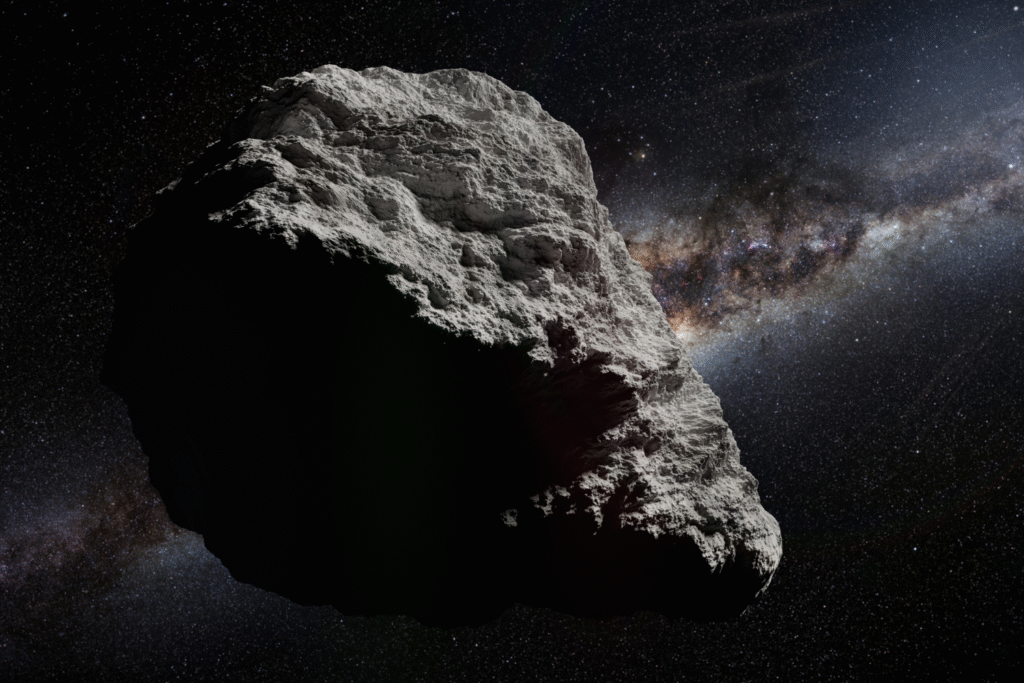
As stated by Space.com, 2025 SC79 measures about 700 meters wide—large enough to rival a city skyscraper. That makes it big enough to reflect sunlight strongly, helping confirm its path even from great distance. If its orbit ever shifted toward Earth, its impact would be catastrophic, but current projections show it’s staying safely confined near the Sun.
Its scale also tells astronomers this wasn’t a fragment recently chipped from another asteroid. Instead, it’s a mature, ancient body that has likely circled the inner solar system for eons. Such objects act as natural archives of early solar history, preserving materials forged before any planet existed.
4. The asteroid’s orbit stays entirely inside Venus’s path.
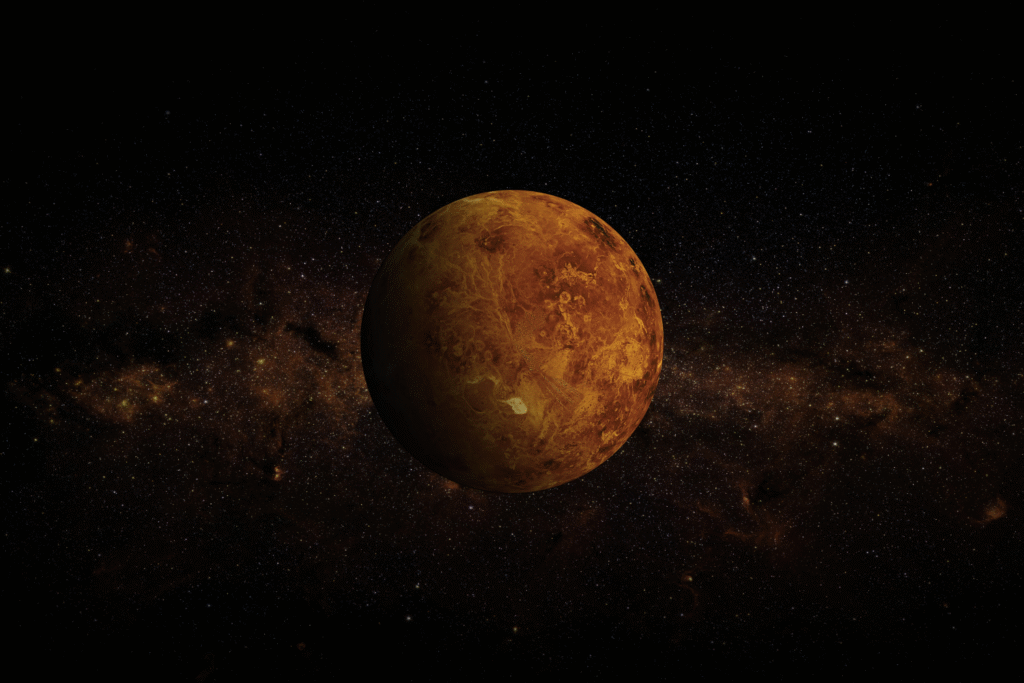
Unlike most asteroids that reside between Mars and Jupiter, this one zips inside the orbit of Venus, occasionally brushing close to Mercury’s domain. That means it’s exposed to extreme sunlight, radiation, and gravitational stress almost daily. Over time, those forces can reshape its surface, creating cracks or melting minerals into glassy patches.
Its unique orbit also defines it as part of a growing class known as Atira or Apohele asteroids. Because these bodies stay hidden in daylight, scientists have only begun cataloging them. Each new discovery expands our picture of what really moves within the Sun’s inner arena.
5. Detecting objects this close to the Sun is notoriously difficult.
Asteroids orbiting near the Sun spend most of their time drowned in brightness, making them almost invisible to ground-based telescopes. Researchers have to observe during twilight, when the Sun dips just below the horizon. That narrow window lasts minutes, forcing teams to plan carefully and use high-speed cameras.
2025 SC79’s discovery shows those efforts are worth it. For years, models predicted undiscovered asteroids would lurk there, waiting for the right technology to expose them. Every new find like this one narrows the mystery of what we still haven’t seen within our own solar backyard.
6. Its existence hints that other hidden giants may remain unseen.

If an object hundreds of meters wide could stay hidden until now, there may be others just as large orbiting within that same inner region. Astronomers now suspect a whole population of “sun-skimming” asteroids might exist, shielded by the Sun’s glare. Some could be smaller fragments, others even larger relics that drifted inward long ago.
Future missions like NASA’s NEO Surveyor will focus precisely on these elusive zones. By scanning infrared light that pierces solar glare, they hope to map the unseen asteroids that quietly circle closer than Venus. What’s found there could change risk assessments for planetary defense.
7. Its orbit might have shifted inward over millions of years.

Theories about 2025 SC79’s journey suggest it was once part of the main asteroid belt between Mars and Jupiter. Over eons, gravitational nudges from Venus or Earth—and tiny forces from sunlight called the Yarkovsky effect—may have drawn it inward. Each pass closer to the Sun would strip away volatile minerals and reshape its orbit further.
Now trapped in a tight, sun-hugging path, it serves as a fossil of dynamic solar history. Studying it could reveal how planetary systems evolve and how many ancient bodies get stranded near their stars, slowly eroding under constant radiation.
8. The asteroid poses no direct threat to Earth right now.
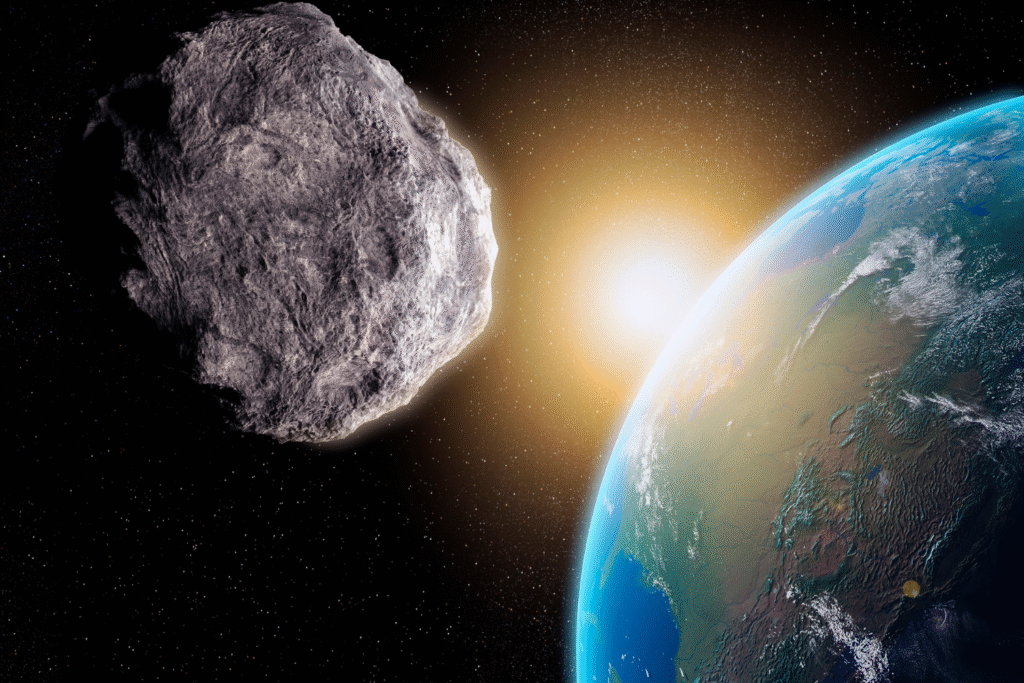
Even though it’s enormous, astronomers say 2025 SC79 is not heading toward our planet. Its orbit sits safely inside Venus’s, never crossing Earth’s path. Still, constant tracking matters because gravitational pulls and solar radiation can shift orbits subtly over time. A small change could have big consequences centuries from now.
That’s why planetary defense teams keep revisiting known asteroids to refine their trajectories. Each observation improves models that predict how heat, gravity, and collisions might alter an object’s path. It’s slow, meticulous work—but essential for staying ahead of what space might send our way.
9. Studying it helps decode the physics of near-Sun survival.
Asteroids that orbit this close to the Sun endure searing heat, fluctuating magnetic fields, and intense radiation pressure. Observing how 2025 SC79 holds together helps scientists understand what materials can survive that punishment. If its spin rate, density, and mineral composition can be mapped, it could reveal secrets about rock durability in extreme environments.
That knowledge matters beyond curiosity. It shapes how we model asteroid stability near other stars too. By learning how one rock survives so close to our own Sun, astronomers refine their understanding of countless planetary systems across the galaxy.
10. Its discovery proves the solar system still surprises us.
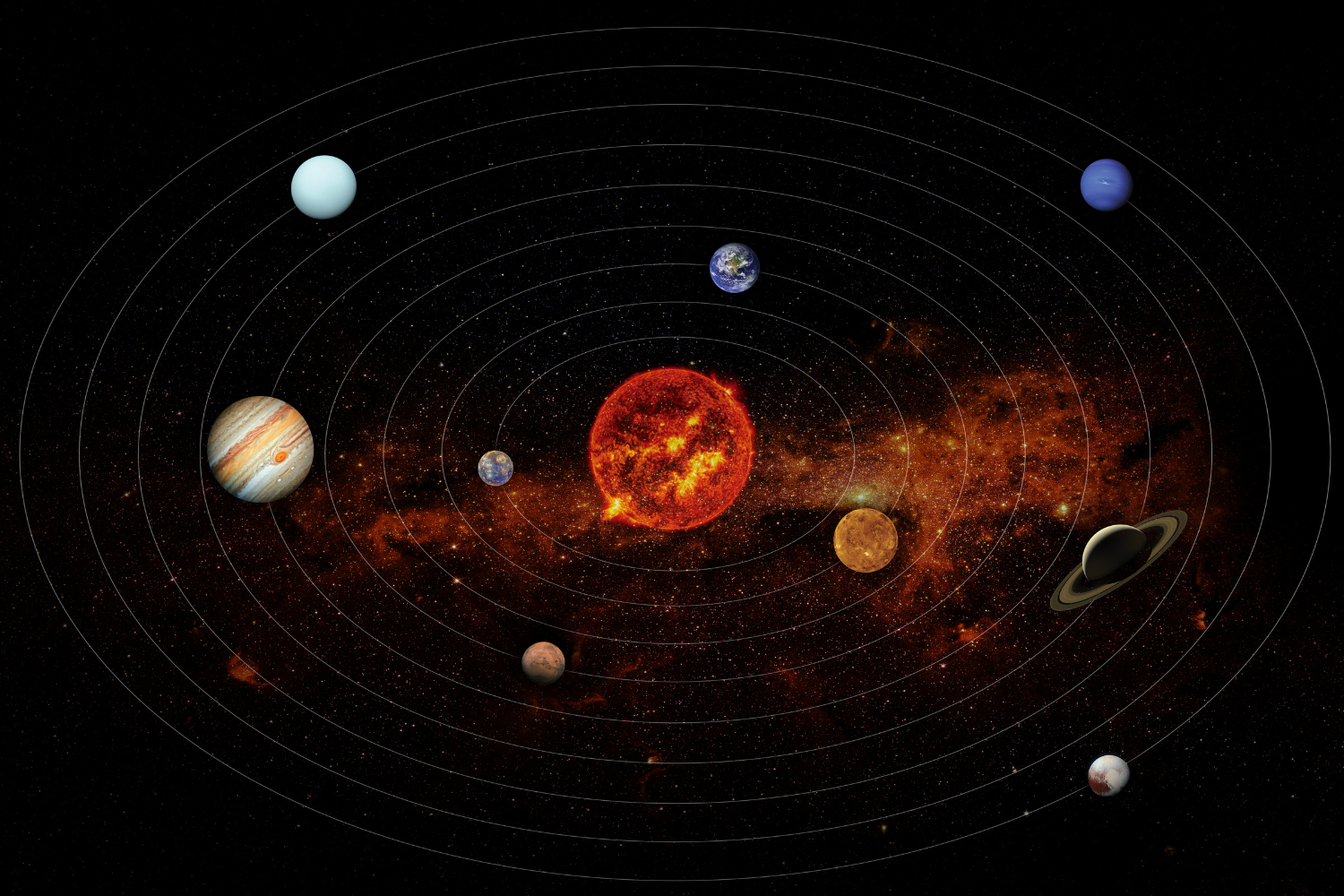
Even with modern telescopes scanning the skies daily, the universe keeps secrets. A skyscraper-sized object moving at near-record speed just appeared from a part of space we can barely see. The find is both humbling and thrilling—it shows how much of our own neighborhood remains unexplored.
2025 SC79’s story is still being written, but its arrival already reshapes what scientists thought they knew about the inner solar system. Every orbit it makes, every fragment of data we gather, becomes another reminder that space is restless, unpredictable, and constantly rewriting its own rules.