
The world’s highest summit is showing human scars.
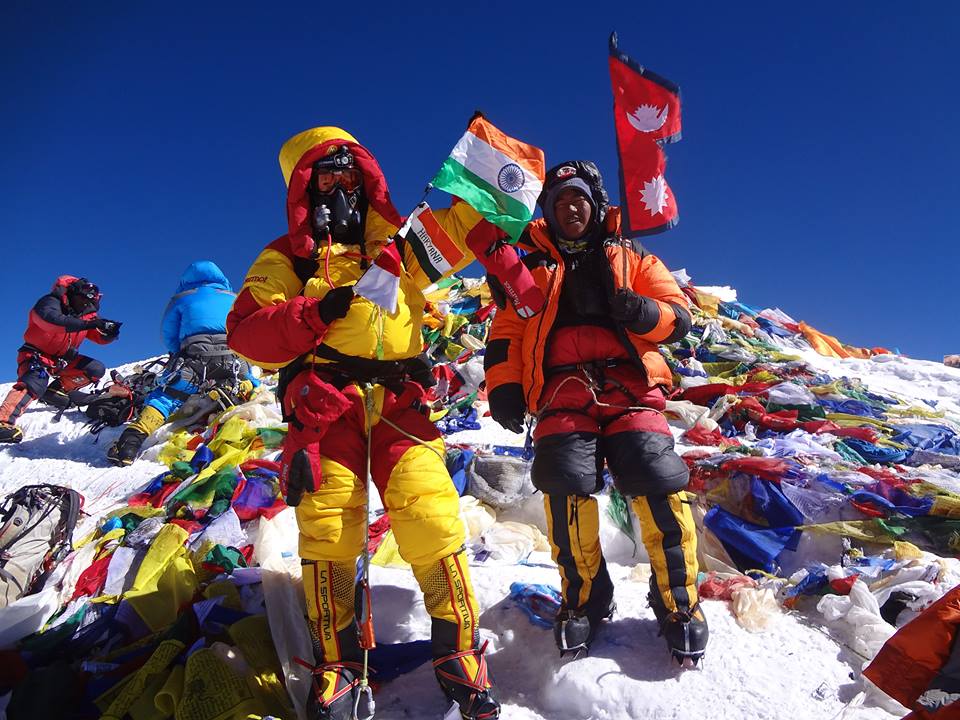
High above the clouds, Mount Everest has long symbolized endurance and untouched wilderness. In December 2024, a single photograph taken near the summit quietly punctured that image. The photo showed discarded oxygen bottles, torn tents and plastic debris scattered just below the peak. As it spread online, climbers, locals and environmental experts recognized the scene instantly. What was once hidden by ice and altitude has become a visible record of human presence that can no longer be dismissed.
1. The photograph was taken during the 2024 winter climbing window.
The image was captured by an international climber near Everest’s summit route in early December 2024, during a period when fewer ascents typically occur due to extreme cold and wind. Its timing intensified the reaction because winter expeditions are usually undertaken by highly experienced climbers who pride themselves on preparation and restraint, according to The Cool Down. The debris visible included oxygen cylinders, torn fabric and food packaging frozen into the surrounding snow.
The photo made clear that waste accumulation is not limited to crowded spring seasons. Even during quieter months, trash remains embedded in the landscape, waiting to reappear. The image challenged the assumption that reduced traffic automatically means reduced impact.
2. Discarded oxygen tanks dominate the summit debris.
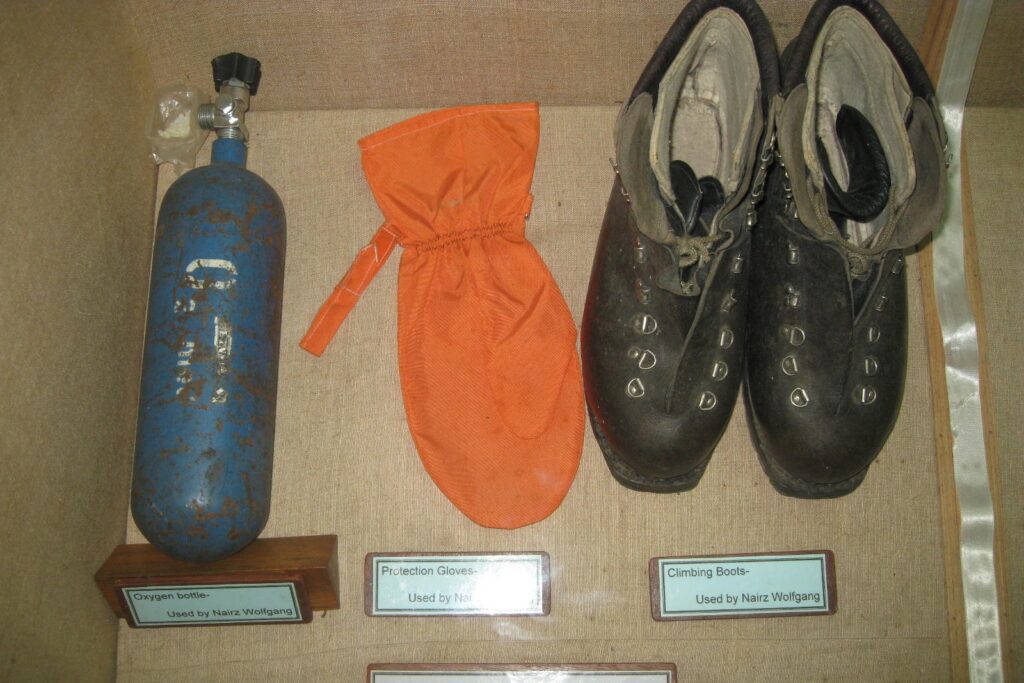
Oxygen bottles are among the most common forms of waste left near Everest’s peak because climbers often abandon them in the death zone to reduce weight during descent. At extreme altitude, every pound matters, and empty tanks quickly become liabilities. According to National Geographic, hundreds of abandoned oxygen cylinders remain scattered along summit routes, forming a metallic trail toward the top.
As glaciers slowly shift, these tanks resurface more frequently. What was once buried becomes visible again, sometimes decades later. Their presence offers a stark reminder of how survival choices made in minutes can leave marks that last generations.
3. Melting ice is revealing decades of buried trash.
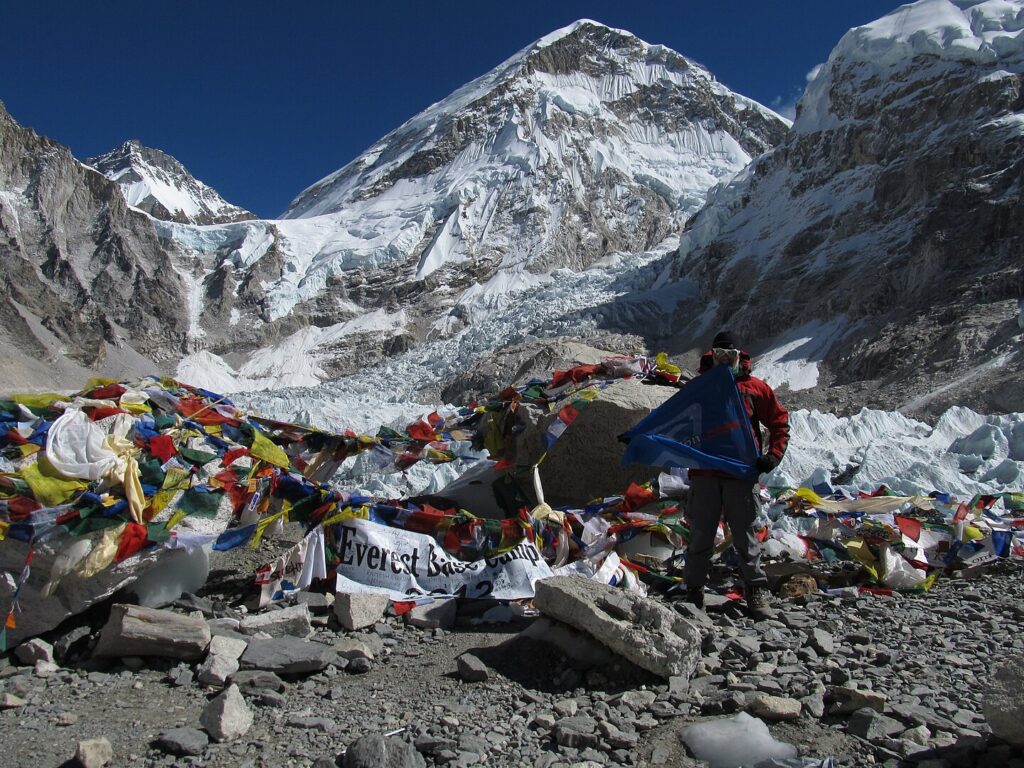
Climate warming in the Himalayas is accelerating glacier melt, uncovering waste that had been hidden for years beneath compacted snow. As stated by Earth.org, rising temperatures are exposing plastics, fabrics and human waste previously locked in ice near high camps and ridgelines. Items thought lost are reentering view as the mountain’s natural storage system breaks down.
This slow reveal transforms Everest into a time capsule of past expeditions. Each melt season exposes another layer of human residue. The mountain is not just collecting new trash but resurfacing its history, making cleanup increasingly urgent and complex.
4. Cleanup operations carry serious human risk.
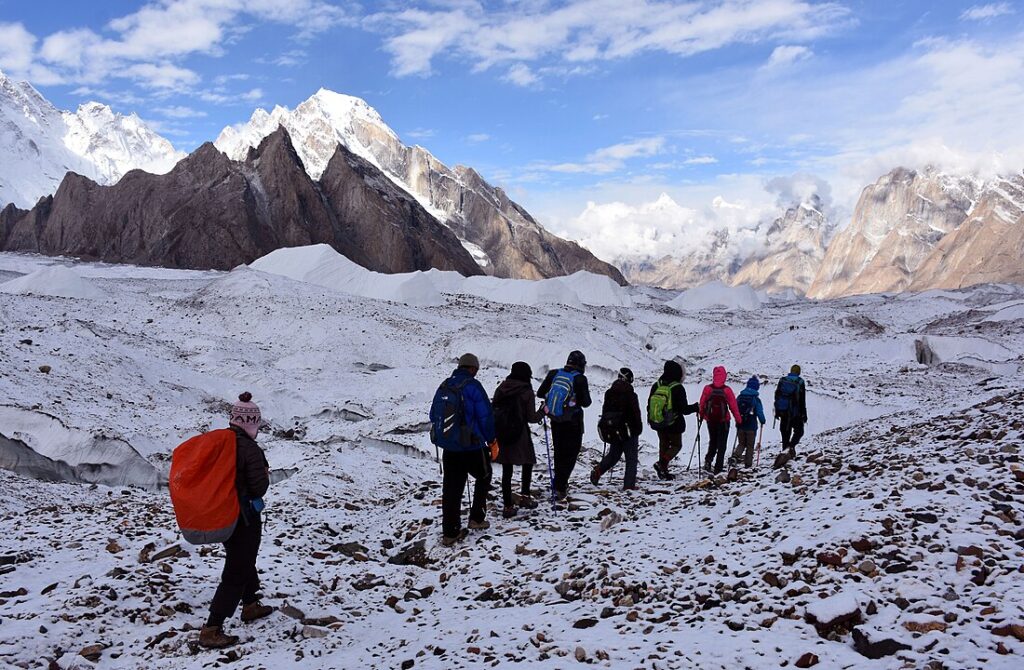
Removing trash from Everest requires climbers and Sherpa teams to return to dangerous altitudes long after summit attempts end. Cleanup crews face avalanches, unstable ice and oxygen deprivation while hauling heavy loads downhill. Many operations rely on Nepalese Army units and experienced Sherpa climbers trained for extreme recovery missions.
Each cleanup effort carries risks similar to a summit push but without the recognition. The work saves the mountain but often at personal cost. This reality raises difficult questions about who should bear responsibility for restoring what others leave behind.
5. Nepal introduced rules to limit waste abandonment.
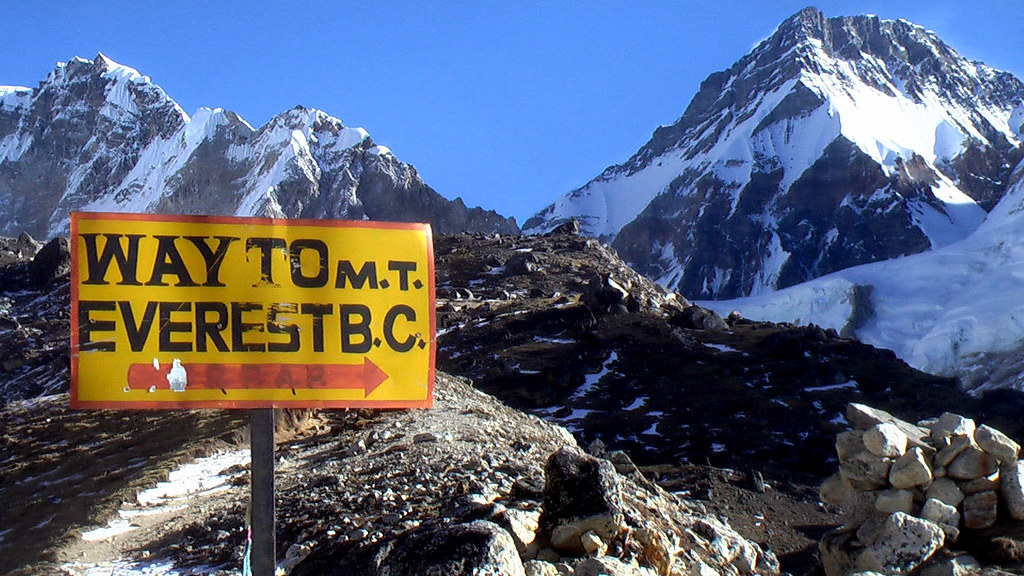
In recent years, Nepal’s government has required climbers to bring back a minimum amount of trash or risk losing a refundable deposit tied to their climbing permit. The policy was designed to discourage abandoning gear and waste at high elevations. It also aimed to create a measurable incentive for environmental accountability.
While the rule has improved awareness, enforcement remains difficult above base camp. Climbers facing exhaustion or emergencies still prioritize survival. As a result, the regulation helps but cannot fully counter decades of accumulated debris.
6. Human waste compounds the environmental problem.
Beyond visible trash, human waste remains one of Everest’s most persistent issues. At high elevations, frozen conditions prevent decomposition, causing waste to accumulate near camps and common rest areas. When ice melts, contaminants can enter streams that feed rivers used by communities below.
This pollution is largely invisible but deeply impactful. It affects water quality and ecosystem health far from the summit. The problem underscores how actions taken at extreme altitude can echo through entire regions.
7. Overcrowding accelerates trash accumulation.
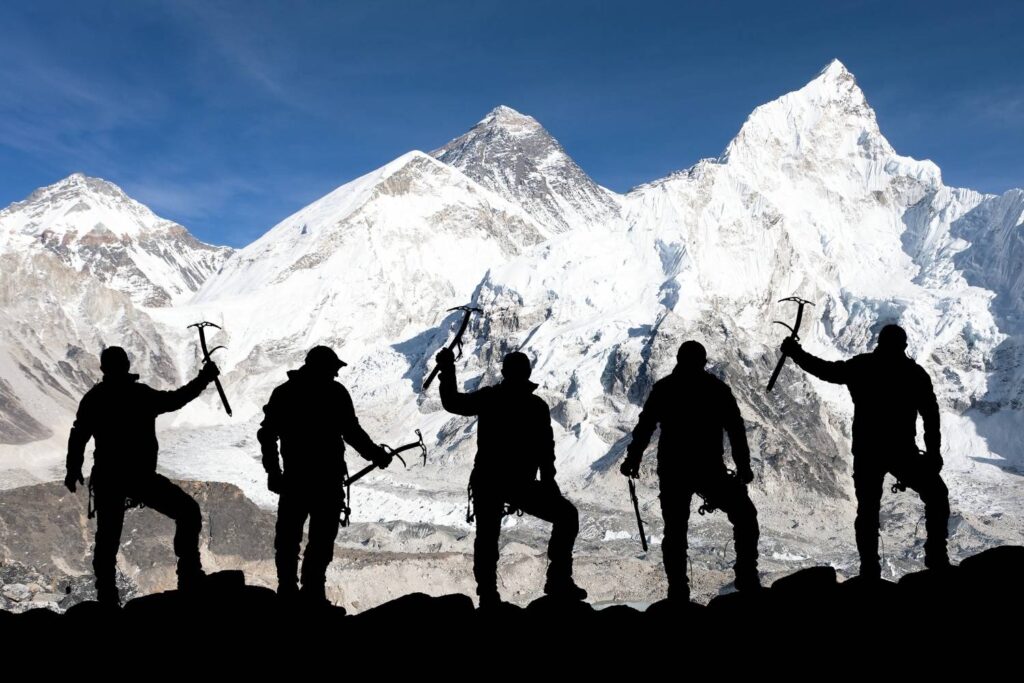
During peak spring seasons, hundreds of climbers attempt Everest within narrow weather windows. Long waits at fixed ropes increase oxygen use and fatigue, leading to higher rates of abandoned equipment. When climbers are forced to stand for hours near the summit, survival decisions often override environmental concerns.
Crowding magnifies every small decision. Even minor items become part of a larger accumulation. The mountain struggles to recover between seasons as new waste replaces what little is removed.
8. Local Sherpa communities bear lasting consequences.
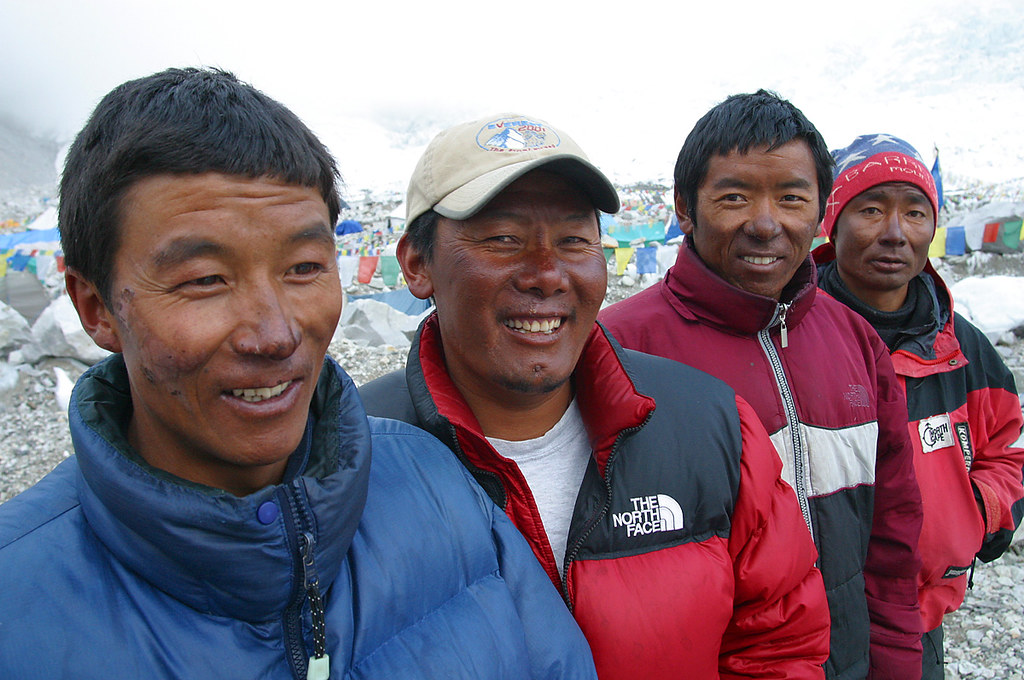
Sherpa villages in the Khumbu region depend on clean water, stable glaciers and tourism. As pollution increases, risks to water sources grow and cultural relationships with the mountain are strained. Everest is not only a climbing challenge but a sacred landscape tied to identity and tradition.
Cleanup efforts provide income but also expose locals to danger. The responsibility of preserving Everest falls unevenly on those who live closest to it. Their stewardship carries both pride and cost.
9. Everest’s reputation is shifting globally.
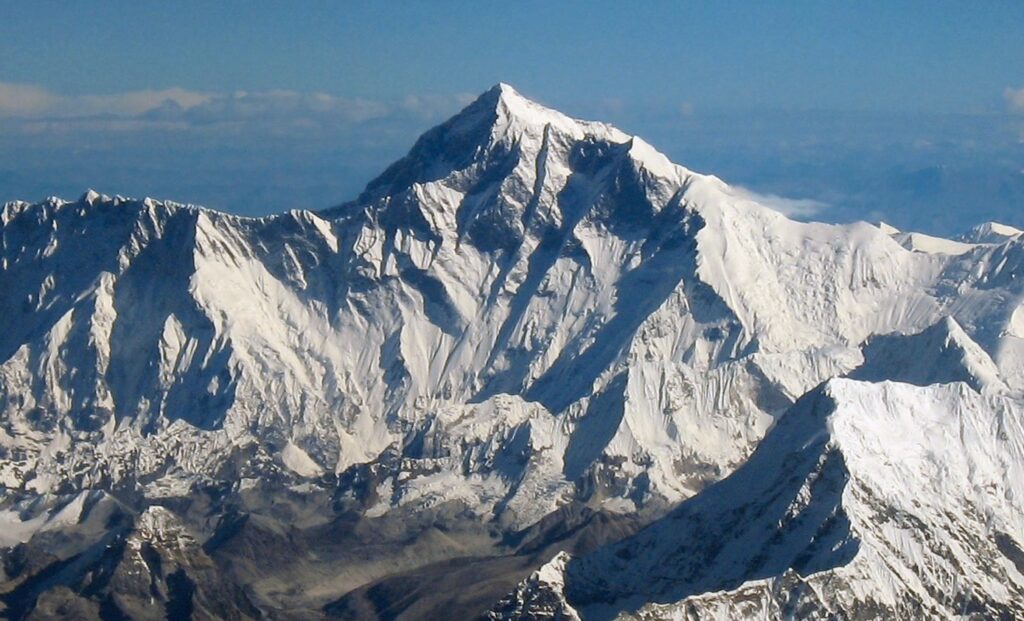
Once admired primarily for its natural beauty, Everest is increasingly described as the world’s highest garbage site. Media coverage and images like the December 2024 photograph have reshaped public perception. Awe now mixes with discomfort and concern.
This shift affects tourism, policy discussions and international pressure. Everest is becoming a symbol not just of endurance but of environmental consequence. Its image reflects humanity’s footprint as much as its ambition.
10. The image forces a reckoning beyond Everest.
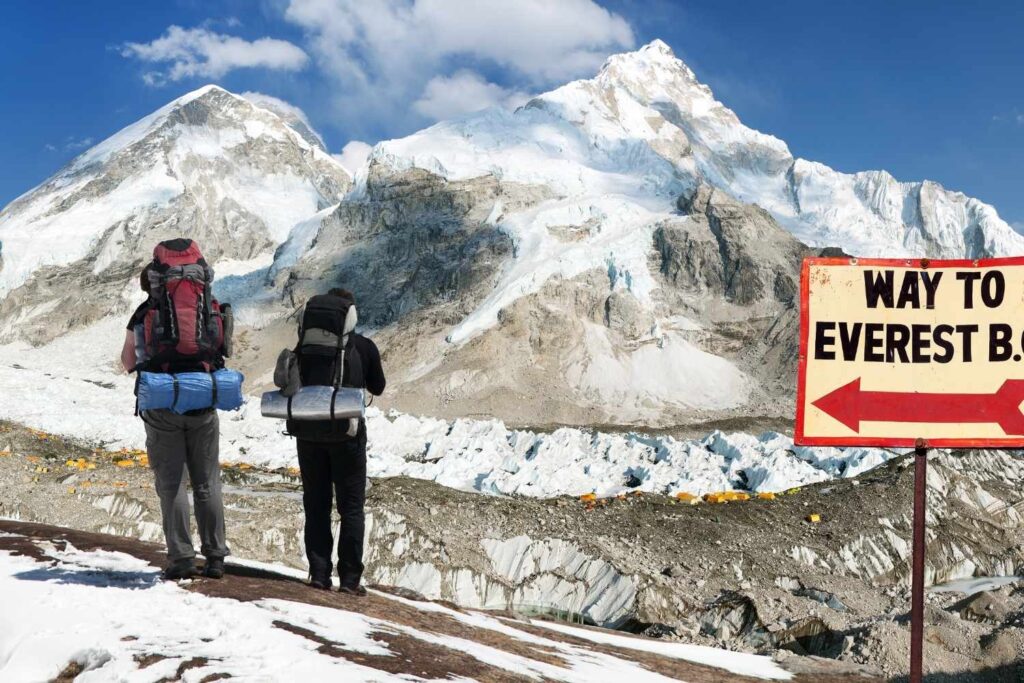
The disturbing summit photograph is not only about one mountain. It reflects how modern exploration collides with environmental limits everywhere. Everest becomes a mirror showing what happens when access expands faster than responsibility.
The image challenges climbers, governments and spectators alike. What happens at the top of the world no longer stays there. The consequences are visible, shared and increasingly impossible to ignore.