
Some breeds quietly carry enormous medical risk.
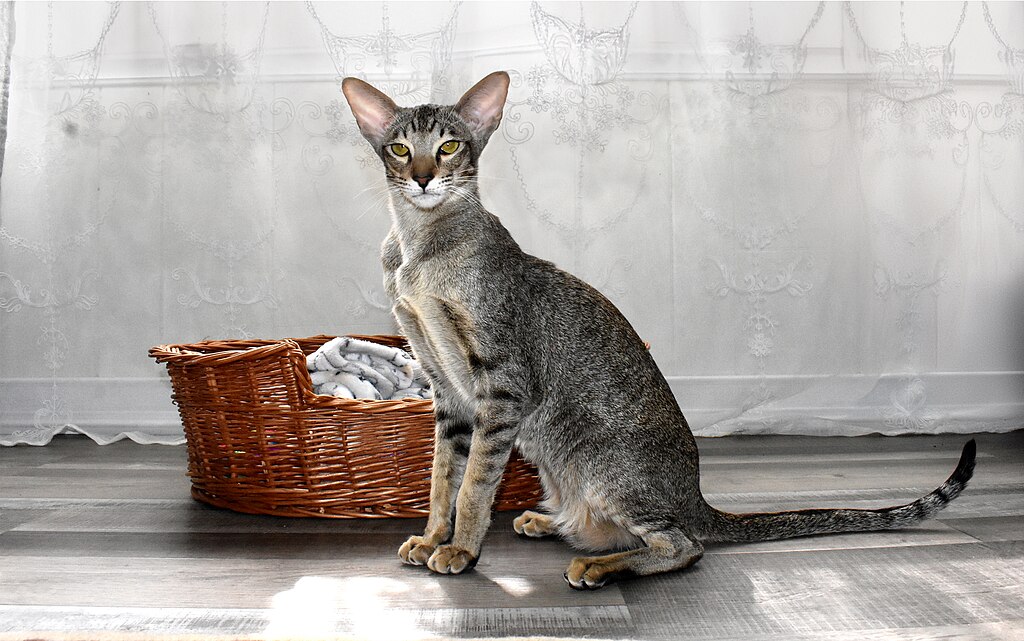
Veterinarians across busy clinics and small private practices keep noticing the same pattern. Certain cat breeds generate far more medical claims than others, and insurance companies have adjusted their premiums dramatically in response. Pet parents often discover the sharp price difference only when comparing quotes and realizing that one playful kitten costs twice as much to insure as another. Those elevated premiums trace back to genetics, chronic vulnerabilities and predictable patterns of illness that insurers have monitored for years.
1. Maine Coons often bring higher premiums due to heart issues.

Maine Coons remain popular across the United States, yet their policies cost more because of the breed’s strong connection to hypertrophic cardiomyopathy. Cardiologists tracking these cases observe how often the disease appears during routine screening, as reported by Cornell Feline Health Center. Insurers incorporate this risk directly into their pricing models.
Owners adore the breed’s gentle nature, but cardiac monitoring and potential complications generate sustained medical costs. Even asymptomatic cats require periodic checks, driving claims higher across their lifespan. Premiums rise not from rare events but from consistent, predictable care that insurers know they will eventually fund.
2. Persians tend to raise costs through chronic respiratory problems.

Persians often require more medical attention because their facial structure predisposes them to airway narrowing. Veterinarians treating these cats frequently encounter breathing difficulties, tear duct blockage and nasal inflammation according to PetMD, and insurers use this data to justify elevated premiums. Conditions often reappear rather than resolve completely.
These respiratory issues combine with grooming related concerns and skin sensitivities, adding more recurring expenses. Insurers calculate that a Persian is statistically more likely to need long term management than many other breeds. Pet parents often feel the impact of these predictable treatments reflected directly in their monthly premiums.
3. Sphynx cats often trigger high premiums due to skin vulnerability.

Sphynx cats draw attention for their hairless appearance, yet the lack of fur contributes to chronic skin concerns. Dermatologists report frequent cases of dermatitis, bacterial imbalance and sensitivity reactions as stated by the American Veterinary Medical Association. Insurers evaluate these recurring issues as long term liabilities.
Because flare ups can develop quickly, owners often require urgent visits rather than planned appointments. Temperature regulation challenges and ear maintenance add additional care needs. Insurers project a lifetime of intermittent medical interventions, resulting in policies priced significantly higher than those for breeds with fewer dermatological risks.
4. Bengals generate higher costs through activity related injuries.
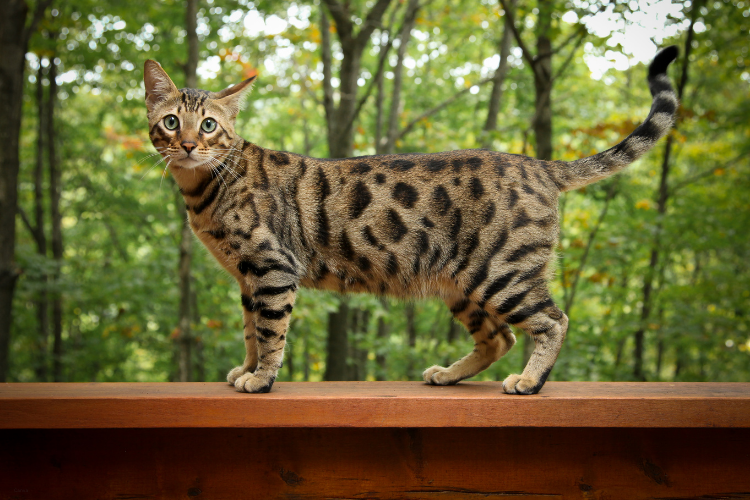
Bengals fill homes with constant motion, and their athletic behavior often leads to sprains, fractures or soft tissue injuries. Urban clinics regularly treat Bengals after accidental tumbles from shelves or rapid collisions during play. Insurers track these trends and adjust their premiums to match the heightened risk.
Their digestive sensitivities create another layer of predictable expense. Many Bengals develop food intolerances that require specialized diets or repeated evaluations. The combination of physical injuries and gastrointestinal issues creates a consistent claim pattern that pushes premiums well above average.
5. British Shorthairs raise premiums through metabolic conditions.
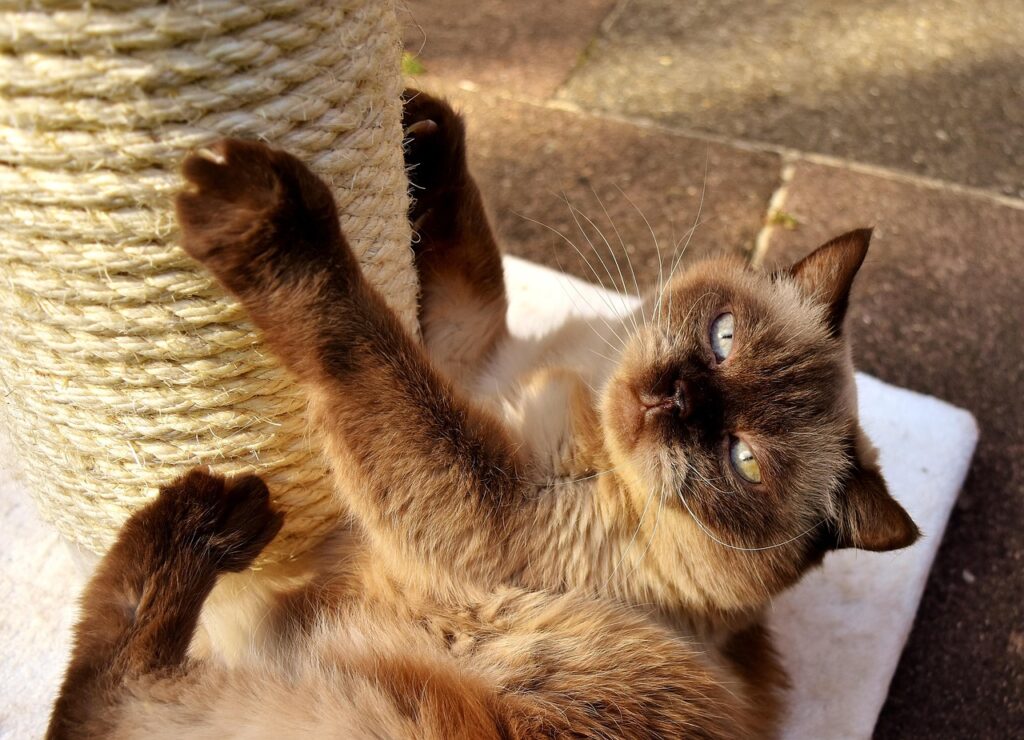
British Shorthairs tend to gain weight easily, which increases long term risk for diabetes and joint degeneration. Clinics across the Midwest report steady growth in metabolic cases among aging members of the breed. Insurance companies rely on this data, anticipating medication and monitoring throughout adulthood.
Even with careful diet control, many British Shorthairs require interventions to manage weight related complications. The slow but steady rise in medical needs creates a long term cost curve. Insurers consider these predictable trends when setting premiums, raising prices to match the expected frequency of treatment.
6. Ragdolls carry elevated premiums from heart and urinary risks.
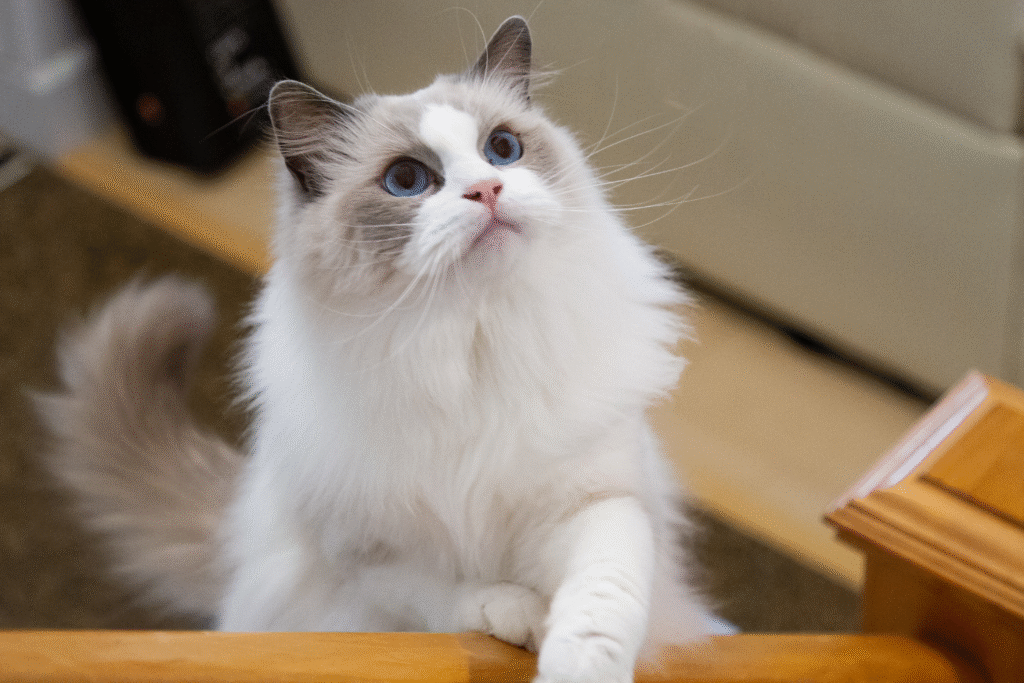
Ragdolls are gentle companions, yet their medical history contains notable vulnerabilities. Hypertrophic cardiomyopathy appears regularly within the breed, and urinary tract problems add further predictable expense. Both conditions require imaging, medication and follow up care across many years.
Even healthy appearing cats often need periodic checks to rule out emerging issues. Insurers prepare for these long term possibilities early in a cat’s life, raising premiums to reflect anticipated procedures. The breed’s calm temperament hides a medical profile that consistently generates higher claims.
7. Scottish Folds incur high premiums from joint abnormalities.
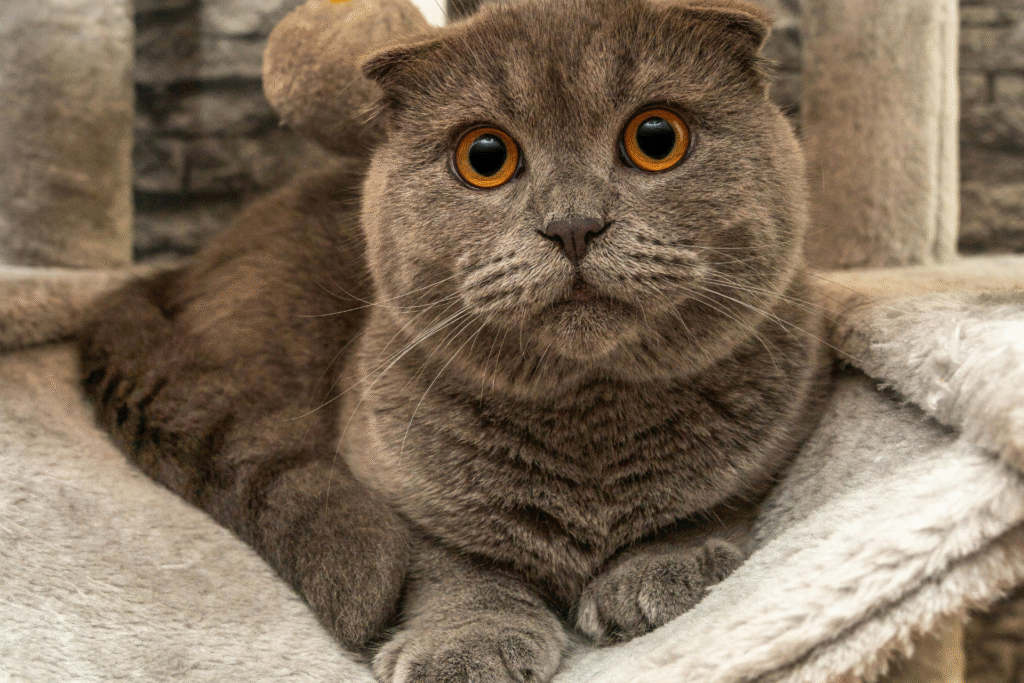
Scottish Folds develop cartilage related issues connected to the mutation that shapes their ears. Orthopedic teams frequently diagnose stiffness, limping and degenerative joint disease in cats even at relatively young ages. These predictable concerns influence insurance pricing significantly.
Many Folds require ongoing pain management and imaging to maintain mobility. The condition rarely disappears and often progresses with age. Insurers account for lifelong orthopedic care, which makes the breed one of the costliest to insure despite its affectionate reputation.
8. Savannah cats raise premiums due to their physical intensity.
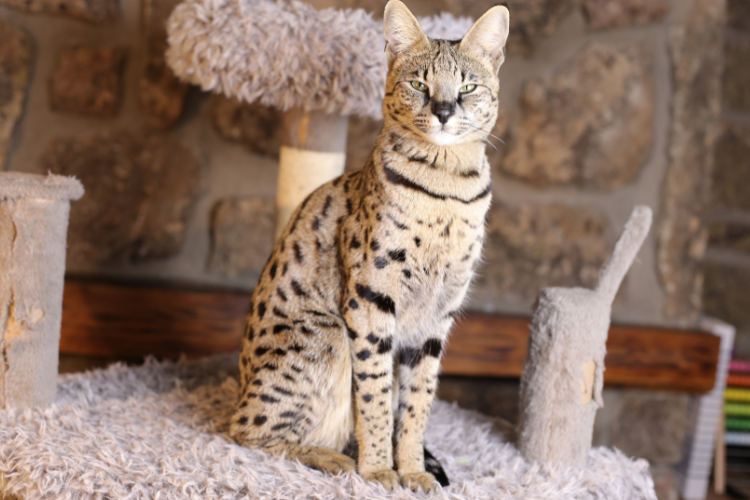
Savannah cats combine athleticism with a high need for stimulation. Their tendency to leap onto high surfaces or sprint through tight spaces often leads to strains or fractures. Clinics familiar with the breed report frequent injury related visits that insurers monitor closely.
Their partially wild ancestry introduces unique stress and digestive sensitivities. These issues can generate multiple claims over time, and insurers treat the breed as inherently unpredictable. The result is a premium that reflects both physical risk and specialized medical requirements.
9. Russian Blues bring elevated costs through chronic bladder issues.
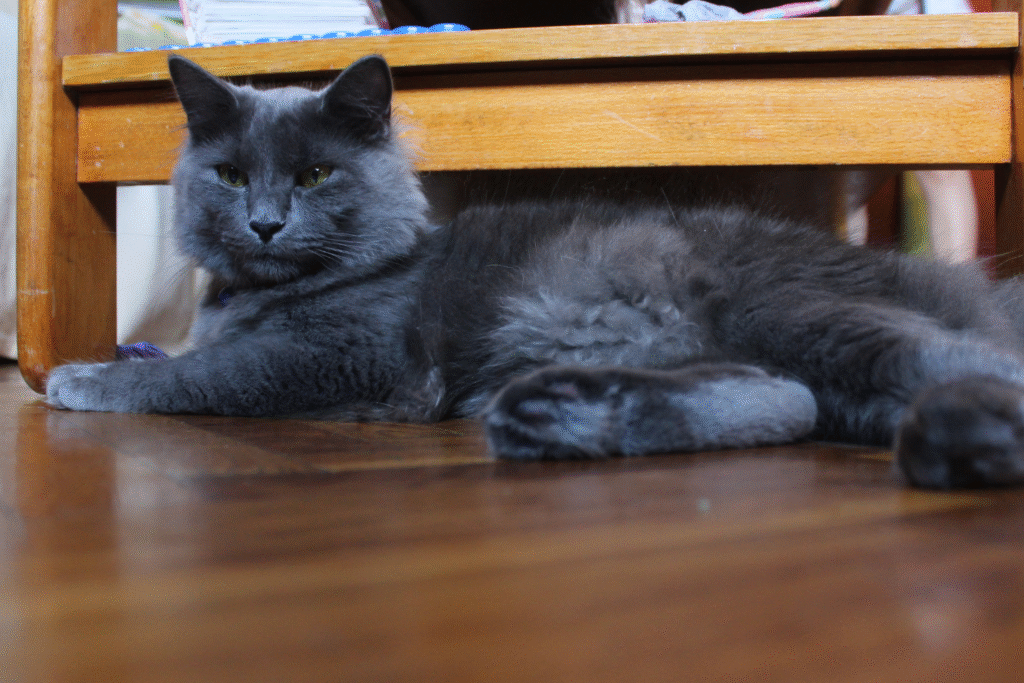
Russian Blues show a notable predisposition toward feline lower urinary tract disease, often triggered by stress. Clinics tracking these cases report recurring inflammation that requires pain control, fluids or diagnostic testing. These repeat episodes guide insurance models.
Even cats with calm temperaments can experience flare ups during environmental changes. Insurers expect recurring claims and adjust prices accordingly. Though the breed is admired for its stable temperament, its urinary sensitivity quietly shapes a higher financial burden for long term care.
10. Himalayans accumulate charges through layered respiratory risks.
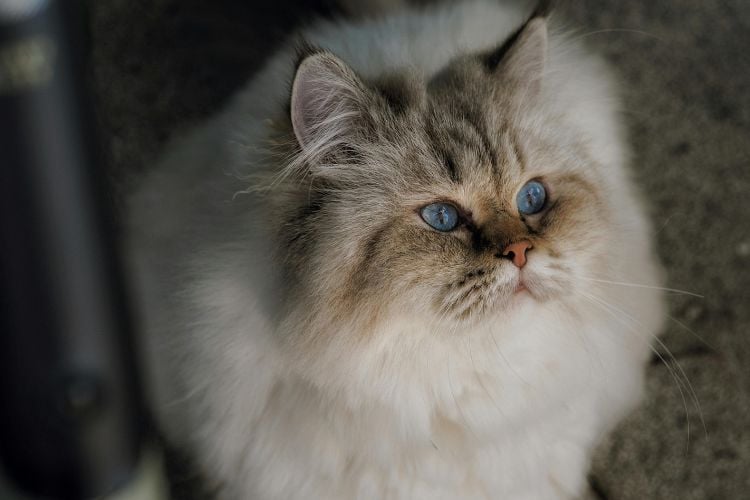
Himalayans inherit the brachycephalic traits of Persians, creating predictable respiratory complications. Eye discharge, airway narrowing and sinus inflammation often require repeated treatments. Insurers anticipate ongoing care rather than occasional visits, which raises projected costs significantly.
Their dense coats add grooming related medical concerns. When mats form or irritation spreads, many owners require professional intervention to prevent infection. These layered risks generate a steady flow of claims that insurers incorporate into elevated premiums for the breed.
11. Burmese cats increase premiums through genetic neurological conditions.

Burmese cats have a known risk of developing a neurological disorder that affects coordination and mobility. Although many live healthy lives, the possibility of progressive neurological symptoms leads insurers to anticipate imaging, monitoring and specialized treatment across the cat’s lifespan.
These concerns combine with the breed’s tendency toward dental issues, often requiring early cleaning or extraction. Insurers raise premiums because these recurring needs create a predictable pattern of long term cost. Even mild cases contribute to an overall risk profile that elevates pricing.
12. Oriental Shorthairs often need higher coverage due to respiratory strain.

Oriental Shorthairs share genetic ancestry with Siamese cats, and both breeds experience respiratory sensitivity linked to their elongated facial structure. Owners frequently report wheezing, coughing or inflammation that calls for veterinary assessment. These recurring issues raise the probability of multiple claims.
Their vocal and social nature also makes them prone to stress related flare ups when environments shift. Insurers anticipate a mix of respiratory and behavioral related medical visits across the cat’s life. The combination places Oriental Shorthairs firmly within the higher premium categories.